

Choosing and displaying elegant artwork is less about conforming to strict rules and more about understanding how visual elements interact within a space. It’s about creating an environment that feels refined, considered, and inherently beautiful, without necessarily being overtly grand or ostentatious. The true measure of elegant art lies in its ability to elevate a room, offering visual interest and a sense of thoughtful design. This isn’t just about expensive pieces; it’s about informed choices that reflect discernment and a clear aesthetic vision, whether for a cozy home or a sophisticated office setting.
Defining Elegant Artwork in 2026
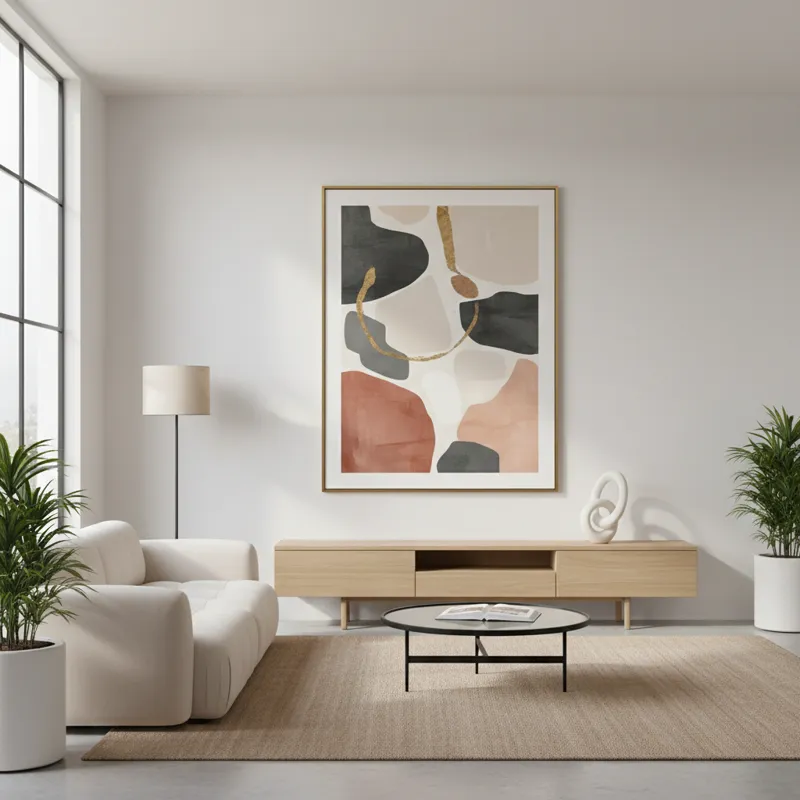
The concept of elegance in art transcends fleeting trends. In 2026, it still hinges on qualities like balance, harmony, and a certain visual grace. Elegant artwork often exhibits masterful execution, whether through precise brushstrokes, thoughtful composition, or innovative use of materials. It doesn’t shout for attention but commands it through its inherent quality and the subtle way it enhances its surroundings.
For many, elegance implies a sense of calm and order, a piece that contributes to an atmosphere of understated luxury rather than competing with other design elements. It’s about selecting art that feels intentional and appropriate for its setting, acting as a sophisticated anchor or a captivating accent.
Consider how traditional forms, such as meticulously crafted embroidered pictures, can achieve elegance through their intricate detail and the tactile quality of the threads. The perception of elegance is often rooted in the viewer’s appreciation for skill, subtlety, and the emotional resonance a piece evokes.
Art Styles That Consistently Deliver Elegance

Certain art styles inherently lend themselves to an elegant aesthetic due to their focus on form, color, and composition over overt narrative or shock value. Understanding these styles can guide your selection process, ensuring your chosen pieces align with a sophisticated vision.
Minimalism and Abstract Expressionism
Minimalist art, with its clean lines, limited color palettes, and focus on essential forms, naturally embodies elegance. Pieces often feature geometric shapes, subtle textures, or a stark contrast that draws the eye without cluttering it. Think large-scale canvases with just a few carefully placed elements or sculptures that play with negative space.
Abstract Expressionism, while often dynamic, also offers avenues for elegance. Look for works where color fields are harmoniously balanced, brushstrokes convey movement without chaos, and the overall composition feels resolved. It’s about finding pieces that have a controlled energy, rather than an unrestrained explosion, making them suitable for environments that value refinement.
Contemporary Figurative and Impressionistic Works
When it comes to figurative art, elegance often appears in pieces that are subtle and evocative rather than overtly realistic. Contemporary figurative works focusing on form, gesture, or implied emotion, often with a softened palette or abstracted details, can add significant depth. These pieces provide a human element without dictating a literal story.
Classic Impressionist and Post-Impressionist works continue to be hallmarks of traditional elegance. Their focus on light, color, and transient moments brings a timeless beauty. Landscapes, still lifes, and portraits from these movements can provide a sense of history and grace, especially when chosen for their calming palettes and familiar subjects.
Geometric Abstraction and Modern Textile Art
Geometric abstraction, with its precise lines, interlocking shapes, and often bold but balanced color schemes, offers a modern interpretation of elegance. These pieces can be particularly effective in contemporary interiors, providing structure and a sophisticated visual rhythm.
Beyond painting and sculpture, modern textile art has evolved significantly. Contemporary weavers and fiber artists are creating intricate, textured pieces that can introduce a soft yet compelling elegance. These works often play with natural fibers, subtle color variations, and three-dimensional forms, adding warmth and a unique tactile quality to a space. You might find exquisite examples of embroidery on art canvas that elevate this traditional craft to fine art.
Mediums That Elevate the Aesthetic

The medium itself plays a crucial role in how a piece is perceived, contributing significantly to its elegance. The material quality, texture, and how light interacts with it all influence the overall aesthetic.
Oil on Canvas and Acrylics
Oil paintings are often synonymous with fine art and can exude a classic elegance due to their depth of color and rich texture. The way oil paints capture and reflect light can give a piece a luminosity that feels inherently luxurious. Modern acrylics, when handled with skill, can also achieve sophisticated effects, offering vibrant colors and diverse textures that suit contemporary elegant spaces.
Sculpture: Form and Presence
A well-chosen sculpture adds a three-dimensional element that paintings cannot replicate, bringing gravitas and a focal point to a room. Materials like polished bronze, carved marble, or even thoughtfully sculpted wood can convey immense elegance. The interplay of light and shadow on the form, and the way it occupies space, are key to its impact.
Fine Art Photography and Prints
High-quality fine art photography, especially large-format prints, can introduce a striking form of modern elegance. When selected for compelling composition, subtle color palettes, or dramatic black and white contrasts, these pieces offer a contemporary edge. The elegance here lies in the image’s ability to evoke emotion, tell a story implicitly, or simply capture beauty in a unique way. Limited edition prints and giclées, when professionally produced and framed, can also offer accessible elegance without compromising on visual impact.
Mixed Media and Textile Arts
Thoughtful mixed-media pieces that combine different materials—such as paint with collage, or sculptural elements on a canvas—can achieve a unique elegance by adding layers of texture and visual interest. The key is that the combination feels cohesive and deliberate, not haphazard. As mentioned earlier, contemporary textile art, including detailed tapestries or woven pieces, provides a warm, inviting form of elegance that appeals to both sight and touch.
Choosing Elegant Artwork for Your Space
Selecting the right elegant artwork involves more than just liking a piece; it requires considering how it will integrate into and enhance your specific environment. It’s a balance of personal taste, spatial considerations, and stylistic harmony.
Understand Your Room’s Function and Aesthetic
Before you even begin looking, assess the room where the art will reside. Is it a formal living room, a tranquil bedroom, a bustling office, or a dining area? The function often dictates the mood. For instance, a serene landscape might suit a bedroom, while a dynamic abstract could energize an office. Consider the existing furniture, color scheme, and overall design language. The goal is for the artwork to complement, not clash with, the established aesthetic.
Scale and Proportion Are Paramount
One of the most common mistakes people make is choosing artwork that is either too small or too large for the wall space. A piece that’s too small can look lost and insignificant, while one that’s too large can overwhelm the room and feel oppressive. As a general guideline, a piece of art or a gallery grouping should occupy about two-thirds to three-quarters of the wall space it is on, especially if it’s above a major piece of furniture like a sofa or console. This ensures visual balance and allows the elegant artwork to make a statement without dominating.
Color Palette and Mood
While an artwork doesn’t need to perfectly match your decor, its color palette should harmonize with the room’s overall scheme. Subtle echoes of existing colors can create a cohesive feel. Alternatively, a carefully chosen piece can introduce a pop of complementary color that invigorates the space without being jarring. Think about the mood you want to create: calming blues and greens for tranquility, warm earth tones for comfort, or vibrant accents for energy.
Personal Connection Versus Investment
While some artwork is acquired purely as an investment, for most individuals, the primary driver should be a personal connection to the piece. Elegant artwork should resonate with you on some level, evoke a feeling, or simply bring you joy. When you choose art you genuinely love, its elegance becomes an extension of your own taste and personality. Of course, understanding an artist’s trajectory or a piece’s provenance can add to its perceived value and long-term appeal, but the initial connection is key for daily enjoyment.
Where to Source Elegant Artwork
Finding elegant artwork requires exploration. Traditional art galleries remain excellent sources for curated selections, often representing established and emerging artists. Online platforms have expanded access significantly; many reputable online galleries offer a vast array of styles and price points. For unique finds, consider local art fairs, open studios, and even specialized marketplaces where you might discover contemporary pieces or even commission a custom work. If you’re looking for unique textile art, an online embroidery shop might offer handcrafted pieces with a distinct charm.
Displaying Elegant Artwork: More Than Just Hanging It
The way you display your chosen artwork can dramatically amplify its elegance. Poor presentation can diminish even the most beautiful piece, while thoughtful display elevates it.
The Power of Framing
Framing is often overlooked but is absolutely critical to the presentation of elegant artwork. A well-chosen frame acts as a bridge between the art and the room, enhancing the piece without overpowering it. For traditional art, classic wooden frames with subtle detailing can work beautifully. For modern or contemporary pieces, a minimalist float frame, a clean gallery-style frame, or even a sleek metal frame can maintain a sophisticated aesthetic. Avoid overly ornate or cheap-looking frames, as they can detract from the artwork’s inherent quality. Matting, if used, should be acid-free and appropriately sized to give the artwork breathing room.
Strategic Lighting
Proper lighting can transform how artwork is perceived. Direct picture lights, track lighting with adjustable spotlights, or even well-placed recessed lighting can highlight textures, colors, and details that might otherwise be missed. Consider both natural and artificial light. Avoid placing delicate artwork in direct, prolonged sunlight, as UV rays can cause fading. For larger, impactful pieces, dedicated lighting can create a dramatic focal point, emphasizing the artwork’s presence and sophistication.
Placement and Grouping
The height at which you hang art is crucial. A common guideline is to hang the center of the artwork at eye level, which is typically around 57-60 inches from the floor. However, this can vary based on the height of surrounding furniture or architectural features. When grouping multiple pieces, aim for a cohesive arrangement that feels balanced and intentional. A salon-style hang can be elegant if executed with careful planning, but often, simpler groupings of two or three related pieces, or a single impactful statement piece, convey more inherent elegance. Remember that the space around the artwork is just as important as the art itself – don’t overcrowd a wall.
Integration with Furniture and Decor
Elegant artwork should feel like an integral part of your interior design, not an afterthought. Consider how the art interacts with the furniture directly beneath or around it. A piece above a console table should be in proportion to the table’s width. Wall art for a living room, for example, often serves as the anchor for the entire seating arrangement. The art and furnishings should engage in a dialogue, enhancing each other to create a unified and harmonious aesthetic. You might also consider how the art reflects or contrasts with the textures and materials present in your decor, such as a rough-textured abstract piece against smooth leather upholstery, creating an interesting tactile dynamic.
What Most People Get Wrong When Selecting Elegant Artwork
Even with good intentions, several common pitfalls can detract from achieving a truly elegant display. Being aware of these helps in making more informed decisions.
Confusing Price with Elegance
A high price tag does not automatically equate to elegance. While investment pieces often possess inherent quality and provenance, countless affordable artworks exist that exude sophistication. Conversely, an expensive piece that clashes with your decor or is poorly displayed loses its elegant appeal. The true measure is in the piece’s aesthetic qualities and its harmonious integration into the space, not its monetary value alone. Sometimes, you can find incredible value if you know where can I buy cheap wall decor that still holds artistic merit.
Ignoring Scale and Context
This is arguably the biggest mistake. Hanging a tiny painting on a vast wall, or a monumental piece in a cramped nook, instantly diminishes its impact and creates visual discord. The art needs to “fit” the space, not just physically, but visually. People also often forget the context of the room – a bold, vibrant piece might be elegant in a gallery, but overwhelming in a serene bedroom.
Underestimating the Frame’s Impact
Many focus solely on the art itself and then settle for a generic or ill-suited frame. A beautiful print in a flimsy, cheap-looking frame, or a striking contemporary piece crammed into an ornate traditional frame, can undermine the entire aesthetic. The frame is part of the artwork’s presentation and deserves as much consideration as the piece itself.
Buying Purely for Trends
While it’s good to be aware of current design trends, buying artwork solely because it’s fashionable in 2026 can lead to a collection that quickly feels dated. True elegant artwork possesses a timeless quality. It should resonate with you and your personal aesthetic, rather than being a mere reflection of what’s currently popular. Trends ebb and flow, but genuine elegance endures.
Failing to Plan for Future Integration
Sometimes people buy a piece they love, only to find it doesn’t fit anywhere in their home, or it clashes with their existing collection. Before a significant purchase, visualize where the elegant artwork will go. Take measurements, consider the wall space, and even use digital tools or mock-ups to see how it would look. This foresight prevents buyer’s remorse and ensures your chosen pieces contribute to a cohesive, elegant environment.
Maintaining and Protecting Your Elegant Artwork
Once you’ve invested in elegant artwork, protecting it ensures its longevity and preserves its beauty for years to come. Proper care is an essential part of responsible art ownership.
Environmental Considerations
Artwork is sensitive to its environment. Fluctuations in temperature and humidity can cause materials to expand, contract, warp, or crack. Aim for a stable indoor climate. Direct sunlight is particularly damaging; UV rays can fade colors and degrade materials over time. If direct sunlight is unavoidable, consider UV-filtering glass for framed pieces or relocate the artwork. Keep artwork away from direct heat sources like radiators or fireplaces, and areas prone to excessive moisture, such as bathrooms without proper ventilation.
Cleaning and Care
Dust is the enemy of artwork. Regularly dust framed pieces with a soft, lint-free cloth. For unframed canvases or sculptures, use a very soft brush or a specialized art duster, being extremely gentle. Avoid using household cleaners or polishes directly on artwork or frames, as these can cause irreparable damage. For anything beyond light dusting, especially for valuable or delicate pieces, consult a professional art conservator. They have the expertise and specialized materials to clean and restore artwork safely.
Insurance and Documentation
For significant pieces of elegant artwork, consider adding them to your home insurance policy or acquiring specialized art insurance. This protects against damage, theft, or loss. Always keep thorough documentation of your artwork, including purchase receipts, certificates of authenticity, artist information, and photographs of the piece. This documentation is crucial for insurance claims, appraisals, and future sales.
For specific mediums like tapestries or needlepoint pieces, understanding proper cleaning and storage techniques is vital. Resources from institutions like the National Gallery of Art often provide detailed conservation advice for various art forms, ensuring your elegant pieces remain pristine.
The Evolving Landscape of Elegant Art (2026 Perspective)
In 2026, the definition of elegant artwork continues to broaden, incorporating new technologies and evolving cultural perspectives. While timeless principles endure, the mediums and expressions are expanding.
Digital Art and NFTs with Refinement
The rise of digital art and NFTs has introduced new ways to collect and display art. For elegance, the focus shifts to carefully curated digital pieces that demonstrate artistic merit beyond mere novelty. High-resolution digital displays integrated seamlessly into interiors, showcasing motion graphics or static digital paintings, can add a sophisticated, modern touch. The elegance lies in the quality of the art, the display technology, and its considered placement within the physical space, rather than just the blockchain token itself. Platforms like Forbes Advisor have explored the nuances of digital art as an asset, but its aesthetic integration remains key for elegance.
Sustainability and Ethical Sourcing
As environmental consciousness grows, elegant artwork is increasingly valued for its sustainable practices. Artists using recycled materials, natural dyes, or eco-friendly production methods are gaining recognition. The elegance here is not just visual but also ethical, reflecting a deeper commitment to responsible consumption and creation. This trend influences everything from the choice of canvas to the framing materials used.
Cross-Cultural Influences and Global Narratives
The global art market continues to expand, bringing a rich tapestry of cross-cultural influences into contemporary elegant artwork. Pieces that sensitively blend traditional techniques from diverse cultures with modern aesthetics often possess a unique depth and sophistication. This includes art that subtly explores global narratives, utilizing forms and motifs that speak to a wider audience while retaining an inherent sense of beauty and craftsmanship. Major art institutions like the Metropolitan Museum of Art constantly showcase the breadth of global artistic expression, influencing contemporary perceptions of elegance.
Frequently Asked Questions About Elegant Artwork
What defines elegant artwork?
Elegant artwork is characterized by balance, harmony, refined aesthetics, and often a sense of understated sophistication. It’s about quality of execution, thoughtful composition, and how it subtly enhances a space without being overly ornate or attention-grabbing.
How do I choose elegant artwork for a modern home?
For a modern home, consider minimalist abstract pieces, geometric art, contemporary figurative works with clean lines, or fine art photography. Focus on pieces with complementary color palettes, appropriate scale for your walls, and sleek, understated framing. The goal is to integrate the art seamlessly into the modern aesthetic.
Is elegant artwork always expensive?
No, elegance is not solely tied to price. While high-value pieces can be elegant, many affordable artworks from emerging artists, prints, or carefully chosen reproductions can also convey sophistication and refine a space when selected and displayed thoughtfully.
What’s the best way to display a large piece of elegant artwork?
For a large piece, ensure it’s the focal point of the wall, allowing ample negative space around it. Hang it at eye level (around 57-60 inches to the center). Use appropriate, sturdy framing, and consider dedicated lighting to highlight its presence. Ensure its scale is proportionate to the wall and any furniture beneath it.
Can traditional artwork like tapestries or embroidery be considered elegant?
Absolutely. Many traditional art forms, including finely crafted tapestries, woven pieces, or intricate embroidery, possess immense elegance. Their artisanal quality, detailed workmanship, and often rich textures can add a unique warmth and sophisticated character to a room, especially when presented in a modern context.
How can I ensure my artwork stays elegant over time?
Maintain consistent temperature and humidity levels in your home, keep artwork out of direct sunlight, and dust regularly with a soft, dry cloth. Invest in quality, acid-free framing, and consider professional conservation for any significant cleaning or restoration needs. Proper care ensures the artwork retains its original beauty and elegance.


