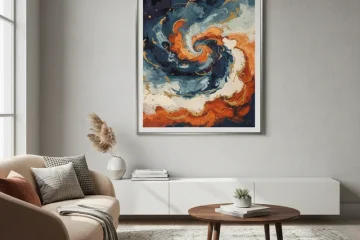
In the evolving landscape of high-end interior design, few elements command attention and convey luxury quite like embroidered wallpaper. It’s more than just a wall covering; it’s a textile art piece, a meticulously crafted statement that introduces unparalleled texture, depth, and sophistication into a space. As we navigate 2026, discerning homeowners and designers are increasingly seeking unique, tactile finishes that move beyond the purely visual, embracing materials that engage multiple senses and tell a story. Embroidered wallpaper perfectly fits this desire, transforming rooms into immersive environments that reflect exquisite taste and a commitment to artisanal quality. It represents an elevated form of embroidered wall art, integrating seamlessly into the very fabric of a room’s architecture rather than merely hanging upon it.
What Exactly is Embroidered Wallpaper?

Embroidered wallpaper distinguishes itself from traditional printed or woven wallpapers through its construction. It starts with a base fabric – often silk, linen, velvet, or a high-quality non-woven textile – onto which designs are stitched directly. These designs can range from subtle tone-on-tone patterns to elaborate, multi-colored motifs, often incorporating various thread types like silk, metallic, or even fine chenille.
The key difference lies in the tactile, three-dimensional quality the embroidery imparts. Unlike a printed pattern that lies flat, embroidered wallpaper features raised textures that catch and reflect light in unique ways, adding significant depth and visual interest. This isn’t a mass-produced item; each roll or panel involves a labor-intensive process, whether hand-stitched for ultimate bespoke luxury or meticulously machine-embroidered with advanced techniques that mimic hand craftsmanship. The result is a highly durable, visually stunning, and perceptibly luxurious finish that elevates any interior.
A Rich Tapestry of History: From Ancient Palaces to Modern Mansions

The concept of decorating walls with textiles is as old as civilization itself. Ancient Egyptians used woven hangings, and medieval European castles were famously adorned with elaborate tapestries not only for aesthetic appeal but also for insulation. These early textile wall coverings were often functional, blocking drafts and absorbing sound. As techniques advanced, so did the artistry. By the Renaissance, intricate silk damasks and velvets, sometimes embellished with hand-embroidery, became hallmarks of wealth and status in aristocratic homes and royal palaces.
In the 18th and 19th centuries, Chinoiserie and other exotic embroidered panels gained popularity, particularly in France and England, often depicting elaborate floral scenes or mythological narratives. These were painstaking, bespoke creations. While mass-produced wallpaper emerged later, the tradition of luxurious textile wall coverings, particularly those with embroidered elements, never faded. Today, modern technology allows for sophisticated machine embroidery, making these exquisite designs more accessible, yet the essence of craftsmanship and luxury remains. Embroidered wallpaper in 2026 continues this legacy, offering a contemporary interpretation of a timeless art form that adds unparalleled luxury wall decor to any space.
The Craft Behind the Beauty: Techniques and Materials Explored

Creating embroidered wallpaper is a sophisticated process that blends traditional artistry with modern innovation. The choice of technique and materials directly impacts the final look, feel, and cost.
Embroidery Techniques
- Hand Embroidery: This is the pinnacle of bespoke luxury. Skilled artisans painstakingly stitch each design by hand, allowing for unparalleled detail, texture variation, and customization. Common stitches include satin stitch for smooth fills, chain stitch for outlines, French knots for texture, and even appliqué where fabric pieces are sewn onto the base. Hand-embroidered pieces are essentially unique works of art.
- Machine Embroidery: Modern, multi-head embroidery machines can produce incredibly intricate and consistent patterns at a larger scale. Computer-aided design (CAD) software translates artistic concepts into digital files that guide the needles. While machine embroidery offers uniformity and efficiency, high-end machines can replicate many hand-stitch qualities, creating rich textures and complex designs.
Base Materials
The foundation of embroidered wallpaper is a high-quality fabric, chosen for its aesthetic appeal, durability, and ability to hold embroidery cleanly.
- Silk: Renowned for its lustrous sheen and smooth texture, silk provides an opulent base that enhances the beauty of delicate embroidery. It’s often used for traditional or highly luxurious contemporary designs.
- Linen: Offering a more organic, textured, and slightly matte finish, linen provides a natural elegance. It’s durable and suits rustic, coastal, or understated modern aesthetics.
- Velvet: The soft, deep pile of velvet adds incredible richness and a tactile experience. Embroidery on velvet creates a stunning contrast in texture and depth.
- Non-Woven Synthetics: These materials offer excellent stability, durability, and often better moisture resistance. They can mimic natural fibers and provide a strong base for machine embroidery, making the wallpaper more practical for certain environments.
Threads and Embellishments
The threads used are crucial to the design’s character.
- Silk Threads: Provide a natural sheen and vibrant color, ideal for intricate details.
- Rayon/Viscose: Offer a silky look with good durability and colorfastness, often more cost-effective than pure silk.
- Metallic Threads: Introduce shimmer and sparkle, perfect for adding highlights, opulence, or a contemporary edge.
- Chenille Threads: Thick and velvety, these add significant texture and a plush feel.
- Beads and Sequins: For truly extravagant designs, small beads or sequins can be integrated, catching light and adding another dimension of luxury.
The combination of these elements allows designers to create a vast array of styles, from historically inspired motifs to bold, contemporary embroidery patterns that push artistic boundaries.
Why Choose Embroidered Wallpaper in 2026? Unpacking Its Unique Appeal
In 2026, where digital screens dominate much of our visual experience, there’s a growing desire for sensory-rich environments. Embroidered wallpaper answers this call by offering a tangible, textural experience that flat surfaces simply cannot replicate.
Unparalleled Texture and Dimension
The primary draw of embroidered wallpaper is its three-dimensional quality. The raised stitches create shadows and highlights that shift with the changing light throughout the day, giving the wall a dynamic, living presence. It adds a physical depth that printed patterns, no matter how intricate, cannot achieve. This texture isn’t just visual; it’s tactile, inviting touch and transforming a flat wall into a soft, inviting surface.
A Statement of Luxury and Exclusivity
Embroidered wallpaper speaks volumes about a commitment to quality and bespoke design. It’s an investment in a highly specialized craft, often produced in limited runs or custom-designed, making it inherently exclusive. This exclusivity elevates the perceived value and sophistication of an interior, positioning it as a unique, high-end space rather than one furnished with mass-produced items.
Subtle Acoustic Benefits
While not a primary soundproofing solution, the fabric nature and raised stitching of embroidered wallpaper can offer subtle acoustic advantages. The textile surface helps to absorb sound waves, reducing echo and creating a quieter, more intimate atmosphere in a room. This can be particularly beneficial in large, open-plan spaces or rooms with hard surfaces.
Longevity and Heirloom Quality
When properly installed and cared for, high-quality embroidered wallpaper is remarkably durable. Unlike paint that might chip or fade, or cheaper wallpapers that can tear, the robust fabric base and strong stitching are designed to last. Many pieces are considered investment-grade finishes, with designs and craftsmanship that stand the test of time, becoming a cherished part of a home’s aesthetic for decades. It’s a choice that reflects a long-term vision for interior design, akin to investing in framed hand embroidery or other fine art.
Addressing the Practicalities: Durability, Installation, and Maintenance
While the aesthetic appeal of embroidered wallpaper is undeniable, its practical considerations are just as important for a successful long-term application.
Durability
The durability of embroidered wallpaper largely depends on its quality, materials, and placement.
- Material Quality: High-quality silks, linens, and durable synthetic blends are chosen for their resilience. Threads are typically colorfast and resistant to snagging when properly cared for.
- Traffic Areas: In high-traffic zones, such as hallways, the surface is more susceptible to abrasion. Some manufacturers offer protective coatings or recommend specific placements to mitigate wear.
- UV Exposure: Direct, prolonged sunlight can cause fading over time, especially with natural silk threads. Positioning away from harsh, unfiltered light or using UV-filtering window treatments is advisable.
- Modern Treatments: Many contemporary embroidered wallpapers feature stain-resistant treatments or backings that enhance their longevity and ease of cleaning, making them more robust than their historical counterparts.
Installation
Installing embroidered wallpaper is a highly specialized task that absolutely requires professional expertise. This is not a DIY project.
- Expertise Required: Unlike standard wallpaper, embroidered textiles are thicker, less flexible, and often heavier. They demand meticulous pattern matching, careful handling to avoid creasing or damaging the embroidery, and precise cutting.
- Surface Preparation: The wall surface must be perfectly smooth, clean, and primed. Any imperfections will show through the fabric.
- Adhesive: Specific, high-quality adhesives are necessary to ensure proper adhesion without staining the fabric or causing it to lift.
- Seam Work: Achieving seamless joins with embroidered patterns is particularly challenging and requires a seasoned professional to make the pattern flow continuously across panels.
Attempting self-installation almost inevitably leads to costly mistakes and a ruined product.
Maintenance
Proper maintenance ensures the longevity and beauty of your embroidered wallpaper.
- Regular Dusting: Gently dust the surface with a soft, clean brush attachment on a vacuum cleaner (on low suction) or a feather duster.
- Spot Cleaning: For minor marks, consult the manufacturer’s instructions. Often, a very lightly damp, clean cloth can be used for gentle dabbing, but always test in an inconspicuous area first. Avoid harsh chemicals or excessive moisture.
- Professional Cleaning: For deeper cleaning or significant stains, professional textile cleaners specializing in delicate wall coverings are recommended. They use specialized dry-cleaning methods or very low-moisture extraction techniques.
- Humidity Control: Maintaining consistent humidity levels in the room helps prevent the fabric from warping or loosening over time.
With proper care, embroidered wallpaper remains a stunning focal point for years.
The Investment: Understanding the Cost of Embroidered Wallpaper
The cost of embroidered wallpaper places it firmly in the luxury segment of interior finishes. This isn’t a budget-friendly option, but rather a significant investment in the aesthetic and value of a property. Understanding the factors that contribute to its price helps homeowners and designers make informed decisions.
Factors Influencing Cost
- Embroidery Technique: Hand-embroidered wallpaper is, by far, the most expensive due to the intensive labor and artistry involved. Machine-embroidered options offer a wider range of price points, with complexity and thread count being key differentiators.
- Materials: The type and quality of the base fabric (e.g., pure silk versus a synthetic blend) and the threads used (e.g., precious metallic threads, fine silk, or specialty chenille) significantly impact the price.
- Design Complexity: Intricate, multi-color designs with high stitch counts and varied textures naturally cost more than simpler, repetitive patterns. Custom designs also command a premium.
- Brand and Origin: Established luxury brands with reputations for exceptional quality and design often have higher price tags. The country of origin and ethical sourcing practices can also play a role.
- Installation: As discussed, professional installation is crucial and adds to the overall project cost. Given the material’s value and delicate nature, this is not an area to cut corners.
- Volume: Like most specialized materials, larger quantities may sometimes offer a slight reduction in per-unit cost, but the inherent value of the material remains.
Framing the Investment
It’s helpful to view embroidered wallpaper not just as a wall covering, but as an integral part of your luxury wall decor, akin to a piece of fine art or bespoke cabinetry. It contributes significantly to the overall aesthetic value, perceived luxury, and unique character of a home. For high-end real estate, such distinguished finishes can even contribute to property value, appealing to discerning buyers who appreciate custom details. While the upfront cost is higher than paint or standard wallpaper, the enduring beauty and impact can justify the investment for those seeking truly exceptional interiors.
Designing with Embroidered Wallpaper: Elevating Your Space
Integrating embroidered wallpaper into an interior design scheme requires a thoughtful approach, balancing its inherent opulence with the overall vision for the space.
Strategic Placement
Embroidered wallpaper excels as a focal point.
- Feature Walls: Applying it to a single wall, such as behind a bed in a master suite, in a formal dining room, or behind a console table in an entry foyer, allows its beauty to shine without overwhelming the room.
- Architectural Elements: Consider using it to highlight specific architectural features, like the back of a niche, inside a coffered ceiling panel, or along a dramatic staircase wall.
- Entire Rooms: For smaller, intimate spaces like powder rooms, libraries, or dressing rooms, covering all walls can create an immersive, jewel-box effect. In larger rooms, this approach demands careful consideration to ensure balance and avoid visual fatigue.
Style Integration
The versatility of embroidered wallpaper allows it to enhance various design aesthetics.
- Traditional and Classic: Elaborate floral motifs, damasks, or classical patterns in rich silks naturally complement traditional and antique furnishings.
- Contemporary and Modern: Geometric patterns, abstract designs, or subtle tone-on-tone embroidery in linen or modern synthetics can add texture and warmth to minimalist or modern spaces without sacrificing clean lines. Consider pieces that feature contemporary embroidery designs for a truly updated feel.
- Transitional: Blending classic motifs with modern color palettes or simpler embroidery styles can create a harmonious transitional look.
Lighting Considerations
Lighting plays a crucial role in showcasing embroidered wallpaper.
- Natural Light: Observe how natural light changes throughout the day. The raised texture of the embroidery will create dynamic shadows and highlights, adding depth.
- Artificial Light: Strategic accent lighting, such as recessed wall washers or picture lights, can dramatically enhance the texture and sheen of the threads, bringing out the intricate details of the embroidery. Avoid harsh, direct spotlights that can flatten the look or create distracting glare.
Complementing Other Elements
When designing with embroidered wallpaper, think about how it interacts with other finishes and furnishings.
- Furniture: Choose furniture that complements the wallpaper’s style and scale. If the wallpaper is busy, opt for simpler furniture forms and upholstery. If it’s subtle, bolder furniture can work.
- Textiles: Coordinate drapery, rugs, and upholstery fabrics. You don’t need to match precisely; often, complementing colors or textures create a more sophisticated layered look.
- Art: When hanging art on an embroidered wall, ensure the artwork’s frame and content harmonize with the wallpaper. Sometimes, less is more; the wallpaper itself can be the art.
A well-designed space leverages embroidered wallpaper as a foundational element, creating an atmosphere of cultivated elegance.
What Most People Get Wrong About Embroidered Wallpaper
Despite its undeniable appeal, embroidered wallpaper comes with specific nuances that many homeowners and even some designers might misunderstand. Getting these points right is crucial for satisfaction and longevity.
1. Underestimating Installation Complexity
The biggest misconception is often about installation. People sometimes assume it’s just like hanging regular wallpaper, perhaps a bit trickier. In reality, it’s an entirely different beast. The fabric is often thicker, less pliable, and more prone to showing imperfections if not handled by an expert. Pattern repeats can be intricate, and matching them precisely across panels requires exceptional skill. A novice attempting installation almost guarantees wasted material and a substandard finish. It truly is a job for a seasoned professional specializing in luxury wall coverings.
2. Ignoring Environmental Factors
Embroidered wallpaper, being a textile, reacts to its environment more than paint or vinyl wallpaper. People often overlook:
- Humidity: Extreme fluctuations can cause the fabric to expand, contract, or even loosen from the wall. Maintaining consistent humidity levels (ideally 40-60%) is important.
- Direct Sunlight: As mentioned, prolonged, unfiltered UV exposure will cause fading over time, especially with natural dyes and threads. Placing it in direct sun or neglecting UV-filtering window treatments is a common mistake.
- High-Traffic/Moisture Areas: While some modern embroidered wallpapers have enhanced durability, it’s generally ill-suited for areas like bathrooms with high humidity, kitchens where grease and splashes are common, or children’s playrooms where it’s prone to physical damage.
3. Assuming It’s Only for Traditional Interiors
Many associate embroidered wallpaper with ornate, classic designs, leading them to believe it won’t suit contemporary homes. This isn’t true. Modern manufacturers offer an incredible range of abstract, geometric, and minimalist embroidered patterns in sophisticated colorways that perfectly complement contemporary aesthetics. The texture alone adds warmth and interest to otherwise sleek, modern spaces.
4. Neglecting Professional Cleaning and Care
Another mistake is treating embroidered wallpaper like a standard painted wall when it comes to cleaning. Wiping vigorously with a damp cloth or using harsh chemical cleaners can damage the threads, cause colors to bleed, or stain the fabric. Regular, gentle dusting and professional textile cleaning for spills are essential. Not following manufacturer-specific care instructions can drastically shorten the lifespan of this beautiful investment.
5. Prioritizing Price Over Quality for Installation
Given the high cost of the material itself, some might try to save money on installation by hiring a less experienced (and cheaper) professional. This is a false economy. A poor installation can ruin expensive wallpaper, leading to even greater costs for replacement and re-installation. The value of a skilled installer, who understands the nuances of working with such delicate materials, cannot be overstated.
Sourcing and Customization: Finding the Right Fit for Your Vision
Finding the perfect embroidered wallpaper involves navigating a world of bespoke craftsmanship and specialized suppliers. It’s a journey often undertaken with the guidance of design professionals.
Where to Source
- High-End Showrooms: These are often the best starting point. Luxury showrooms, particularly those catering to the interior design trade, carry collections from renowned manufacturers and artisanal studios. Here, you can experience the texture and visual impact firsthand.
- Interior Designers: An experienced interior designer specializing in luxury projects will have established relationships with exclusive suppliers and custom workshops. They can guide you through the selection process, handle sourcing, and ensure seamless integration into your overall design.
- Bespoke Ateliers: For truly unique, hand-embroidered pieces, collaborating directly with a textile art atelier can yield stunning, one-of-a-kind results. These partnerships often involve a deeper dive into design development.
- Online Portals (Curated): While less common for the highest-end bespoke options, some luxury decor websites and online marketplaces offer curated selections from reputable brands, often with samples available for order.
Customization Options
The beauty of luxury embroidered wallpaper often lies in its potential for customization.
- Color Matching: Many manufacturers offer color matching services, allowing you to select specific thread colors to perfectly complement existing furnishings, fabrics, or a particular paint palette.
- Scale and Repeat Adjustment: For larger or smaller rooms, the scale of a design can sometimes be adjusted to ensure it looks proportionate and avoids awkward repeats.
- Bespoke Motifs: For the ultimate personalized touch, some ateliers can create entirely new motifs or adapt existing ones to reflect specific themes, monograms, or architectural details relevant to your home.
- Material Selection: While a design might be shown on silk, it might be possible to order it on a linen or velvet base to better suit your desired aesthetic and durability requirements.
- Embellishments: Adding metallic threads, subtle beads, or unique stitch types can further personalize a design.
Engaging with suppliers who offer these levels of customization ensures that your embroidered wallpaper isn’t just a beautiful finish, but a truly personal reflection of your style and vision.
Future Trends: What’s Next for Embroidered Wallpaper
The world of interior design is constantly evolving, and embroidered wallpaper is no exception. As we look ahead from 2026, several trends are shaping its future, blending tradition with cutting-edge innovation.
1. Sustainability in Materials and Production
Growing environmental consciousness is pushing manufacturers towards more sustainable practices. We’re seeing an increased use of:
- Recycled Threads: Utilizing threads made from recycled plastics or textile waste.
- Organic and Naturally Dyed Fabrics: Opting for organic cottons, linens, and silks, and employing natural dyes that are less harmful to the environment.
- Ethical Production: A greater emphasis on transparent supply chains and fair labor practices, appealing to consumers who value ethical consumption.
Brands are also exploring closed-loop manufacturing processes to minimize waste.
2. Technological Advancements in Machine Embroidery
While hand embroidery remains the pinnacle of luxury, machine embroidery is becoming incredibly sophisticated.
- Hyper-Realistic Textures: New machines can create highly complex, multi-dimensional textures that mimic hand-stitching with astonishing fidelity, offering intricate details at a more accessible price point.
- Digital Integration: Imagine patterns that subtly shift or glow. The integration of fiber optics or conductive threads could lead to interactive wallpaper that responds to light, sound, or even touch, creating dynamic and immersive environments.
- 3D Printing Hybridization: We might see a blend of embroidery with small, integrated 3D-printed elements, adding structural depth and unique tactile features.
3. Bespoke Digital Design and AI Assist
AI won’t replace human creativity, but it can certainly augment it. Designers could use AI tools to:
- Generate Unique Patterns: AI could rapidly generate unique embroidery patterns based on desired themes, colors, and styles, providing designers with an endless source of inspiration.
- Visualize in Space: Advanced augmented reality tools will allow homeowners and designers to virtually “try on” embroidered wallpaper in their actual rooms, seeing how light interacts with the texture and how patterns align, before making a commitment.
4. Wellness and Biophilic Designs
Aligning with broader wellness trends, embroidered wallpaper will increasingly feature:
- Biophilic Motifs: Designs inspired by nature – leaves, vines, abstract organic forms – bringing a sense of calm and connection to the natural world indoors.
- Tactile Comfort: Fabrics and embroidery that evoke a sense of softness and comfort, contributing to a cozy and inviting atmosphere.
The future of embroidered wallpaper promises even greater artistry, innovation, and a conscious approach to luxury living.
People Also Ask (FAQ) About Embroidered Wallpaper
Here are some common questions people have about embroidered wallpaper:
Is embroidered wallpaper durable?
Yes, high-quality embroidered wallpaper, made from durable fabrics and strong threads, can be very durable. Its longevity largely depends on the quality of materials, professional installation, and proper care, including protection from direct sunlight and excessive moisture.
How do you clean embroidered wallpaper?
Always follow the manufacturer’s specific instructions. Generally, you should gently dust it regularly with a soft brush attachment on a vacuum cleaner or a feather duster. For spills, light dabbing with a clean, barely damp cloth might work, but it’s often best to consult a professional textile cleaner to avoid damage.
Can I install embroidered wallpaper myself?
No, installing embroidered wallpaper is highly specialized and requires professional expertise. The material is delicate, heavy, and unforgiving of mistakes. Hiring an experienced installer who specializes in luxury wall coverings is crucial to protect your investment and ensure a flawless finish.
What rooms are best suited for embroidered wallpaper?
Embroidered wallpaper thrives in spaces where its intricate beauty can be appreciated, such as master bedrooms, formal dining rooms, living rooms, powder rooms, or studies. It’s generally not recommended for high-moisture areas like full bathrooms or high-traffic zones like children’s playrooms where it might be easily damaged.
Is embroidered wallpaper expensive?
Yes, embroidered wallpaper is a luxury product and represents a significant investment. Its cost is influenced by factors like hand versus machine embroidery, material quality (e.g., silk, linen), design complexity, and professional installation. It’s priced as a high-end, artistic finish, not a standard wall covering.