
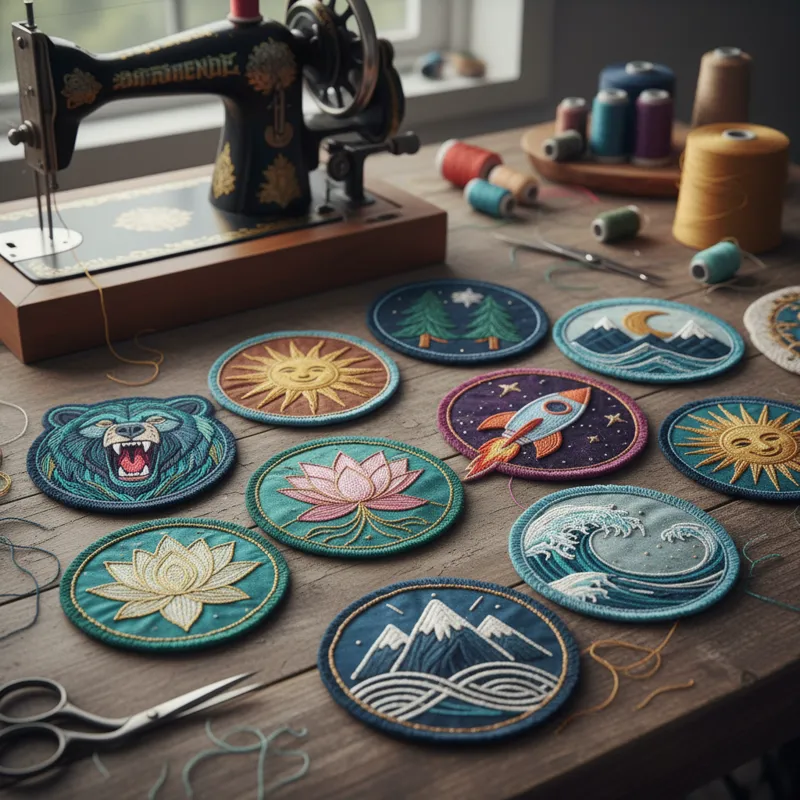
Embroidery patch designs are more than just decorative accents; they are a powerful medium for expression, branding, and storytelling. In 2026, the landscape of patch creation has evolved significantly, offering unparalleled versatility for personal projects, business branding, and community building. From intricate historical reproductions to bold, contemporary graphics, these small textile artworks serve a myriad of purposes, transforming everyday items into personalized statements or unifying groups under a shared emblem. Understanding the nuances of design, material, and application is key to unlocking the full potential of these custom embellishments.
The Enduring Appeal of Embroidery Patch Designs
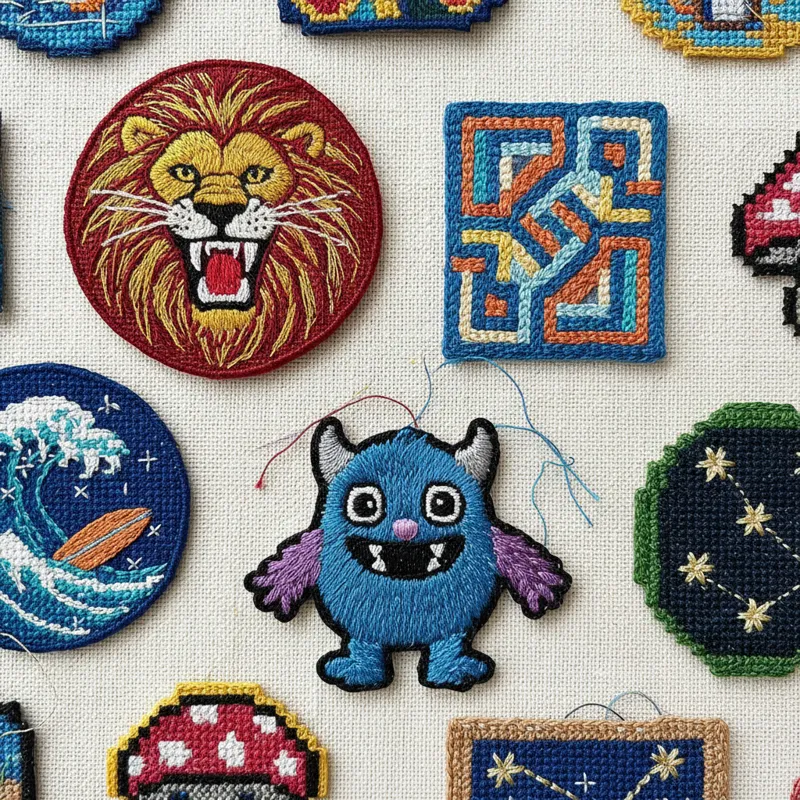
For centuries, embroidered patches have served as markers of identity, achievement, and affiliation. What started as practical repairs or heraldic symbols has blossomed into a global industry, driven by both traditional craftsmanship and cutting-edge digital technology. The appeal lies in their tangible quality, the way thread builds texture and dimension in a way other printing methods can’t quite match. This tactile nature makes them stand out, whether adorning a denim jacket or signaling membership in a club.
The versatility of these patches often sparks inspiration for more intricate works, perhaps leading creators to explore grander projects like embroidered pictures that tell larger stories. Patches condense a narrative or an identity into a compact, wearable format. They are a universal language, easily understood across cultures, conveying messages from pride and belonging to rebellion and humor.
Understanding the Anatomy of an Embroidery Patch
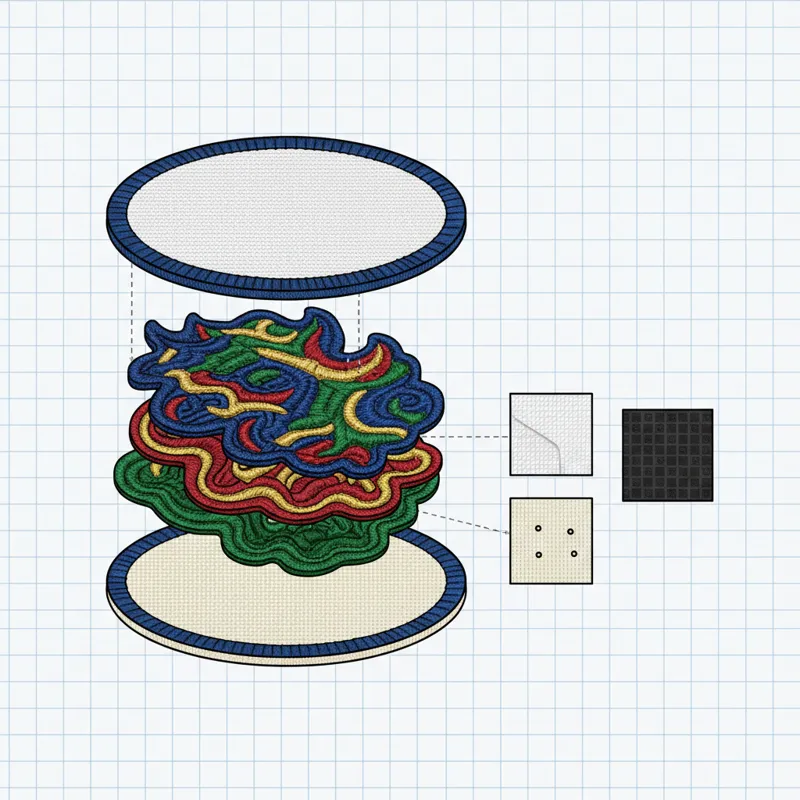
To truly appreciate and design effective embroidery patches, it helps to understand their fundamental components. A patch isn’t just a design; it’s a small piece of textile engineering.
- Base Fabric: This is the foundation upon which the design is stitched. Twill is a common choice, offering durability and a smooth surface. Felt, denim, or even specialized fabrics are also used, depending on the desired look and feel.
- Embroidery Thread: Polyester and rayon are standard, known for their vibrant colors and sheen. Polyester offers excellent durability and colorfastness, while rayon provides a softer, silkier finish. Metallic or glow-in-the-dark threads add special effects.
- Stitch Types: The choice of stitch greatly impacts the final aesthetic. Common stitches include fill stitches (for solid areas), satin stitches (for outlines and lettering), and walking stitches (for fine details). High stitch density creates a premium, raised feel.
- Borders:
- Merrowed Border: This is the classic, thick, overlocked edge you see on many traditional patches. It’s durable and prevents fraying.
- Laser-Cut Border: Offers a precise, clean edge, especially for intricate shapes, creating a flat, modern look.
- Die-Cut Border: Similar to laser-cut, it allows for custom, complex shapes that wouldn’t be possible with merrowing.
- Backing: This determines how the patch is applied.
- Iron-On: A heat-activated adhesive makes for easy, semi-permanent application.
- Sew-On: No adhesive, requiring needle and thread for permanent attachment.
- Velcro: Ideal for modular applications, allowing patches to be swapped easily.
- Adhesive/Peel-and-Stick: A temporary, sticker-like backing, often used for events or promotional items.
Popular Styles and Design Approaches for Embroidery Patches
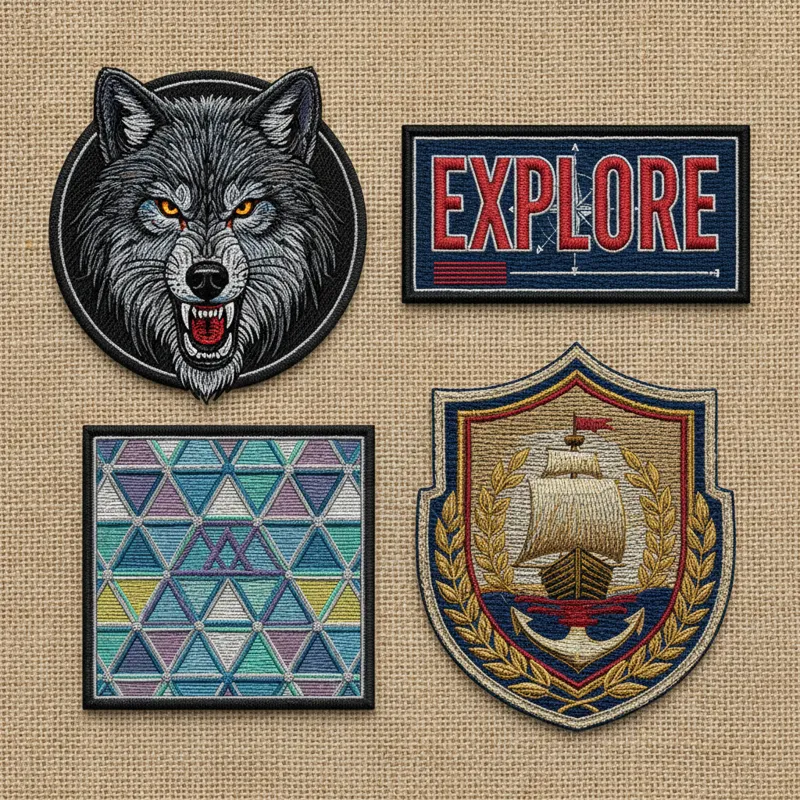
The sheer variety of embroidery patch designs is a testament to their adaptability. Whether you’re aiming for a subtle accent or a standout statement, there’s a style to match. Here are some of the most popular and impactful approaches:
Classic & Traditional Patches
These designs often draw inspiration from military insignia, scout badges, or corporate logos. They typically feature clear lines, strong colors, and a formal layout. Think heraldic shields, crests, or simple, iconic symbols. A merrowed border is often the standard here, giving them a time-honored, official feel.
Modern & Abstract Designs
Moving away from literal representation, modern patches embrace minimalist aesthetics, geometric patterns, and abstract concepts. These can be incredibly striking, using negative space effectively or playing with color gradients. They often favor laser-cut borders for a clean, contemporary finish, and can easily be incorporated into more avant-garde embroidered ideas for fashion or home decor.
Pop Culture & Fandom Patches
A huge segment of the patch market, these designs celebrate everything from beloved movie characters and video game icons to music bands and internet memes. They often feature vibrant colors, recognizable imagery, and a playful tone. Attention to detail is crucial here to capture the essence of the intellectual property.
Nature & Wildlife Patches
Showcasing flora, fauna, and natural landscapes, these patches can range from realistic depictions to stylized interpretations. Intricate details, varied thread colors, and subtle shading are common to bring these scenes to life. They’re popular for outdoor enthusiasts, conservation groups, and anyone with an appreciation for the natural world.
Typography & Slogan Patches
Sometimes, words speak loudest. These patches feature impactful phrases, witty slogans, or stylized lettering. Font choice, color contrast, and layout are paramount to ensuring legibility and conveying the intended message. From motivational quotes to sarcastic quips, typography patches offer direct communication.
Sports & Team Patches
Essential for leagues, clubs, and individual athletes, these patches display team logos, mascots, numbers, and championship accolades. They embody team spirit and unity, often featuring bold colors and dynamic designs. Durability is a key consideration, as these patches frequently endure rigorous activity.
Event & Commemorative Patches
Souvenirs from concerts, festivals, rallies, or anniversaries, these patches serve as tangible memories. They typically include event names, dates, and specific imagery associated with the occasion. They’re often collected and proudly displayed, prompting a nostalgic connection for the wearer.
Humorous & Novelty Patches
For those who love to express their personality with a touch of wit, novelty patches offer lighthearted designs, inside jokes, and ironic statements. These often use playful illustrations and bright colors, designed to spark conversation and bring a smile.
Biker & Club Patches
Large, detailed back patches for jackets are a hallmark of biker clubs and social organizations. These are often rich in symbolism, displaying club names, logos, and affiliations with strong, iconic imagery. They foster a powerful sense of brotherhood and identity.
Applique & Mixed Media Patches
Pushing the boundaries of traditional embroidery, these patches incorporate other materials like fabric cutouts (applique), screen printing, or even small metal elements. This technique adds depth, texture, and a unique dimension, making the patch truly stand out. It’s a fantastic way to create complex printed embroidery patterns where some elements are stitched and others are printed for finer detail.
Choosing the Right Design Elements for Your Patch
Crafting effective embroidery patch designs isn’t just about choosing a style; it’s about making smart decisions regarding the visual elements. Each choice impacts the final appearance, cost, and suitability for its intended use.
- Size and Shape: The dimensions of your patch dictate the level of detail possible. Smaller patches necessitate simpler designs, while larger ones can accommodate more intricacy. Standard shapes like circles, squares, and rectangles are common, but custom die-cut shapes offer unique branding opportunities.
- Color Palette: While embroidery machines can use many colors, limiting your palette to 3-7 colors often results in a cleaner, more impactful design and can reduce production costs. High contrast ensures readability, especially for logos or text.
- Detail and Complexity: Fine lines and tiny text can be challenging for embroidery. Threads have a minimum thickness, and small details might merge or get lost. Simplify intricate elements for better translation into stitches. Think bold, not busy.
- Text and Fonts: Legibility is paramount. Choose clear, sans-serif fonts for small text. Avoid overly thin or ornate scripts that can become indistinct when stitched. Letter height should generally be at least 3/16 inch (about 4.75mm) for good clarity.
- Coverage: The percentage of the patch covered by embroidery affects its feel and cost. 100% embroidery coverage means no base fabric shows through, giving a dense, premium look. Lower coverage allows the base fabric to act as a background, which can be part of the design.
The Craft Behind the Creation: From Concept to Stitch
Creating a physical embroidered patch from a design concept is a specialized process that bridges art and technology. It begins with the design phase and culminates in the final stitched product.
Design and Digitization
The initial design, whether a sketch, logo, or artwork, is first translated into a digital file. This isn’t just a simple image conversion; it’s a process called “digitization.” A skilled digitizer uses specialized software to tell the embroidery machine exactly where to place each stitch, what type of stitch to use, and in what order. This step is critical for quality, dictating how smoothly curves appear, how colors transition, and how durable the final patch will be. Good digitization is the difference between a crisp, professional patch and a messy, amateurish one. Many of the principles applied here are similar to creating embroidery patterns for hand embroidery, just automated for machines.
Machine Embroidery
Once digitized, the design file is loaded into a commercial embroidery machine. These machines can have multiple heads, allowing them to stitch numerous patches simultaneously. The chosen threads are loaded, the base fabric is hooped, and the machine goes to work, precisely executing the digitized instructions. This automated process ensures consistency across multiple patches.
Finishing Touches
After stitching, patches are removed from the machine. Excess backing material is trimmed, and the chosen border (merrowed or laser-cut) is applied. If an iron-on or Velcro backing is desired, it’s affixed at this stage. Quality control checks ensure each patch meets the design specifications and aesthetic standards.
Practical Applications and Innovative Uses of Embroidery Patch Designs
Beyond their aesthetic appeal, embroidery patch designs offer remarkable utility. They are a powerful tool for personalization, branding, and community building across various sectors.
Personalization and Self-Expression
Patches are a fantastic way to customize clothing, bags, hats, and accessories. A simple jacket becomes a statement piece when adorned with a collection of patches reflecting interests, travels, or beliefs. They allow individuals to showcase their personality without permanent alteration to an item, offering flexibility and individuality. For example, applying hand embroidery designs on shirts directly offers a different, often more rustic, aesthetic than a patch.
Brand Identity & Merchandising
For businesses, patches are an excellent way to reinforce brand identity. They can be sewn onto employee uniforms, given as promotional items, or sold as merchandise. The tactile quality and perceived value of an embroidered patch make it a memorable branding tool. Even established organizations like the U. S. National Archives and Records Administration (NARA) document the historical and official use of patches in various government and military contexts, underscoring their significance in identity representation.
Team & Club Recognition
Sports teams, social clubs, youth organizations, and fraternal groups use patches to signify membership and unity. They create a sense of belonging and pride, easily recognizable symbols that bond individuals together. These can range from official emblems to fun, commemorative patches for specific events.
Events & Souvenirs
Concerts, festivals, conventions, and charity runs often issue event-specific patches. These act as mementos, helping attendees remember the experience long after it’s over. They’re popular collectibles, often traded or proudly displayed on event bags and vests.
Repair & Upcycling
A clever and sustainable use for patches is covering up tears, stains, or worn areas on clothing. This not only extends the life of a garment but also transforms a flaw into a unique design element. It’s an easy way to upcycle an old item, giving it a new lease on life with a custom touch.
Fashion & Accessories
Designers frequently incorporate patches into clothing lines, from haute couture to street wear. They can add texture, color, and a narrative element to garments, belts, bags, and shoes. The art of embroidery itself has a rich history, dating back millennia, influencing decorative arts across cultures, as detailed by sources like Wikipedia, and patches are a modern continuation of this tradition.
What Most People Get Wrong About Embroidery Patch Designs
While embroidery patches seem straightforward, several common misconceptions or overlooked details can lead to disappointing results. Understanding these pitfalls can save you time and money.
Mistaking All Patches for “Iron-On”
Many assume every patch is an iron-on. While popular, iron-on patches aren’t the only type, nor are they always the best solution. Sew-on patches offer the most permanent and durable attachment, especially for items that will undergo frequent washing or heavy use. Velcro is ideal for interchangeability, while adhesive patches are best for temporary applications.
Underestimating Design Complexity vs. Embroidery Reality
People often submit highly detailed graphic designs, expecting them to translate perfectly into stitches. Embroidery has limitations. Extremely fine lines, tiny text, and subtle color gradients can be challenging, if not impossible, to reproduce faithfully with thread. What looks great on screen might become a blurry mess when stitched. Simplifying your design for embroidery is crucial.
Ignoring the Importance of Digitization
The quality of a patch begins with its digitization. A poorly digitized file, even from a great graphic, will result in a mediocre patch. Many try to cut costs here, not realizing that professional digitization is an investment that pays off in the final product’s appearance and durability. It’s not just converting an image; it’s an art form in itself.
Overlooking Backing Options
The chosen backing is as important as the design itself. Using an iron-on patch on nylon might not work due to low heat tolerance, leading to damage or poor adhesion. Applying a sew-on patch to a thin, delicate fabric could tear it. Always consider the material the patch will be applied to and its intended use when selecting the backing.
Not Considering Scale and Proportions
A design that looks good at 3 inches might look cramped at 1.5 inches, or sparse at 6 inches. The scale of your design elements—text, graphics, and negative space—must be carefully considered relative to the overall patch size. Proportions need to be balanced to ensure impact and readability.
The Evolution of Patch Design: Trends in 2026 and Beyond
As we navigate 2026, embroidery patch designs continue to evolve, influenced by technology, sustainability, and changing aesthetic preferences. Staying current with these trends helps ensure your designs remain relevant and impactful.
Sustainable Materials
There’s a growing demand for eco-friendly options. Expect to see more patches made with recycled polyester threads, organic cotton base fabrics, and even biodegradable adhesives. Consumers are increasingly valuing sustainability in their purchases, and patches are no exception.
Intricate Micro-Details and Texture Play
Advancements in embroidery machine technology allow for even finer details and more sophisticated layering of stitches. This leads to patches that are not just colorful but also incredibly tactile, with varied textures within a single design. The focus is on depth and sensory experience.
Integration with Smart Textiles
While still emerging, some innovative patches might incorporate conductive threads or small, flexible electronic components. Imagine patches that light up, change color, or even house tiny sensors for health monitoring or interactive experiences. This blurs the line between traditional textile art and wearable technology.
Personalized and Limited-Run Productions
The rise of on-demand manufacturing and accessible digital tools means smaller businesses and individual creators can produce custom, high-quality embroidery patch designs without massive minimum orders. This fosters a culture of hyper-personalization and unique, limited-edition runs, making it easier for anyone to bring their embroidered ideas to life.
Nostalgia and Retro Revival
Classic aesthetics from the 70s, 80s, and 90s continue to cycle back into popularity. Expect to see vintage-inspired typography, vibrant color blocking, and iconic imagery reimagined with modern embroidery techniques. This trend speaks to a desire for comfort and familiarity in a rapidly changing world.
Maintaining and Caring for Your Embroidered Patches
Proper care can significantly extend the life and vibrancy of your embroidery patch designs. While durable, they aren’t indestructible.
- Washing: Most embroidered patches can be machine-washed on a gentle cycle with cold water, especially if they are sew-on. If attached to a garment, turn the item inside out to protect the patch. Avoid harsh detergents and bleach.
- Drying: Air drying is always best. High heat from a dryer can degrade adhesives (for iron-on patches) and potentially shrink or warp the patch itself. If you must machine dry, use a low heat setting.
- Ironing: If ironing is necessary, place a thin cloth over the patch and iron on a low-to-medium heat setting. Never iron directly on the embroidered surface, as it can flatten the stitches or melt synthetic threads.
- Chemicals: Keep patches away from strong chemicals, solvents, or abrasive cleaners, which can damage threads and colors.
Common Questions About Embroidery Patch Designs
How do I make my embroidery patch design stand out?
Focus on clear, bold graphics, strong color contrast, and a unique shape. Don’t overload the patch with too many details; simplicity often has more impact. Consider a unique border or a blend of stitch types for added texture.
Can I put embroidery patches on any fabric?
Generally, sew-on patches are the most versatile and can be applied to almost any fabric. Iron-on patches require heat, so they aren’t suitable for heat-sensitive materials like certain nylons or delicate silks. Always check the fabric composition before applying heat.
What’s the difference between an embroidered patch and direct embroidery?
An embroidered patch is a standalone piece of fabric with a design stitched onto it, which is then attached to a garment. Direct embroidery involves stitching the design directly onto the garment itself. Patches are often preferred for complex designs, intricate details, or when you want the flexibility to remove or swap the design.
How long do iron-on patches last?
Iron-on patches are semi-permanent. Their longevity depends on the quality of the adhesive, the fabric they’re applied to, and how often the item is washed and worn. Over time, edges may lift. For maximum durability, especially on frequently laundered items, sewing around the edges of an iron-on patch is highly recommended.
Are there minimum order quantities for custom embroidery patches?
Minimum order quantities (MOQs) vary greatly by manufacturer. Many companies offer low MOQs (e.g., 10-25 patches) for custom designs, especially in 2026 with advanced production capabilities. However, larger orders typically result in a lower per-patch cost.


