
There’s a distinct comfort and impeccable cleanliness that defines a hotel bathroom. Part of that experience, often subconsciously appreciated, is the hotel shower curtain. It doesn’t cling, it doesn’t leak, and it certainly doesn’t harbor mildew. For years, homeowners have sought to replicate this understated luxury, and in 2026, the secret isn’t a secret anymore: it’s about understanding the specific features and quality standards that elevate a commercial-grade shower curtain beyond its residential counterparts. This isn’t just about picking a nice pattern; it’s about investing in a foundational element that combines robust performance with sophisticated aesthetics, truly transforming your daily routine.
The Hotel Shower Curtain Difference: More Than Just Fabric
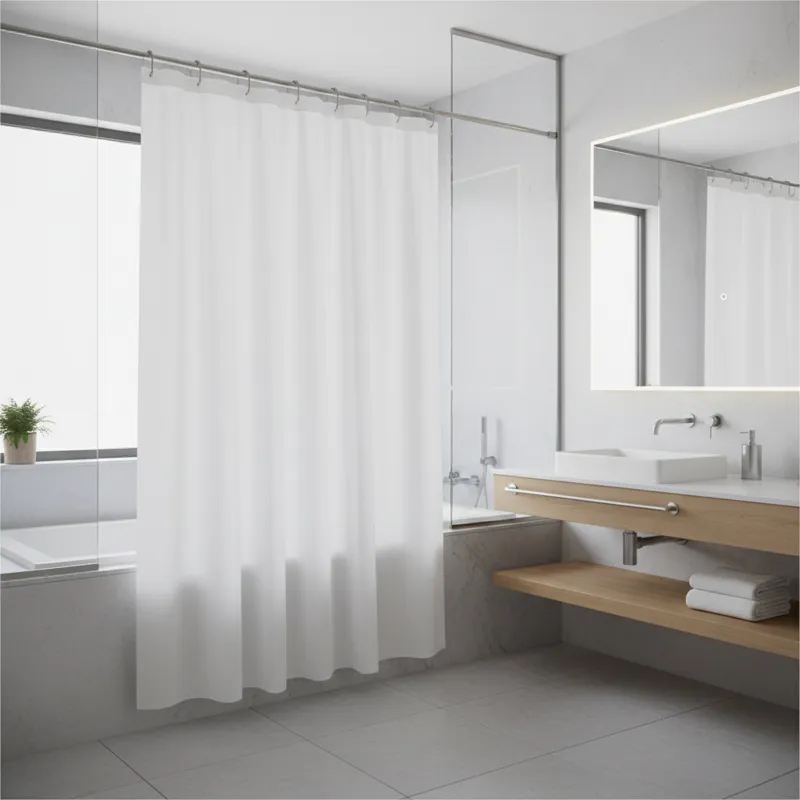
What sets a hotel shower curtain apart isn’t magic; it’s a combination of deliberate design choices, advanced materials, and rigorous testing. Hotels operate under demanding conditions, requiring items that withstand constant use, frequent cleaning, and maintain a pristine appearance. This translates directly into products engineered for durability, hygiene, and a superior user experience, which are precisely the qualities you want in your home bathroom.
Unlike many standard retail options, commercial shower drapes are built to last. They prioritize functionality without sacrificing style, often featuring subtle textures and neutral palettes that contribute to a serene, uncluttered environment. It’s an approach that values consistent performance and understated elegance above fleeting trends.
Deconstructing the Durability: Materials Matter
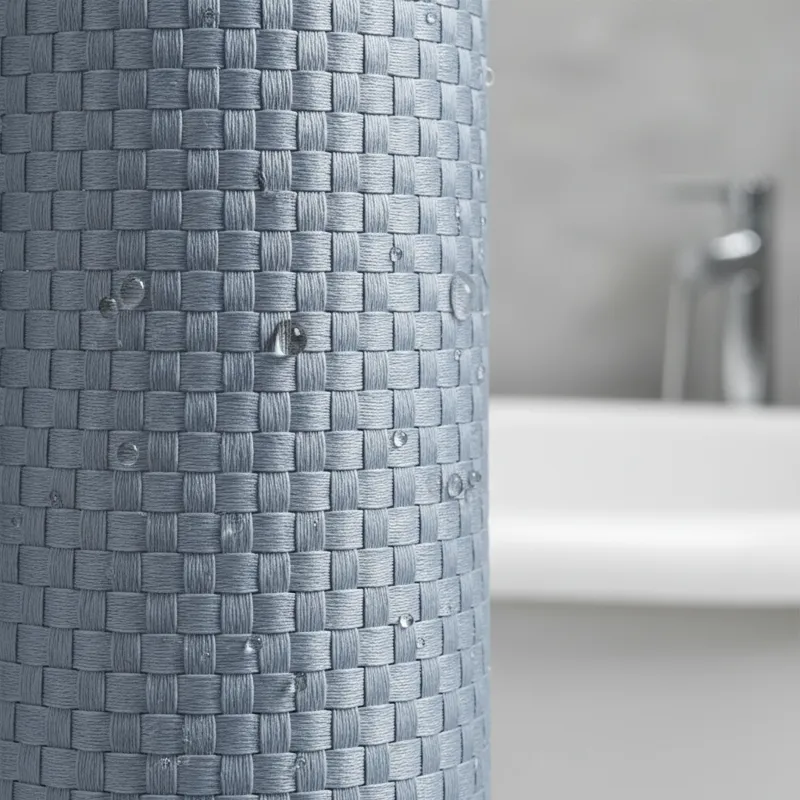
The foundation of any high-performing hotel shower curtain lies in its material composition. Generic plastic or thin cotton simply won’t cut it. For a truly superior experience, you need materials selected for specific properties: water resistance, tensile strength, and ease of maintenance.
High-Quality Polyester
This is the workhorse of the hospitality industry for good reason. High-quality polyester offers an exceptional balance of water resistance and breathability. Unlike cotton, polyester doesn’t absorb water readily, preventing the fabric from becoming heavy and saturated, which is a common precursor to mildew growth. Modern polyester weaves are often treated with a durable water repellent (DWR) finish, causing water to bead up and run off rather than soak in.
Beyond its water-handling capabilities, polyester is remarkably durable, resisting tears and snags that can plague lesser materials. It holds its shape well, even after repeated washing, and is less prone to wrinkling, ensuring that crisp, clean look hotels are known for. Many polyester fabrics are also colorfast, meaning they resist fading even with exposure to steam, sunlight, and cleaning agents.
Vinyl/PEVA Liners (The Unsung Hero)
While the outer decorative curtain catches the eye, the inner liner is the true guardian against water escaping the shower. Hotels almost universally employ heavy-gauge vinyl or PEVA (polyethylene vinyl acetate) liners. PEVA is often preferred for its non-chlorinated, PVC-free composition, making it a more environmentally conscious and less odor-emitting choice, especially important for guest rooms.
These liners are typically thicker than standard residential options, providing a robust barrier. Their smooth, non-porous surface is inherently resistant to water penetration and less hospitable to mildew. Many also feature antimicrobial treatments that actively inhibit the growth of bacteria and fungi, contributing significantly to the sanitary shower liners for accommodations standard.
Blended Fabrics for Aesthetics
While polyester dominates for performance, some higher-end hotel designs might feature an outer decorative curtain made from a polyester-cotton blend. These blends offer a softer hand feel and a more textile-like appearance. However, the critical element remains the separate, high-performance inner liner. The blended outer curtain is primarily for visual appeal, while the liner does the heavy lifting of waterproofing.
Engineered for Performance: Features Beyond Fabric
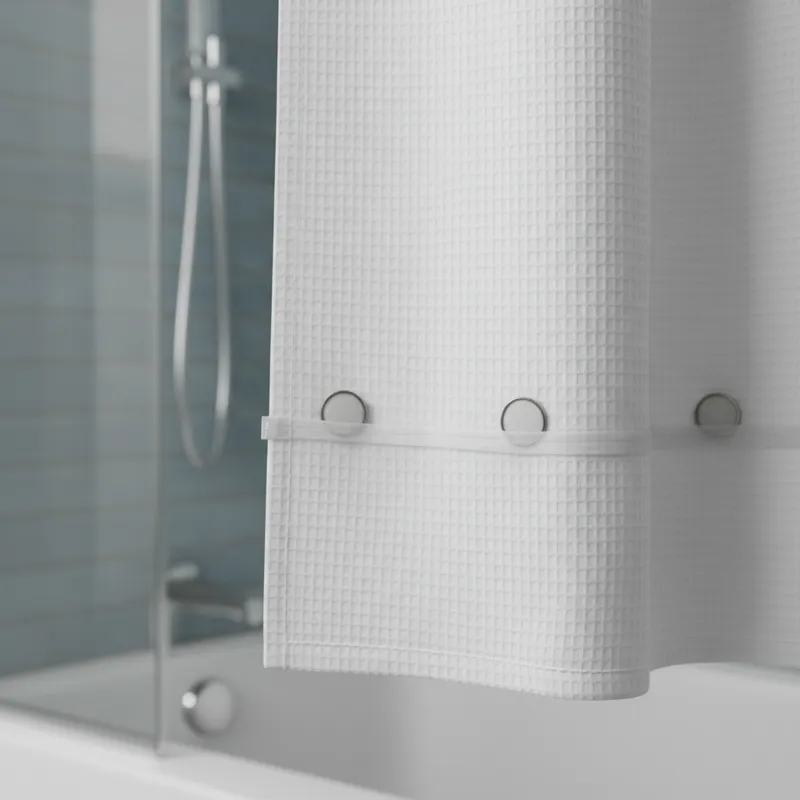
The material is just one piece of the puzzle. The true hotel shower curtain experience comes from a suite of carefully engineered features designed for optimal performance and longevity. These are the subtle details that eliminate frustrations like clinging fabric and water puddles on the bathroom floor.
Weighted Hems
This is arguably the most impactful feature for replicating the hotel experience. Weighted hems are built into the bottom edge of the shower curtain, often with small, discreet magnets or lead weights encased within the fabric. This added mass serves several critical functions. First, it prevents the curtain from billowing inwards and clinging to the bather during the shower, a common annoyance with lightweight curtains.
Second, the weight keeps the curtain taut and flush against the tub or shower pan, significantly reducing the likelihood of water splashing out onto the bathroom floor. This mechanistic approach ensures the curtain stays where it’s supposed to, providing an effective barrier. This often applies to both the decorative curtain and, crucially, the inner liner.
Reinforced Grommets and Rust-Resistant Hooks
Think about the sheer number of times a shower curtain is opened and closed in a busy hotel. The stress on the hanging points is considerable. Commercial shower drapes feature reinforced grommets, often made of durable metal (like brass or stainless steel) or heavy-duty plastic, designed to prevent tearing. These grommets are larger and more robust than those found on typical residential curtains.
Paired with these are rust-resistant hooks, usually made of stainless steel or plastic, which glide smoothly without snagging. This combination ensures the curtain operates effortlessly and maintains its structural integrity over time, resisting the corrosion that can plague standard metal hooks in a high-moisture environment.
Antimicrobial and Mildew-Resistant Treatments
Maintaining hygiene is paramount for accommodations, and hotel shower curtains are engineered with this in mind. Many come with integrated antimicrobial and mildew-resistant treatments. These treatments aren’t just surface-level; they are often woven into the fabric fibers or applied as a permanent finish during manufacturing. They inhibit the growth of common bacteria, mold, and mildew, which thrive in warm, damp environments.
This proactive approach means less frequent deep cleaning and a consistently fresher, more sanitary appearance. While regular cleaning is still necessary, these treatments significantly extend the period before visible mildew or odor becomes an issue.
Fire Retardancy (Commercial Standard)
While less critical for a private residence, it’s worth noting that many commercial shower curtains, especially those for lodging, adhere to strict fire safety standards. They may be treated with fire-resistant chemicals or woven from inherently flame-retardant fibers to meet regulations like NFPA 701. This speaks to the overall safety and regulatory compliance built into hospitality bathroom liners, a level of engineering often exceeding home-use products.
Achieving the Hotel Aesthetic: Style and Design Cues
Beyond the functional aspects, the visual appeal of a hotel bathroom contributes to its allure. The shower curtain plays a significant role in this, and you can easily replicate these design principles at home.
The Classic White & Neutral Palette
Walk into almost any hotel, and you’ll notice a prevalence of white or very light neutral colors (grays, beiges) for their shower curtains. This isn’t accidental. Neutrals convey cleanliness, brightness, and spaciousness. They also offer a versatile backdrop that complements various bathroom finishes and amenities. A white hotel shower curtain instantly feels fresh and hygienic, contributing to that spa-like ambiance.
Pleating and Fullness
Hotel shower curtains rarely look stretched or skimpy. They are generously sized, often wider than a standard residential curtain, allowing for ample pleating and a full, luxurious drape when closed. This extra width prevents the fabric from pulling taut and creates a softer, more elegant appearance. The way the fabric gathers and falls contributes significantly to the sophisticated hotel look.
Double Rod Systems
Many upscale hotels employ a double shower curtain rod system. This allows the functional waterproof liner to hang on the inner rod, while a more decorative, often fabric, outer curtain hangs on the outer rod. This not only offers a visually richer experience but also enhances practicality. The liner can be easily removed for cleaning or replacement without disturbing the decorative curtain. This system elevates the entire presentation, offering both form and function.
Installation Insights: Getting the Hang Just Right
Even the highest quality hotel shower curtain won’t look or perform its best if improperly installed. Attention to detail during installation is key to achieving that polished, functional finish.
Rod Placement and Height
One common mistake in home bathrooms is hanging the shower curtain rod too low. Hotels typically mount their rods higher, often just below the ceiling or crown molding. This creates the illusion of a taller ceiling, making the bathroom feel more spacious and luxurious. Functionally, a higher rod allows for longer curtains, preventing water splash and ensuring a full, dramatic drape. Aim for your rod to be installed approximately 6-12 inches above the standard 72-inch shower curtain height if your ceiling allows.
Proper Sizing
Length: A hotel shower curtain should typically just skim the floor or the lip of the tub by about half an inch. This prevents water from escaping underneath while avoiding puddling and potential mildew growth at the bottom edge. Standard lengths are usually 72 inches, but for higher rods, you’ll need longer options like 84 or 96 inches. Some commercial wholesale hospitality bathroom liners also come in extra-long formats.
Width: To achieve that full, pleated look, your shower curtain should be approximately 1.5 to 2 times the width of your shower opening. For a standard 60-inch tub, a 72-inch wide curtain provides some fullness, but a wider 108-inch or even 180-inch commercial shower drape (often used in walk-in showers or for a very luxurious feel) will create significantly more pleats and a more opulent appearance.
Choosing the Right Hooks
While seemingly minor, the right hooks make a difference. Glide rings, often C-shaped or roller ball designs, allow the curtain to move smoothly and effortlessly across the rod. Avoid flimsy plastic hooks that can break or metal hooks that can rust or stick. The goal is fluid motion every time the curtain is opened or closed.
Maintenance and Longevity: Keeping it Pristine
A key aspect of a hotel shower curtain’s appeal is its enduring freshness. This is achieved through inherent material properties and a consistent maintenance regimen. The good news is that these durable guest room shower fabrics are designed for easy care.
Regular Cleaning Routines
Most quality polyester shower curtains and PEVA liners are machine washable. For the polyester curtain, wash on a gentle cycle with a mild detergent in cool or warm water. Avoid harsh bleach unless specifically stated. Tumble dry on a low setting or, even better, hang to air dry to prevent shrinking and prolong the life of any water-repellent coatings. Many hotels wash their curtains as frequently as towels.
For PEVA liners, a gentle machine wash or hand washing with a mild soap is sufficient. Some prefer to wipe them down regularly with a diluted vinegar solution. Hanging liners back in the shower to air dry after cleaning is crucial for proper ventilation. Just as you’d select a durable polypropylene rug for its resilience and ease of cleaning in high-moisture or high-traffic areas, the material of your shower curtain is paramount for its longevity and maintenance.
Dealing with Mildew
Despite antimicrobial treatments, mildew can eventually form in persistently damp conditions. The best defense is proactive ventilation. Always spread the shower curtain out fully after use, allowing it to dry completely. If mildew spots appear, a solution of white vinegar and water (1:1 ratio) can often tackle it. For stubborn stains on white curtains, a diluted bleach solution (check fabric care instructions first) or oxygen-based bleach can be effective. Prompt treatment prevents spread and deeper staining.
When to Replace
Even the most durable items have a lifespan. For the outer decorative curtain, replacement might be due to fading, irreparable stains, or tears. For the liner, look for signs of permanent mildew staining, tears, or a loss of its water-repellent properties (water no longer beads up effectively). While a high-quality hotel shower curtain can last years with proper care, the liner, being the primary water barrier, often requires more frequent replacement, perhaps annually or bi-annually depending on use and cleaning.
Things People Usually Miss When Upgrading Their Shower Curtain
When trying to recreate that hotel bathroom feel, many homeowners inadvertently overlook critical details that undermine their efforts. These oversights can lead to a less functional, less appealing outcome.
- Underestimating the Liner’s Importance: Focusing solely on the outer decorative curtain and settling for a thin, cheap liner is a common mistake. The liner is your primary defense against water and mildew. Investing in a heavy-gauge, treated PEVA or vinyl liner is non-negotiable for the true hotel experience.
- Skimping on Width: A standard 72-inch wide curtain on a 60-inch tub will often look stretched and lack the luxurious pleating seen in hotels. Adding 12-24 inches to the width, or even opting for two standard curtains, creates the generous fullness that elevates the aesthetic.
- Ignoring the Weighted Hem: This feature is a game-changer for preventing the dreaded “shower curtain cling.” Without it, even a beautiful fabric curtain can become an annoyance, diminishing the overall experience.
- Overlooking Rod Height: Many bathrooms have rods installed at the bare minimum height. Raising the rod, where ceiling height allows, dramatically enhances the perceived spaciousness and elegance of the bathroom, making the curtain a more prominent design element.
- Poor Ventilation: Even the best mildew-resistant curtain needs help. A closed-up bathroom after a hot shower is an incubator for mold. Always leave the curtain extended and the bathroom fan running for at least 15-20 minutes after showering.
- Forgetting Overall Cohesion: The shower curtain isn’t an isolated element. Its impact is amplified when it harmonizes with the rest of the bathroom. Investing in a high-quality hotel shower curtain, much like choosing a thoughtfully designed stair handrail, signifies attention to detail and a commitment to both aesthetics and function in your living space.
Where to Find Quality Hotel Shower Curtains for Your Home
You might think hotel-grade products are exclusively for commercial buyers, but that’s not entirely true in 2026. While hospitality suppliers remain a prime source, many of their products are accessible to the public, either directly or through specialized retailers.
- Hospitality Suppliers: Companies that cater directly to hotels, resorts, and lodging establishments often sell their products in bulk, but many now have divisions or online stores for individual consumers. Search for terms like “wholesale hospitality bathroom liners,” “commercial shower drapes,” or “guest room shower fabric.” These sources guarantee the durable, fire resistant shower solutions and sanitary standards you’re seeking.
- Specialty Home Goods Retailers: Certain high-end or design-focused home goods stores recognize the demand for hotel-quality items. They often stock shower curtains with features like weighted hems, reinforced grommets, and premium polyester fabrics. Read product descriptions carefully, looking for those specific attributes.
- Online Marketplaces: Large online retailers have a vast selection. Filtering by “commercial grade,” “weighted hem,” “mildew resistant,” or “extra long shower curtain” will help you narrow down options to those that mimic hotel quality. Always check reviews for consistent positive feedback on durability and performance.
When purchasing, prioritize specific features over brand names alone. Look for descriptions that explicitly mention heavyweight fabric (e.g., 200 GSM polyester), weighted hems, and antimicrobial treatments. These details are a stronger indicator of quality than marketing jargon. Beyond aesthetics, the practical benefits of a well-chosen shower curtain mirror other essential home features, like effective window well covers that safeguard your foundation from water intrusion.
People Also Ask (FAQ)
How often should you clean a hotel shower curtain?
For optimal hygiene and appearance, the decorative outer curtain should be cleaned every 2-4 weeks, or more frequently if it sees heavy use or visible soiling. The inner liner, being the primary moisture barrier, benefits from a weekly quick wipe-down with a cleaner and a full machine wash monthly, depending on visible mildew or soap scum buildup. Hotels often cycle through multiple curtains for each room to maintain rigorous cleaning schedules.
Can you use a hotel shower curtain without a liner?
While some specialized waterproof shower curtains for lodging are designed as single-panel solutions with highly effective DWR coatings, most hotel shower curtains are intended to be used with a separate, heavy-duty liner. The liner provides the primary waterproof barrier, protecting the outer decorative fabric and prolonging its life. For best results and to prevent water leakage, using a dedicated liner is highly recommended.
What are hotel shower curtains made of?
The outer decorative hotel shower curtain is most commonly made from high-quality, dense weave polyester, often with water-repellent treatments. The inner liner, which provides the primary waterproof barrier, is typically made from heavy-gauge PEVA (polyethylene vinyl acetate) or vinyl, often with antimicrobial properties.
Why do hotel shower curtains not get moldy?
Hotel shower curtains resist mold due to a combination of factors: they are often made from mildew-resistant polyester or PEVA, many are treated with antimicrobial finishes, they are generously sized to allow for proper drying and airflow, and critically, they are part of a stringent cleaning and replacement schedule that ensures they are regularly washed and aired out, preventing mold and mildew from establishing themselves.
What is the standard size of a hotel shower curtain?
While standard residential shower curtains are typically 72×72 inches, many hotel shower curtains are wider and sometimes longer to accommodate higher rods and create a fuller drape. Common commercial widths can range from 72 inches up to 108 or 180 inches for larger showers. Lengths vary, with 72, 84, and 96 inches being common to allow for higher rod placement and a floor-skimming fit. Check a supplier like those catering to the hospitality industry for detailed specifications.
Transform Your Bathroom with These Stunning Power Pieces
The hotel shower curtain is more than just a functional item; it’s a power piece that subtly dictates the feel and performance of your bathroom. By understanding the mechanistic principles behind their durability, hygiene, and aesthetic appeal, you can confidently select products that elevate your home bathroom from merely functional to genuinely luxurious. Investing in these details isn’t an indulgence; it’s a practical decision that delivers a consistently clean, sophisticated, and enjoyable showering experience. In 2026, recreating that hotel vibe is entirely within reach, starting with the right curtain.