
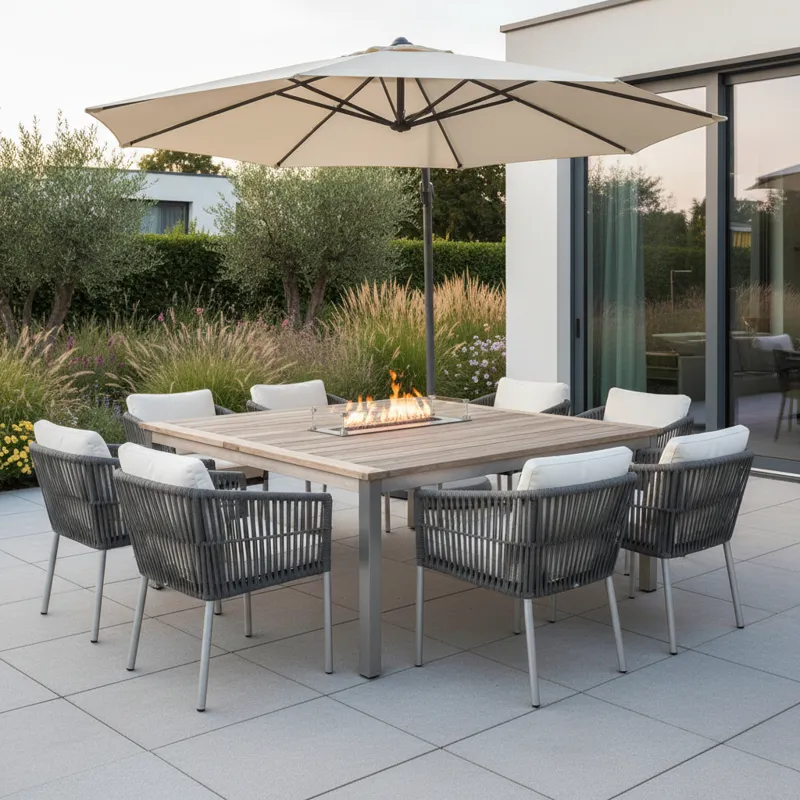
When you picture an inviting outdoor space, chances are a comfortable dining area comes to mind. A well-chosen patio set is the cornerstone of this vision, and for many homeowners, a rectangular patio set emerges as the practical, versatile, and stylish choice. These sets anchor outdoor living areas, offering ample seating for meals, entertaining, or even just a casual morning coffee. They efficiently use space, provide clear lines, and adapt to a multitude of design aesthetics, making them a consistent favorite in backyards and on decks across the United States. Choosing the right one, however, involves more than just picking a design you like; it demands a clear understanding of your space, material durability, and long-term maintenance.
Understanding Your Space: The Foundation of a Rectangular Patio Set Choice
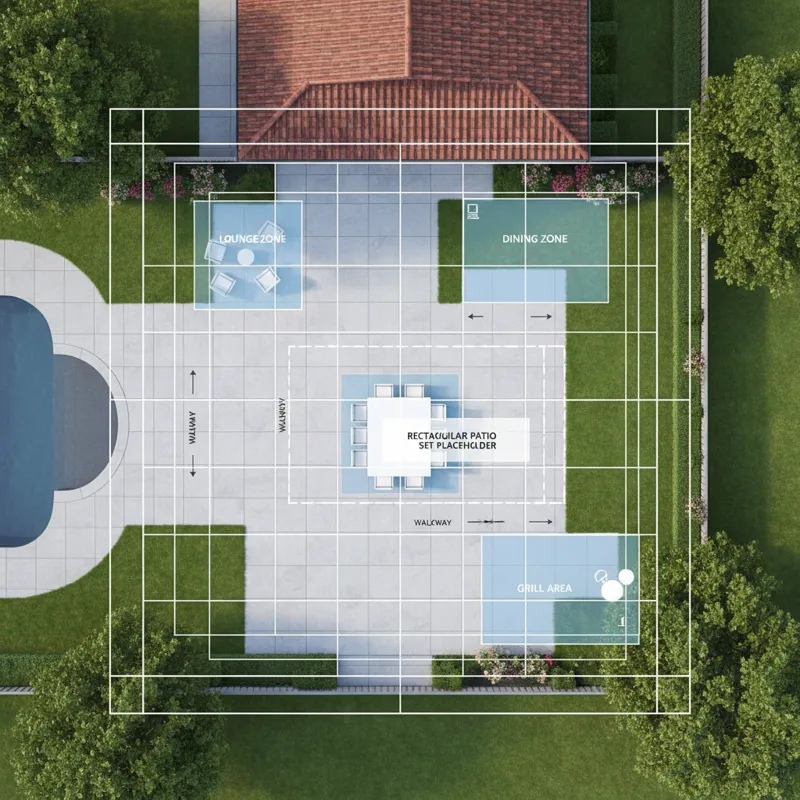
Before you even begin to browse designs or materials, a precise understanding of your available outdoor space is paramount. A rectangular patio set, by its nature, excels at maximizing seating capacity and creating a defined gathering zone. But its effectiveness hinges entirely on how well it fits its environment.
Start by measuring your patio, deck, or designated outdoor area. You need not just the length and width of the area itself, but also to consider the crucial buffer zones around where your table and chairs will sit. A common oversight is failing to account for chairs being pulled out and people walking around the set. For comfortable use, allow at least 30-36 inches of clearance from the edge of the table to any wall, railing, or other obstruction. This isn’t just about fitting the chairs; it’s about allowing people to get up, sit down, and move freely without bumping into things or feeling cramped.
Consider your traffic patterns. Will people need to walk past the patio set to get to another part of the yard, a grill, or a pool? If so, ensure those pathways remain clear. A rectangular set, with its often longer profile, needs thoughtful placement to avoid blocking essential routes. In contrast, while a large round dining table set might offer more fluid traffic flow in certain layouts, a rectangular design often provides a more efficient use of space along a house wall or within a long, narrow deck. Think about how many people you typically host and how much space each person truly needs to dine comfortably. Overcrowding your space, even with a beautiful set, can quickly make it feel less inviting.
The Appeal of Rectangular Patio Sets: Why This Shape Dominates

Rectangular patio sets consistently rank as a top choice for outdoor dining and entertaining, and for good reason. Their fundamental geometry offers a range of practical advantages that other shapes simply can’t match in many common outdoor layouts.
First, they maximize seating. A rectangular table inherently allows for more chairs along its longer sides compared to a round or square table of similar overall footprint. This is particularly beneficial for larger families or those who frequently host guests. You can comfortably seat six, eight, or even ten people, depending on the table’s length, without feeling like anyone is awkwardly tucked into a corner. This makes them ideal for formal outdoor dining or large gatherings where everyone needs a place at the table.
Beyond pure capacity, rectangular sets are incredibly versatile. They facilitate conversation across the table in a more traditional dining setup, making it easy for guests to interact. The flat, expansive surface also lends itself well to spreading out food, drinks, board games, or even a laptop if you’re taking your work outdoors. Their linear form fits naturally against architectural elements like house walls, pergolas, or fence lines, making them an excellent choice for optimizing space on long decks or patios. This linearity creates a sense of order and structure, often complementing the existing lines of your home.
Aesthetically, a rectangular patio set provides a strong visual anchor for your outdoor living area. It defines the dining zone clearly and can make a patio feel more structured and intentional. Many modern and traditional home designs feature linear architectural elements, and a rectangular set often aligns perfectly with these, enhancing the overall flow and coherence of your outdoor decor. This shape simply works.
Core Materials for Your 2026 Rectangular Patio Set: Durability Meets Design
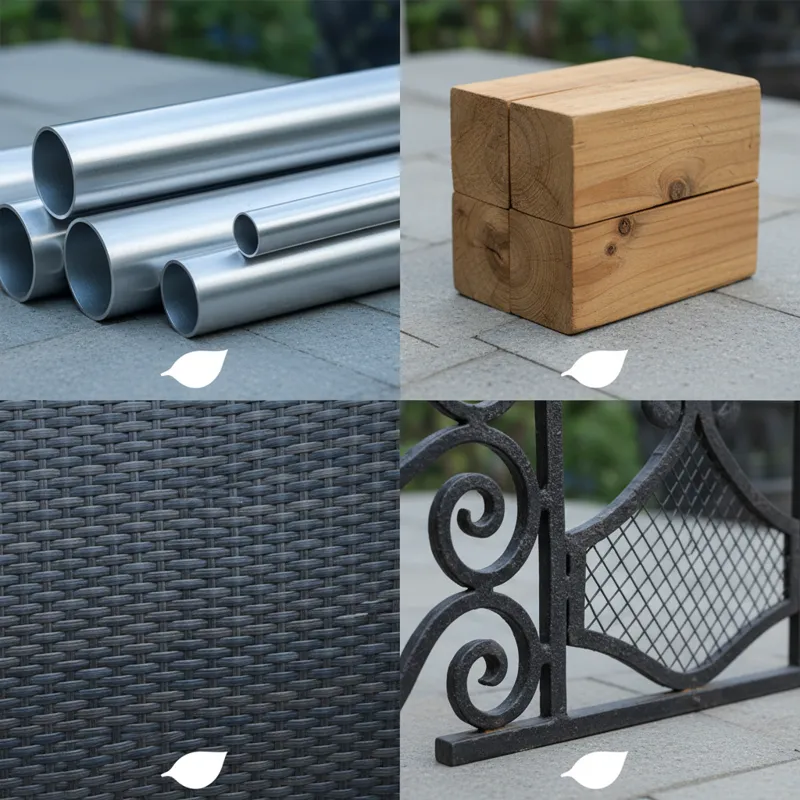
The material chosen for your rectangular patio set dictates its durability, maintenance requirements, aesthetic appeal, and ultimately, its longevity in the elements. In 2026, manufacturers continue to innovate, but the core materials remain tried and true, each with distinct characteristics.
Aluminum: Lightweight, Modern, and Rust-Resistant
Aluminum is a perennial favorite for outdoor furniture due to its inherent resistance to rust and corrosion. It’s remarkably lightweight, making it easy to rearrange your patio layout or move pieces for cleaning or storage. Powder-coated aluminum, the most common finish, provides an extra layer of protection against scratches and fading, and comes in a vast array of colors. It’s ideal for contemporary and minimalist designs, often featuring clean lines and a sleek profile. While durable, very strong winds can move lighter aluminum pieces, so consider heavier options or securing methods in exposed areas.
Wrought Iron: Classic Elegance with Robust Strength
For those who appreciate timeless design and substantial weight, wrought iron remains a strong contender. It’s incredibly heavy, providing exceptional stability even in high winds, and its intricate scrollwork often lends a classic, ornate elegance to a patio. However, wrought iron requires consistent maintenance. It’s susceptible to rust if its protective powder coat is chipped or compromised. Regular cleaning, occasional touch-ups, and annual waxing can significantly extend its life and preserve its appearance.
Steel: Strong, Affordable, but Prone to Rust
Steel offers significant strength and is often more affordable than aluminum or wrought iron. It can support heavy loads and withstand considerable stress. However, steel’s primary drawback for outdoor use is its susceptibility to rust. Even powder-coated steel can rust if the finish is compromised, allowing moisture to reach the metal. If choosing steel, ensure it has a robust, multi-layer protective coating and be prepared for more diligent rust prevention and repair. Stainless steel is an alternative that offers superior rust resistance but comes at a higher price point.
Teak Wood: The Gold Standard for Natural Beauty and Weather Resistance
Teak is widely considered the premium choice for outdoor wood furniture. Its high oil content and dense grain make it naturally resistant to rot, pests, and the harshest weather conditions without any treatment. Over time, teak weathers to a beautiful, silvery-gray patina. If you prefer to maintain its original warm honey-brown color, regular oiling is necessary. While the initial investment for a teak patio set can be substantial, its exceptional durability and minimal maintenance (if you embrace the patina) often make it a worthwhile long-term investment. The natural aesthetic of teak effortlessly blends into various landscapes.
Other Woods (Eucalyptus, Acacia): Value-Oriented Alternatives
For a more budget-friendly wood option, eucalyptus and acacia woods are popular. They offer good durability when properly treated and maintained. Both are relatively dense and can withstand outdoor conditions reasonably well, but they don’t possess the inherent weather resistance of teak. These woods typically require regular oiling or sealing to prevent drying, cracking, and fading. Expect to reapply protective treatments annually, especially in harsh climates.
Wicker/Rattan (Synthetic HDPE): All-Weather Comfort and Diverse Styles
Modern outdoor wicker is almost exclusively made from synthetic high-density polyethylene (HDPE), a durable, weather-resistant plastic woven over an aluminum or steel frame. Unlike natural rattan, HDPE wicker won’t crack, rot, or fade significantly in the sun. It’s comfortable, relatively lightweight, and comes in a vast range of weaves and colors, mimicking everything from traditional rattan to contemporary flat weaves. It often includes plush cushions, which are a separate material consideration (more on that below). This material is excellent for creating a relaxed, resort-like feel and offers tremendous design flexibility.
Recycled Materials & Composites: The Eco-Conscious Trend
As environmental awareness grows, patio sets made from recycled plastics (like milk jugs) or composite materials are gaining traction. These materials are incredibly durable, require virtually no maintenance, and are impervious to rot, insects, and extreme weather. They often mimic the look of wood but without the upkeep. While still a niche compared to traditional materials, their eco-friendly profile and extreme longevity make them an increasingly attractive option for the environmentally conscious buyer.
Tabletop Materials: More Than Just the Surface
The tabletop material also plays a crucial role.
- Glass: Often tempered safety glass, easy to clean but can show fingerprints and scratches, and can intensify sun for plants beneath.
- Ceramic/Porcelain Tile: Durable, heat-resistant, easy to clean, and offers a vast range of patterns and colors. Can be heavy.
- Stone (Granite, Slate): Luxurious, extremely durable, and weather-resistant, but very heavy and can be costly. Requires sealing.
- Wood: As discussed above, teak or other hardwoods offer natural beauty but require specific care.
- Metal: Often aluminum or steel, durable, but can get hot in direct sun and may scratch.
Consider both aesthetics and practicality when selecting your tabletop. For example, a round glass dining room table brings a light, airy feel, but for a rectangular patio set, a ceramic or composite top might offer more robust durability for frequent outdoor dining.
Seating Configurations and Comfort Considerations
A patio set is only as good as its comfort. When selecting a rectangular patio set, the seating configuration and the quality of the cushions are just as critical as the frame material itself.
Standard Dining Chairs
Most rectangular patio sets come with individual dining chairs. Look for chairs that offer good back support and armrests for prolonged comfort. The width of the chairs is important not just for physical comfort but also for how many can genuinely fit around your chosen table. Always measure the chair width and factor in elbow room when calculating capacity.
Benches: Maximizing Seating and Modern Aesthetics
Benches are an increasingly popular addition to rectangular patio sets. They can significantly increase seating capacity, as people can often squeeze a bit closer on a bench than in individual chairs. Aesthetically, benches can provide a more casual, communal feel and often contribute to a sleek, modern or farmhouse look. However, benches don’t offer individual back support or armrests, which might be a comfort compromise for some. Consider a set with benches on the long sides and chairs at the ends for a balanced approach.
Swivel Chairs and Armchairs
Some premium rectangular patio sets might include swivel chairs or more generous armchairs. Swivel chairs add a dynamic element, allowing guests to easily turn and engage with different parts of the outdoor space. Armchairs generally offer greater comfort but take up more space, which can limit overall seating capacity.
Cushion Materials and Fabric: The Unsung Heroes of Comfort
The cushions are where comfort truly lies. Outdoor cushions need to be durable, weather-resistant, and comfortable.
- Foam Core: High-density foam provides good support and longevity. Look for foam wrapped in Dacron or similar batting to prevent moisture retention and help maintain shape.
- Fabric: This is critical for weathering the elements.
- Sunbrella: Widely regarded as the industry leader, Sunbrella fabric is made from solution-dyed acrylic, meaning the color goes all the way through the fiber. This makes it incredibly fade-resistant, water-resistant, and resistant to mildew. It’s a premium choice that offers excellent longevity.
- Olefin: A more budget-friendly alternative to Sunbrella, Olefin (or polypropylene) fabric is also solution-dyed and offers good fade and mildew resistance. While not quite as durable or fade-resistant as Sunbrella over many years, it’s a very capable choice for most climates.
- Polyester: Often found on entry-level sets, polyester fabrics can be treated for water resistance and UV protection, but they generally fade more quickly and are less durable than Sunbrella or Olefin.
- Drainage: Good outdoor cushions should have vents or porous bottoms to allow water to escape and air to circulate, preventing mildew and extending cushion life.
Remember that even the best outdoor cushions will benefit from being stored indoors or covered during prolonged periods of rain or harsh sun.
Styles and Aesthetics: Matching Your Outdoor Decor
Your rectangular patio set should complement your home’s architectural style and existing outdoor decor, creating a cohesive and inviting extension of your living space. The right style makes a huge difference in how your outdoor area feels and functions.
Modern/Contemporary
Characterized by clean lines, geometric shapes, and often minimalist designs. Materials like powder-coated aluminum, stainless steel, and synthetic wicker with flat weaves are common. Color palettes typically lean towards grays, whites, blacks, and muted tones. This style works well with modern homes or to create a sleek, sophisticated outdoor lounge.
Farmhouse/Rustic
Embraces natural textures, warm tones, and a relaxed, lived-in feel. Teak, acacia, or eucalyptus wood sets, often with distressed finishes, are central. Benches are a popular seating option. Look for natural wicker textures and comfortable, often light-colored, cushions. This style pairs beautifully with traditional or country-style homes.
Traditional/Classic
Often features ornate details, scrolled patterns, and a more formal aesthetic. Wrought iron, cast aluminum with decorative elements, and richly stained woods are common. Cushions might feature classic patterns or deeper, more conventional colors. This style suits homes with a more classical or historical architectural bent.
Bohemian/Eclectic
A more free-spirited style, often mixing materials, colors, and patterns. Synthetic rattan, colorful cushions, and playful accessories are key. This style allows for personal expression and can inject a vibrant, artistic energy into your outdoor space.
Minimalist
Focuses on simplicity, functionality, and uncluttered spaces. Often features a limited color palette, stark lines, and emphasizes the quality of materials over excessive ornamentation. It’s about doing more with less, creating a serene and understated elegance.
When considering color palettes and finishes, think about how they interact with your home’s exterior, existing landscaping, and any other outdoor furniture or decor. A cohesive look often involves echoing colors or material textures already present.
What Most People Overlook When Buying a Rectangular Patio Set
Even the most thorough buyers can miss a few critical details when selecting a patio set. These often lead to small frustrations that diminish the overall enjoyment of your outdoor space.
Insufficient Clearance Around the Table
As mentioned earlier, people often forget to factor in the space needed for chairs to be pulled out. An attractive 8-seater rectangular patio set can become frustrating if chairs constantly bump into a wall or each other. Always add 30-36 inches (or even more if you want extra comfort) to the table’s dimensions on all sides to determine the true footprint required. This is especially vital for a 36 inch round dining set or any compact setup where space is at a premium.
Underestimating Sun and Weather Exposure
While outdoor furniture is designed for the elements, constant, direct exposure to intense sun, relentless rain, or harsh winters will prematurely age any material. Most people forget to assess the exact sun path over their patio throughout the day and year. A material that fares well in partial shade might rapidly fade or degrade in full, all-day sun. Consider umbrella options or covers from the outset. The U. S. Consumer Product Safety Commission (CPSC) offers broad outdoor safety guidance, which indirectly emphasizes durability for long-term use.
The Weight of the Furniture
While lightweight aluminum is easy to move, it can also be susceptible to strong winds. Conversely, a heavy wrought iron or stone-topped set is incredibly stable but a nightmare to reposition for cleaning or off-season storage. Think about your local climate (windy? hurricane-prone?), your own physical ability, and whether you’ll need to move the furniture regularly.
Lack of Storage Options
Where will the cushions go when it rains? What about the entire set during winter? Many people invest in a beautiful patio set but then leave it exposed, shortening its lifespan. Integrated storage solutions like deck boxes or dedicated shed space should be part of your outdoor furniture plan. If storing cushions inside is impractical, look for water-resistant storage boxes or high-quality, breathable furniture covers.
Overlooking Assembly Requirements and Hardware Quality
Many patio sets arrive flat-packed, requiring assembly. While most are straightforward, poor-quality hardware (bolts, washers) or vague instructions can turn assembly into a frustrating ordeal. Always check reviews specifically mentioning assembly difficulty and hardware quality. Rust-resistant hardware is a must for any outdoor set. Inferior hardware can lead to structural instability or unsightly rust streaks within months.
Ignoring Warranty and Customer Service
A good warranty indicates a manufacturer’s confidence in their product. Understand what the warranty covers (frame, finish, cushions) and for how long. Research the company’s reputation for customer service. If a part breaks or a cushion fails, you want to know you can get support. This is a significant investment, treat it like one.
Investing in Longevity: Maintenance and Care for Your Patio Set
Proper maintenance is the single most effective way to protect your investment and ensure your rectangular patio set looks great and performs well for many years. Each material has specific needs, but some general principles apply.
Cleaning Routines for Different Materials
- Aluminum & Steel: A simple wash with mild soap and water, followed by a thorough rinse, is usually sufficient. Avoid abrasive cleaners or harsh brushes that can damage powder coatings.
- Wrought Iron: Clean with mild soap and water. Inspect regularly for chips or scratches in the paint. Touch up immediately with rust-inhibiting paint to prevent corrosion. Applying a clear car wax annually can also add a protective layer.
- Teak Wood: For a natural gray patina, occasional cleaning with a soft brush and mild soap (or specialized teak cleaner) and water is all that’s needed. To maintain the honey-brown color, sand lightly and apply a teak sealer or oil every 6-12 months. Avoid pressure washers, as they can damage the wood fibers.
- Synthetic Wicker (HDPE): Easy to clean with mild soap and water. A soft brush can help get into the weave. Rinse thoroughly. Avoid harsh chemicals that can degrade the plastic.
- Cushions: Spot clean spills immediately. For deeper cleaning, follow manufacturer instructions, often involving a mild soap solution and rinsing. Ensure cushions dry completely before storage to prevent mildew. For brands like Sunbrella, you can even use a bleach solution for tough stains, but always check the specific care guide.
Protective Covers
High-quality furniture covers are indispensable. Look for covers made from breathable, water-resistant material that fit snugly. Breathability is key to preventing moisture and mildew from forming underneath. Covers protect against sun, rain, dust, and debris, significantly extending the life of your furniture and cushions.
Winter Storage
In regions with harsh winters, storing your patio set (or at least the cushions) indoors is highly recommended. If indoor storage isn’t possible, ensure the set is thoroughly cleaned, dried, and covered with a robust, weather-appropriate cover. Elevate legs slightly to prevent moisture trapping. For items like a round table with chairs, bringing the chairs indoors might be simpler than covering the entire set.
Repairing Common Issues
Address small issues before they become big problems. Tighten loose bolts, touch up paint chips on metal frames, and repair small tears in wicker weaves with appropriate adhesives. Timely intervention can save you from needing to replace entire pieces.
Accessories That Elevate Your Rectangular Patio Experience
A great rectangular patio set is more than just a table and chairs; it’s a canvas for creating an inviting outdoor living room. Thoughtful accessories can transform your space, adding comfort, ambiance, and functionality.
Umbrellas: Essential for Shade and Style
Given that rectangular tables are often quite long, a single center-pole umbrella might not provide sufficient shade for everyone. Consider a double-vented rectangular umbrella specifically designed for this shape, or even two smaller market umbrellas. Cantilever umbrellas (offset pole) are another excellent option, offering expansive shade without a pole obstructing the tabletop. They’re particularly good if your table doesn’t have an umbrella hole. Choose fade-resistant fabrics like Sunbrella for longevity.
Outdoor Rugs: Defining the Space
An outdoor rug can dramatically define your dining area, adding warmth, texture, and a pop of color. It helps anchor the rectangular patio set visually and can make the space feel more like an extension of your indoor living. Look for rugs made from polypropylene or other weather-resistant synthetic fibers that are easy to clean and quick to dry.
Lighting: Setting the Mood
Outdoor lighting extends the usability of your patio into the evening. String lights draped overhead create a festive and cozy atmosphere. Solar-powered lanterns placed on the table or around the perimeter add ambient glow. Consider recessed lighting in pergolas or uplighting for nearby plants to enhance the overall ambiance. For more intimate dining, flameless LED candles or hurricane lamps can be placed on the tabletop.
Serving Carts and Side Tables
These practical additions provide extra surface area for serving food, holding drinks, or simply keeping essentials close at hand. A sturdy outdoor serving cart can ferry dishes from the kitchen to the patio, reducing trips and enhancing convenience, especially with a larger rectangular setup.
Heating Solutions: Extending the Season
In cooler climates, patio heaters or fire pit tables can significantly extend your outdoor season. A rectangular fire pit table, integrated into or placed adjacent to your patio set, becomes a focal point for warmth and conversation. Overhead patio heaters or freestanding models ensure comfort on chilly evenings, allowing you to enjoy your rectangular patio set almost year-round. Forbes Home frequently reviews the latest in patio heating technology, offering insights into efficiency and safety.
Sustainability and Ethical Choices in 2026
As consumer awareness of environmental impact grows, so does the demand for sustainable and ethically produced outdoor furniture. In 2026, making conscious choices about your rectangular patio set contributes not only to your outdoor living but also to global well-being.
FSC-Certified Wood
If you choose a wooden patio set, look for the Forest Stewardship Council (FSC) certification. This label ensures that the wood comes from responsibly managed forests, promoting ecological health and supporting local communities. This is particularly important for woods like teak, which can be harvested unsustainably.
Recycled Plastics and Metals
Opting for patio sets made from recycled plastics (HDPE) or reclaimed metals reduces waste and the demand for virgin resources. These materials are often incredibly durable and require minimal maintenance, further contributing to a sustainable lifecycle. Their longevity means less frequent replacement, reducing overall consumption.
Durability as a Sustainable Choice
Perhaps the most fundamental sustainable choice is to invest in quality and durability. A patio set that lasts 10-15 years, even if it has a higher upfront cost, is inherently more sustainable than one that needs replacing every 2-3 years. Longevity reduces manufacturing, transportation, and waste over time. Look for robust construction, high-quality materials, and reputable brands that stand behind their products. This aligns with the principles of the circular economy, where products are designed to last and be repaired, rather than quickly discarded.
Finding the Right Fit: Budgeting for Your Rectangular Patio Set
Budgeting for a rectangular patio set involves more than just the initial sticker price; it’s about understanding value, longevity, and what you genuinely need. Prices can vary dramatically based on materials, size, brand, and design complexity.
Price Ranges for Different Materials and Sizes
- Entry-Level ($500 – $1,500): You’ll typically find smaller steel or aluminum sets, often with polyester cushions. These are good for occasional use or for those on a tighter budget. Expect a shorter lifespan and potentially more maintenance.
- Mid-Range ($1,500 – $4,000): This segment offers a wider variety of options, including larger aluminum or synthetic wicker sets, often with Olefin or lower-end Sunbrella cushions. You might also find acacia or eucalyptus wood sets. These provide a good balance of durability and style for most homeowners.
- Premium ($4,000+): Here you’ll find high-end teak, wrought iron, or large, robust aluminum/HDPE wicker sets, often with full Sunbrella cushions and advanced features like integrated fire pits. These sets are built for exceptional durability, minimal maintenance, and luxurious aesthetics, representing a long-term investment.
Value vs. Upfront Cost
Don’t just look at the cheapest option. A $700 patio set that needs replacing every three years could end up costing more than a $3,000 teak set that lasts for 15-20 years. Consider the “cost per year” of ownership. High-quality materials and construction pay dividends in longevity and reduced maintenance headaches.
When to Splurge, When to Save
- Splurge on: Core structural materials (teak, high-grade aluminum, quality synthetic wicker), and premium cushion fabrics (Sunbrella). These components are the most expensive to replace and most critical for comfort and durability.
- Save on: Accessories like outdoor rugs (which might need replacing more frequently due to wear and tear) or decorative lighting, which can often be updated seasonally without a major investment. If your usage is very light (e.g., a vacation home used only a few weeks a year), a mid-range set might suffice where a premium one would be overkill.
Remember, a rectangular patio set isn’t just outdoor furniture; it’s an extension of your home and a central hub for countless memories. Thoughtful planning and informed choices ensure it serves you well for years to come.
FAQs About Rectangular Patio Sets
How much space do I need for a rectangular patio set?
You generally need the table’s dimensions plus at least 30-36 inches of clearance on all four sides for chairs to be pulled out and for comfortable movement. So, for a 72-inch long, 40-inch wide table, you’d ideally need a space roughly 132 inches (11 feet) long and 100 inches (8.3 feet) wide.
What’s the best material for an all-weather rectangular patio set?
Teak wood (known for natural resistance to rot and pests) and powder-coated aluminum combined with high-density polyethylene (HDPE) synthetic wicker are generally considered the best all-weather options. They offer excellent durability and resistance to UV, rain, and temperature fluctuations with minimal maintenance.
Can I mix and match pieces for my rectangular patio set?
Absolutely. Mixing and matching is a great way to personalize your space. You can pair a metal table with wicker chairs, or add a bench to one side of a wooden table. Just ensure the heights are compatible and the styles create a cohesive look.
How many people can a rectangular patio set typically seat?
A standard rectangular patio set can typically seat anywhere from 4 to 10+ people, depending on its length.
- Small (60-72 inches long): Seats 4-6 people.
- Medium (72-96 inches long): Seats 6-8 people.
- Large (96+ inches long): Seats 8-10+ people.
Adding benches instead of individual chairs can sometimes increase capacity further.
Are rectangular patio sets hard to assemble?
Assembly difficulty varies significantly by manufacturer and design. Many sets come with clear instructions and all necessary hardware, making assembly manageable for one or two people with basic tools. However, some larger or more intricate sets can be challenging. Always check product reviews for comments on assembly before purchasing.


