Your home’s plumbing system is a complex network, and arguably, its most critical component remains largely out of sight and out of mind: the main sewer line. This underground conduit carries all wastewater away from your property to the municipal sewer system or a septic tank. Because it’s buried, issues often go undetected until they escalate into major, costly problems. A professional sewer inspection isn’t just a precautionary measure; it’s a fundamental aspect of proactive home maintenance that can safeguard your property, health, and finances.
Why a Sewer Inspection Matters More Than You Think

The phrase “out of sight, out of mind” perfectly describes how many homeowners approach their sewer lines. While you might routinely clear a clogged sink, the extensive system connecting all your drains to the city’s main sewer often gets overlooked. This oversight can be incredibly risky. Think about the sheer volume of water and waste that flows through your sewer line daily. Over years, this constant flow, combined with environmental factors, can take a significant toll. Tree roots relentlessly seek moisture and nutrients, often infiltrating tiny cracks. Ground shifts, aging materials, and even improper installation can lead to pipe deterioration, blockages, or collapses. When these issues arise, they don’t just cause slow drains; they can lead to raw sewage backups into your home, extensive property damage, and potentially serious health hazards from contaminated water. The costs of emergency repairs for a collapsed or severely blocked sewer line can run into the tens of thousands of dollars, making a preventative sewer inspection a sound financial decision. It’s an investment in understanding your home’s unseen infrastructure, much like checking the foundation or roof.
When Should You Get a Sewer Inspection?
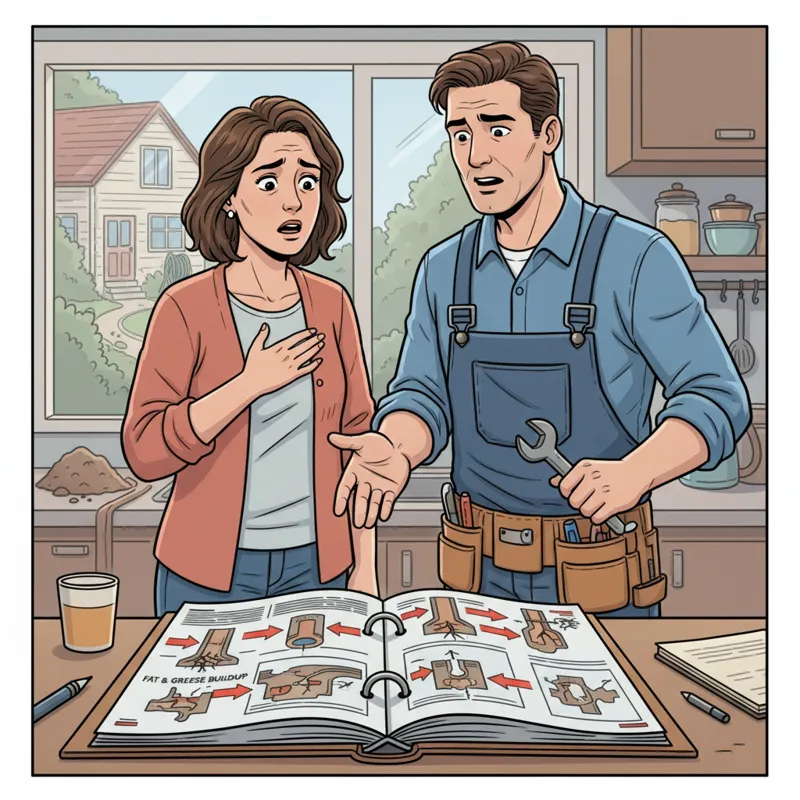
Knowing when to schedule a sewer inspection can be just as important as knowing why. Certain situations make these inspections particularly critical, providing peace of mind or catching problems before they spiral.
Pre-Purchase Home Inspection
When you’re buying a home, especially an older one, a sewer inspection is non-negotiable. Standard home inspections often don’t cover the sewer line because it’s underground. Discovering a major sewer issue after closing can turn your dream home into a financial nightmare. A pre-purchase sewer camera survey can uncover hidden defects that might allow you to negotiate repairs with the seller or walk away from a bad deal. This due diligence saves buyers significant stress and potential out-of-pocket expenses.
Recurring Drain Problems
Are you constantly dealing with slow drains, gurgling noises from your toilets, or frequent backups in multiple fixtures? These aren’t just minor annoyances; they’re strong indicators of a deeper problem within your main sewer line. While a localized clog can be simple to clear, recurring issues suggest a persistent obstruction or structural damage that only a drain camera survey can properly diagnose.
Older Homes & Mature Trees
If your home was built before the 1980s, it likely has sewer pipes made of cast iron, clay, or even Orangeburg pipe, materials known for deteriorating over time. Cast iron corrodes, clay pipes are prone to root intrusion and shifting, and Orangeburg pipes can delaminate and collapse. Couple this with mature trees on your property or your neighbor’s, and the risk of root infiltration skyrockets. Tree roots are a primary culprit for sewer line damage, seeking out moisture from small pipe leaks and growing into the line, creating blockages and structural damage.
Post-Repair Verification
After a major sewer line repair or replacement, it’s wise to request a follow-up sewer inspection. This ensures the work was done correctly, the pipe is free of debris, and no new issues were inadvertently created. It provides accountability for the plumbing company and confidence for you.
Renovations or Landscaping Projects
Planning a major renovation, adding an extension, or doing extensive landscaping? Knowing the exact location and condition of your sewer line can prevent costly accidents. Digging blindly can easily damage underground pipes, leading to immediate leaks and expensive emergency repairs. A residential drain scoping before you break ground provides essential data.
The Mechanics of a Modern Sewer Inspection (How It Works)

Understanding the process of a sewer inspection demystifies it. This isn’t guesswork; it’s a precise, diagnostic procedure using specialized equipment. A modern sewer inspection typically involves a high-resolution camera system designed to navigate the twists and turns of your underground pipes.
The Camera System
A professional technician inserts a flexible rod with a waterproof, high-resolution camera attached to its end into your sewer line. This entry point is usually a cleanout located in your yard, basement, or sometimes even through a toilet drain. The camera is equipped with powerful LED lights, illuminating the pipe’s interior, allowing for clear visibility even in dark, dirty conditions.
Real-Time Diagnostics
As the camera travels through the sewer line, it transmits a live video feed to a monitor visible to the technician. This allows them to observe the pipe’s condition in real-time, identifying any issues like cracks, blockages, root intrusion, or sagging sections. The technician can accurately assess the severity and location of any problems. They can even navigate around common household items like a double sink vanity top’s drain connection, ensuring the camera reaches the main line.
Locating & Recording
Many advanced sewer cameras also include a built-in sonde (a radio transmitter). This device emits a signal that a locator tool, held above ground by the technician, can detect. This allows the professional to pinpoint the exact depth and location of any identified problem area from above ground, marking it for potential excavation or trenchless repair. The entire inspection is typically recorded, providing you with a detailed visual record of your sewer line’s condition.
What a Sewer Inspection Can Reveal (Common Hidden Dangers)
The true value of a sewer inspection lies in its ability to uncover problems that would otherwise remain hidden until they cause significant damage. These insights are crucial for proactive property protection.
Tree Root Intrusion
This is one of the most common and destructive issues. Tree roots are drawn to the moisture and nutrients inside sewer pipes. They can exploit the tiniest crack or loose joint, growing into a dense mass that obstructs flow and eventually cracks or crushes the pipe. The camera clearly shows these fibrous invaders, allowing for targeted root removal or pipe repair.
Cracks, Fractures, and Collapsed Pipes
Pipes can crack due to shifting ground, heavy vehicle traffic above, seismic activity, or simply age and material fatigue. Small cracks can lead to leaks, attracting roots and causing soil erosion around the pipe. A full collapse means the pipe structure has failed, leading to a complete blockage and often requiring extensive excavation for repair. The camera provides a definitive view of the pipe’s structural integrity.
Sagging (Bellied) Pipes
A “belly” in a sewer line occurs when a section of the pipe sinks, creating a dip where wastewater and solids can collect. This pooling water slows drainage and encourages debris buildup, leading to frequent clogs. Over time, the accumulated sludge can solidify, completely blocking the pipe. A sewer inspection easily identifies these low spots.
Corrosion and Deterioration
Older pipes, especially those made of cast iron or galvanized steel, are susceptible to corrosion. This process, often accelerated by certain chemicals or high acidity in wastewater, reduces the pipe’s internal diameter and weakens its structure. The camera will show scale buildup, pitting, and eventual breaches in the pipe wall.
Foreign Object Obstructions
While tree roots are organic, non-flushable items accidentally or intentionally introduced into the system can cause severe blockages. Things like hygiene products, cooking grease (which solidifies), children’s toys, or even discarded building materials can get lodged, restricting flow. The camera can often identify the type of obstruction, guiding the best removal strategy.
Misaligned or Offset Joints
Pipes are installed in sections, joined together. If these joints are not properly aligned during installation or if ground movement shifts them, they create ledges or gaps. These offsets impede the smooth flow of waste, catch debris, and can create weak points susceptible to root intrusion or further structural damage.
Protecting Your Property: Practical Steps After an Inspection
Once your sewer inspection is complete and you have the findings, you’re empowered to make informed decisions about protecting your property. The next steps depend entirely on what the camera revealed.
Understanding the Report
A professional sewer inspection provides a detailed report, often including the video recording itself, still images of problem areas, and a diagram indicating the location and type of issues found. Take the time to review this with your technician. Ask questions about the severity of any problems, the potential risks if left unaddressed, and the recommended repair options. Knowing what you’re looking at is key to good decision-making.
Repair Options Overview
Depending on the issue, several repair methods might be available. For minor root intrusion or grease buildup, hydro-jetting might clear the blockage. For structural damage like cracks or minor collapses, trenchless repair methods such as pipe lining (cured-in-place pipe or CIPP) or pipe bursting can often fix the problem without extensive digging. More severe damage, like a complete pipe collapse over a long section, might necessitate traditional trenching and replacement. Understanding these options, and their respective costs and benefits, helps you choose the best path forward. For example, if you’re renovating and considering new bathroom fixtures, understanding the integrity of your drain lines might influence your decisions, perhaps even encouraging you to check out resources on double sink vanity top installations that require robust plumbing.
Preventative Measures
Even if your sewer inspection finds a clean bill of health, there are preventative steps you can take. Be mindful of what goes down your drains: avoid flushing non-biodegradable items, properly dispose of grease, and consider chemical-free root inhibitors if you have large trees near your line. Regularly flushing your system with hot water can help. These small habits can significantly extend the life of your sewer line.
What Most People Get Wrong About Sewer Inspections
Despite the clear benefits, several common misconceptions prevent homeowners from getting a timely sewer inspection. Addressing these can save a lot of headaches and money. One major mistake is assuming that homeowners insurance will cover all sewer line issues. While some policies might offer specific endorsements for sewer line coverage, standard policies often exclude damage caused by normal wear and tear, tree root intrusion, or ground movement. You typically need a separate utility line endorsement to cover these types of repairs. Checking your policy proactively is crucial. Another common oversight is believing visible drain problems are always isolated to your indoor plumbing. A slow kitchen sink or a backing-up toilet might seem like a simple clog, but if these issues are widespread or recurring, they’re often symptoms of a larger obstruction or damage in the main sewer line. Ignoring these signals means allowing a minor problem to become a catastrophic one. Many homeowners also skip the sewer inspection to save money upfront, especially during a home purchase. This is a classic “penny wise, pound foolish” scenario. The cost of an inspection is a fraction of what a major sewer line repair or replacement can run. In 2026, with the increasing cost of materials and labor, avoiding a $300-$600 inspection to potentially face a $10,000-$20,000 repair is a financially questionable decision. Finally, some people mistakenly think a sewer inspection is a DIY job. While consumer-grade drain cameras exist, they lack the high resolution, maneuverability, and locator capabilities of professional equipment. More importantly, interpreting the video feed requires expertise. A professional knows what to look for, can accurately diagnose issues, and understands local plumbing codes and repair options. Trying to DIY a sewer inspection often leads to misdiagnosis or missed critical issues. For deeper insights into home maintenance and improvements that increase property value, you might find valuable information from resources like Forbes Advisor on home improvements that increase value.
Understanding Sewer Line Camera Service Costs in 2026
The cost of a sewer inspection can vary based on several factors, but it’s generally a modest investment that pales in comparison to emergency repair costs.
Factors Influencing Pricing
- Property Size and Line Length: Longer, more complex sewer lines naturally take more time to inspect.
- Accessibility: If the cleanout is easily accessible, the job is quicker. If a toilet needs to be pulled or an access point created, it adds to the labor.
- Location: Pricing varies geographically based on local labor rates and cost of living. Major metropolitan areas tend to be more expensive.
- Urgency: Emergency inspections outside of regular business hours will typically incur higher fees.
- Report Detail: Some companies offer more comprehensive reports, including video recordings, diagrams, and detailed repair recommendations, which might influence the price.
Average Cost Ranges (US)
In 2026, a typical residential sewer inspection using a camera service in the United States might range from $250 to $600. This often includes the video inspection, identification of any issues, and a basic report. If the technician needs to clear a small blockage to get the camera through, or if the property has multiple access points requiring inspection, the cost could be slightly higher. For buyers, sometimes a sewer inspection is bundled with a general home inspection at a reduced rate. Understanding how your home’s infrastructure impacts its overall health can be crucial, just as knowing the best way to maintain your interior environment, perhaps even with an eye on best summer duvets for comfort and air quality.
The Cost of Not Inspecting
This is where the real financial lesson lies. Imagine discovering a completely collapsed sewer line when raw sewage starts backing up into your basement on a holiday weekend. Emergency services, excavation, and pipe replacement can easily cost $10,000 to $25,000 or more, depending on the severity and accessibility. This doesn’t even account for the damage to your property, remediation costs, or the incredible stress. The small fee for a sewer inspection is an incredibly effective form of risk mitigation, providing data that allows for planned, less expensive repairs before they become emergencies. You can learn more about general plumbing regulations and best practices from official sources like the EPA’s WaterSense program, which highlights the importance of maintaining your home’s water systems.
Frequently Asked Questions (FAQ)
How long does a sewer inspection take?
Typically, a standard residential sewer inspection takes between 30 minutes to 1.5 hours. This can vary based on the length and complexity of the sewer line, and whether the technician encounters significant blockages requiring initial clearing.
Can I be present during the inspection?
Absolutely, and it’s highly recommended. Being present allows you to see the live video feed, ask questions in real-time, and get immediate clarification on any issues discovered. It provides valuable context for the report.
What happens if a serious issue is found?
If a serious issue like a collapse or severe root intrusion is found, the technician will explain the problem, its severity, and discuss potential repair options. They should provide a detailed report and an estimate for the necessary repairs. You can then seek additional quotes or consultations if desired.
Is sewer inspection covered by homeowners insurance?
Generally, no. Standard homeowners insurance policies usually exclude damage from general wear and tear, ground movement, or tree root invasion. Some insurers offer specific endorsements or separate utility line coverage that might cover certain sewer line issues. It’s best to check your individual policy.
How often should I get a sewer inspection?
For most homeowners, especially those in older homes or with mature trees, a sewer inspection every 2-3 years is a good preventative measure. If you experience recurring drain issues, are buying a new home, or planning major renovations, a more immediate inspection is warranted. Even small details, like considering how a new greige carpet might fit into a renovated space, can indirectly lead to thoughts about plumbing integrity if a flood were to occur. Your home’s sewer line is a foundational component of its utility, operating silently beneath your feet. Ignoring its health is a gamble with potentially high stakes. A professional sewer inspection provides the clarity and foresight you need to avoid costly emergencies, protect your property, and ensure the long-term integrity of your home’s plumbing system. It’s an essential service for any homeowner committed to proactive maintenance and peace of mind in 2026 and beyond.