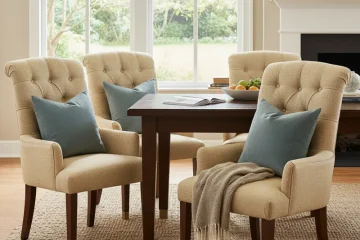
A dining table is often the centerpiece of a home, a gathering point for meals, conversations, and celebrations. In many American households, finding a table that strikes the right balance between accommodating family and guests, while also fitting comfortably within the space, is a key challenge. This is where the six-foot dining table often emerges as a highly practical and popular choice. It’s not just an arbitrary measurement; a six-foot dining table, typically measuring 72 inches in length, represents a sweet spot for functionality, aesthetics, and common room dimensions found in homes across the United States. It offers sufficient surface area for daily family use, comfortably seating six people, and can often stretch to host eight for special occasions, without overwhelming the typical dining room or open-plan living space.
Understanding the Dimensions: What Exactly is a Six-Foot Dining Table?

When we refer to a six-foot dining table, we are primarily talking about its length. This translates to 72 inches. While the length is standardized, the width of a six-foot dining table can vary, typically ranging from 36 to 42 inches (about 3 to 3.5 feet). This width is crucial for comfortable place settings and for allowing serving dishes to be placed in the center without feeling cramped. A 36-inch width is common for more compact spaces or tables designed for six, while a 40-inch or 42-inch width provides more generous elbow room and serving space, particularly if you anticipate seating eight.
The height of a standard dining table is generally consistent, falling between 29 and 30 inches. This height is designed to work with standard dining chairs, which usually have a seat height of 18 to 19 inches, allowing ample legroom and comfortable posture for most adults. Understanding these precise dimensions is the first step in determining if a six-foot dining table is the right fit for your home and lifestyle, especially when considering the broader category of big family dining tables.
Seating Capacity: Comfortably Hosting Your Family and Friends
One of the most appealing aspects of a six-foot dining table is its versatile seating capacity.
- Everyday Use (6 people): For most rectangular six-foot tables, you can comfortably seat six people. This setup typically involves two chairs on each of the long sides and one chair at each head (short) end. This arrangement provides each diner with ample personal space, around 24-30 inches of table edge, which is the recommended minimum for comfortable dining.
- Special Occasions (8 people): If you need to accommodate more guests, a six-foot dining table can often seat eight, albeit more snugly. This usually means three chairs along each long side and one at each head end. The key here is the width of your chairs. Slimmer chairs without large arms will make this arrangement more feasible. If your table is on the wider side (40-42 inches), the extra depth can also help alleviate the feeling of being too close.
Consider the chairs you plan to use. Large, upholstered chairs with wide arms will naturally reduce the number of people you can comfortably seat, even if the table length suggests more capacity. Always factor in the actual footprint of your chairs when calculating your true seating potential.
Choosing the Right Shape for Your Six-Foot Dining Table

While “six-foot dining table” most commonly implies a rectangular shape, variations exist that can significantly impact the feel and functionality within your space.
Rectangular Six-Foot Dining Tables
The rectangular shape is by far the most popular for six-foot dining tables, and for good reason. It’s highly efficient in terms of space utilization and easily accommodates a larger number of diners. Its straight lines complement most room layouts and furniture arrangements, fitting well into dedicated dining rooms or along walls in open-concept living spaces. Rectangular tables are excellent for formal dining settings and practical for everyday family meals, offering a clear distinction between diners on opposing sides.
Oval Six-Foot Dining Tables
An oval six-foot dining table offers a softer aesthetic compared to its rectangular counterpart. The absence of sharp corners makes it feel less imposing, and it can improve traffic flow in a room by eliminating potential bumping points. Functionally, an oval table provides a similar seating capacity to a rectangular one of the same length, but the rounded ends can sometimes feel a bit more inclusive, encouraging conversation. They work particularly well in transitional or eclectic decors, adding a touch of elegance without being overtly formal.
Round Six-Foot Dining Tables
While less common at a full six-foot (72-inch) diameter, a round dining table of this size is a statement piece. A 72-inch round table can comfortably seat 8-10 people, making it excellent for large gatherings where conversation flow is paramount. Everyone faces each other directly, fostering an intimate atmosphere. However, a six-foot round table requires significantly more floor space than a rectangular or oval table of the same length because of its circular footprint. You’ll need a very generous dining area to accommodate it comfortably while maintaining adequate clearance for chairs and movement. Unless your room is exceptionally large, a round table of this size might prove challenging in many typical US homes.
Materials and Construction: Durability Meets Design

The material of your six-foot dining table plays a crucial role in its durability, maintenance, and overall aesthetic appeal. Each material has its unique characteristics, making it suitable for different lifestyles and design preferences.
Solid Wood
Solid wood tables are a timeless choice, prized for their natural beauty, strength, and longevity. Common wood types include oak, maple, walnut, cherry, and reclaimed wood. Each offers distinct grain patterns and color variations. Solid wood is incredibly durable and can often be refinished or repaired, making it a sustainable investment. However, it can be susceptible to scratches, dents, and water rings if not properly cared for. The price point for solid wood tables is generally higher, reflecting the quality of the material and craftsmanship. For families with active households, a robust solid wood table can withstand years of use.
Engineered Wood (MDF, Particle Board with Veneer)
Engineered wood options, such as MDF (Medium-Density Fiberboard) or particle board topped with wood veneer, laminate, or melamine, offer a more budget-friendly alternative. These materials are stable, resist warping, and can be finished to mimic the look of solid wood or other materials. While generally less durable than solid wood in the long term, high-quality engineered wood tables can still provide excellent performance and aesthetics. They are often lighter, making them easier to move. The key is to look for thick veneers and robust construction to ensure longevity. A significant scratch on a veneer can be harder to repair invisibly than on solid wood.
Glass
Glass-top tables, typically featuring tempered safety glass, are a popular choice for modern and contemporary interiors. They create an open, airy feel, making a room appear larger and lighter. Glass is easy to clean and resistant to heat and spills. However, it can show fingerprints, smudges, and scratches more readily than other materials. The base of a glass table is often a design focal point, crafted from wood, metal, or a combination. A six-foot dining table with a glass top can be visually light, but the glass itself is heavy and requires careful handling during delivery and assembly. According to Wikipedia’s entry on glass, tempered glass is significantly safer for tabletops due to its breakage pattern.
Metal
Metal tables, often constructed from steel, wrought iron, or aluminum, lend an industrial, modern, or even rustic look depending on the finish and design. They are incredibly durable, stable, and easy to maintain. Metal bases are common, often paired with wood or glass tops, but full metal tables exist. While generally resistant to damage, certain metals can scratch or rust if not properly treated or maintained. Consider the weight and how it complements other elements in your dining space.
Stone (Marble, Granite, Quartz)
Stone tables, particularly those made from marble, granite, or engineered quartz, offer a luxurious and high-end aesthetic. These materials are incredibly durable, heat-resistant, and visually striking. Natural stones like marble require sealing and careful cleaning to prevent etching from acidic foods and staining. Quartz, being engineered, is generally more non-porous and resistant to stains and scratches, making it a lower-maintenance option. Stone tables are exceptionally heavy, requiring robust construction for the base and careful consideration for delivery and installation. They represent a significant investment but can last a lifetime with proper care.
Styling Your Six-Foot Dining Table: From Farmhouse to Modern
The style of your six-foot dining table significantly impacts the overall ambiance of your dining area. This table size is versatile enough to fit into almost any design aesthetic found in US homes.
Farmhouse and Rustic
A six-foot dining table is a natural fit for farmhouse and rustic aesthetics. Think distressed solid wood, often oak or pine, with substantial legs. These tables often feature visible wood grain, sometimes with an antique or reclaimed finish. They pair beautifully with mismatched wooden chairs, benches, or classic spindle-back designs. This style creates a warm, inviting, and family-friendly atmosphere, perfect for casual gatherings and hearty meals. It evokes a sense of history and comfort.
Traditional and Classic
For traditional homes, a six-foot dining table often comes in rich, dark woods like cherry or mahogany, featuring ornate details, carved legs, and a polished finish. These tables exude formality and elegance, designed to be heirlooms. They pair well with upholstered chairs, often with tufting or intricate fabric patterns. If your home leans towards traditional dining room suites, a classic rectangular six-foot table will be a perfect match, grounding the space with its timeless presence.
Modern and Contemporary
Modern six-foot dining tables emphasize clean lines, geometric shapes, and often a mix of materials. You might see a sleek glass top on a minimalist metal base, or a smooth, lacquered wood top with tapered legs. Colors tend to be neutral – white, black, gray, or natural wood tones. Contemporary designs focus on functionality and simplicity, avoiding unnecessary embellishments. They are ideal for creating a sophisticated, uncluttered look that feels current and fresh.
Industrial
Industrial style tables often combine robust metal bases (steel, iron) with solid wood or concrete-like tops. A six-foot industrial table typically showcases raw finishes, exposed hardware, and a utilitarian aesthetic. This style is sturdy, masculine, and perfect for urban lofts or homes seeking an edgy, unpretentious vibe. It pairs well with metal or leather chairs.
Mid-Century Modern
Mid-century modern six-foot tables feature organic shapes, tapered legs, and often a blend of wood and other materials. Walnut and teak are common wood choices. These tables have a retro-chic appeal, focusing on functional design with an elegant simplicity that defined the mid-20th century. They complement iconic chairs from the same era and create a sophisticated, timeless look.
Room and Space Planning: Ensuring a Perfect Fit
Fitting a six-foot dining table into your home isn’t just about the table’s dimensions; it’s about how it interacts with the entire room. Proper space planning is critical to ensure comfort and functionality.
The 36-48 Inch Rule
The golden rule for dining room clearance is to allow a minimum of 36 inches (about 3 feet) and ideally 42-48 inches (3.5 to 4 feet) of space between the edge of your table and any wall or furniture. This allows enough room for chairs to be pulled out comfortably, for diners to sit and stand without obstruction, and for people to walk around the table even when it’s occupied. Without this clearance, your dining area will feel cramped and difficult to navigate.
Calculating Your Required Room Size
For a rectangular six-foot dining table (72 inches long by 36-42 inches wide), here’s how to calculate the minimum room dimensions:
- Length: Table Length (72 inches) + 2 x Clearance (72-96 inches) = Total Room Length Needed (144-168 inches or 12-14 feet)
- Width: Table Width (36-42 inches) + 2 x Clearance (72-96 inches) = Total Room Width Needed (108-138 inches or 9-11.5 feet)
So, for a comfortable setup, you’re generally looking at a room that is at least 12 feet long by 9 feet wide, and ideally closer to 14 feet long by 11.5 feet wide. These are minimums; more space is always better for flow. You can find more practical guidance on furniture placement from sources like Forbes Home, which often covers similar space planning principles.
Traffic Flow and Layout
Consider how people will move through the dining area to other parts of your home. If your dining room serves as a thoroughfare, ensure the primary traffic path doesn’t cut directly through the chair clearance zone. If it does, you might need to adjust your clearance slightly or opt for a table on the narrower side of the 36-42 inch spectrum.
Architectural Features
Factor in windows, doors, radiators, or built-in cabinetry. These elements can impact how much wall space is truly usable for table placement and chair movement. Ensure the table doesn’t block essential light sources or hinder access to storage.
What Most People Get Wrong When Choosing a Six-Foot Dining Table
Even with careful planning, some common pitfalls can turn the excitement of a new dining table into regret. Being aware of these can save you time, money, and frustration.
Underestimating Chair Dimensions
Many people focus solely on the table’s length and width, forgetting that chairs consume significant space. A chair isn’t just its seat width; it’s also its depth when pushed in and, crucially, the space it occupies when pulled out for someone to sit. If you plan to seat eight at your six-foot dining table, make sure the chairs you choose are slim enough and that their depth doesn’t compromise the 36-48 inch clearance rule when in use. Wide chairs with arms, even if they physically fit under the table, will dramatically reduce effective seating capacity and room flow.
Ignoring the Apron and Legroom
The table apron is the wooden or metal frame connecting the tabletop to the legs. Some tables have deep aprons, which can restrict legroom for taller individuals or prevent chairs with higher arms from pushing completely under the table. Always check the distance from the floor to the bottom of the apron and compare it to the height of your chair arms. You want at least 7 inches of clearance between the top of the chair arm and the bottom of the apron for comfortable tucking. This is particularly important if you’re considering a 7 pc counter height dining set or other non-standard table heights, but it applies to standard dining tables too.
Not Accounting for Delivery and Assembly
A six-foot dining table, especially one made of solid wood or stone, can be incredibly heavy and cumbersome. People often forget to measure doorways, hallways, and stairwells to ensure the table (or its components) can actually make it into the dining room. Disassembled tables are easier, but a solid one-piece tabletop might be impossible for narrow turns. Always check the dimensions of the packaged item and consider white-glove delivery if offered.
Overlooking Lighting and Rug Sizing
The table is central, but lighting and rugs frame it. A common mistake is hanging a chandelier too high or too low. For a six-foot table, the bottom of your light fixture should typically hang 30-34 inches above the tabletop to provide ample illumination without obstructing views. As for rugs, they should extend at least 24 inches beyond the table’s edges on all sides, allowing chairs to remain on the rug even when pulled out. A rug that is too small makes the space feel disjointed and traps chair legs off the rug.
Prioritizing Trends Over Timelessness and Function
It’s easy to get caught up in current design trends, but a dining table is a significant investment. Opting for a trendy, but impractical, finish or a fragile material for a high-traffic family home can lead to quick dissatisfaction. A six-foot dining table should be durable, easy to maintain, and suit your family’s needs for years, not just until the next trend emerges. While a counter height table with storage might offer trendy appeal, a standard height table often provides more lasting comfort for diverse guests.
Maintaining Your Six-Foot Dining Table: Practical Tips
Once you’ve invested in a six-foot dining table, proper care is essential to ensure its longevity and maintain its appearance. Maintenance routines vary based on the material, but some general principles apply.
Wood Tables
- Cleaning: Wipe regularly with a soft, damp cloth. Avoid abrasive cleaners or harsh chemicals. For spills, clean immediately to prevent staining or water damage.
- Protection: Use coasters for drinks, trivets for hot dishes, and placemats for plates. Avoid direct sunlight exposure, which can cause fading or cracking.
- Polishing/Oiling: Depending on the finish, periodically apply a good quality furniture polish or wood oil to nourish the wood and maintain its luster. Consult the manufacturer’s recommendations.
- Humidity: Wood can expand and contract with changes in humidity. Use a humidifier in dry climates and a dehumidifier in humid ones to minimize stress on the wood.
Glass Tables
- Cleaning: Use a glass cleaner and a microfiber cloth to prevent streaks and smudges.
- Protection: While durable, glass can scratch. Use placemats and coasters. Be mindful of heavy or sharp objects.
- Safety: Ensure the glass is tempered. If it ever chips or cracks, it’s safer than untempered glass, but still requires immediate attention to avoid injury.
Stone Tables (Marble, Granite, Quartz)
- Cleaning: Wipe with a soft cloth and mild, pH-neutral cleaner specifically designed for stone. Avoid acidic cleaners (vinegar, lemon juice) which can etch natural stone.
- Protection: Always use coasters and trivets. Natural stone, especially marble, is porous and susceptible to staining from oils, wine, and acidic foods.
- Sealing: Natural stone often requires periodic sealing (every 6-12 months) to protect against stains. Quartz, being engineered, is typically non-porous and doesn’t require sealing.
Metal Tables
- Cleaning: Wipe with a damp cloth and mild soap. Dry thoroughly to prevent water spots or rust, especially on iron or unsealed steel.
- Protection: Metal can scratch. Use placemats if you’re concerned about surface marks. Check for rust periodically and address it with appropriate treatments.
Consistent, gentle care will ensure your six-foot dining table remains a beautiful and functional part of your home for many years to come.
Considering Expandable Six-Foot Dining Tables
For those who love the regular convenience of a six-foot dining table but occasionally need more seating, an expandable option is a brilliant solution. These tables typically start at a standard 72-inch length and feature one or more leaves that can be inserted to extend the table to 8 feet, 9 feet, or even longer.
Types of Extension Mechanisms:
- Drop-in Leaves: The most common type, where you pull the table halves apart and drop a separate leaf into the center. These leaves are stored externally when not in use.
- Butterfly Leaves: These leaves are stored within the table itself, folding in half and tucking away when not needed. They are incredibly convenient as you don’t need a separate storage spot.
- Self-Storing Leaves: Similar to butterfly leaves, these are also integrated but might slide out from under the main tabletop rather than folding.
An expandable six-foot dining table offers maximum flexibility, allowing you to maintain a comfortable everyday footprint while having the capacity to host larger gatherings. This adaptability is particularly valuable in homes where a permanently larger table would overwhelm the space, but occasional extra seating is a must. It essentially gives you the best of both worlds, providing the comfort of a standard table while catering to the needs of more extensive big family dining tables when required.
FAQs: Your Six-Foot Dining Table Questions Answered
Here are some common questions people have about six-foot dining tables:
How many chairs fit a 6-foot dining table?
A rectangular six-foot dining table comfortably seats 6 people (two on each long side, one at each head end). For special occasions, it can usually accommodate 8 people with slightly less elbow room (three on each long side, one at each head end), depending on the width of your chairs.
What room size do I need for a 6-foot dining table?
For comfortable clearance, you need a room that is at least 12 feet long by 9 feet wide. Ideally, a room closer to 14 feet long by 11.5 feet wide will provide optimal space for chairs to be pulled out and for people to walk around the table.
Is a 6-foot dining table too big for a small apartment?
In most smaller apartments, a 6-foot dining table would likely be too large, especially a rectangular one. It demands significant clearance space. A round table (under 48 inches) or a smaller square table is often a better fit for compact living. However, if you have an open-concept layout with ample dedicated space, it might work.
How wide is a standard 6-foot dining table?
While the length is 72 inches (6 feet), the width of a standard six-foot dining table typically ranges from 36 to 42 inches (3 to 3.5 feet). A wider table offers more room for serving dishes and elbow space.
Can I use a bench with a 6-foot dining table?
Absolutely! Benches are a popular and stylish choice for six-foot dining tables, especially in farmhouse or casual settings. A bench roughly 50-60 inches long can typically seat 2-3 people comfortably on one side, offering flexible seating and a less formal look. Just ensure the bench slides fully under the table when not in use.
What’s the best shape for a 6-foot dining table?
The best shape depends on your room and needs. Rectangular is the most common and space-efficient for dedicated dining rooms. Oval offers a softer look and better flow. Round tables are rare at 6-foot diameter due to space requirements but are excellent for conversation if your room can handle it.
How much space should be between chairs at a 6-foot dining table?
Each person should have approximately 24-30 inches of table edge space for comfortable dining. This ensures adequate elbow room and prevents people from feeling cramped.
Are counter height tables more practical than standard 6-foot dining tables?
Counter height tables (typically 34-36 inches high) offer a different aesthetic and can sometimes provide a more casual dining experience, often blending well with kitchen islands. However, for a formal dining space or accommodating a wide range of guests (including children or elderly individuals), a standard height six-foot dining table (29-30 inches high) is generally considered more comfortable and universally accessible. If you’re exploring options like a bar height table or counter height, consider who will be using it most often and for what purpose.