
In 2026, the discussion around home food preservation has shifted significantly. For years, canning, dehydrating, and traditional freezing were the primary methods homeowners considered. While effective to a degree, each has its limitations, often compromising texture, flavor, or vital nutritional content. Now, a truly transformative option has become both accessible and remarkably efficient for the average household: the small freeze dryer. These compact units are no longer niche laboratory equipment; they represent a fundamental upgrade in how we approach food storage, offering unprecedented longevity, quality, and convenience right from your kitchen counter. If you’ve been contemplating stepping up your food preservation game, understanding the benefits of a home freeze dryer machine will illustrate why now, more than ever, is the opportune moment to invest in this powerful appliance.
The Unrivaled Preservation Method for Your Home Kitchen
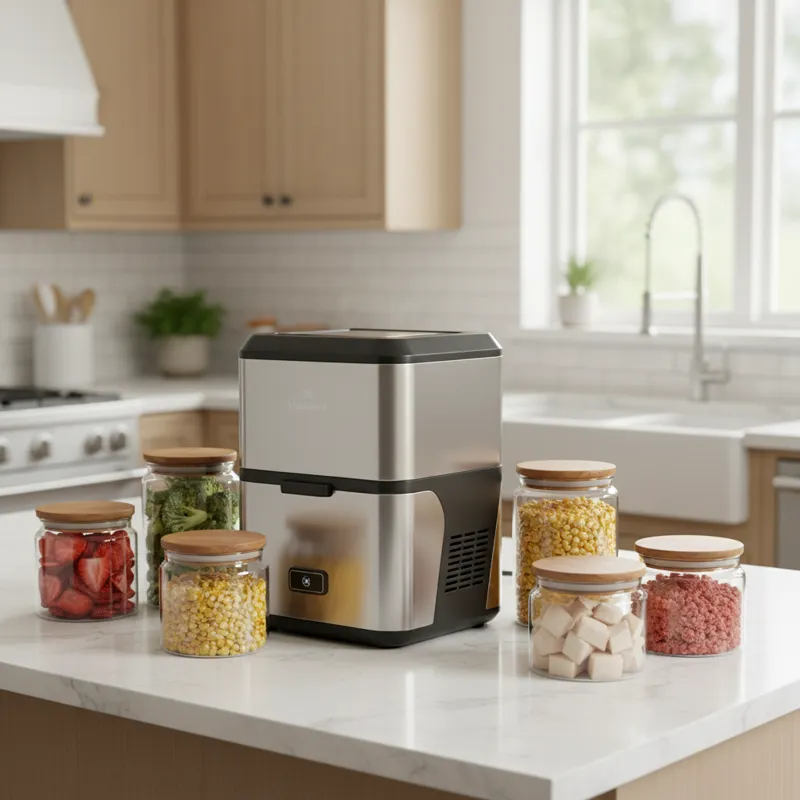
When it comes to long-term food preservation, a small freeze dryer stands in a league of its own. Unlike dehydrators that remove water through heat, or freezers that merely suspend decay, freeze-drying employs a process called lyophilization. This involves freezing food to extremely low temperatures, then placing it under a vacuum. The ice in the food then sublimates, meaning it transforms directly from a solid (ice) to a gas (vapor) without ever passing through a liquid phase. This gentle process removes up to 99% of the moisture while largely preserving the food’s original structure, flavor, color, and nutritional value. Think about the difference: canned goods often become mushy and lose much of their vibrant taste due to high heat. Dehydrated foods shrink considerably, change texture, and can become brittle, often requiring soaking before use. Frozen foods, while retaining more initial quality, are subject to freezer burn and have a shelf life measured in months, maybe a couple of years at best, before their quality degrades. Freeze-dried foods, however, can last for 25 years or even longer when properly stored in airtight containers with oxygen absorbers. Imagine having garden-fresh berries, savory stews, or even full meals ready to rehydrate and enjoy decades from now, tasting almost as fresh as the day they were prepared. It’s a level of food security and culinary quality no other home method can match.
Superior Nutrient and Enzyme Retention
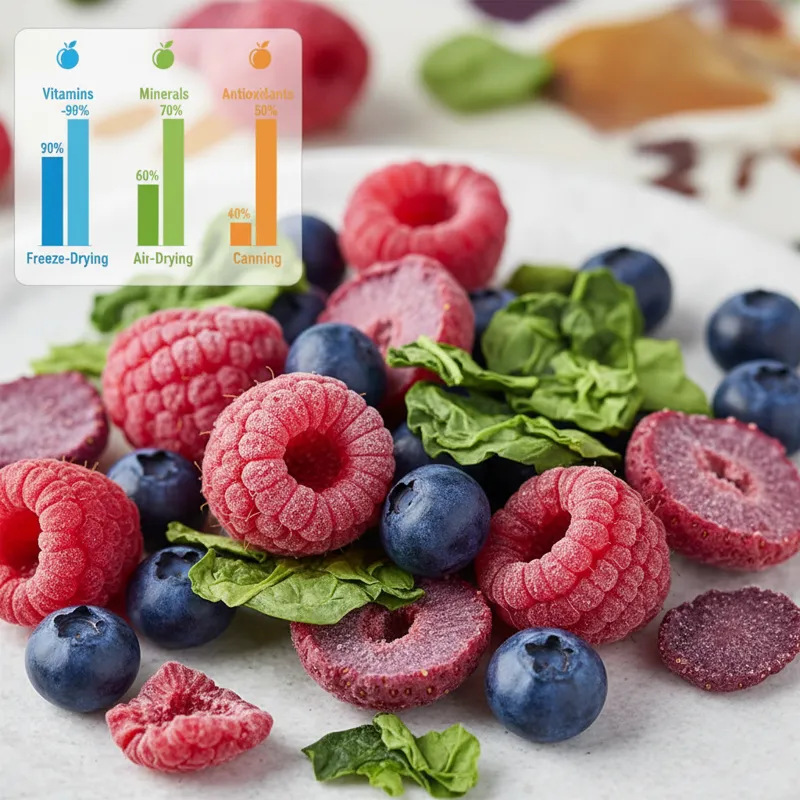
One of the most compelling reasons to embrace a small freeze dryer is its profound impact on nutrient retention. Traditional preservation methods, particularly those involving heat, are known to degrade sensitive vitamins, minerals, and beneficial enzymes. High temperatures can break down vitamin C, B vitamins, and various antioxidants, reducing the overall health benefits of your stored foods. Even freezing, while less destructive than canning, can still lead to some nutrient loss over time due to slow enzyme activity or cellular damage from ice crystal formation. Freeze-drying, by contrast, operates at extremely low temperatures and avoids heat damage entirely. Because the water is removed through sublimation rather than evaporation, the cellular structure of the food remains largely intact. This means that a much higher percentage of the original vitamins, minerals, phytonutrients, and enzymes are preserved. For individuals and families prioritizing health and nutrition, this is a game-changer. You’re not just preserving food; you’re preserving its inherent goodness. Imagine providing your family with nutrient-dense fruits and vegetables picked at peak ripeness, ensuring they receive maximum nutritional value even years down the line, without reliance on store-bought options that may have traveled thousands of miles and lost significant nutritional content.
Significant Long-Term Cost Savings and Waste Reduction

The initial investment in a home freeze dryer machine might seem substantial, but when you look at the long-term economics, the savings quickly become apparent. Food waste is a colossal problem in many households, with an estimated 30-40% of the food supply going uneaten in the United States, according to the USDA. This translates to hundreds, if not thousands, of dollars per year simply thrown away. With a small freeze dryer, you can virtually eliminate this waste. Consider buying seasonal produce when it’s abundant and cheapest, or when your garden yields a surplus. Instead of letting it spoil, you can freeze dry it. Think about discounted meat or bulk purchases from warehouses – process them immediately, and they’re ready for decades. The ability to preserve leftovers that might otherwise go bad, transforming them into quick, convenient future meals, also adds up. When you compare the cost of buying store-bought freeze-dried emergency meals or ingredients – often at premium prices – to freeze-drying your own, the savings are stark. Over time, your small freeze dryer will pay for itself multiple times over by preventing spoilage, allowing strategic bulk purchasing, and reducing your grocery bill. This financial prudence extends to all aspects of home ownership, where making smart, preventative decisions like installing a pre filter for tankless water heater can save you money and headaches down the road.
Boosting Emergency Preparedness and Self-Sufficiency
In an increasingly unpredictable world, the drive for self-sufficiency and robust emergency preparedness is stronger than ever. A small freeze dryer is arguably the most powerful tool a homeowner can acquire to achieve true long-term food security. With food lasting 25 years or more, you’re not just preparing for a short-term power outage; you’re building a generational food supply. This capability offers unparalleled peace of mind. Whether facing natural disasters like hurricanes, earthquakes, or wildfires, economic downturns affecting supply chains, or simply personal emergencies like job loss, having a diverse and substantial food reserve is invaluable. You won’t be dependent on store shelves, which can empty quickly in a crisis. Moreover, you control the quality and variety of your emergency rations. Instead of relying on commercially processed survival meals, you can stock your pantry with healthy, familiar, and delicious foods that your family will actually enjoy, making stressful situations a little more manageable. The self-reliance a small freeze dryer fosters is a fundamental step towards a more resilient household.
Unlocking Culinary Creativity and Everyday Convenience
Beyond long-term storage, a small freeze dryer opens up a world of culinary possibilities and adds remarkable convenience to daily life. Imagine having perfectly ripe avocado slices to rehydrate for guacamole, or fresh herbs like cilantro and basil that retain their potent flavor and color for months, ready to be sprinkled into any dish. You can create your own healthy, additive-free snacks for kids – freeze-dried apple slices, yogurt bites, or fruit leathers are far superior to most store-bought options. For outdoor enthusiasts, freeze-drying homemade meals means lightweight, nutrient-packed provisions for camping, backpacking, or emergency kits. Rehydrate a hearty chili or a chicken stir-fry on the trail, and you’ll eat better than any pre-packaged meal. Even for gourmet cooks, a compact freeze drying unit allows you to preserve seasonal ingredients, experiment with textures, and create unique garnishes. From making your own powdered ingredients for baking (like freeze-dried pumpkin powder for pies) to having instant coffee creamer from your preferred milk, the creative applications are truly endless. This convenience also means less time spent cooking during busy weekdays, as you can quickly rehydrate pre-made meals or components.
Empowering Healthier Living and Dietary Control
For anyone committed to a healthier lifestyle, a small freeze dryer becomes an indispensable tool for dietary control. In 2026, concerns about processed foods, artificial additives, excessive sodium, and hidden sugars are paramount. By freeze-drying your own foods, you take complete control over what goes into your body. You can ensure your fruits and vegetables are organic, your meats are pasture-raised, and your meals are free from unwanted preservatives or flavor enhancers. This is particularly beneficial for those with allergies, food sensitivities, or specific dietary requirements like keto, paleo, or gluten-free diets. You can batch-prepare meals tailored to your needs and preserve them for quick, healthy options anytime. No more scrutinizing ingredient labels at the grocery store or worrying about cross-contamination. You’re building a personalized pantry of safe, wholesome foods. Furthermore, by preserving produce at its peak nutritional value, you’re ensuring a consistent supply of healthful ingredients year-round, regardless of season or market availability, directly contributing to your family’s long-term well-being.
Growing Accessibility: Why 2026 is the Year to Buy a Small Freeze Dryer
While freeze-drying technology has existed for decades, its accessibility for home users has dramatically improved in recent years, making 2026 a prime time for purchase. Early residential freeze drying cost points were often prohibitive for many, and the units themselves were bulky and complex. However, advancements in engineering, increased competition among manufacturers, and a growing consumer demand for self-sufficiency have driven innovation and made these units more compact, more energy-efficient, and significantly more user-friendly. Today’s small freeze dryer models are designed with the home kitchen in mind. They feature intuitive digital controls, automated cycles, and improved vacuum pump technology that requires less frequent maintenance. The footprint of these compact freeze drying units has shrunk considerably, allowing them to fit into standard pantry spaces or on larger countertops, making them a practical addition even for homes with limited space. The investment, while still significant for some, is now within reach for many more households, especially when weighed against the long-term savings and benefits. Reviews for countertop lyophilizer models consistently highlight their ease of use and impressive output, cementing their place as a viable and valuable home appliance.
Things People Usually Miss When Considering a Small Freeze Dryer
While the benefits of a small freeze dryer are compelling, a clear-eyed understanding of the practical considerations is essential before making a purchase. It’s not just about the unit itself; there are several factors often overlooked by first-time buyers. First, vacuum pump maintenance is critical. Most home freeze dryers utilize an oil-based vacuum pump, which requires regular oil changes – typically every 4-6 cycles. Neglecting this will severely impact performance and lifespan. Some newer models offer oil-free pumps, but they come at a higher initial cost and still require some filter maintenance. Understanding the specific needs for your Rheem tankless water heater filter or any other specialized appliance, for example, highlights how general maintenance prevents costly repairs. Second, consider the energy consumption. While a freeze-dryer isn’t running 24/7, a typical cycle can last 20-40 hours. This uses a significant amount of electricity, especially during the deep-freeze and vacuum stages. It’s an operational cost that needs to be factored into your budget, similar to how replacing a tankless water heater filter replacement affects the efficiency of that appliance over time. Third, initial setup costs extend beyond the machine itself. You’ll need Mylar bags, oxygen absorbers, and potentially a heat sealer for proper long-term storage. These consumables add to the overall investment. Fourth, even a “small” freeze dryer requires a dedicated space. You’ll need room not just for the unit, but also for its vacuum pump (often a separate component), and adequate ventilation. It’s not a device you can easily tuck away into a small cupboard. Finally, noise levels during operation can be noticeable. The vacuum pump, in particular, generates a hum, which some find disruptive, especially in open-concept living spaces. It’s worth checking decibel ratings and considering placement in a utility room or garage if noise is a concern for you. Being informed about these less glamorous aspects ensures a more satisfying ownership experience.
Frequently Asked Questions About Compact Freeze Drying Units
Many prospective owners have similar questions when exploring the world of home freeze drying. Here are some of the most common inquiries regarding residential freeze drying cost and operation:
How much does a small freeze dryer cost?
In 2026, the initial investment for a quality small freeze dryer machine typically ranges from $2,500 to $5,000. This price can vary based on brand, capacity, features (like oil-free pumps), and included accessories. While a significant upfront cost, it’s an investment that pays dividends over time through food savings and enhanced preparedness.
How long does a freeze-drying cycle take?
A typical cycle can take anywhere from 20 to 40 hours. The exact duration depends on the water content of the food, the thickness of the slices, and the load size. Fruits with high water content, like berries, might take longer than finely diced vegetables or pre-cooked meals.
What kinds of food can you freeze dry?
You can freeze dry almost anything! Fruits, vegetables, meats, dairy products (like yogurt and cheese), complete meals (stews, casseroles), eggs, herbs, and even ice cream. The main exceptions are foods with very high sugar content that can become sticky, or extremely oily foods that don’t hold structure well.
Is a compact freeze drying unit difficult to use?
Modern small freeze dryers are designed with user-friendliness in mind. Most models feature automated processes, clear digital displays, and straightforward instructions. While there’s a learning curve to optimize results for different foods, the basic operation is quite simple: load trays, select a cycle, and let the machine do the work.
How much electricity does a small freeze dryer use?
While specific consumption varies by model and cycle duration, most small home units draw significant power during their operation, similar to running a large refrigerator or a window AC unit. Expect electricity costs to increase, especially if you’re running cycles frequently. Energy Star ratings or manufacturer specifications can provide more precise figures.
Is a home freeze dryer machine worth the investment?
For individuals and families prioritizing long-term food security, significant waste reduction, superior nutrition retention, and unparalleled food quality, a small freeze dryer is absolutely worth the investment. Its benefits extend far beyond simple food preservation, touching on health, financial savings, and peace of mind for decades to come.
The small freeze dryer isn’t just another kitchen gadget; it’s a powerful statement about self-reliance, smart living, and a commitment to healthier eating. In 2026, with technological advancements making these units more efficient and accessible, there has never been a better time to consider how a home freeze dryer could transform your approach to food, preparedness, and overall well-being. By understanding its capabilities and its practical considerations, you can make an informed decision that benefits your household for decades.