Navigating the world of home design can feel like a grand challenge, especially when you’re working with limited square footage. For many homeowners and renters in 2026, the quest for efficient and aesthetically pleasing living spaces often begins with the kitchen and dining area. If you’re looking for small kitchen table options or specifically need to find the right small dining table sets, understanding how to truly optimize a compact space is critical. This isn’t just about fitting furniture; it’s about crafting an environment that feels expansive, functional, and inviting, despite its size. Achieving great small kitchen and dining room design requires a blend of clever planning, smart product choices, and a mechanistic understanding of how people move and interact within their homes.
Understanding the DNA of a Small Space
Before you even consider furniture or finishes, truly grasp the limitations and potentials of your small kitchen and dining room design. Every inch matters, not just for placing objects, but for creating comfortable pathways and visual breathing room. It’s about more than just fitting things in; it’s about making the space work harder, smarter, and feel larger than it physically is.
The Crucial Role of Layout
The layout forms the backbone of your small kitchen and dining area. In compact spaces, traditional kitchen layouts often get compressed or merged with dining functions.
- Single-Wall Kitchen: Ideal for extremely narrow spaces, all appliances and cabinetry run along one wall. This maximizes an open floor plan, leaving ample room for a dining setup opposite or adjacent.
- Galley Kitchen: Two parallel walls with a walkway between them. This is highly efficient for cooking, but requires careful planning to integrate a dining space at one end or within an adjacent room.
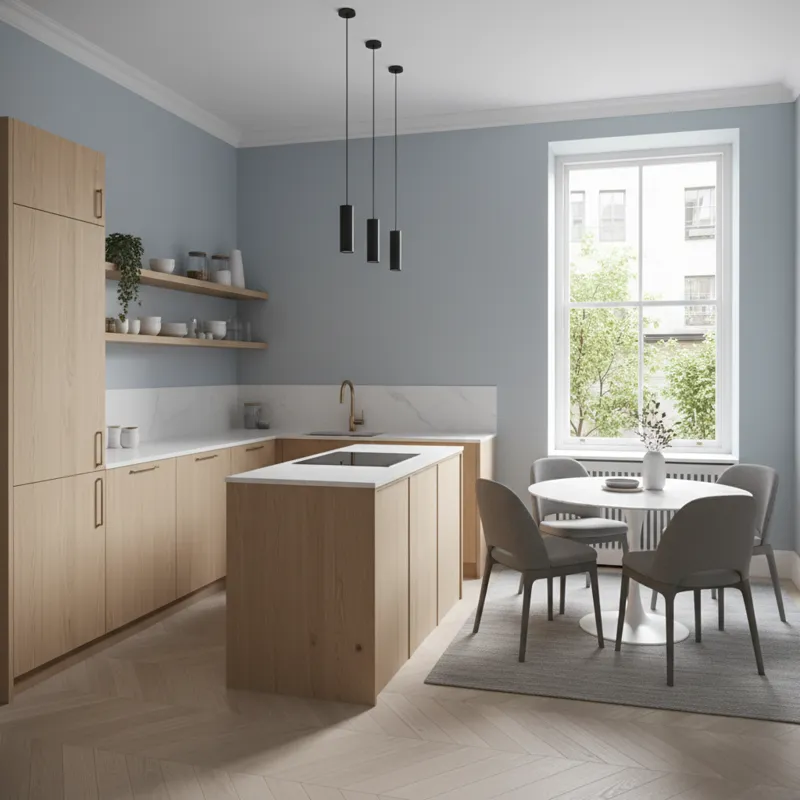
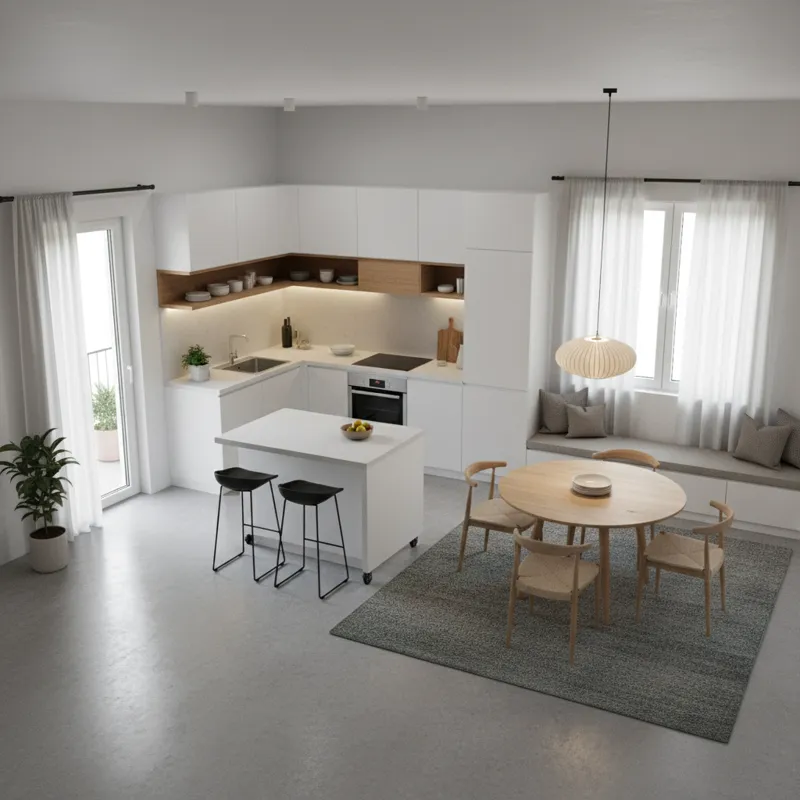
- L-Shape Kitchen: Cabinets and appliances on two perpendicular walls. This can free up a corner for a built-in banquette or a small, round dining table, creating a more social, integrated zone.
- U-Shape Kitchen: Three walls of cabinets and appliances. While offering maximum counter and storage space, this layout is the most challenging for incorporating a dining area directly within the kitchen unless you integrate a peninsula with seating.
Regardless of the core kitchen layout, the objective is to ensure a smooth, unobstructed flow between cooking, serving, and dining. Think about the ‘work triangle’ in the kitchen (sink, stove, refrigerator) and how it interacts with the dining area.
Maximizing Functionality with Clever Furniture Choices
The right furniture isn’t just about aesthetics; it’s about making every piece earn its place in a small kitchen and dining room design. Multi-functional pieces are non-negotiable.
The Versatility of Dining Tables
Traditional large dining tables are often out of the question. Instead, focus on pieces that adapt or disappear.
- Drop-Leaf or Extendable Tables: These are gold standard for small spaces. A small drop leaf table with 2 chairs can transform from a compact console against a wall to a full dining surface for two or more. Many models allow one or both leaves to be raised, providing flexibility based on your immediate needs.
- Console-to-Dining Tables: Some tables cleverly fold out from a narrow console, expanding significantly when entertaining. These usually offer built-in storage for chairs or leaves, making them incredibly efficient.
- Round Tables: Without sharp corners, round tables facilitate easier movement around them in tight spaces. They also feel more convivial for small gatherings.
- Wall-Mounted Fold-Down Tables: For truly tiny areas, a table that folds flat against the wall when not in use is a game-changer. These are especially effective in studio apartments or micro-kitchens.
- Bar-Height Tables: A bar height table for 2 can serve multiple purposes. It can function as an extension of kitchen counter space for prep, a casual eating spot, or even a standing workstation. The elevated seating can also help delineate the dining area without requiring full walls.
Seating Solutions Beyond Chairs
Chairs take up significant floor space. Consider alternatives that offer more utility or occupy less visual bulk.
- Banquette Seating: A built-in bench along a wall or in a corner is arguably one of the most effective solutions for small dining areas. It saves space by pushing seating against a wall, often provides hidden storage underneath, and can accommodate more people than individual chairs in the same footprint.
- Stools and Benches: Armless stools or backless benches can be tucked completely under a table when not in use, freeing up valuable circulation space. They are also easily moved around for flexible seating arrangements.
- Stackable or Foldable Chairs: Having a few stackable or foldable chairs on hand for guests is practical. Store them in a closet or utility area, bringing them out only when needed.
Ingenious Storage Solutions: Every Inch Counts
Clutter is the enemy of small spaces. Effective small kitchen and dining room design integrates storage seamlessly, making things accessible without feeling overwhelming.
Vertical Storage Is Your Best Friend
Look up! Walls offer untapped storage potential.
- Tall Pantry Cabinets: Floor-to-ceiling cabinets can house an impressive amount of food, small appliances, and dinnerware, consolidating storage in one footprint.
- Open Shelving: While not for everyone (it requires meticulous organization to avoid looking cluttered), open shelves can be lighter visually than upper cabinets, making a space feel larger. Use them for frequently used items or attractive display pieces.
- Wall-Mounted Organizers: Magnetic knife strips, pot racks, spice racks, and utensil holders free up drawer and counter space. Consider a pegboard system for customizable wall storage.
Integrated and Hidden Storage
The best storage disappears into the furniture itself.
- Toe-Kick Drawers: These shallow drawers built into the base of cabinets can store baking sheets, serving trays, or even pet bowls.
- Drawer Organizers and Dividers: Keep drawers tidy and maximize their capacity by using inserts for cutlery, spices, and small gadgets.
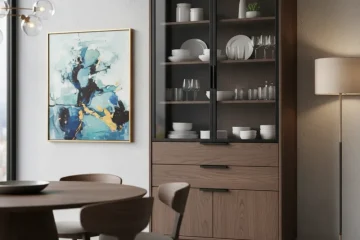
- Dining Room Hutch Alternatives: While a contemporary dining room hutch might seem like a large item, smaller, streamlined versions or even tall, narrow cabinets with glass fronts can provide display and storage for dinnerware without overwhelming the space. Consider a shallow buffet or console table with drawers and shelves for dining essentials.
- Bench Storage: As mentioned, banquette seating with lift-top or pull-out drawers offers invaluable hidden storage for linens, infrequently used appliances, or seasonal decor.
- Pantry Closets: If space allows, even a shallow closet with adjustable shelving can become a highly efficient pantry, keeping kitchen clutter out of sight.
The Illusion of Space: Lighting, Color, and Materials
Design isn’t just about what you put in the room; it’s about how it makes you feel. Visual tricks can profoundly impact the perception of size in small kitchen and dining room design.
The Power of Light
Light, both natural and artificial, makes a space feel open and airy.
- Maximize Natural Light: Keep windows unobstructed. Opt for sheer curtains, blinds, or no window coverings at all to let in as much daylight as possible.
- Layered Artificial Lighting: Don’t rely on a single overhead fixture.
- Ambient Lighting: Recessed lighting or flush-mount fixtures provide overall illumination.
- Task Lighting: Under-cabinet lighting is essential for food prep, and a focused pendant over a dining table creates intimacy.
- Accent Lighting: Wall sconces or small table lamps can add warmth and highlight specific areas.
- Reflective Surfaces: Mirrors strategically placed can reflect light and views, effectively doubling the perceived size of a room. Polished surfaces, glass, and stainless steel also bounce light around.
Color Palette and Visual Weight
The colors you choose dramatically influence how spacious a room feels.
- Light Colors: White, off-white, light grays, and pastels are your allies. They reflect light, making walls recede and rooms appear larger and brighter.
- Monochromatic Schemes: Using varying shades of the same color creates a cohesive, uninterrupted flow that prevents the eye from stopping, thus making the space feel more expansive.
- Pops of Color: While a light base is key, don’t shy away from adding small bursts of color through accessories, artwork, or a single accent wall to add personality without overwhelming the space.
- Unified Flooring: Running the same flooring material throughout the kitchen and dining area (and ideally into adjacent spaces) creates a seamless visual flow, preventing the space from feeling chopped up.
Materials and Textures
The physical properties of your chosen materials can also contribute to an open feel.
- Glass and Acrylic: Dining tables or chair backs made of glass or clear acrylic disappear visually, reducing their perceived bulk.
- Leggy Furniture: Opt for furniture with slender legs rather than solid bases. This allows light and air to flow underneath, making the pieces feel lighter and the floor space more continuous.
- Minimalist Hardware: Choose sleek, integrated cabinet pulls or touch-latch systems to maintain clean lines and reduce visual clutter.
- Streamlined Appliances: Modern, built-in appliances that blend with cabinetry create a clean, seamless look, which is essential for a cohesive small kitchen and dining room design.
What Most People Get Wrong in Small Kitchen and Dining Room Design
Even with good intentions, common pitfalls can sabotage the effectiveness of a compact space. Being aware of these helps you avoid them.
Over-Stuffing the Space
This is perhaps the most common mistake. People often try to fit too much furniture or too many accessories into a small area, resulting in a cluttered, suffocating environment. Every item needs a purpose and a place. Resist the urge to buy that oversized appliance or elaborate decor piece that doesn’t fit the scale of the room. A practical small kitchen design often prioritizes negative space, which is just as important as the occupied space.
Ignoring Vertical Space
Failing to utilize walls and the space between countertops and ceilings is a missed opportunity. Many assume only floor space counts, but shelves, wall cabinets, and even hooks can transform storage capacity. The vertical plane is where a small kitchen and dining room design truly expands its capabilities.
Poor Flow and Blocked Pathways
A cramped layout that obstructs movement between key areas (sink to stove, fridge to table) makes the space frustrating to use. Always prioritize clear pathways, ensuring you can comfortably walk, open appliance doors, and pull out chairs without bumping into things. This is especially true for the “kitchen work triangle” as defined by architectural principles; even in a small space, maintaining this flow is essential for efficiency.
Mismatched Scale
Using furniture or fixtures that are too large for the room instantly makes it feel smaller and disproportionate. A chunky sofa in a tiny living room, or an ornate, heavy dining table in a compact area, will overwhelm rather than complement. Always choose pieces that are appropriately scaled to the room.
Inadequate Lighting
Relying solely on a single, dim overhead light fixture creates shadows and makes a room feel enclosed and gloomy. A bright, well-lit space always appears larger and more inviting. Layered lighting is not just for large homes; it’s even more critical in compact areas. You can research more about effective lighting strategies on sites like Energy.gov, which often covers efficiency in different room sizes.
Key Design Principles for Small Spaces in 2026
Looking ahead, the principles for small space design continue to evolve, with an emphasis on sustainability, technology integration, and human-centric design.
Embrace Minimalism
The “less is more” philosophy is paramount. Every item in a small kitchen and dining room design should serve a purpose or bring significant joy. Declutter regularly and resist accumulating non-essential items. Focus on clean lines, simple forms, and a cohesive aesthetic.
Prioritize Scale and Proportion
As mentioned, ensuring that all furniture and fixtures are in proportion to the room’s size is non-negotiable. This means choosing slimmer profiles, lighter materials, and pieces that don’t visually dominate the area. A classic example is opting for a bistro table over a bulky traditional dining set.
Optimize Flow and Circulation
A well-designed small space allows for effortless movement. Plan your layout so that there are clear paths between different functions – cooking, eating, relaxing. Avoid placing furniture in ways that create bottlenecks or make opening doors difficult.
Harness the Power of Light
Natural light is a luxury in small spaces. Maximize it by keeping windows clear and using reflective surfaces. Augment with thoughtful artificial lighting to create a bright, airy, and welcoming atmosphere at any time of day.
Integrate Technology Thoughtfully
Smart appliances that offer more functionality in a smaller footprint, or systems that reduce visual clutter (e.g., hidden charging stations, integrated speakers), are increasingly important. Consider compact, multi-functional kitchen gadgets that reduce the need for multiple bulky appliances.
Consider Your Lifestyle
Ultimately, the best small kitchen and dining room design reflects how you live. Do you entertain frequently? Do you work from home? Are you a passionate cook? Tailor the space to your specific needs, even if it means unconventional choices like a picnic table style dining table for a relaxed, casual vibe in a sunroom or covered patio area that doubles as an outdoor dining space. Understanding your daily routines ensures the design truly supports your life, rather than working against it.
People Also Ask About Small Kitchen and Dining Room Design
How can I make a small kitchen and dining area look bigger?
Use a light color palette, especially on walls and cabinets, to reflect light and make the space feel expansive. Maximize natural light with minimal window coverings. Incorporate mirrors and reflective surfaces. Choose furniture with slender profiles and glass or acrylic elements. Utilize vertical space for storage and maintain clear sightlines throughout the room.
What are the best types of tables for small dining areas?
Drop-leaf, extendable, or wall-mounted fold-down tables are excellent for flexibility. Round tables also work well as they lack sharp corners, improving flow. A bar height table for 2 can also be a clever, multi-functional option.
How do I add storage to a tiny kitchen and dining room without making it feel cluttered?
Focus on vertical storage (tall cabinets, open shelving for curated items). Incorporate hidden storage like banquette seating with lift-up tops, toe-kick drawers, or clever pantry pull-outs. Use wall-mounted organizers for frequently used items. Opt for multi-functional furniture that includes storage. A compact, shallow contemporary dining room hutch could offer elegant storage for dining essentials without overwhelming the space.
Can I have an island in a small kitchen?
It depends on the specific dimensions. Full islands are often too bulky. However, a narrow, movable kitchen cart or a peninsula that extends from a wall can provide extra counter space and often includes storage or seating, serving a similar function without blocking flow.
What colors are best for a small kitchen and dining space?
Light and neutral colors like whites, creams, light grays, and pale blues or greens are generally best. They reflect light and make the space feel brighter and larger. Using a monochromatic scheme with varying textures can add depth without visual clutter.
How can I create a distinct dining area in an open-concept small space?
Use rugs to define zones. A change in lighting (e.g., a pendant light over the dining table) can visually separate the area. A small accent wall or a piece of furniture like a console table can also help delineate the dining zone without building walls.
Is open shelving a good idea in a small kitchen?
Open shelving can make a small kitchen feel more open and less heavy than upper cabinets, especially if you have attractive dishware or glassware. However, it requires meticulous organization to prevent clutter and dust build-up. If you tend to have many mismatched items, closed cabinetry might be a better choice.
Conclusion: Designing for Life in Compact Spaces
Designing a small kitchen and dining room is a testament to thoughtful, strategic planning. It challenges you to think beyond square footage and embrace creativity, ensuring every element serves a purpose and contributes to the overall sense of openness and utility. By focusing on smart layouts, multi-functional furniture like adaptable small dining table sets, ingenious storage, and the transformative power of light and color, you can craft a space that not only meets your practical needs but also feels spacious, inviting, and a true reflection of contemporary living. In 2026, the mantra for small kitchen and dining room design remains clear: live large by designing small, strategically, and beautifully.