

Vintage framed embroidery offers a unique blend of artistry, history, and personal expression, making it a compelling addition to any interior design scheme in 2026. These textile artworks, often handcrafted with meticulous detail, carry stories from past eras, reflecting the tastes, skills, and sometimes the daily lives of their creators. Unlike mass-produced decor, each piece of vintage framed embroidery possesses an inherent character and warmth that can elevate a room, injecting authenticity and a sense of timeless elegance. Understanding how to identify, appreciate, and care for these pieces ensures they remain cherished elements in your home for years to come.
Understanding “Vintage” in Framed Embroidery
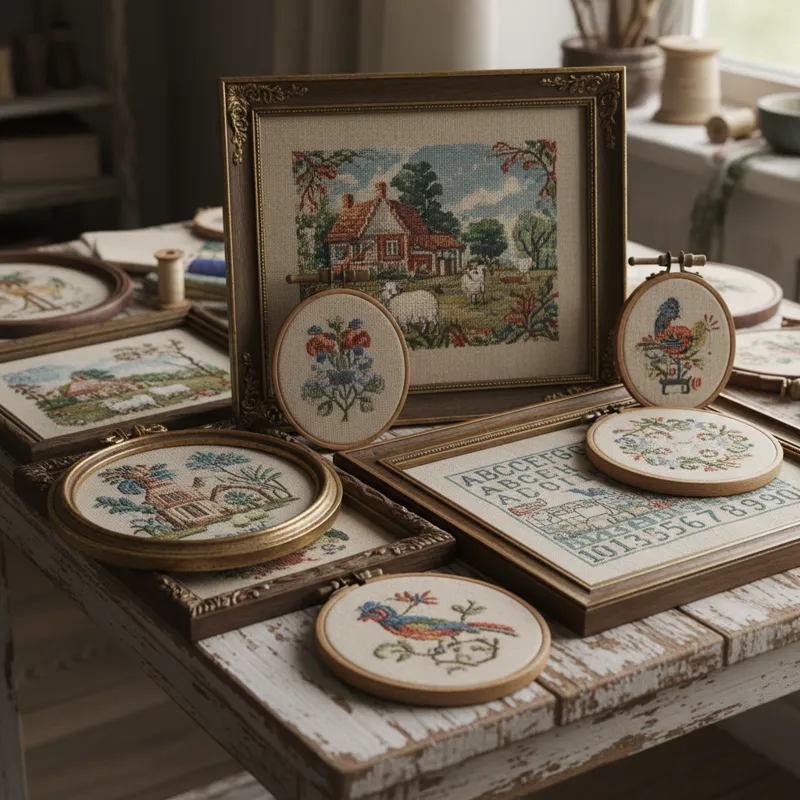
When we talk about “vintage framed embroidery,” we’re generally referring to pieces that are at least 20 years old, but typically less than 100 years old (at which point they might be considered antique). This timeframe encompasses a rich period of textile art, from the late 19th century through much of the 20th century, before widespread industrialization significantly altered the landscape of domestic crafts. The definition isn’t just about age, however; it’s also about the prevailing styles, materials, and techniques that mark a specific era. For instance, the Victorian era saw a surge in intricate floral designs and sentimental motifs, often executed in silk or fine wool. Moving into the early to mid-20th century, folk art influences, pictorial scenes, and later, more abstract or whimsical patterns became common. Many of these pieces were made by skilled embroidery artists working independently or as part of craft guilds, showcasing a significant range of skill.
The value and appeal of vintage framed embroidery stem from this historical context. Each piece is a tangible link to a bygone era, offering a glimpse into domestic life, fashion, and artistic trends. It’s a testament to patience and craftsmanship, often created without the aid of modern patterns or tools.
Common Eras and Their Distinctive Styles
Different periods brought unique characteristics to embroidery:
-
- Victorian Era (c. 1837-1901): Expect elaborate floral motifs, often symbolizing sentimentality (e.g., forget-me-nots, roses). Scenes might include pastoral landscapes, children, or religious themes. Materials frequently involved silk, wool, and velvet, with techniques like crewel work, cross-stitch, and intricate stumpwork. Frames were often ornate, made of dark wood, or featuring gilding.
- Arts and Crafts Movement (c. 1880-1920): A reaction against industrialization, this period emphasized natural forms, stylized flora and fauna, and medieval influences. Embroidery was less fussy, often featuring simpler stitches and natural fibers like linen and cotton, with a focus on functional beauty. Frames tended to be plainer, robust oak or other natural woods.
- Art Deco (c. 1920s-1930s): Geometric patterns, stylized figures, and bold colors characterize this era. Embroidery might feature streamlined shapes, exotic themes, or abstract designs. Threads could include rayon or other new synthetic blends, alongside traditional cotton. Frames were often sleek, sometimes lacquered, or chrome-accented.
- Mid-Century Modern (c. 1940s-1960s): Post-war, embroidery saw a blend of traditional techniques with modern aesthetics. Abstract designs, whimsical animals, and simplified florals became popular. Kits became more common, and designs might reflect atomic-age influences or folk-art revival. Frames were typically simple, clean-lined wood, sometimes painted.
- 1970s and 1980s: The resurgence of crafts led to bolder colors, psychedelic patterns, needlepoint caricatures, and often larger, more accessible designs. Macramé and yarn art often combined with embroidery. Frames were sometimes chunky wood, or simpler, thin metal designs.
Identifying Authentic Vintage Framed Embroidery
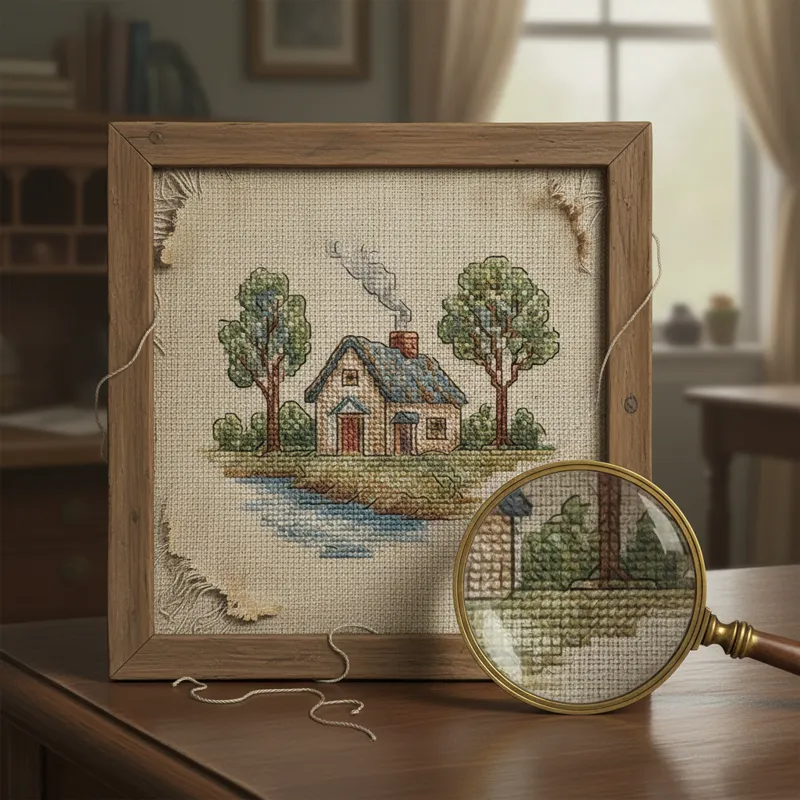
Close-up of an old, slightly faded piece of framed cross-stitch embroidery, showing natural wear, specific stitching, and the texture of the fabric, with a magnifying glass nearby.
Identifying authentic vintage framed embroidery involves a careful examination of several key factors. It’s less about finding a specific tag and more about piecing together clues from the materials, techniques, and overall condition. A genuinely vintage piece will show signs of its age naturally, rather than appearing artificially distressed.
Clues from the Fabric and Threads
The base fabric is often your first tell. Older pieces commonly use natural fibers like:
-
- Linen: Fine, even-weave linen was a popular choice for many types of embroidery, particularly crewel work and samplers. Look for irregularities in the weave that are characteristic of older, hand-loomed fabrics.
- Cotton: Broadcloth or aida cloth (for cross-stitch) became more common in the late 19th and 20th centuries. Older cotton might have a softer hand or a slightly uneven texture compared to modern machine-produced cloth.
- Wool or Silk: These were often used for richer, more detailed pieces, especially in the Victorian era. The luster and feel of vintage silk or wool threads are distinct from modern synthetic versions.
Examine the threads themselves. Older threads, particularly vegetable-dyed ones, might show some subtle fading or discoloration, especially if exposed to light unevenly over time. Synthetic threads only became widely available much later in the 20th century, so their presence can help date a piece.
Stitching Techniques and Quality
The type and quality of stitching are crucial. Hand-embroidered pieces, especially older ones, often display minor inconsistencies. These aren’t flaws, but rather marks of human touch:
-
- Evenness: While generally neat, hand stitching might have slight variations in tension or stitch length that a machine-made piece would not.
- Stitch Types: Common stitches include cross-stitch, needlepoint (tent stitch), crewel embroidery (long and short stitch, French knots), satin stitch, chain stitch, and various surface embroidery techniques. Familiarize yourself with how these look.
- Reverse Side: If you can see the back of the embroidery (e.g., through a loose backing or if it’s unframed), examine it. Hand-embroidered pieces usually have a tidier back than machine embroidery, though some complexity is expected. Machine embroidery often has a uniform, almost perfect reverse.
Pay attention to the complexity and density. Some custom needle point pieces, for example, could be incredibly dense, indicating many hours of work. The older the piece, generally the more intricate the stitching reflects the value placed on handcraft during that period.
The Frame and Backing
The frame itself can offer significant clues:
-
- Construction: Older frames were often joined with mortise and tenon joints, sometimes secured with small nails or pegs. Look for hand-cut dovetails or similar joinery instead of staples or industrial hardware.
- Wood Type: Darker woods like mahogany, walnut, or oak were popular in earlier periods. Painted or gilded frames also have characteristic aging patterns.
- Glass: Very old glass might have ripples, bubbles, or slight imperfections. Wavy glass is a strong indicator of age.
- Hardware: Hanging hardware (hooks, wires) can also offer dating clues. Older pieces might use twisted wire, eye screws, or simpler loops, sometimes with corrosion that indicates age.
- Backing: The backing material is very important. Original vintage framed embroidery often uses brown paper backing, cardboard, or even newspaper as padding, sometimes held in place with tiny nails or tacks. Look for signs of age in these materials—brittleness, discoloration, or old handwritten labels. The presence of contemporary acid-free materials usually indicates a more recent framing or re-framing. Be wary of perfectly pristine backings on otherwise “vintage” pieces, as this might suggest a modern reproduction.
What Most People Get Wrong
Many people mistakenly assume that any old-looking embroidery is valuable. This isn’t always true. The market for vintage framed embroidery is nuanced. Here’s what often gets misunderstood:
-
- Age Doesn’t Always Equal Value: While age is a factor, condition, rarity, artistic merit, and the skill of the execution are equally, if not more, important. A poorly executed piece from the 1930s might be less valuable than a well-preserved, highly artistic piece from the 1960s.
- Confusing Kits with Fine Art: Many vintage pieces, especially from the mid-20th century onwards, were made from commercial kits. While still charming and handmade, these generally don’t command the same prices as original designs or heirloom pieces. Look for unique design elements that suggest it wasn’t a standard kit.
- Overlooking Condition Issues: Fading, staining, tears, and insect damage significantly reduce a piece’s value. While some wear is expected, severe damage makes a piece less desirable to collectors unless it’s exceptionally rare.
- Ignoring the Frame’s Impact: A period-appropriate, high-quality frame can add significant value and authenticity. A beautiful piece of embroidery in a cheap, modern frame (or vice versa) can impact its overall presentation and perceived value.
- Assuming All “Cross-Stitch” is the Same: While cross-stitch is a popular technique, the quality of the thread, the intricacy of the pattern, and the evenness of the stitches vary widely. Don’t lump all cross-stitch together; some can be incredibly detailed and fine art.
Integrating Vintage Framed Embroidery into Modern Decor
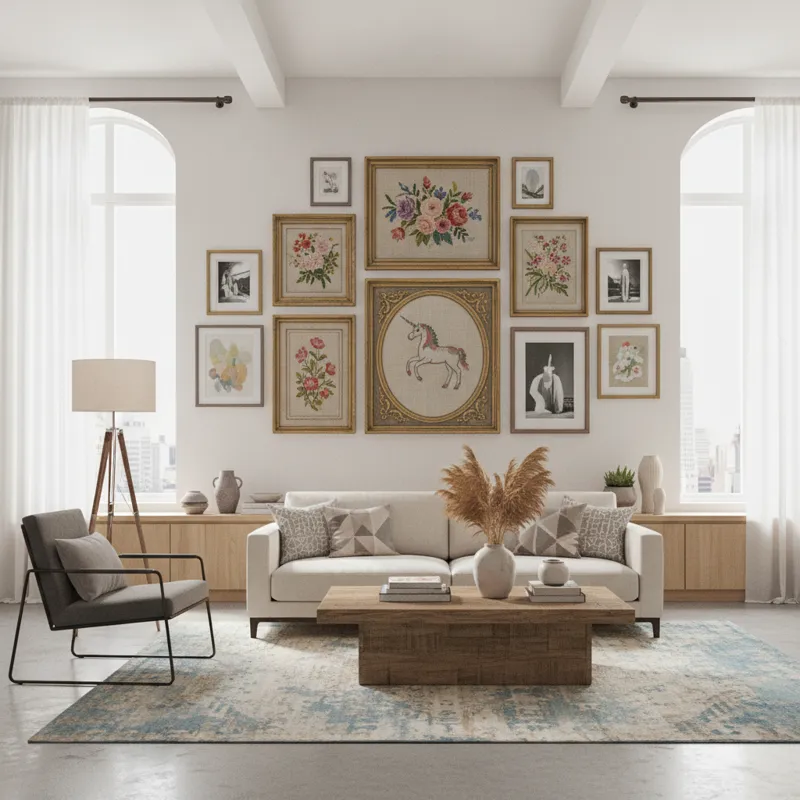
A stylish living room with a mix of modern furniture and a carefully curated gallery wall featuring several vintage framed embroidery pieces alongside contemporary art, creating an eclectic yet cohesive look.
Vintage framed embroidery might seem like an odd fit for a modern home, but with thoughtful placement, it can add depth, texture, and a touch of curated charm. The key is to blend the old with the new, creating visual interest rather than clashing styles. These pieces can be remarkably versatile, fitting into various aesthetics from eclectic bohemian to refined traditional, and even minimalist spaces seeking a touch of warmth.
Styling Tips for Every Room
-
- Gallery Walls: This is arguably the most popular way to display multiple pieces. Mix different sizes, shapes, and embroidery styles with other types of art—photographs, contemporary prints, or even small mirrors. A cohesive color palette across the embroidery pieces or their frames can tie an eclectic collection together. Consider creating a gallery wall that includes varying textures, such as a wall art for walls mix of framed art and even small sculptural elements.
- Focal Point: A single, large, or particularly striking piece of vintage framed embroidery can serve as a focal point above a mantelpiece, a bed, or a sideboard. Choose a piece with strong visual appeal—perhaps a bold embroidery border design or a vibrant color scheme—to draw the eye.
- Layered Look: In more traditional or maximalist settings, lean a framed piece against a wall on a shelf or console table, layering it in front of larger artwork or decorative objects. This creates an inviting, lived-in feel.
- Unexpected Placements: Don’t limit yourself to living rooms or bedrooms. A small, charming piece of vintage framed embroidery can add personality to a powder room, a quiet corner in a home office, or even a kitchen nook.
Choosing Pieces that Complement Your Aesthetic
The beauty of vintage framed embroidery lies in its diversity. You can find pieces that echo almost any design preference:
-
- Minimalist/Scandinavian: Look for pieces with simple designs, muted colors, or naturalistic motifs. White-on-white or monochromatic embroidery in a clean, understated frame can be stunning.
- Bohemian/Eclectic: Embrace a mix of styles, colors, and textures. Pieces with folk art influences, bright colors, or whimsical animal motifs work wonderfully. Don’t be afraid to mix different frame types.
- Traditional/Farmhouse: Samplers, pastoral scenes, or floral designs in warm, earthy tones are ideal. Wooden frames, especially those with some character, will enhance the look.
- Modern/Contemporary: Seek out vintage pieces with abstract patterns, geometric designs (especially Art Deco era), or bold, graphic elements. Sometimes, re-framing a vintage embroidery in a sleek, modern frame can bridge the gap perfectly. For instance, a beautifully crafted piece with contemporary embroidery designs from a specific era can look fresh in a simple black or metallic frame.
Consider the color palette of your room. You can choose embroidery that either harmonizes with your existing colors or provides a deliberate pop of contrasting color. The texture of the embroidery itself—the raised stitches, the matte or sheen of the thread—adds a tactile dimension that paintings or prints can’t replicate.
Caring for Your Vintage Framed Embroidery
Preserving the beauty and integrity of your vintage framed embroidery requires careful attention. Textiles are inherently delicate and susceptible to environmental factors, so understanding proper care is crucial to ensuring your pieces last for generations.
Environmental Control is Key
The biggest threats to textile art are light, humidity, and temperature fluctuations:
-
- Light Exposure: Direct sunlight is the enemy of textiles. UV rays cause fading, degradation of fibers, and can permanently alter colors. Display your vintage framed embroidery away from windows or in rooms with controlled natural light. If display near a window is unavoidable, consider UV-filtering glass for the frame. Even indirect light over long periods can cause subtle fading, so rotate pieces or periodically adjust their placement.
- Humidity and Temperature: High humidity encourages mold and mildew growth, while low humidity can make fibers brittle. Extreme temperature swings can cause the frame and fabric to expand and contract, leading to damage. Aim for a stable environment with moderate temperature (around 68-72°F or 20-22°C) and relative humidity (around 45-55%). Avoid hanging pieces in bathrooms, kitchens, or directly above heat sources or air conditioning vents.
For more detailed information on textile preservation, resources like the Library of Congress preservation guides offer excellent advice.
Cleaning and Maintenance
Generally, less intervention is more when it comes to cleaning vintage textiles:
-
- Dusting: The most common maintenance task is gentle dusting. Use a soft, clean, dry paintbrush or a micro-fiber cloth. Never use harsh chemicals or wet cloths directly on the embroidery. For framed pieces, carefully wipe the glass and frame. If the embroidery itself seems dusty and is not behind glass, very gently brush surface dust off with a soft camel hair brush.
- Avoid Touching: The oils from your hands can stain and degrade fibers over time. Handle framed pieces by the frame, and if you must touch the textile, wear clean cotton gloves.
- No DIY Washing: Unless you are a trained textile conservator, never attempt to wash or wet-clean vintage embroidery. Water can cause dyes to bleed, fibers to shrink, and irreversible damage.
When to Seek Professional Conservation
If your vintage framed embroidery has significant issues like mold, insect damage, tears, heavy staining, or extensive fraying, it’s best to consult a professional textile conservator. They have the expertise, specialized tools, and knowledge of archival materials to safely clean, repair, and stabilize the piece without causing further damage. A conservator can also advise on optimal framing and display solutions, such as using acid-free matting and backing, or museum-quality glass, which are crucial for long-term preservation.
Finding a qualified conservator can be done through organizations like the American Institute for Conservation of Historic and Artistic Works (AIC).
The Enduring Appeal of Textile Art
In an era dominated by digital screens and mass-produced goods, the tangible, handcrafted nature of vintage framed embroidery holds a special resonance. These pieces represent a slower time, a dedication to craft, and often, a personal story. They offer a unique warmth and texture that other art forms simply cannot replicate.
The beauty of textile art, particularly embroidery, lies in its tactile quality and the visible human effort embedded in every stitch. Each imperfection, each slightly uneven thread, tells a story of the maker’s hand, patience, and artistic vision. This connection to human ingenuity and heritage is profoundly appealing in 2026, as we increasingly seek out items with character and provenance.
Furthermore, vintage framed embroidery is inherently sustainable. By choosing to incorporate these pieces into your home, you are participating in a cycle of reuse and appreciation, giving new life to forgotten treasures. It’s a conscious choice to value skill and history over disposable trends. Whether you’re drawn to the intricate florals, the charming samplers, or the quirky pictorials, vintage framed embroidery offers a personal, meaningful way to adorn your living space.
Frequently Asked Questions About Vintage Framed Embroidery
Q: How can I tell if my vintage framed embroidery is valuable?
A: Value depends on several factors: age, condition, rarity, the skill of the embroiderer, the complexity of the design, and provenance (if known). Pieces by recognized embroidery artists or those from specific historical periods with intricate work tend to be more valuable. Significant fading, stains, or damage will reduce value. It’s best to consult an appraiser specializing in textiles or antiques for a professional valuation, especially for higher-end pieces.
Q: Can I re-frame vintage embroidery?
A: Yes, you can. In many cases, re-framing is beneficial, especially if the original frame or backing is not acid-free or is causing damage. A professional framer specializing in conservation framing can use archival-quality materials (acid-free mat board, UV-filtering glass) to protect the embroidery. They can also ensure the piece is properly mounted without adhesive that might damage the fabric. Sometimes, a new frame can help a piece with contemporary embroidery designs integrate better into a modern space.
Q: Is it safe to hang vintage framed embroidery in direct sunlight?
A: No, absolutely avoid direct sunlight. UV rays will cause irreversible fading and damage to the textile fibers and colors. Even indirect, strong light can cause damage over time. Display your pieces in areas with controlled lighting, or consider using conservation-grade UV-filtering glass when framing.
Q: How do I clean the textile part of my framed embroidery?
A: For general maintenance, gently dust the glass and frame with a soft, dry cloth. If the embroidery itself is exposed (not behind glass), use a very soft, clean, dry paintbrush to gently brush away surface dust. Never use water, cleaning solutions, or vacuum cleaners directly on the embroidery, as this can cause significant damage. For deep cleaning or stain removal, consult a professional textile conservator.
Q: What’s the difference between vintage framed embroidery and antique framed embroidery?
A: Generally, a piece is considered “vintage” if it’s at least 20 years old but less than 100 years old. “Antique” refers to pieces that are 100 years old or more. Both categories can be highly collectible and valuable, with antiques often commanding higher prices due to their age and historical significance.
Q: Can vintage embroidery contain lead or other hazardous materials?
A: It’s possible for very old frames to contain lead in their paint or finishes, especially those from before the late 1970s. The embroidery itself is less likely to contain hazardous materials unless it was treated with something unusual. If you’re concerned about lead paint on a frame, you can test it with a lead test kit. Handle old frames with care and wash hands after handling. For further reading, government resources like the EPA’s information on lead can provide context.


