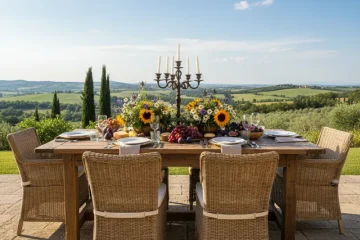
If you’re looking for real wood dining room table sets, finding quality walnut furniture can be a journey through a world of natural beauty and skilled craftsmanship. Walnut, with its distinctive grain and rich, inviting hues, has long been a staple in fine furniture making, celebrated for both its aesthetic appeal and its practical durability. Understanding what makes walnut furniture truly exceptional means looking beyond its initial appearance and diving into the wood itself, the construction methods, and the care it demands. This guide aims to equip you with the knowledge to identify genuine, high-quality pieces, appreciate their inherent value, and ultimately select furniture that will not only complement your home’s style but also stand the test of time, becoming a cherished part of your living space for years to come.
Understanding Walnut Wood: Species, Characteristics, and Origin

Walnut isn’t just one type of wood; it primarily refers to species within the Juglans genus. For those seeking walnut furniture in the United States, the focus overwhelmingly lands on American Black Walnut. While European Walnut (also known as English Walnut or French Walnut) exists, it’s less common in new American-made furniture due to availability and cost. Understanding these distinctions and the wood’s inherent characteristics is the first step in appreciating what you’re buying.
The American Black Walnut: A North American Treasure
American Black Walnut (Juglans nigra) stands as the gold standard for high-end wood furniture in North America. It’s a temperate hardwood native to the eastern United States, known for its superb workability and striking appearance.
- Color: The heartwood, which forms the core of the tree, typically displays a rich, dark brown color, often with purple or reddish undertones. This deep hue is what most people associate with classic dark walnut furniture. The sapwood, the outer part of the tree, is much lighter, ranging from pale yellow to gray. In quality solid walnut furniture, you’ll often see a blend of these colors, though manufacturers may steam the lumber to darken the sapwood and create a more uniform appearance.
- Grain Pattern: Black walnut wood furniture boasts a beautiful, often straight grain, but it can also feature decorative waves, curls, and burls, adding immense character to each piece. This distinct grain is one of its most recognizable traits.
- Hardness and Durability: With a Janka hardness rating of around 1,010 lbf, American Black Walnut is considered a medium-hard wood. It’s hard enough to resist dents and dings in everyday use, yet not so hard that it becomes brittle. This balance contributes significantly to its longevity and reputation as a durable material for dining room chairs walnut or tables. It holds screws and glues well, making it excellent for intricate joinery.
- Stability: Walnut is prized for its stability. Once properly dried, it exhibits minimal movement in response to changes in humidity, making it less prone to warping or cracking compared to some other hardwoods.
Identifying Genuine Walnut: Beyond the Stain
Distinguishing genuine walnut from imitations or other woods stained to a walnut color is crucial for any discerning buyer. Many manufacturers use less expensive woods and apply a “walnut finish” or “walnut color” to mimic the look.
- Grain Inspection: Real walnut has a unique, open grain pattern that feels slightly textured. Look closely for the characteristic waves and sometimes “cathedral” patterns. If the grain appears too uniform, painted on, or unnaturally smooth, it might be a veneer or a stained imitation.
- Color Consistency (or lack thereof): While stained woods can achieve a dark hue, they often lack the depth and subtle variations inherent in natural walnut. Genuine walnut furniture will typically show a spectrum of browns, sometimes with reddish or purplish tints, even within a single board. The sapwood may be visible as lighter streaks, unless the wood has been steamed or heavily stained to obscure it.
- Weight: Walnut is a moderately dense wood. A piece of solid walnut furniture will feel substantial and heavier than furniture made from lighter woods, even if they’re stained to look similar.
- End Grain: If you can see the end grain (e.g., on the underside of a table, inside a drawer), it should show small pores and the characteristic growth rings of walnut. Stained woods will reveal the end grain of the underlying species, which will differ significantly.
The Enduring Appeal of Walnut Furniture

Walnut furniture doesn’t just look good; it embodies a set of characteristics that make it perennially popular and a smart choice for interior design in 2026. Its appeal lies in a combination of visual charm and practical benefits that few other woods can match.
Aesthetic Versatility: From Modern to Traditional
One of walnut’s greatest strengths is its chameleon-like ability to adapt to diverse design aesthetics.
- Rich Warmth: The deep, often complex brown tones of dark walnut furniture bring an inherent warmth and sophistication to any space. It feels grounding and luxurious without being ostentatious. This richness allows it to pair beautifully with a wide array of color palettes, from cool grays and blues to vibrant greens and earth tones.
- Complementary to Modern Design: In contemporary and minimalist settings, the clean lines of modern walnut furniture allow the wood’s natural beauty to shine. It adds a touch of organic warmth to otherwise stark or industrial designs. Its fine grain and ability to take a smooth finish make it ideal for sleek, sculptural pieces.
- Timeless in Traditional Settings: For more classic or traditional interiors, walnut’s inherent elegance is a natural fit. Its history in fine cabinetry and antique furniture means it evokes a sense of heritage and enduring style. Paired with ornate carvings or classic profiles, it contributes to a stately and refined atmosphere.
- Biophilic Integration: In 2026, with an increased focus on biophilic design—bringing elements of nature indoors—walnut’s organic texture and natural color variations make it an excellent choice. It connects spaces to the natural world, promoting a sense of calm and well-being.
Durability and Longevity: A Generational Investment
When you choose walnut furniture, you’re not just buying a piece for today; you’re investing in an heirloom.
- Resistance to Wear: Walnut’s moderate hardness means it can withstand the rigors of daily life remarkably well. It’s less prone to scratching and denting than softer woods, making it an excellent choice for high-traffic areas like dining rooms or living spaces.
- Stable Performance: As mentioned, walnut is a stable wood, meaning it resists warping, shrinking, and swelling when exposed to typical indoor humidity fluctuations. This stability is crucial for furniture integrity, ensuring doors close smoothly and joints remain tight over decades.
- Aging Gracefully: Unlike some woods that can look tired with age, walnut develops a beautiful patina over time. Minor imperfections often blend into its rich character, enhancing its story rather than detracting from its appearance. With proper care, walnut furniture can genuinely last for generations, often increasing in sentimental, if not monetary, value. This makes black walnut furniture an investment in quality of life and future heritage.
Types of Walnut Furniture and Construction Quality

Navigating the world of walnut furniture means understanding the various ways it can be constructed. Not all “walnut” furniture is created equal, and distinguishing between solid wood, veneer, and stained pieces is critical for making an informed purchase. Beyond the material, the quality of construction dictates a piece’s longevity and performance.
Solid Walnut vs. Veneer vs. Walnut-Finished Pieces
The terminology around wood furniture can be confusing. Here’s a breakdown:
- Solid Walnut Furniture: This is the pinnacle of walnut furniture. It means that all visible and structural components are made from solid pieces of walnut wood. This offers the ultimate in durability, stability, and repairability. If a solid walnut dining table gets a deep scratch, it can often be sanded and refinished multiple times throughout its life. However, solid walnut is also the most expensive option due to the cost of the raw material and the skilled labor required to work it. The natural variations in grain and color are most pronounced here, making each piece unique.
- Walnut Veneer: Walnut veneer furniture uses thin slices of real walnut wood (the veneer) glued onto a less expensive substrate, such as plywood or MDF (medium-density fiberboard). High-quality veneer furniture can be exceptionally durable and stable, often more so than solid wood in certain applications, as the substrate is engineered for stability. Veneer allows for broader grain matches across larger surfaces and can be more environmentally friendly as it makes more efficient use of a valuable resource. It’s also typically more affordable than solid walnut. The key is “high-quality veneer,” which uses thicker slices and excellent bonding. Low-quality veneer can chip or peel over time.
- Walnut-Finished (or Walnut-Colored) Furniture: This term means the furniture is made from an entirely different, less expensive wood (like rubberwood, poplar, or even pine) or engineered wood, which is then stained to achieve a color resembling walnut. It contains no actual walnut wood. This is the most budget-friendly option, but it lacks the grain, depth, and inherent characteristics of real walnut. It won’t develop a patina, and repairs will reveal the underlying wood, which won’t match the stained surface. This type of furniture is often labeled as “walnut finish” or “walnut stain.”
When you’re looking for real walnut furniture, always clarify if it’s solid, veneered, or merely stained. A reputable seller will be transparent about the construction.
Joinery and Craftsmanship: What to Look For
Beyond the type of wood used, the methods of joining pieces of wood together are paramount to a furniture’s structural integrity and longevity.
- Dovetail Joints: Often seen in drawer construction, dovetails are interlocking “wedge” shapes that create an incredibly strong, resistant-to-pulling-apart joint without the need for mechanical fasteners. They are a hallmark of quality craftsmanship.
- Mortise and Tenon Joints: This classic woodworking joint involves a “tenon” (a projecting piece) fitting into a “mortise” (a corresponding hole or slot). It’s incredibly strong and stable, often used for connecting legs to aprons on tables and chairs.
- Dowels and Biscuits: Dowels are round wooden pegs inserted into corresponding holes, while biscuits are flattened, football-shaped pieces. Both are used with glue to reinforce butt joints, offering good strength.
- Corner Blocks and Screws: For larger frame structures, solid wood corner blocks reinforced with screws and glue are a good sign of durability. Avoid pieces held together primarily with staples, visible nails, or weak butt joints.
- Finishing: A quality finish protects the wood and enhances its beauty. Look for smooth, even application, free from drips, bubbles, or dull spots. The finish should feel durable and well-integrated into the wood, not like a plastic coating sitting on top.
- Weight and Feel: Well-constructed furniture, especially solid walnut, will feel substantial. Open and close drawers; they should glide smoothly, ideally on full-extension metal glides or well-fitted wood runners. Doors should swing freely and close securely. These tactile cues often reveal much about overall quality.
Caring for Your Walnut Furniture: Maintenance for Lasting Beauty
Walnut furniture is durable, but like any fine investment, it benefits immensely from consistent and correct care. Proper maintenance ensures its rich color, distinct grain, and structural integrity remain intact for decades.
Everyday Cleaning and Protection
Your daily habits are the first line of defense in preserving your black walnut wood furniture.
- Dust Regularly: Dust contains abrasive particles that can scratch your finish. Use a soft, dry, lint-free cloth (microfiber is ideal) to dust surfaces regularly, ideally once a week. Avoid feather dusters which merely redistribute dust.
- Clean Spills Immediately: Walnut is fairly water-resistant, but prolonged exposure to moisture can leave marks or penetrate the finish. Blot spills gently with a soft, clean cloth. Never rub or scrub a fresh spill, as this can spread the liquid or damage the finish.
- Mild Cleaning Solutions: For more thorough cleaning, dampen a soft cloth with a very mild soap solution (e.g., a few drops of dish soap in water). Wipe the surface, then immediately follow with a clean, dry cloth. Avoid harsh chemical cleaners, silicone-based polishes, or abrasive materials, which can strip or damage the finish over time. A simple damp cloth followed by a dry one is usually sufficient for most walnut finishes.
- Protect from Heat and Moisture: Always use coasters under glasses, especially those with condensation. Place placemats or trivets under hot dishes. Avoid placing furniture directly next to heat sources like radiators or in direct, prolonged sunlight, as this can cause drying, fading, or cracking.
- Control Humidity: Wood is hygroscopic, meaning it absorbs and releases moisture from the air. Extreme fluctuations in humidity can cause wood to expand and contract, leading to cracks or warping. Maintaining a consistent indoor humidity level (ideally between 40-50%) is beneficial for all solid wood furniture. A humidifier in dry climates or a dehumidifier in humid ones can help.
Addressing Scratches, Dents, and Watermarks
Even with the best care, accidents happen. Knowing how to address minor damage can save you from costly repairs.
- Minor Scratches: For very light surface scratches that haven’t penetrated the finish, you might try a wood touch-up marker or crayon that matches your walnut’s specific walnut colour furniture. Some people have success with rubbing a walnut meat (yes, the nut itself!) into a light scratch, as the natural oils can help blend it in. Specialized scratch repair kits are also available.
- Deeper Scratches/Dents: These often require more advanced techniques. For dents where wood fibers are compressed but not broken, a damp cloth and a warm iron can sometimes lift the fibers. For deeper scratches or gouges, professional repair may be needed, as it often involves filling, sanding, and re-finishing.
- Watermarks (White Rings): These are typically moisture trapped in the finish. For surface-level white rings, you can sometimes remove them by gently rubbing with a soft cloth and a paste of non-gel toothpaste, a mixture of olive oil and vinegar, or a specialty watermark remover. Be cautious and test in an inconspicuous area first. If the water has penetrated deeper, professional help might be required.
- Fading: Over long periods, direct sunlight can cause walnut to lighten. Rotating pieces periodically or using UV-filtering window treatments can help.
- Oiling (for oiled finishes): If your walnut furniture has an oil finish (rather than a lacquer or varnish), it will need re-oiling periodically (e.g., every 6-12 months) to maintain its luster and protection. Follow the manufacturer’s specific recommendations for the type of oil to use.
When in doubt about repairs, especially for valuable or antique pieces, consult a professional furniture restorer. Their expertise can prevent further damage and restore the piece to its former glory.
What Most People Get Wrong About Walnut Furniture
Despite its popularity, several common misconceptions surround walnut furniture. These misunderstandings can lead to disappointment or a poor purchasing decision. Being aware of these helps you approach your purchase with realistic expectations.
Misconceptions About Color and Finish
Many people have a very specific, often idealized, image of walnut’s color, which doesn’t always align with reality.
- Uniformly Dark Brown: The biggest misconception is that all walnut furniture should be a uniformly dark, rich brown. While the heartwood is dark, walnut wood naturally contains significant color variations. It often has lighter sapwood (which can be steamed to darken but rarely matches the heartwood perfectly), and streaks of lighter or purplish hues. The specific tree, its growing conditions, and how the wood is cut all influence the final look. If you see walnut colored furniture that is perfectly uniform, it’s likely heavily stained, a veneer from a very select batch, or not walnut at all.
- Walnut Color is Walnut Wood: As discussed earlier, a “walnut finish” or “walnut stain” does not mean the furniture is made of walnut. It simply refers to the color applied to a different, usually cheaper, wood. Always differentiate between “walnut wood” and “walnut color.”
- It Stays the Same Color Forever: Walnut, like most natural woods, is photosensitive. Over time, exposure to light (especially sunlight) will cause walnut to lighten and develop a beautiful, slightly warmer tone. While some finishes can slow this process, it’s a natural part of the wood’s aging. Expect subtle shifts, not a static color.
The “Solid Wood” Trap
While “solid wood” often signifies quality, it’s not a blanket guarantee, and it’s certainly not the only viable option for high-quality furniture.
- Solid Doesn’t Always Mean Better: Many assume “solid wood” is always superior, but a well-constructed veneer piece can outperform a poorly constructed solid wood piece. Veneers, especially high-quality ones, can offer greater stability, especially for large, flat surfaces like tabletops, by minimizing wood movement. A solid slab of wood is more prone to warping, cracking, and checking if not properly dried and constructed. A solid wood piece made with poor joinery or cheap lumber can fail faster than a good quality veneered piece.
- Assuming All Dark Wood is Walnut: Due to its desirable dark aesthetic, many other woods are stained to mimic walnut. It’s common for woods like oak, ash, or even mango to be stained dark brown. If a price seems too good to be true for genuine black walnut wood furniture, it likely is. Always ask about the specific species of wood used, not just the finish color. For example, a oak dining table and six chairs could be stained to a dark walnut color, but it’s still oak. Similarly, a grey wood dining table might have its unique charm, but it’s clearly not trying to be walnut.
Understanding these common pitfalls helps buyers make more informed decisions, aligning expectations with the realities of wood and furniture manufacturing.
Walnut Furniture in Contemporary Design (2026 Context)
As we move through 2026, walnut furniture continues to hold a prominent place in interior design, evolving with contemporary aesthetics while retaining its timeless appeal. Its versatility allows it to adapt to emerging trends, securing its position as a favored material for discerning homeowners.
- Warm Modernism: The stark, cool minimalism of previous decades is giving way to “warm modernism.” Walnut’s rich, inviting tones perfectly complement this shift, bringing coziness and natural texture to otherwise minimalist spaces. It softens clean lines and adds depth, creating environments that are both sophisticated and comfortable.
- Biophilic Design Integration: With an increasing emphasis on connecting interiors with nature, walnut is a natural fit for biophilic design. Its organic grain and deep hues create a sense of grounding and tranquility. Designers are using walnut to craft pieces that feel artisanal and hand-hewn, celebrating the wood’s natural characteristics.
- Mixed Materials: Contemporary walnut pieces often feature thoughtful integration of other materials. Black walnut furniture is frequently paired with blackened steel or brass accents for an industrial-chic edge, or with woven textures and natural stone for an organic, tactile feel. This layering of materials enhances the overall aesthetic and prevents spaces from feeling monolithic.
- Functionality and Form: The demand for multi-functional and well-designed pieces continues. Walnut is being used in innovative ways for modular storage, integrated tech solutions in home offices, and adaptive living room furniture. Its durability means these pieces can withstand the demands of modern lifestyles, offering both beauty and utility.
- Sustainability Focus: In 2026, conscious consumerism is paramount. Reputable manufacturers of walnut furniture are often highlighting their sustainable sourcing practices, certifications, and efforts to minimize waste. The longevity of walnut pieces itself contributes to sustainability, as it reduces the need for frequent replacements.
Whether it’s a sculptural dining table, a sleek home office desk, or a statement credenza, walnut furniture remains a relevant and highly sought-after element in today’s most stylish interiors, proving its enduring adaptability.
Is Walnut Furniture a Good Investment? Assessing Value and Resale
Considering the cost of high-quality walnut furniture, it’s natural to ask: Is it a good investment? The answer, for the most part, is yes, especially when compared to mass-produced, lower-quality alternatives. However, like any investment, its long-term value depends on several factors.
- Inherent Value of the Material: American Black Walnut is a premium hardwood. Its relative scarcity, combined with its desirable working properties and aesthetic, means the raw material itself holds significant value. This translates directly to the price of solid walnut furniture.
- Longevity and Durability: As discussed, well-made walnut furniture is built to last. A piece that can withstand decades of use without falling apart or looking dated offers excellent value per year of ownership. This isn’t just about avoiding replacement costs; it’s about owning something that remains functional and beautiful.
- Timeless Aesthetic: Walnut’s classic appeal means it’s less susceptible to fleeting trends. A well-designed walnut piece will likely look as good in ten or twenty years as it does today. This “timelessness” contributes to its enduring value and potential for resale.
- Craftsmanship Matters: The investment value significantly increases with superior craftsmanship. Pieces featuring solid wood construction, expertly executed joinery (dovetails, mortise and tenon), and a high-quality finish will retain their value much better than poorly made alternatives. These details demonstrate an investment in skill and labor that adds to the overall worth.
- Resale Potential: While most furniture depreciates over time, well-maintained, high-quality walnut pieces tend to hold their value better than most. Certain iconic designs or pieces from renowned manufacturers can even appreciate. The demand for authentic, durable wood furniture, particularly black walnut, remains strong in the secondary market. Websites like 1stDibs or specialized antique dealers frequently feature vintage walnut pieces at significant prices, especially those from mid-century modern eras.
- Sentimental and Legacy Value: Beyond monetary returns, quality walnut furniture offers significant non-monetary value. It becomes part of your home’s story, witnessing family gatherings and daily life. Such pieces are often passed down through generations, building a legacy that cheaper furniture simply cannot.
Investing in walnut furniture means investing in quality, durability, and lasting beauty. It’s a choice that pays dividends not just in aesthetics and functionality, but also in potentially offering a tangible asset that can endure and even retain value over the long term. As Forbes notes, certain furniture pieces can indeed be savvy investments when selected wisely, and walnut often fits that description. The Most Valuable Vintage Furniture To Look For Now (Forbes Advisor) highlights how durable, well-made pieces hold their own. Similarly, understanding wood types and their properties is critical to appreciating furniture value. For more on the specifics of lumber and wood properties, resources like the U. S. Forest Service website provide invaluable technical insights into various species, including walnut’s characteristics.
FAQs About Walnut Furniture
Here are answers to some of the most frequently asked questions about walnut furniture, designed for quick understanding.
How do I tell if my walnut furniture is real?
Examine the grain: real walnut has a distinct, open grain pattern with variations in color (dark brown heartwood, lighter sapwood, purplish hues). Look for consistency in pattern across surfaces, especially on edges and undersides. A solid piece will also feel substantial and heavy. If the grain looks too perfect or painted on, it might be a veneer or stained imitation.
Is walnut wood good for daily use?
Absolutely. Walnut is a moderately hard and stable wood, making it highly durable for daily use. It resists dents and scratches better than softer woods and holds its shape well against humidity changes. This makes it ideal for dining tables, chairs, desks, and other high-traffic items.
Does walnut furniture fade over time?
Yes, to some extent. Like most natural woods, walnut is photosensitive and will gradually lighten and warm in tone when exposed to light, especially direct sunlight. This is a natural aging process that contributes to its patina. Rotating pieces or using UV-filtering window treatments can help minimize uneven fading.
What’s the difference between black walnut and European walnut?
American Black Walnut (Juglans nigra) is native to North America and is known for its darker, often purplish-brown heartwood and distinct grain. European Walnut (Juglans regia), also known as English or French Walnut, tends to be slightly lighter in color, often with a grayish or reddish hue, and can have a finer, less pronounced grain. American Black Walnut is more commonly used in high-end US-made furniture.
How much does quality walnut furniture cost?
Quality walnut furniture is an investment. Prices vary significantly based on whether it’s solid walnut, high-quality veneer, the complexity of the design, craftsmanship, and brand reputation. Solid black walnut furniture will typically be among the higher-priced wood options, reflecting the cost of the raw material and expert labor. While you can find stained “walnut-look” pieces at lower price points, genuine solid or quality veneered walnut pieces will command a premium.
Choosing walnut furniture means embracing a material that offers both stunning aesthetics and robust functionality. Its rich, inviting tones and distinctive grain patterns contribute to a timeless elegance that can seamlessly integrate into diverse design schemes. From the durability of its wood to the enduring appeal of its finish, walnut stands as a testament to the value of quality craftsmanship and natural beauty. When you select a piece of genuine walnut furniture, you’re not just furnishing a room; you’re investing in a legacy, acquiring an item that will enrich your home for years, perhaps even generations, to come.