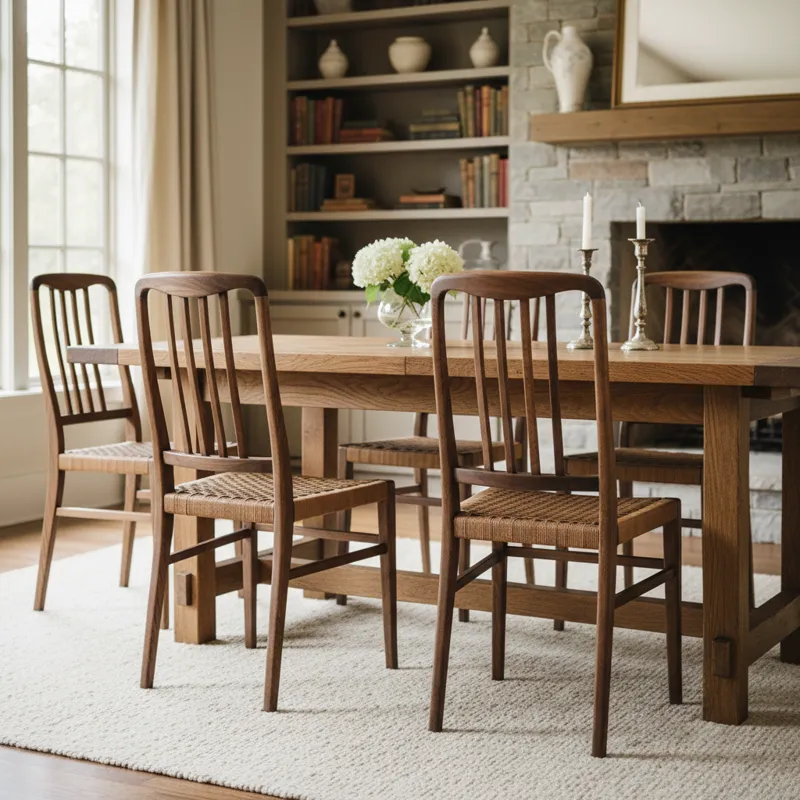
Choosing the right dining room chairs is a significant decision for any homeowner in 2026. While many options exist, few provide the timeless appeal and inherent durability of wood. If you’re looking for real wood dining table sets, finding quality wooden dining room chairs that combine style, comfort, and longevity can feel like a complex task. This guide will help you navigate the nuances of wood types, construction methods, design aesthetics, and practical considerations to ensure your investment in wooden dining chairs truly enhances your home.
Why Wooden Dining Room Chairs Remain a Top Choice

Wooden dining room chairs have been a staple in homes for centuries, and for good reason. Their enduring popularity isn’t just about tradition; it’s rooted in fundamental advantages that other materials often can’t match.
First, wood offers unmatched versatility in design. From classic Shaker styles to sleek modern profiles, wood can be shaped, carved, and finished to suit virtually any interior aesthetic. This adaptability means your wooden dining chairs can grow with your evolving taste or seamlessly integrate into an existing decor scheme.
Second, wood’s natural warmth and texture create an inviting atmosphere. Unlike metal or plastic, wood introduces an organic element, grounding your dining space with a sense of comfort and stability. Each piece of wood tells a subtle story through its grain patterns, making every chair unique.
Finally, and crucially for a high-traffic area like a dining room, wood is inherently durable. When properly constructed and cared for, quality wooden dining room chairs can last for decades, often becoming cherished family heirlooms. Their robustness handles daily use well, and minor wear can often be repaired or refinished, extending their life significantly.
Understanding Wood Types: The Foundation of Quality and Style

The type of wood used is arguably the most critical factor influencing a chair’s durability, appearance, and cost. Not all wood is created equal, and understanding the differences is key to making an informed decision.
Hardwoods: The Workhorses of Dining Furniture
Hardwoods are deciduous trees, meaning they lose their leaves seasonally. They’re denser and more durable than softwoods, making them ideal for furniture that sees heavy use.
- Oak: A classic choice, oak is known for its prominent grain patterns and exceptional strength. Red oak tends to have a reddish hue, while white oak is lighter and more resistant to moisture. Oak chairs are incredibly durable and take stains well, making them versatile for various finishes. They are a common choice for sturdy amish dining table chairs due to their strength and traditional look.
- Maple: This wood offers a fine, even grain and a light, creamy color. Maple is incredibly hard and resistant to dents and scratches, making it an excellent choice for families. It can be stained to mimic other woods or left natural for a clean, contemporary look.
- Cherry: Valued for its smooth grain and rich, reddish-brown color that deepens with age and exposure to light. Cherry is moderately hard and offers a luxurious appearance, often found in more traditional or formal settings. It’s a premium option.
- Walnut: A sophisticated choice, walnut boasts a beautiful dark brown color with a distinct, often wavy grain. It’s a strong, stable wood that resists warping, but it’s also among the more expensive options due to its beauty and relative scarcity.
- Ash: Similar in appearance to oak but often lighter in color and with a slightly coarser grain. Ash is strong, flexible, and shock-resistant, making it a good, durable option for dining chairs.
Softwoods: Budget-Friendly and Rustic Appeal
Softwoods come from coniferous trees (evergreens). They are generally less dense than hardwoods and thus more prone to dents and scratches, but they offer distinct aesthetic and cost advantages.
- Pine: The most common softwood for furniture, pine is significantly more affordable than hardwoods. It has a distinctive knotty appearance that lends itself well to rustic, farmhouse, or casual styles. While softer, quality pine construction can still be quite sturdy, though it will show wear more readily. For certain wooden kitchen table chairs, particularly in a casual setting, pine can be a suitable and charming option.
Engineered Wood with Veneer: A Practical Alternative
While solid wood is often preferred, engineered wood products like high-quality plywood or MDF (Medium-Density Fiberboard) with a real wood veneer can offer a more budget-friendly option without sacrificing too much on appearance.
- Veneer: A thin layer of real wood glued over a core of engineered wood. Good veneers can look almost indistinguishable from solid wood and offer stability, as they are less prone to warping. However, the durability largely depends on the quality of the core material and how well the veneer is applied. Scratches that penetrate the veneer can be difficult to repair invisibly.
Construction Matters: Beyond the Surface Aesthetics

A chair is only as good as its construction. Even the finest wood can result in a flimsy chair if poorly assembled. When evaluating wooden dining room chairs, look closely at how the pieces are joined.
Joinery: The Backbone of Durability
The way individual pieces of wood are connected is crucial for a chair’s stability and longevity.
- Mortise and Tenon Joints: Considered the gold standard in furniture making. A mortise (hole) is cut into one piece of wood, and a tenon (a projection) is shaped on the end of another, designed to fit snugly into the mortise. When glued, this creates an incredibly strong, interlocking joint that resists racking (wobbling).
- Dovetail Joints: Most commonly seen in drawer construction, but occasionally used in chair components. Known for their exceptional resistance to being pulled apart, they are a sign of skilled craftsmanship.
- Dowel Joints: Wooden dowels are inserted into corresponding holes in two pieces of wood, then glued. These are less robust than mortise and tenon but can be strong if multiple dowels are used per joint and fit tightly.
- Corner Blocks and Brackets: In addition to primary joinery, good chairs often incorporate corner blocks, typically triangular pieces of wood glued and screwed into interior corners (like where a leg meets the seat frame). These significantly reinforce the structure. Metal brackets, while less traditional, can also add strength when properly integrated.
- Screws and Glue: While screws alone are generally insufficient for structural points in quality chairs, they are essential for attaching seat frames and reinforcing other joints. High-quality wood glue (like PVA or epoxy) is vital for the integrity of all joints. If a chair relies predominantly on screws without proper joinery, it’s likely to loosen and wobble over time.
Frame Stability and Seat Construction
Beyond joinery, consider the overall frame design. Are the legs sturdy and well-proportioned? Do they have stretchers (horizontal bars between legs) that add stability and prevent splaying?
For the seat itself, options include:
- Solid Wood Seats: Durable and easy to clean, but can be less comfortable for extended periods without a cushion.
- Upholstered Seats: Offer enhanced comfort and a chance to introduce color or pattern. Look for high-density foam for longevity and quality fabric that can withstand wear. The upholstery should be well-attached, without sagging or loose corners.
- Cane or Rush Seats: Provide a lighter, airier look and can be quite comfortable. These require specific care and can be more prone to damage than solid wood or upholstered seats.
Finishes: Protection and Aesthetics
The finish applied to wooden chairs serves both protective and aesthetic functions.
- Lacquers and Varnishes: Create a hard, durable layer that protects against moisture and minor scratches. They come in various sheens, from matte to high-gloss.
- Oils: Penetrate the wood, enhancing its natural grain and providing a more natural, tactile feel. Oil finishes require more frequent reapplication but are easier to spot-repair.
- Paints: Offer opaque color, allowing for bold design statements. Ensure the paint is durable and chip-resistant, especially for high-traffic items.
A well-applied finish should be even, smooth, and free of drips or bubbles. For more on the art and science of protecting wood, you can explore resources like the Wikipedia page on wood finishing.
Styling Your Space: Matching Chairs to Your Home
Wooden dining room chairs offer an unparalleled range of styles, making it possible to find the perfect complement for any home.
Traditional and Classic Styles
These chairs often feature ornate carvings, cabriole legs, and rich finishes. Styles like Queen Anne, Chippendale, and Hepplewhite are timeless, bringing a sense of history and formality to a dining room. They pair beautifully with formal gray and brown dining tables or classic mahogany pieces.
Farmhouse and Rustic Designs
Characterized by simpler lines, spindle backs, ladder backs, and sometimes distressed finishes. These chairs evoke a cozy, relaxed atmosphere and often use woods like pine or oak. They are perfect for creating a warm, inviting space, often paired with a rustic dining room table with drawers for added practicality.
Modern and Contemporary Aesthetics
Modern wooden chairs emphasize clean lines, geometric shapes, and often minimalist designs. They might feature sculpted seats, tapered legs, and lighter wood tones or bold, contrasting finishes. These chairs thrive in spaces with a sleek, uncluttered feel.
Mid-Century Modern Icons
Inspired by the designs of the mid-20th century, these chairs often feature organic curves, playful angles, and a blend of wood with other materials like upholstery or sometimes metal. Iconic designs like the Wishbone chair or Eames dining chairs remain incredibly popular.
Transitional Styles
For those who appreciate elements of both traditional and modern design, transitional chairs offer a balanced approach. They might have classic forms with updated, simpler details, or modern shapes softened with traditional wood finishes. This versatility makes them excellent for bridging different design eras.
Mixing and Matching: A Contemporary Trend
Don’t feel constrained to a perfectly matched set. Mixing different styles of table chair wood or even different wood finishes can add personality and visual interest to your dining area. Just ensure there’s a unifying element, such as similar heights, a consistent color palette, or a shared design era, to maintain cohesion. Consider how wood black dining chairs could provide a striking contrast or anchor to a mixed set.
Comfort and Ergonomics: More Than Just Looks
A beautiful chair that’s uncomfortable will rarely be used. Comfort is subjective, but some ergonomic principles apply to all good dining chairs.
- Seat Height and Depth: Standard dining chair seat height is typically between 17 and 19 inches from the floor, allowing enough legroom under a standard 28-30-inch high table. Seat depth should allow most adults to sit back against the backrest with their feet flat on the floor, usually around 17-20 inches.
- Backrest Design: Look for backrests that offer good lumbar support. Some chairs have gently curved backs, while others might have vertical slats or an upholstered panel. Test the chair to see if the backrest supports your natural posture without forcing you to slouch or lean forward.
- Armrests vs. Armless: Armless chairs offer more flexibility, allowing more people to sit around a table and providing easier movement. Chairs with armrests, often used at the ends of the table, can offer greater comfort and a more formal feel, but ensure they fit under your dining table comfortably.
- Upholstery and Padding: If opting for upholstered seats, check the density and quality of the foam. High-density foam will resist compression and last longer, providing consistent comfort. The fabric choice also impacts comfort and durability, with natural fibers like cotton or linen offering breathability and synthetic blends providing stain resistance.
Durability and Longevity: Investing Wisely
Investing in quality wooden dining room chairs means investing in furniture that will withstand the test of time and use.
Daily Wear and Tear
Dining chairs are subjected to daily pushing, pulling, sitting, and occasional spills. Hardwoods with durable finishes are best equipped to handle this. Look for chairs with robust leg attachments, strong joinery, and a finish that can be easily cleaned.
Environmental Factors
Wood is a natural material that reacts to its environment. Extreme changes in humidity and temperature can cause wood to expand, contract, or even crack. Maintain a stable indoor climate to protect your chairs. Avoid placing them in direct sunlight for prolonged periods, as this can cause fading or drying out of the wood.
Maintenance and Care
Proper care significantly extends the life of your wooden chairs.
- Regular Cleaning: Wipe down chairs with a soft, damp cloth to remove dust and spills. For stubborn spots, use a mild wood cleaner.
- Protection: Use placemats or tablecloths if your chairs have matching wooden tables. Avoid harsh chemicals or abrasive cleaners.
- Moisturizing: Periodically apply a quality wood polish or conditioner to prevent the wood from drying out, especially for oiled finishes.
- Tightening Joints: Over time, even well-made chairs can develop slight wobbles. Periodically check and tighten any screws or bolts, and if a joint begins to loosen, address it quickly with wood glue and clamps before it worsens.
What Most People Get Wrong When Buying Wooden Dining Room Chairs
Buying wooden dining room chairs seems straightforward, but several common pitfalls can lead to disappointment.
- Prioritizing Price Over Construction: Many consumers are drawn to attractive low prices, but often these chairs use inferior wood, poor joinery (like staples and weak glues), and thin veneers. These chairs will inevitably wobble, break, or look worn quickly, costing more in the long run. Good joinery like mortise and tenon is essential for longevity.
- Ignoring Scale and Proportion: Chairs need to match the size and height of your dining table. Chairs that are too tall, too short, too wide, or too deep for your table or dining space can look awkward and be uncomfortable. Always measure your table’s height and available space before buying.
- Forgetting to Test for Comfort: A chair might look perfect online or in a showroom, but it’s crucial to sit in it for a few minutes. Pay attention to the seat height, depth, back support, and armrest position (if applicable). Comfort is paramount for chairs meant for lingering meals and conversations.
- Overlooking the Finish: The finish isn’t just cosmetic. It protects the wood. A poor-quality or easily damaged finish will show wear quickly. Consider your lifestyle; if you have kids or entertain frequently, a highly durable, easily cleaned finish is more practical than a delicate, hand-rubbed oil finish.
- Not Considering the Overall Room Aesthetic: While mixing and matching can be fun, a complete disregard for your existing decor can lead to a disjointed look. Think about the dominant styles, colors, and materials in your dining area before introducing new chair designs. For example, pairing sleek modern chairs with a heavily ornate traditional table can clash rather than complement.
- Failing to Inspect Chairs in Person (If Possible): While online shopping is convenient, if possible, physically inspect chairs before purchasing. Look for consistency in finish, stability, and the integrity of the joints. What looks good in a rendered image might reveal flaws up close. You can often discern more about quality when you can touch and feel the piece.
Budgeting for Wooden Dining Room Chairs: What to Expect
The cost of wooden dining room chairs varies widely, primarily dictated by the wood type, construction quality, design complexity, and brand.
- Entry-Level ($50-$150 per chair): In this range, you’ll typically find chairs made from softwoods like pine, often with simpler designs and less robust joinery (more screws and dowels). Engineered wood with veneer is also common. These can be suitable for lighter use or budget-conscious buyers, but expect less longevity.
- Mid-Range ($150-$400 per chair): This is where you’ll find solid hardwood chairs (oak, maple, ash) with better joinery (e.g., some mortise and tenon, reinforced dowels). The designs are more refined, and finishes are more durable. Many excellent quality wood dining chair set options fall into this category, offering a good balance of durability, aesthetics, and value.
- High-End ($400+ per chair): Expect premium hardwoods like cherry or walnut, exceptional craftsmanship with extensive mortise and tenon or dovetail joinery, often hand-finished details, and designer aesthetics. Customization options are also more prevalent here. These are investment pieces designed to last generations. Often, you’ll find artisan-made or specialized designs like those found in wood products research from government labs, indicating top-tier engineering.
Frequently Asked Questions (FAQ)
How do I clean wooden dining chairs?
For everyday cleaning, wipe with a soft, slightly damp cloth. For spills, blot immediately and then wipe with a mild wood cleaner. Avoid abrasive cleaners, harsh chemicals, or excessive moisture. Always test any new cleaner in an inconspicuous area first.
Are solid wood chairs always better than veneer?
Generally, solid wood chairs are more durable and can be refinished multiple times, offering a longer lifespan. High-quality veneer over a stable core can be durable and attractive, but damage to the veneer layer is harder to repair invisibly. For heavy, daily use, solid wood is often the preferred choice.
How do I prevent scratches on my wooden dining chairs?
Use felt pads on the bottom of chair legs to prevent scratching floors and reduce noise. Be mindful when sliding chairs. For the chair itself, a durable finish helps. Small scratches can sometimes be minimized with touch-up pens or furniture polish.
Can I mix and match different styles of wooden dining chairs?
Absolutely! Mixing and matching can create a personalized, dynamic look. To ensure cohesion, try to maintain a consistent element, such as a similar wood tone, a shared color palette (e.g., a dining table set green with varied chair styles), or a common design era. Keep the overall scale and height consistent.
What’s the best wood for durability in a dining chair?
Among hardwoods, oak and maple are excellent choices for durability due to their hardness and resistance to dents and scratches. Ash is also very strong and flexible. Walnut and cherry are also durable but generally softer than oak or maple.
Conclusion
Choosing wooden dining room chairs is more than just selecting a place to sit; it’s about making an investment in your home’s aesthetic, functionality, and longevity. By understanding the different wood types, scrutinizing construction quality, considering comfort, and matching styles to your personal taste, you can select chairs that will serve your family well for years to come. Take your time, do your research, and don’t be afraid to ask questions. With the right knowledge, you’ll find the perfect wooden chairs to complete your dining space and create countless cherished memories around your table.