Navigating the sheer volume of gardening tools available today can be a real challenge, especially when you’re looking to make a lasting investment. For any serious gardener tackling tough soil, breaking up compacted earth, or aerating a lawn, the digging fork isn’t just a convenience; it’s an absolute necessity. It’s the tool that saves your back and your sanity, transforming strenuous tasks into manageable ones. But with so many options, how do you pinpoint the best digging fork for your specific needs in 2026? This isn’t a purchase to take lightly; the right fork can last decades, while a poorly chosen one will quickly frustrate and fail.
Understanding the Digging Fork: More Than Just a Pointy Shovel
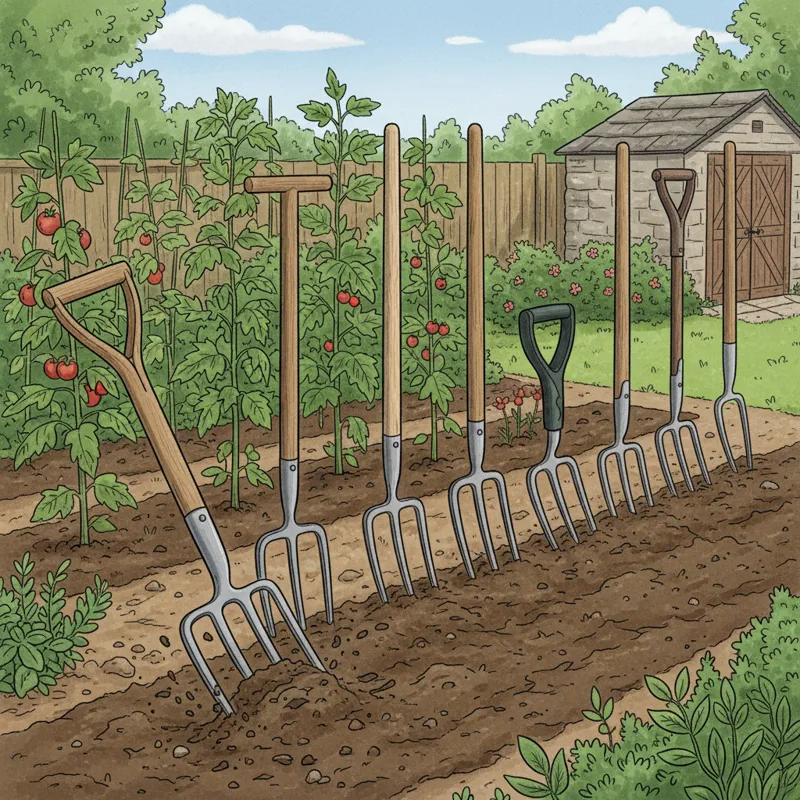
A digging fork, sometimes called a garden fork or spading fork, is fundamentally designed for breaking into and working with soil. Unlike a spade or shovel, its tines penetrate the ground with far less resistance, especially in heavy clay, rocky conditions, or densely matted roots. This reduced resistance means less strain on your body and more efficient work. It’s the go-to tool for tasks that demand leverage and minimal soil disturbance, such as lifting perennials or loosening soil around delicate plants.
Digging Fork vs. Spade vs. Pitchfork: Knowing the Difference
It’s easy to confuse a digging fork with other garden tools, but their distinct designs serve different purposes. A border spade or a standard digging spade is excellent for digging clean edges, trenching, or moving loose soil. Its broad, flat blade cuts through soil but struggles with compaction or roots, often requiring significant force. A pitchfork, on the other hand, typically has longer, thinner, and often curved tines. It’s designed for moving loose, bulky materials like hay, compost, or mulch, not for breaking up hard ground. Using a pitchfork for digging will likely bend or break its tines. The digging fork strikes a balance: sturdy tines capable of prying and lifting, combined with a robust handle and connection points built for leverage and stress. It’s purpose-built for soil work where a spade would bind and a pitchfork would fail.
Key Features That Define the Best Digging Fork
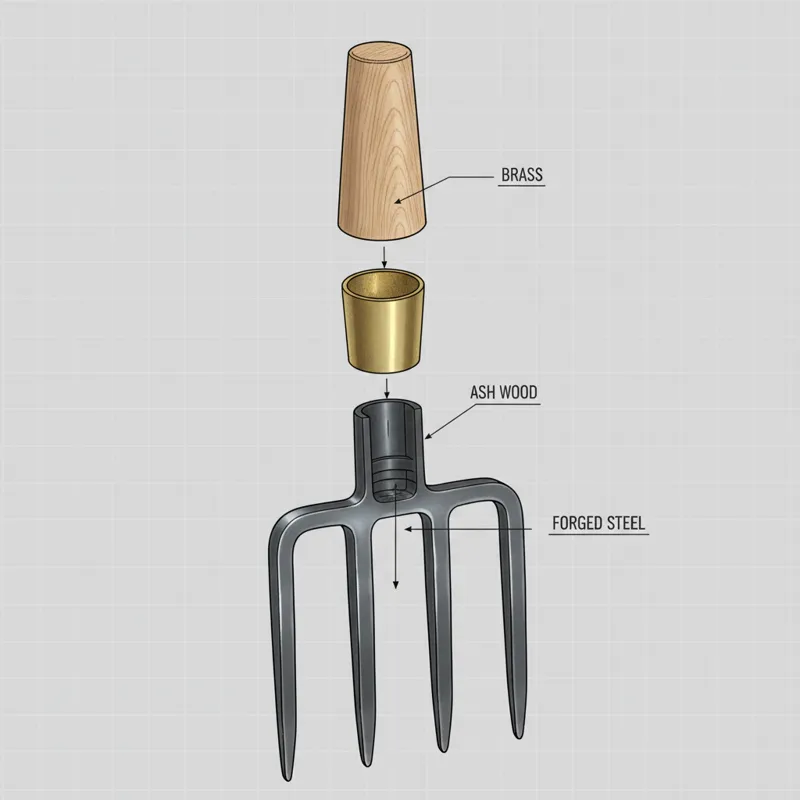
When you’re evaluating a digging fork, several critical components dictate its performance, durability, and ergonomic comfort. Understanding these will help you discern a quality tool from a flimsy one.
1. Tine Material and Construction
The tines are where the rubber meets the road—or rather, where the steel meets the soil.
- Forged Carbon Steel: This is the gold standard for durability. Forging involves heating and hammering steel into shape, aligning the grain structure for incredible strength. Carbon steel holds an edge well and can withstand immense stress without bending or breaking. It will rust if not maintained, but a light oiling after use prevents this.
- Forged Stainless Steel: Offers similar strength to carbon steel but with superior rust resistance. This is a premium option, often found on higher-end tools, making it easier to clean and maintain, especially for gardeners in humid climates or those working with heavy, wet clay.
- Welded Steel: Cheaper forks often use welded tines. While adequate for light work, the welds can be weak points and prone to snapping under heavy leverage, especially in rocky or compacted soil. Avoid these if you’re looking for a long-lasting, heavy-duty digging fork. Look for tines that are securely fastened to the head, preferably as a single forged unit with the socket, rather than separate tines welded onto a plate. This unitary construction significantly enhances strength.
2. Handle Material and Design
The handle is your primary interface with the tool, impacting comfort, control, and leverage.
- Ash Wood: Traditionally favored for its natural strength, flexibility, and shock absorption. Good quality ash handles are resilient, comfortable to grip, and age beautifully. Look for straight grain, free of knots, indicating superior strength.
- Fiberglass: Offers excellent strength-to-weight ratio and is impervious to rot or moisture damage. Fiberglass handles can feel stiffer than wood and transmit more shock, but they are incredibly durable and often require less maintenance.
- Steel: Less common for the entire handle, but some designs integrate steel sections. While strong, a full steel handle can be heavy, cold to the touch, and transmit significant vibration. Handle shape also matters:
- D-Handle: The most common design, offering a comfortable, secure grip for both hands. It provides excellent control and leverage, particularly when lifting or prying.
- T-Handle: Simple and effective, the T-handle is great for one-handed operation or when twisting the fork. Some find it less comfortable for heavy, two-handed digging.
- Long Straight Handle: Favored by some for extended reach and leverage, but can be less ergonomic for certain tasks without a dedicated grip point. Consider your height and the type of work you’ll be doing. A longer handle provides more leverage but can be unwieldy in tight spaces.
3. Ferrule and Socket Construction (Head-to-Handle Connection)
This is arguably the most critical structural point of any digging tool. A weak connection here will inevitably lead to failure.
- Long Socket with Rivets: The handle should extend well into a robust, often tapered steel socket (the ferrule), secured by at least two, preferably three, heavy-duty rivets. The longer the socket, the more evenly the stress is distributed, preventing the handle from wobbling or breaking.
- Forged Socket: The strongest design features a socket that is integrally forged with the tines, forming a single, seamless steel head. This eliminates weak points often found in welded or bolted connections.
- Tang and Collar: Some designs use a tang (a spike of steel from the head) inserted into the handle, secured by a collar. This can be strong if well-engineered, but a full socket is generally preferred for maximum durability under heavy leverage. Avoid forks where the handle simply slips into a shallow, short socket or is held by flimsy screws. These are prime candidates for early failure.
4. Tine Shape and Length
- Flat Tines: Often found on border forks or general-purpose models, flat tines provide good leverage for lifting and breaking up soil chunks.
- Round Tines: Tend to penetrate very heavy, compacted clay or stony soil more easily, as they encounter less surface resistance.
- Slightly Curved Tines: Can help scoop and retain soil, useful for transplanting or moving compost, though perhaps less aggressive for breaking hardpan. The length of the tines matters too. Longer tines penetrate deeper, useful for preparing new beds or deep aeration. Shorter, often flatter tines are characteristic of border forks, designed for working in confined spaces without damaging nearby plants.
Choosing the Best Digging Fork for Your Specific Needs
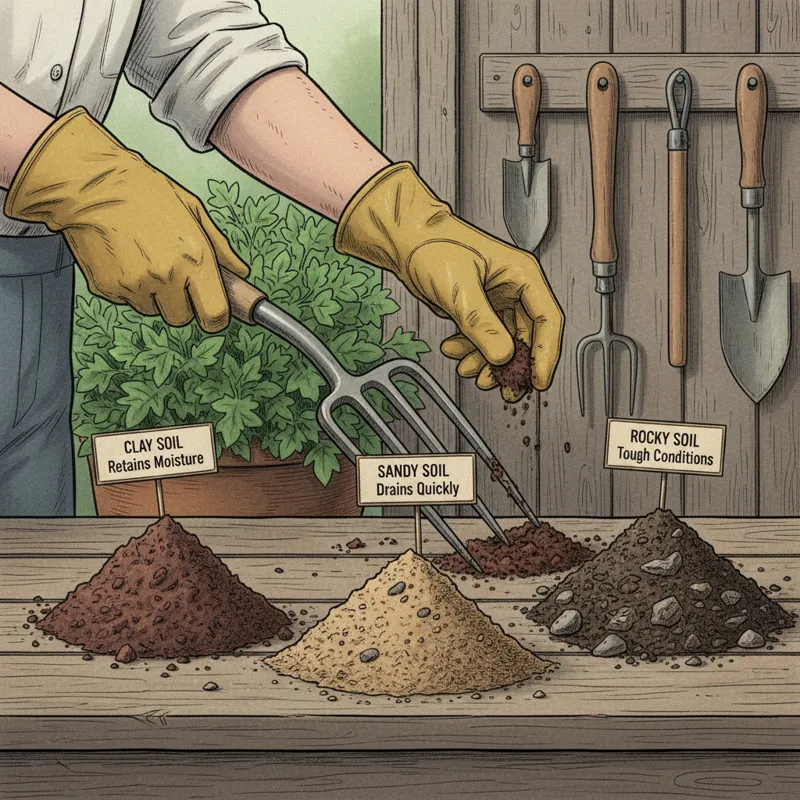
There isn’t a universally “best” digging fork; the ideal tool depends heavily on your soil type, primary gardening tasks, and personal ergonomics.
For Heavy Clay or Rocky Soil:
If you’re battling dense clay or ground riddled with stones, you need maximum strength and penetration. Look for:
- Fully forged carbon or stainless steel tines that are either round or sharply pointed, designed to cut through resistance.
- Long, robust socket connection to an ash or fiberglass handle for superior leverage and structural integrity.
- A D-handle will give you the best grip and control when prying. This kind of heavy-duty use is exactly where a tool built to cultivate tough ground shines.
For General Garden Bed Preparation and Aeration:
For established beds, loosening soil, or mixing in amendments, a versatile fork is key.
- A medium-weight, forged stainless steel fork will offer a good balance of durability and ease of use, with excellent rust resistance.
- A D-handle ash wood fork provides comfort and shock absorption for repetitive tasks like aerating.
For Border Work, Transplanting, or Delicate Tasks:
If you’re working in crowded borders, dividing perennials, or digging potatoes, precision and lighter weight are beneficial.
- A border fork is ideal – it has a smaller head with shorter, often flatter tines.
- Look for lighter-weight stainless steel and a comfortable D-handle that allows for controlled maneuvers without disturbing nearby plants.
Considering Your Height and Strength:
A general rule of thumb: when you stand the fork upright, the top of the handle should reach roughly your hip bone or slightly higher. This provides good leverage without excessive bending. If you’re taller, you might prefer a longer handle. If you have less upper body strength, consider a fiberglass handle for its lighter weight, though good technique often matters more than raw strength.
What Most People Get Wrong About Digging Forks
It’s easy to make missteps when buying or using a digging fork, leading to frustration or premature tool failure.1. Confusing it with a Pitchfork: As discussed, a pitchfork is for moving loose material. Using it to dig hard soil is like using a butter knife to cut a steak – it’s the wrong tool for the job and will likely end up bent or broken. Always ensure you’re buying a dedicated digging or spading fork for soil work.2. Prioritizing Price Over Quality: A common mistake is grabbing the cheapest option at a big-box store. These often feature welded tines, flimsy handles, and weak head-to-handle connections. While they might seem like a good deal initially, they rarely last more than a season or two of serious use, especially in challenging US soils. Investing in a high-quality, forged digging fork upfront saves money and hassle in the long run.3. Neglecting Maintenance: Even the best digging fork needs some care. Leaving it caked with wet soil, exposed to rain, or storing it improperly will accelerate rust and degrade the handle. A quick clean and a light oiling (especially for carbon steel) after each use will significantly extend its lifespan. For wooden handles, an occasional rub with linseed oil keeps the wood supple and prevents drying and cracking.4. Using it as a Lever for Tree Roots: While a digging fork is excellent for prying up smaller roots or breaking soil around them, it’s not designed to be a heavy-duty lever for large tree roots or deeply embedded boulders. Excessive force on a single tine or an extreme sideways load can bend tines or snap the handle. For larger root removal, you’ll need specialized tools, possibly even a battery powered pruning saw to cut through thick roots, or a robust digging bar.5. Not Testing the Balance and Feel: Just like a good kitchen knife, a garden tool should feel balanced in your hands. A fork that’s too heavy or poorly balanced will lead to fatigue. If possible, handle a few different models before purchasing. Wield it as if you’re digging; this quick test can reveal a lot about its ergonomics.
Maintenance Tips for Your Best Digging Fork
Even the most durable tool benefits from proper care.1. Clean After Every Use: Remove all soil and debris from the tines and head. A stiff brush or a jet of water works well.2. Dry Thoroughly: Especially for carbon steel, ensure the fork is completely dry before storage to prevent rust.3. Oil Metal Parts: For carbon steel, apply a light coat of linseed oil or even used motor oil to the tines and head. Stainless steel is more resistant but can still benefit from a wipe down, especially in corrosive environments.4. Care for Wooden Handles: Periodically rub ash handles with linseed oil to prevent drying, cracking, and splintering. This keeps the wood supple and comfortable to grip.5. Store Properly: Hang your digging fork in a dry shed or garage, off the ground. This prevents moisture accumulation and keeps it out of the way.
Frequently Asked Questions About Digging Forks
Q: Can a digging fork replace a rototiller?
For small to medium-sized garden beds, particularly when improving soil or aerating, a digging fork can effectively replace a rototiller, offering more precise control and less soil disturbance. It’s also much quieter and requires no fuel. However, for breaking vast expanses of untouched, compacted ground, a rototiller can speed up the initial heavy work.
Q: What’s the difference between a digging fork and a broadfork?
While both loosen soil, they differ significantly. A digging fork is a handheld tool used with two hands to leverage and turn small sections of soil. A broadfork is a much larger, heavy-duty tool with two long handles and a wide crossbar of tines. It’s designed to loosen soil deeply across a wider swath without inverting the soil layers, used by stepping on the crossbar and rocking the handles. It’s excellent for no-dig or minimal-dig gardening practices but is not a substitute for the fine control of a handheld digging fork.
Q: How long should a good digging fork last?
A well-made, high-quality digging fork, especially one with forged steel tines and a robust handle-to-head connection, can easily last 10, 20, or even 30+ years with proper care and maintenance. It’s often a multi-generational tool. Cheaper forks might only last a season or two under strenuous conditions.
Q: Is stainless steel always better than carbon steel for digging forks?
Not necessarily. While stainless steel offers superior rust resistance and often looks cleaner, high-quality forged carbon steel can be just as strong, if not stronger, and often more affordable. The main trade-off is maintenance; carbon steel requires regular cleaning and oiling to prevent rust, whereas stainless steel is more forgiving. Both are excellent choices if they are forged and properly constructed.
Q: Can I use a digging fork for weeding?
Absolutely! A digging fork is fantastic for removing stubborn perennial weeds with deep taproots or matted root balls. You can insert the tines around the weed, loosen the soil, and then gently lift the entire plant out with its root system largely intact, making it less likely to regrow.
Final Thoughts on Finding Your Ultimate Digging Companion
Choosing the best digging fork isn’t about finding the most expensive option; it’s about investing in a tool that matches your needs and will stand up to the rigors of your garden for years to come. Focus on the core components: integrally forged steel tines, a strong, long-socket connection, and a durable, ergonomically comfortable handle. In 2026, the market offers a wide range of choices, but the principles of quality construction remain timeless. A carefully selected digging fork will not only make your gardening tasks easier and more efficient but will also become a trusted companion in your quest for a thriving, beautiful garden. Don’t settle for less; your back, and your garden, will thank you for it.