

Choosing the right cedar fence pickets for your property in 2026 involves more than just picking a stack of wood. It’s about understanding the material, its grades, and how different options will perform against your specific needs for aesthetics, privacy, and long-term durability. Cedar remains a perennial favorite for fencing due to its natural beauty, aromatic qualities, and inherent resistance to rot and insects. However, the market offers a diverse range of cedar pickets, each with distinct characteristics that influence performance and price. Making an informed decision means delving into the specifics of what makes one picket type different from another, and how these differences translate into a finished fence that meets your expectations for years to come.
Understanding Cedar Pickets: Types, Grades, and Cuts
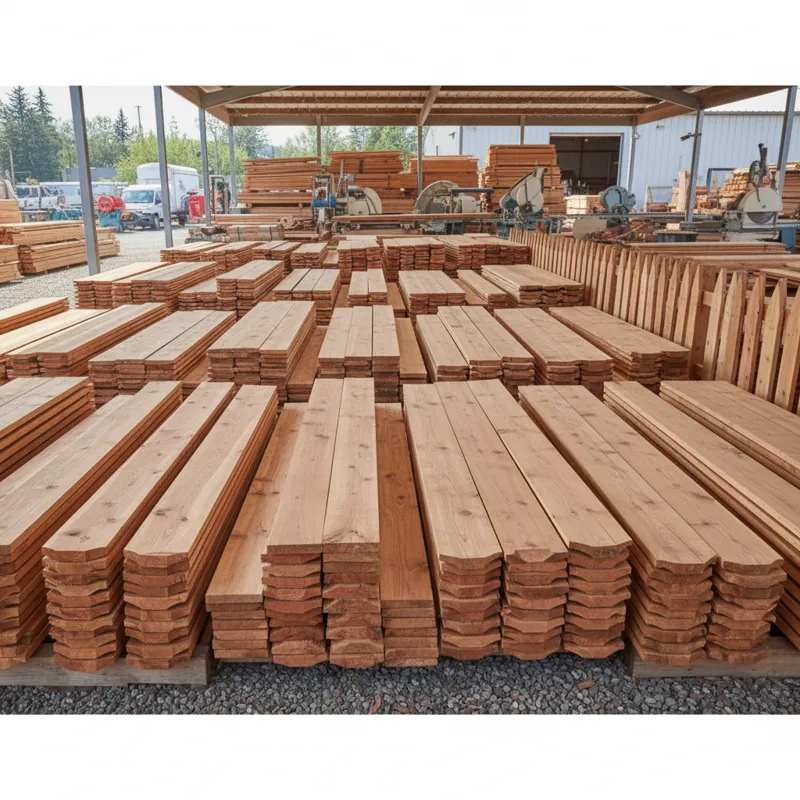
Before we dive into specific product types, let’s establish a foundational understanding of cedar fence pickets. The term “cedar” most commonly refers to Western Red Cedar (Thuja plicata) in the United States, prized for its natural preservatives, stable dimensions, and rich color palette. While other cedars exist, Western Red Cedar is the benchmark for exterior applications like fencing.
The Role of Wood Grade in Cedar Fence Pickets
The grading of lumber is a critical factor, directly impacting both the appearance and the structural integrity of your fence. Grades are typically assigned based on the number and size of knots, the presence of wane (bark or absence of wood along an edge), splits, and other natural imperfections.
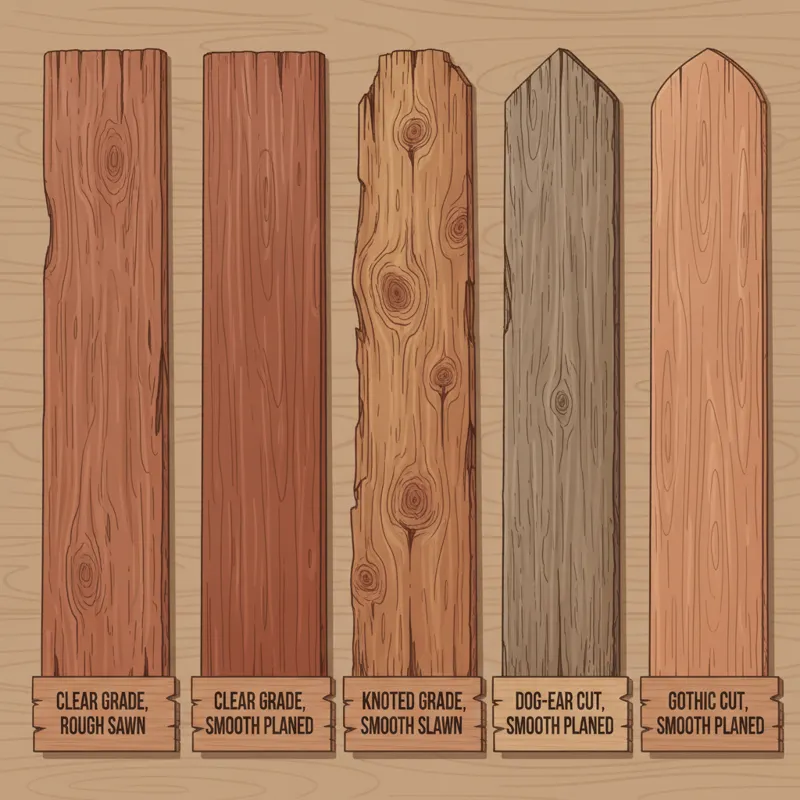
- Clear Grade: These are the premium pickets, virtually free of knots and blemishes. They offer a uniform, smooth appearance. Expect to pay more for this aesthetic consistency.
- Select Knotty Grade (or “#1 Grade”): This grade allows for sound, tight knots that are structurally integral to the wood. The knots add character without compromising strength. It’s a popular choice, balancing aesthetics with cost-effectiveness.
- Standard Knotty Grade (or “#2 Grade”): This grade permits larger knots, some loose knots, and minor imperfections like small checks or some wane. It’s a more rustic look and generally the most budget-friendly option. While still functional, the appearance is less refined.
Common Cuts and Profiles
The cut of your cedar fence pickets also plays a significant role in the final look and ease of installation.
- Dog-Ear: The most common cut, where the top two corners are clipped at an angle. This softens the fence line and is a classic privacy fence aesthetic.
- Flat-Top: Simply a straight cut across the top, offering a clean, contemporary look.
- Gothic/Pointed: These ornamental cuts feature a decorative peak or point at the top, often chosen for more decorative or garden-style fences rather than full privacy.
- Rough-Sawn: Pickets cut directly from the mill, retaining a textured, natural surface. This finish holds stains and paints well and can offer a more rustic appeal.
- Smooth (Surfaced Four Sides – S4S): These pickets have been planed smooth on all four sides, resulting in a cleaner, more refined finish. They are easier to paint or stain if a uniform surface is desired.
Top 6 Best-Selling Cedar Fence Picket Options Reviewed for 2026
Based on observable trends in material availability, homeowner preferences, and supplier stock in 2026, these are six frequently purchased and widely available types of cedar fence pickets. We’ll examine their characteristics, ideal applications, and what to consider when choosing them.
1. Western Red Cedar Dog-Ear Pickets, #1 Grade (5/8″ x 5.5″ x 6′)
This is arguably the gold standard for residential cedar privacy fencing. The “5/8 inch thick by 5.5 inches wide by 6 feet long” dimension is a common industry standard, offering a robust profile.
- Grade: #1 Grade, often referred to as “Select Knotty.” You’ll see sound, tight knots, but no large structural defects. This grade provides a consistent appearance with natural character.
- Wood Type: Western Red Cedar, known for its deep, rich reddish-brown hues that weather to an attractive silver-grey if left untreated. Its natural oils and acids offer inherent resistance to decay and insect attack, a key factor in its longevity.
- Cut/Finish: Dog-ear top, rough-sawn or lightly textured surface. The dog-ear cut is classic for privacy fences, minimizing sharp corners.
- Aesthetics: Balanced look with natural knot patterns adding character. It’s not perfectly clear, but the knots are aesthetically pleasing and stable.
- Durability/Longevity: Excellent. With proper installation and periodic maintenance (sealing or staining every 2-5 years), these cedar fence pickets can last 15-25 years, sometimes more. Western Red Cedar’s natural resistance is a significant advantage over untreated pine.
- Cost Range: Mid-to-high range. It’s a premium product without being cost-prohibitive.
- Ideal Use: Primary privacy fencing, perimeter fences where a balance of natural beauty, durability, and a classic look is desired. It’s robust enough for areas needing significant barrier strength.
2. Western Red Cedar Flat-Top Pickets, #2 Grade (5/8″ x 5.5″ x 6′)
A practical and economical choice, popular for its modern aesthetic and budget-friendliness.
- Grade: #2 Grade, or “Standard Knotty.” Expect more frequent and larger knots, some minor wane on edges, and potentially small surface checks. These imperfections contribute to a more rustic look.
- Wood Type: Western Red Cedar, offering the same inherent protective qualities as #1 grade, but with greater visual variation.
- Cut/Finish: Flat-top, usually rough-sawn. The straight top edge provides a clean, contemporary line, making it suitable for modern architectural styles or simple, understated enclosures.
- Aesthetics: Rustic and natural. The more prominent knots and potential imperfections give each picket a unique look.
- Durability/Longevity: Good. While the grade permits more visual flaws, the core wood still offers Western Red Cedar’s natural rot and insect resistance. Lifespan typically ranges from 10-20 years with maintenance. The structural integrity is generally sound for fencing applications.
- Cost Range: Mid-to-low range. This is often one of the most cost-effective ways to get true cedar fencing.
- Ideal Use: Utility privacy fences, large property perimeters where cost efficiency is a major driver, or for a deliberate rustic aesthetic. It’s also common for DIY cedar fence panel installation where minor imperfections are acceptable.
3. White Cedar Dog-Ear Pickets, Untreated (1″ x 3.5″ x 4′)
White Cedar, specifically Eastern White Cedar (Thuja occidentalis), is less common than Western Red Cedar for full privacy fences but is widely used for smaller, decorative applications and spaced picket fences.
- Grade: Typically a “Knotty” grade, similar to #2 Western Red Cedar, but sometimes sold as “builder’s grade.” Expect knots and natural variation.
- Wood Type: Eastern White Cedar. It’s lighter in color, often a pale white or light tan, and weathers to a soft silvery-grey. It also has natural rot and insect resistance, though some argue it’s slightly less potent than Western Red Cedar.
- Cut/Finish: Dog-ear, often rough-sawn. The narrower width (3.5 inches) is characteristic of traditional spaced picket fences.
- Aesthetics: Light, airy, and traditional. Its pale color is distinct from the reds of Western Red Cedar.
- Durability/Longevity: Good, particularly for its smaller dimensions. Can last 15-25 years if kept off the ground and maintained. The thinner profile can be more prone to minor warping or splitting in extreme conditions compared to thicker Western Red Cedar pickets.
- Cost Range: Generally lower than comparable Western Red Cedar, especially for smaller dimensions.
- Ideal Use: Decorative front yard fences, garden enclosures, boundary markers, or any application where a traditional spaced picket look is desired. It’s less common for a full privacy fence cedar slats configuration due to its typical dimensions.
4. Western Red Cedar Clear Grade Pickets, Flat-Top (3/4″ x 5.5″ x 8′)
For those prioritizing a sleek, unblemished aesthetic, clear grade Western Red Cedar is the ultimate choice. The longer 8-foot length is great for taller privacy or semi-privacy fences.
- Grade: Clear Grade. This means virtually no knots, wane, or major defects. The appearance is uniform and refined.
- Wood Type: Premium Western Red Cedar, showcasing its consistent grain and natural color.
- Cut/Finish: Flat-top, often S4S (surfaced four sides) for a smooth finish, though rough-sawn clear grades are also available for specific textures.
- Aesthetics: Modern, clean, and luxurious. The lack of knots creates a sophisticated, uninterrupted visual line.
- Durability/Longevity: Excellent, benefiting from the full natural protective qualities of Western Red Cedar. Its structural integrity is superior due to the absence of knots. Lifespan often exceeds 20-30 years with proper care.
- Cost Range: High-end. This is the most expensive option among standard cedar pickets due to the rigorous selection process required to achieve a clear grade.
- Ideal Use: High-visibility privacy fences, architectural accent fences, contemporary landscape designs, or for homeowners who demand the highest aesthetic quality and durability without compromise. These are often chosen for cedar fence boards prices where the budget allows for premium materials.
5. Pressure-Treated Cedar Tone Pickets (Pine with Cedar Stain, 5/8″ x 5.5″ x 6′)
While not true cedar, these “cedar tone” pickets are a popular budget alternative, often found alongside genuine cedar. They leverage the familiarity of the cedar aesthetic at a lower price point.
- Grade: Typically a “Knotty” grade of pine, selected for treatment.
- Wood Type: Pine, pressure-treated with preservatives to resist rot and insects, and then stained to mimic the reddish-brown color of Western Red Cedar. It’s crucial to understand this is not cedar.
- Cut/Finish: Most commonly dog-ear, rough-sawn or lightly textured.
- Aesthetics: Attempts to replicate cedar’s look, but often lacks the natural variation, grain pattern, and aromatic quality of true cedar. The color can fade or change over time, requiring re-staining.
- Durability/Longevity: Good, thanks to the pressure treatment. Can last 10-20 years. However, pine is naturally softer than cedar and more prone to checking, splitting, and warping, especially if not consistently maintained.
- Cost Range: Low-to-mid range. Significantly more affordable than genuine Western Red Cedar pickets.
- Ideal Use: Budget-conscious projects where a cedar-like appearance is desired without the expense of true cedar. Often used for utility fences or temporary solutions. It’s important to set expectations that this will not perform identically to natural cedar.
6. Western Red Cedar Jumbo Pickets, #1 Grade (1″ x 7.25″ x 8′)
These wider and thicker pickets offer enhanced privacy, sound dampening, and a very substantial, robust fence appearance. Sometimes referred to as “privacy fence cedar slats” due to their width.
- Grade: #1 Grade, ensuring good structural integrity and a pleasing appearance with sound knots.
- Wood Type: Western Red Cedar, delivering all the natural benefits of the species.
- Cut/Finish: Often flat-top or dog-ear, typically rough-sawn. The greater thickness and width make a significant visual statement.
- Aesthetics: Imposing and substantial. The wide pickets minimize gaps and provide superior visual privacy. The larger surface area highlights the natural grain and character of the cedar.
- Durability/Longevity: Excellent. The increased thickness (1 inch compared to the common 5/8 inch) provides greater dimensional stability and resistance to warping, contributing to a longer lifespan, often 20-30+ years with proper maintenance.
- Cost Range: High-end, similar to clear grades, due to the larger volume of wood and potentially less common dimensions.
- Ideal Use: Premium privacy fences, sound barriers, large estates, or any application where maximum privacy, durability, and a substantial, luxurious look are paramount. The added width often means fewer pickets are needed per lineal foot, which can slightly offset the individual picket cost compared to narrower options when considering the total fence area.
What Most People Get Wrong About Cedar Fence Pickets

It’s easy to make assumptions when buying materials, and cedar fence pickets are no exception. One of the most common misunderstandings revolves around the difference between “pressure-treated cedar tone” and genuine cedar. As mentioned, the former is typically pine that’s chemically treated and stained. While it offers a lower upfront cost and resistance to rot, it doesn’t possess the natural insect resistance, dimensional stability, unique aroma, or specific weathering characteristics of real cedar. Many buyers purchase “cedar tone” thinking they’re getting cedar, only to be disappointed by its performance or aesthetic over time. Always verify the wood species, not just the color. Another frequent oversight is neglecting the importance of proper post-installation treatment. While cedar has natural resistance, applying a high-quality sealant or stain within a few months of installation is crucial for maximizing its lifespan and preserving its color. Without it, UV radiation and moisture will quickly begin to grey the wood and increase its susceptibility to surface checks and minor splitting. People often assume “natural resistance” means “no maintenance,” which isn’t the case for optimal longevity. Finally, confusing cedar grades happens often. A #2 grade picket, while significantly cheaper, will have more knots and imperfections than a #1 grade. Understanding these cedar fence grades and dimensions is vital for managing aesthetic expectations. If you’re aiming for a clean, consistent look, a #2 grade will likely disappoint. Conversely, if you prefer a rustic charm and are on a budget, paying for #1 grade might be unnecessary. Always inspect a few pieces from a bundle to get a realistic idea of the grade’s typical characteristics.
Factors to Consider When Selecting Your Cedar Fence Pickets
Choosing the right cedar fence pickets for your project involves weighing several practical considerations beyond just the product type itself.
Budget and Long-Term Value
While a #2 grade picket might save you money upfront, consider the long-term value. A #1 grade or even a clear grade picket, properly maintained, will likely last longer and require less repair, potentially offsetting the initial cost difference over its lifespan. Pressure-treated alternatives are cheaper, but their aesthetics and specific performance characteristics differ.
Desired Aesthetic and Curb Appeal
Do you want a clean, modern look, or a rustic, natural vibe? Clear grade cedar or smooth-finish #1 grade will lean modern, while rough-sawn #2 grade or white cedar will provide a more traditional or rustic appeal. The picket’s cut (dog-ear, flat-top, gothic) also significantly impacts the overall fence style.
Privacy and Sound Requirements
Wider, thicker pickets (like the 1″ x 7.25″ jumbo pickets) offer superior privacy and better sound dampening due to increased mass and reduced gaps. For a full privacy fence, opt for a “board-on-board” or “butt-joint” installation to minimize sightlines. If you’re building a spaced picket fence, the choice of picket width will determine the visual openness.
Local Climate and Exposure
In areas with high humidity, heavy rainfall, or intense sun exposure, cedar’s natural rot and insect resistance is a significant advantage. However, even the best cedar will benefit from a high-quality water-repellent sealant or stain to prevent excessive moisture absorption and UV damage. Consider how your fence will be exposed to the elements year-round.
Installation Method
Are you building panels or individual picket-by-picket installation? For DIY cedar fence panel installation, uniform dimensions are helpful. If you’re working with individual pickets, consider using an electric staple gun to attach pickets to rails, ensuring they’re evenly spaced and securely fastened. Ensure your chosen pickets are compatible with your desired fence framework and fastening methods.
Maintenance Commitment
All wood fences require some maintenance. Cedar, while resilient, benefits immensely from periodic cleaning and reapplication of a protective finish every few years. If you’re unwilling to commit to this, cedar will still perform, but its aesthetic and longevity will diminish more rapidly.
Maintaining Your Cedar Fence for Maximum Lifespan
To maximize the lifespan and aesthetic appeal of your cedar fence, a consistent, albeit simple, maintenance regimen is key.1. Cleaning: Annually, especially in spring, clean your fence to remove mildew, algae, and accumulated dirt. A mild solution of oxygen bleach (not chlorine bleach, which can damage wood fibers) and water, applied with a soft brush or low-pressure washer, works well. Rinse thoroughly.2. Sealing/Staining: Within a few months of installation, and then every 2-5 years depending on the product and climate, apply a high-quality exterior wood sealant or stain. Sealants primarily protect against moisture and UV damage, while stains also add pigment for color retention or change. Look for products specifically designed for cedar or natural wood. This step is critical; it’s what truly locks in the wood’s natural resistance and prevents premature graying and surface degradation.3. Repairs: Periodically inspect for loose pickets, damaged rails, or signs of insect activity. Address minor issues promptly before they escalate. Replace severely warped or split pickets.4. Keep Clear of Soil: Ensure the bottom edge of your fence pickets doesn’t directly contact the soil. This prevents moisture wicking and greatly reduces the risk of rot. Leave at least a 2-inch gap between the bottom of the picket and the ground. By understanding the inherent qualities of various cedar fence pickets and committing to straightforward maintenance, you can ensure your investment provides beauty, privacy, and lasting value to your home.
Frequently Asked Questions About Cedar Fence Pickets
How long do cedar fence pickets typically last?
With proper installation and consistent maintenance (cleaning and sealing/staining every 2-5 years), Western Red Cedar fence pickets typically last 15 to 25 years. Higher grades and thicker dimensions often last longer, potentially exceeding 30 years. Without maintenance, the lifespan can drop significantly.
Is Western Red Cedar the only type of cedar used for fencing?
Western Red Cedar is the predominant type used for fencing in the United States due to its superior natural resistance to rot and insects, and its dimensional stability. Eastern White Cedar is also used, particularly for decorative or spaced picket fences, and offers good durability though often in lighter dimensions. Aromatic Cedar (Juniperus virginiana) is generally not used for outdoor fencing.
Do cedar fence pickets need to be treated or sealed?
Yes, absolutely. While cedar has natural preservatives, an exterior wood sealant or stain is highly recommended. It protects against UV degradation (which causes graying), moisture absorption (which leads to warping and checking), and helps maintain the wood’s structural integrity and aesthetic appeal over time. Apply a protective finish within a few months of installation.
What’s the difference between #1 Grade and #2 Grade cedar pickets?
The primary difference lies in the number and quality of knots and other natural imperfections. #1 Grade (Select Knotty) pickets have fewer, smaller, and sound (tight) knots, providing a cleaner, more uniform appearance. #2 Grade (Standard Knotty) pickets allow for more frequent, larger, and sometimes loose knots, as well as minor wane or checks, resulting in a more rustic look. #1 Grade is more expensive due to its higher aesthetic standard.
Can I paint cedar fence pickets?
Yes, cedar fence pickets can be painted. For best results, use a high-quality exterior primer followed by two coats of exterior latex or oil-based paint. However, many homeowners opt for stains (transparent, semi-transparent, or solid) to highlight or complement cedar’s natural grain and color, which paint completely conceals.
Are cedar fence pickets good for privacy fences?
Yes, cedar fence pickets are excellent for privacy fences. Their dimensional stability helps maintain tight gaps, and the natural resistance contributes to a long-lasting barrier. Wider pickets (5.5″ or 7.25″ wide) are particularly effective for creating solid, private enclosures.
How do cedar fence boards prices compare to other materials?
Cedar fence boards are typically more expensive than pressure-treated pine but generally more affordable than composite fencing or certain metal fence systems. They offer a strong balance of natural beauty, durability, and cost-effectiveness when considering the long-term value compared to lower-cost, less durable wood alternatives like untreated pine.


