
Building a new deck, framing an addition, or tackling any structural wood project demands careful attention to detail, especially when it comes to load-bearing connections. At the heart of secure and code-compliant wood framing are joist hangers. These seemingly simple metal connectors are critical components that ensure the structural integrity of your floors, decks, and roofs, preventing catastrophic failures and ensuring long-term stability. As we move through 2026, the market for these essential fasteners continues to evolve, offering a wider array of specialized options for every conceivable building scenario.
Understanding the Critical Role of Joist Hangers in Modern Construction
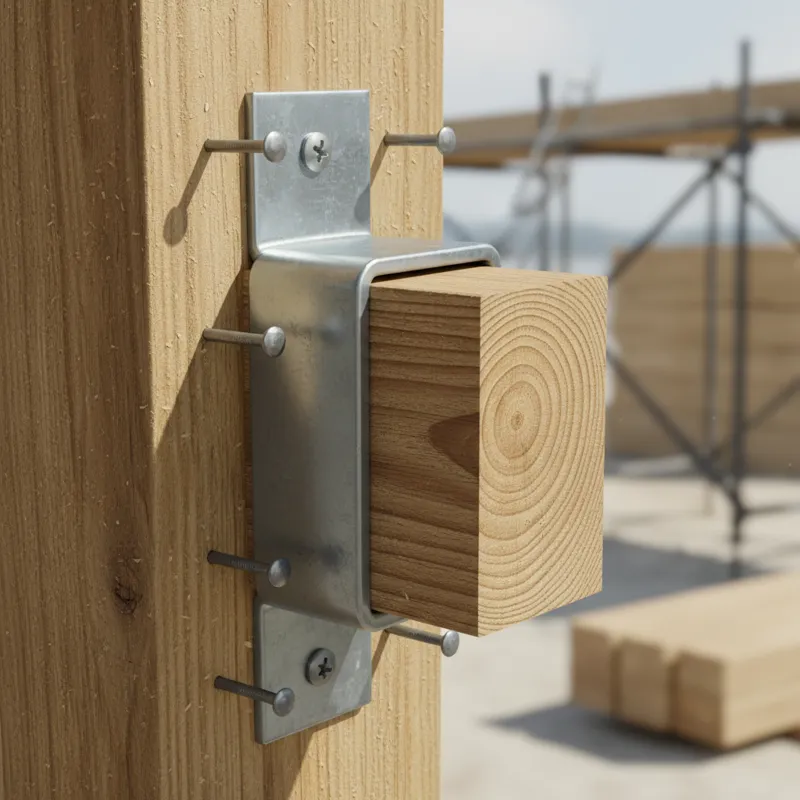
Joist hangers are more than just brackets; they are engineered components designed to create strong, secure connections between joists and supporting beams or ledgers. Traditionally, joists might have been toenailed or notched and rested on a beam, but these methods often fall short of modern building code requirements for load capacity and shear strength. Toenailing provides minimal pull-out resistance and rotational restraint, while notching can significantly weaken a joist, making it prone to splitting under load. This is where joist hangers step in. They effectively transfer the vertical load from the joist to the supporting member, distributing stress evenly and providing robust resistance against uplift and lateral forces. Their U-shaped or wrap-around designs cradle the joist, ensuring it stays firmly in place. Whether you’re building a simple backyard shed or a complex multi-story structure, understanding and correctly utilizing joist hangers is non-negotiable for safety and longevity. For those undertaking significant home renovations, like adding a 2 Bed 2 Bath Apartment to their property, these connectors are foundational to the floor system’s integrity.
Navigating the Types of Joist Hangers: A Practical Overview
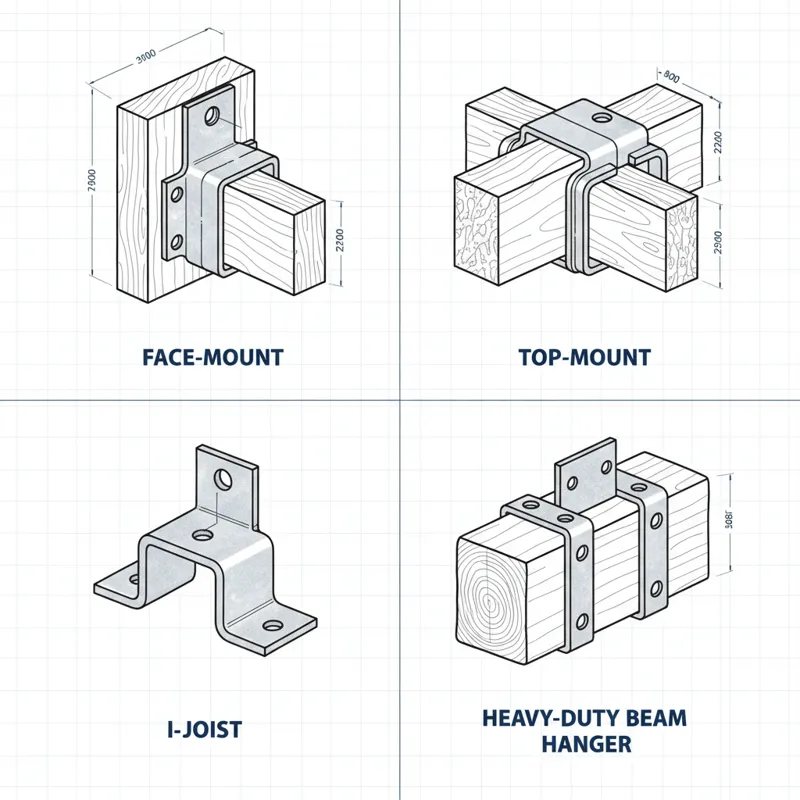
The world of joist hangers is diverse, each type designed for specific applications, load requirements, and aesthetic considerations. Choosing the right one is paramount. Here’s a breakdown of the most common categories you’ll encounter:
Face-Mount Joist Hangers
These are arguably the most common type. They feature a flat flange that attaches directly to the face of the ledger board or beam, with the joist resting within the hanger’s pocket. They are available in single, double, and even triple configurations to support multiple joists or heavier beams.
- Standard Face-Mount: The workhorse for most deck and floor framing. They’re affordable and easy to install.
- Heavy-Duty Face-Mount: For larger dimensional lumber or engineered wood products (EWP) like LVLs or Glulams, these offer increased load capacity.
Top-Mount Joist Hangers
Top-mount hangers wrap over the top of the supporting beam, providing a flush connection where the top of the joist aligns with the top of the beam. This is often preferred for subfloor applications or where a continuous top surface is desired. They offer excellent support against rotation and uplift.
Concealed Flange Joist Hangers
When aesthetics matter, concealed flange hangers are the go-to. Their flanges are bent inward and concealed within the joist pocket, leaving a clean, uninterrupted line. These are popular for visible framing, such as pergolas or exposed ceilings, where the connection needs to be strong but discreet.
Adjustable and Skewed Joist Hangers
Not all connections are 90 degrees.
- Adjustable/Sloped Hangers: Designed for situations where a joist meets a beam at an angle, such as roof rafters or stairs. They allow for varying pitches and provide robust angled support.
- Skewed Hangers: Specifically engineered for connections where the joist meets the header at a fixed non-90-degree angle, common in complex deck designs or architectural features.
I-Joist and Engineered Wood Product (EWP) Hangers
I-joists and other EWP like LVLs (Laminated Veneer Lumber) have specific dimensions and structural characteristics. Specialized hangers are designed to fit their unique profiles and distribute loads correctly, preventing crushing or damage to the engineered material.
Specialty Joist Hangers
- Hurricane Ties/Uplift Connectors: Designed to resist significant uplift forces, crucial in areas prone to high winds or seismic activity.
- Masonry/Concrete Hangers: Used to connect wood joists to concrete or masonry walls, often featuring a wider flange or specific attachment points for masonry fasteners.
- Post-to-Beam Hangers: While not strictly joist hangers, these are related connectors used for heavy timber framing, securing large beams to posts.
Critical Factors to Consider When Choosing Joist Hangers

Selecting the right joist hanger isn’t just about grabbing the first one you see. It involves several crucial considerations that impact safety, compliance, and project longevity.
- Load Capacity: This is paramount. Hangers are rated for specific allowable loads (both vertical and lateral). You must match the hanger’s capacity to the design loads of your structure, accounting for dead loads (weight of the structure itself) and live loads (people, furniture, snow, etc.). Always check the manufacturer’s load tables.
- Lumber Dimensions: Hangers are manufactured to fit specific lumber sizes (e.g., 2×4, 2×6, 2×10, 2×12, or specific I-joist depths). An improperly sized hanger won’t provide adequate support.
- Material and Finish:
- Galvanized Steel: The most common, offering good corrosion resistance for most interior and exterior applications. Hot-dip galvanized is superior for outdoor use, especially with pressure-treated lumber.
- Stainless Steel: Essential for highly corrosive environments (e.g., coastal regions, areas with saltwater spray, or certain chemical exposures) and for use with some exotic woods or specific pressure-treated lumber formulations that can accelerate corrosion of galvanized steel.
- Standard Galvanized: Adequate for interior, dry applications.
- Fastener Type and Size: Most hangers specify the exact type and number of nails or screws required. Using incorrect fasteners is a common and dangerous mistake that can severely reduce the hanger’s load capacity. Always use structural connector nails (often 1-1/2″ or 3″ long common nails for standard hangers) or approved structural screws.
- Building Codes: Local building codes dictate minimum requirements for connections. Always consult your local code authority or a qualified professional to ensure compliance. Ignorance of the code is not an excuse for structural failure. For a deeper dive into general building practices, Wikipedia offers an extensive resource on building codes.
- Application: Is it for a deck, floor, roof, or something else? Specific applications may require specialized hangers (e.g., sloped for rafters, hurricane ties for wind zones).
Disclaimer: This article provides general information and recommendations. Construction projects, especially those involving structural components, carry inherent risks. Always consult with a licensed structural engineer, architect, or qualified building professional before undertaking any construction work to ensure your plans comply with local building codes and safety standards. Improper installation or material selection can lead to structural failure and serious injury. We are not licensed professionals and do not provide professional engineering or construction advice.
Reviewing the Market: 15 Best-Selling Joist Hanger Types and Their Applications (2026 Perspective)
In 2026, the joist hanger market continues to be dominated by manufacturers like Simpson Strong-Tie, USP Structural Connectors, and MiTek, who consistently deliver innovative and reliable products. While specific model numbers evolve, the types of hangers that consistently rank as “best-sellers” reflect their versatility, reliability, and essential role in various construction scenarios. Here, we review the most popular and commonly purchased joist hanger types, highlighting why they remain top choices for professionals and serious DIYers.
-
Standard Face-Mount Single Joist Hangers for 2x Lumber (e.g., for 2×6, 2×8, 2×10)
These are the bread and butter of residential construction. Their simple, robust design makes them ideal for most floor and deck joist connections. Available in various sizes to fit standard dimensional lumber, they are typically made from galvanized steel, offering good value and widespread availability. Their high sales volume is due to their universal application in new builds and renovations.
-
Double Joist Hangers for 2x Lumber
When you need to support two joists side-by-side—perhaps for a stair opening, around a chimney, or to create a strong beam—these hangers are indispensable. They provide the same secure face-mount connection but accommodate the wider footprint of two joists, eliminating the need for complex sistering or custom solutions.
-
Top-Mount Joist Hangers (Flush Fitting)
Popular for applications where the top of the joist needs to be flush with the top of the supporting beam, such as under subflooring or for ceiling joists. These offer a clean finish and excellent support, making them a consistent choice for interior framing where a smooth surface is required.
-
Concealed Flange Joist Hangers
For projects demanding aesthetic appeal, like exposed beams in a modern home or a high-end pergola, concealed flange hangers are a top seller. Their hidden flanges offer a seamless look without compromising structural integrity, making them a premium but frequently chosen option.
-
I-Joist Hangers (Specific for I-Joist Depths)
As engineered wood I-joists continue to be a standard in floor and roof framing due to their strength-to-weight ratio and dimensional stability, specialized hangers for their unique profiles are consistently in high demand. These prevent damage to the I-joist’s flanges and web while providing proper load transfer.
-
Adjustable/Sloped Joist Hangers
Framing rarely involves only 90-degree angles. For roof rafters, stair landings, or complex deck designs, adjustable and sloped hangers allow for connections at various pitches, making them essential problem-solvers in varied construction projects. Their adaptability drives their consistent sales.
-
Heavy-Duty Face-Mount Hangers (for Larger Beams/LVLs)
When spanning longer distances or supporting significant loads, larger dimensional lumber, LVLs, or Glulams are common. Heavy-duty face-mount hangers, often thicker gauge steel and requiring more fasteners, are best-sellers in commercial framing and larger residential projects.
-
Skewed Joist Hangers (e.g., 30, 45, 60-degree)
For specific angled connections that are not adjustable but fixed, such as a 45-degree corner on a deck, pre-skewed hangers are a preferred solution. They offer engineered precision and strength for non-90-degree framing, making them staples for custom builds.
-
Galvanized Hangers for Pressure-Treated Lumber
With the widespread use of pressure-treated lumber for outdoor applications like decks and pergolas, hangers specifically rated for use with ACQ (Alkaline Copper Quaternary) or similar treated woods are paramount. Their enhanced corrosion resistance makes them perennial best-sellers for exterior projects.
-
Stainless Steel Joist Hangers (for Extreme Environments)
Though more expensive, stainless steel hangers are a consistent top seller in coastal regions or areas with high humidity and corrosive agents. Their superior resistance to rust and degradation ensures long-term structural integrity in harsh conditions, making them a necessity in specific markets.
-
Hurricane Ties/Uplift Connectors
In areas prone to hurricanes, high winds, or seismic activity, building codes mandate robust uplift and lateral resistance. Hurricane ties are specifically engineered to provide this critical connection between joists/rafters and walls/beams, ensuring their consistent demand in specific regions.
-
Masonry Joist Hangers (for Concrete/CMU Connections)
Connecting wood framing to concrete or concrete masonry units (CMU) requires specialized hangers designed for such applications. These often feature wider flanges or different hole patterns for masonry anchors, making them best-sellers in basements, foundations, and commercial builds with masonry elements.
-
Retrofit/Repair Joist Hangers
For repairing existing structures where a joist has rotted or needs reinforcement, retrofit hangers are invaluable. They can often be installed without disassembling the entire frame, providing a practical and cost-effective solution, driving their popularity in renovation and repair markets.
-
Triple Joist Hangers (for Heavy Load Applications)
Similar to double joist hangers but designed to accommodate three joists or a wider, heavier beam, these are specialist items that are consistently purchased for very heavy point loads or large structural members, often seen in large commercial projects or unique residential designs.
-
Face-Mount Hangers with Integral Twist Straps
These innovative hangers offer both vertical support and an integrated strap that wraps over the top of the joist and nails into the opposite side of the beam, providing enhanced uplift and lateral restraint in a single unit. Their efficiency and improved performance make them an increasingly popular choice.
Things People Usually Miss When Working with Joist Hangers
Even experienced builders can overlook subtle but critical details when installing joist hangers. These oversights can compromise the structural integrity and lead to costly repairs down the line.
- Incorrect Fasteners: This is perhaps the most common and dangerous mistake. Joist hangers are engineered for specific fasteners, usually 1-1/2″ or 3″ common nails for standard applications, or specific structural screws. Using drywall screws, deck screws, or nails that are too short or too thin will drastically reduce the hanger’s load capacity, making it unsafe. Always use the manufacturer-specified structural connector nails or screws, filling every hole. A great resource on proper fastener selection can be found on sites like Forbes Home’s guide to nail types.
- Leaving Holes Unfilled: Many people assume that if the hanger is mostly fastened, it’s good enough. Every single hole in a joist hanger is there for a reason and must be filled with the correct fastener to achieve its rated load capacity. Skipping even a few fasteners can reduce the hanger’s strength by 20% or more.
- Nailing into the Ledger Only: Some hangers require nails into both the supporting beam/ledger and the joist itself. Failing to nail into the joist compromises the connection, especially for uplift and lateral forces.
- Improperly Sized Hangers: Using a hanger that’s too wide for the joist can allow the joist to twist or shift, creating a weak connection. Using one that’s too narrow obviously won’t fit or will damage the joist. Always match the hanger to the exact lumber dimensions.
- Ignoring Corrosion: Using standard galvanized hangers with highly corrosive pressure-treated lumber (like ACQ) or in coastal areas can lead to premature corrosion and failure. When using treated lumber or in high-moisture/salt environments, specified galvanized or stainless steel hangers are a must.
- Not Checking for Square and Level: While hangers provide strong connections, the framing members still need to be plumb, level, and square. A hanger won’t compensate for twisted or improperly cut lumber, which can introduce stresses and limit the hanger’s effectiveness.
- Modifying Hangers: Bending, cutting, or otherwise modifying a joist hanger voids its engineering specifications and can render it structurally unsound. If a hanger doesn’t fit, it’s the wrong hanger for the job.
- Lack of Blocking or Bridging: While not directly about hangers, ignoring blocking or bridging between joists can lead to joist rotation or ‘roll-over,’ especially in longer spans. This affects the overall stability of the floor system, even if the hangers are perfectly installed.
- Overlooking Load Calculations: Relying on guesswork for load requirements instead of performing proper calculations (or having them performed by a professional) can lead to undersized hangers and a dangerous structure.
Frequently Asked Questions About Joist Hangers
Q: Can I use screws instead of nails for joist hangers?
A: Yes, but only if the hanger manufacturer specifically approves and specifies the use of structural screws. Never use common deck screws or drywall screws, as they lack the shear strength required for structural connections. Always use approved structural connector screws designed for joist hangers, and ensure they fill all specified holes.
Q: How many nails do I need for a joist hanger?
A: You must fill every single nail hole in the joist hanger with the manufacturer-specified fasteners. Each hole contributes to the hanger’s rated load capacity. Leaving holes empty will significantly reduce the connection’s strength.
Q: Are all joist hangers compatible with pressure-treated lumber?
A: No. Standard galvanized hangers are often not sufficient for newer formulations of pressure-treated lumber (like ACQ), which can accelerate corrosion. Always check the hanger’s specifications to ensure it’s rated for the type of pressure-treated lumber you’re using. Hot-dip galvanized or stainless steel hangers are generally recommended for exterior applications with treated lumber.
Q: Can I bend a joist hanger to fit an odd angle?
A: No. Bending or modifying a joist hanger compromises its engineered design and load capacity, making it unsafe. If you need an angled connection, you must use a specifically designed adjustable or skewed joist hanger that can accommodate the angle.
Q: Do joist hangers prevent squeaky floors?
A: While properly installed joist hangers create rigid connections and prevent joist movement that could contribute to squeaks, they are not a sole solution for squeaky floors. Squeaks often arise from subfloor movement, loose fasteners, or uneven joists. Hangers help with the structural integrity of the connection, but addressing floor squeaks usually requires a multi-faceted approach.
Q: Where can I find specific load ratings for joist hangers?
A: Load ratings are provided by the joist hanger manufacturer. These can usually be found in their product catalogs, on their websites, or often directly printed on the product packaging. Always refer to the manufacturer’s official documentation for accurate load capacities and installation instructions. For home improvement enthusiasts looking for creative storage solutions, understanding structural integrity from the ground up can even influence projects like building a custom book vase display shelf into a wall, requiring sturdy backing.
Mastering the use of joist hangers is a fundamental skill for anyone involved in wood construction. Their role in ensuring structural integrity cannot be overstated, directly impacting the safety and longevity of your projects. By understanding the different types, considering the critical factors for selection, and diligently following installation best practices, you’ll build structures that stand strong for years to come. Remember, when in doubt, consult a professional—it’s an investment in safety and peace of mind.


