
The energy drink aisle in 2026 feels more crowded than ever, with countless brands promising peak performance in a can. Amidst the noise of carbonated, neon-colored options, Celsius has carved out a significant space, particularly with its tea-based line. The Celsius Peach Mango Green Tea stands out as a popular choice for those seeking a non-carbonated boost. It promises not just energy, but a “healthy” energy that accelerates metabolism and burns body fat. But does it actually deliver on these claims, or is it just clever marketing? This is a deep dive into what’s inside the can, separating the science from the sales pitch to help you decide if it’s the right fit for your fitness and energy goals.
A Closer Look: What’s Really in Celsius Peach Mango Green Tea?
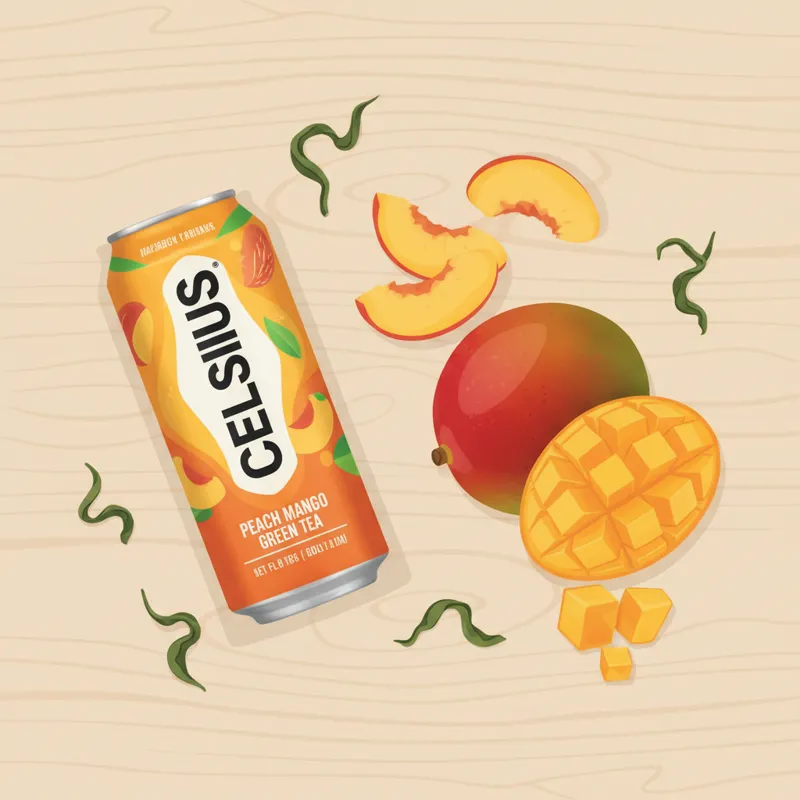
Before we can talk about benefits, we have to understand what you’re drinking. Unlike a simple brewed tea, this is a complex functional beverage. At its core, it’s a blend of green tea, vitamins, and a proprietary “MetaPlus®” formula designed to boost energy and metabolism. It’s non-carbonated, which many people prefer for a smoother drinking experience, especially before a workout.
One of the most common points of confusion is how this drink differs from other Celsius flavors, particularly the very popular “Peach Vibe.” The answer is simple: the base and the texture. Celsius Peach Mango Green Tea uses a brewed green tea base and is completely still (non-carbonated). Peach Vibe, on the other hand, is a sparkling, carbonated drink. While they share the same core energy blend, the taste and experience are fundamentally different. Think of it as choosing between a refreshing iced tea and a sparkling juice.
Nutrition Facts and Key Ingredients Breakdown
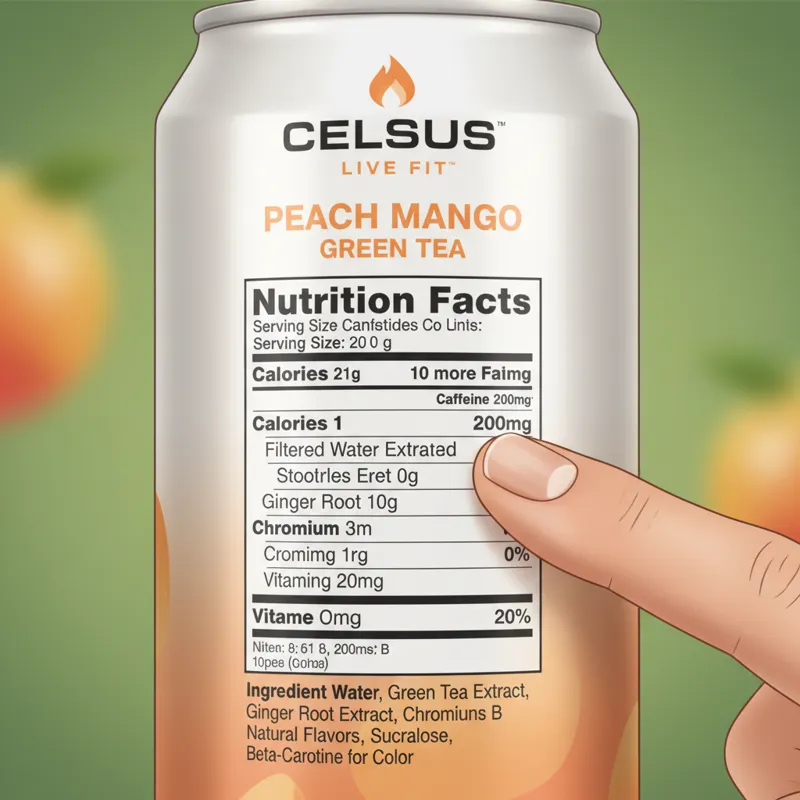
For a 12 fl oz can, the nutrition panel is a key part of its appeal. Here’s a typical breakdown:
- Calories: 10
- Total Carbohydrates: 2g
- Total Sugars: 0g
- Vitamin C: 60mg (67% DV)
- Riboflavin (B2): 1.7mg (131% DV)
- Niacin (B3): 20mg (125% DV)
- Vitamin B6: 2mg (118% DV)
- Vitamin B12: 6mcg (250% DV)
- Chromium: 50mcg (143% DV)
The magic, according to the brand, is in its MetaPlus® blend. Let’s unpack the main components:
Green Tea Extract (with EGCG): This isn’t just for flavor. The extract is standardized to provide a high concentration of Epigallocatechin gallate (EGCG), a powerful antioxidant. EGCG is the most studied catechin in green tea and is linked to many of its thermogenic (metabolism-boosting) properties. It works synergistically with caffeine to enhance fat oxidation.
Guarana Seed Extract: Sourced from a South American plant, guarana seeds contain a high concentration of caffeine. The key difference is how the body metabolizes it. Unlike the quick hit from coffee, the caffeine from guarana is often described as providing a smoother, more sustained energy release without the sharp peak and subsequent crash.
Taurine: An amino acid that plays a role in cardiovascular function and skeletal muscle development. While its inclusion in energy drinks is common, its direct impact on acute energy levels is still a subject of scientific discussion.
Ginger Root Extract: Traditionally used to aid digestion and reduce nausea, ginger also has thermogenic properties, meaning it can slightly increase the body’s heat production and calorie burn.
Finally, the most important number for many: the Celsius tea caffeine amount is 200mg per 12 fl oz can. For context, a standard 8 oz cup of coffee contains about 95mg of caffeine. This puts one can of Celsius firmly in the “high stimulant” category.
The 7 Claimed Health Benefits: Fact vs. Marketing Hype

Disclaimer: This article is for informational purposes only and does not constitute medical advice. The claims discussed are based on the product’s ingredients and company-sponsored research. Consult with a healthcare professional before making any changes to your diet or supplement regimen.
Celsius builds its brand on being “clinically proven.” While they have sponsored studies supporting their claims, it’s important to understand the mechanisms behind these supposed benefits. Here’s a realistic look at the seven key advantages.
1. Provides Sustained, ‘Clean’ Energy
This is arguably its most noticeable effect. The 200mg of caffeine, primarily from green tea and guarana, provides a significant energy boost. The “clean” feeling many users report likely comes from two factors: zero sugar, which prevents the infamous sugar crash, and the smoother energy curve from guarana extract. Unlike a sugary soda that gives you a quick spike followed by a slump, Celsius provides a more level and sustained feeling of alertness.
2. May Accelerate Metabolism
This is the core of Celsius’s “thermogenic” branding. The combination of caffeine and green tea EGCG has been shown in some studies to temporarily increase metabolic rate. This process, called thermogenesis, means your body burns slightly more calories at rest. The effect is real, but it’s modest. It’s a helper, not a miracle worker, and its impact is most significant when combined with regular physical activity.
3. Can Aid in Fat Burning During Exercise
Building on the metabolism boost, ingredients in Celsius may also enhance the body’s ability to use fat for fuel, a process known as fat oxidation. A 2008 study published in the Journal of the International Society of Sports Nutrition on the pre-workout version of the Celsius formula found that it improved body composition and endurance when combined with exercise. The key phrase here is “combined with exercise.” Drinking it while sitting on the couch will not produce meaningful fat loss.
4. Rich in Antioxidants from Green Tea
This is a clear, scientifically supported benefit. Green tea is loaded with polyphenols like EGCG, which act as powerful antioxidants. These molecules help neutralize harmful free radicals in the body, reducing oxidative stress and cellular damage. While many energy drinks are just stimulants and sugar, the Celsius Peach Mango Green Tea offers a genuine dose of these beneficial plant compounds.
5. Supports Essential Vitamin Needs
The drink is fortified with a potent blend of B-vitamins and Vitamin C. B-vitamins are crucial for converting food into energy, making them a logical addition to an energy drink. They don’t provide energy themselves, but they are essential cofactors in the metabolic processes that do. For active individuals, replenishing these vitamins can be beneficial for overall performance and recovery.
6. Contains Zero Sugar and Minimal Calories
In an era where many are trying to reduce sugar intake, this is a major advantage. Traditional energy drinks can pack 30-50 grams of sugar per can. Celsius uses the artificial sweetener sucralose to achieve its sweet taste with just 10 calories and no sugar. This makes it a viable option for those on ketogenic, low-carb, or calorie-restricted diets.
7. May Enhance Focus and Physical Performance
Caffeine is one of the most well-researched and effective ergogenic aids available. At a 200mg dose, it reliably improves alertness, reduces perceived effort, and can boost endurance and power output during a workout. This makes Celsius an effective pre-workout drink for many people, helping them feel more dialed-in and capable of pushing harder during their training session.
What Most People Get Wrong About Celsius Drinks
While the benefits are compelling, there are some critical nuances that people often overlook. Understanding these points is key to using the drink safely and effectively.
First, this is not just a flavored tea. It’s a high-stimulant energy drink. Some people see “Green Tea” on the label and mentally categorize it with gentle, relaxing beverages. They might think of it as being similar to other ready-to-drink iced teas. While it shares a tea base, its purpose and potency are vastly different from, say, the more traditionally sweetened profile of Brisk Raspberry Iced Tea or the simple brewed flavor of a classic Harney And Sons cinnamon tea. This drink is designed for performance, not casual sipping throughout the day.
Second, 200mg of caffeine is a significant dose. The FDA suggests a daily limit of 400mg for most healthy adults. One can of Celsius is half your daily allowance. Two cans puts you at the limit. For individuals sensitive to caffeine, even one can could lead to jitters, anxiety, or trouble sleeping. It’s crucial to know your own tolerance and avoid consuming it late in the afternoon or evening.
Finally, the term “thermogenic” isn’t a license to skip a healthy diet and exercise. The fat-burning effects are an enhancement, not a replacement. The extra 50-100 calories you might burn from the metabolic boost can be easily negated by a single poor food choice. Its real power is in its ability to help you work out harder and more consistently, which is the true driver of fat loss and fitness improvement.
How Does Peach Mango Green Tea Compare to Other Flavors?
Celsius offers a wide array of flavors, both sparkling and still. The most frequent comparison is between the Celsius Peach Mango Green Tea and the sparkling Celsius Peach Vibe.
The core functional ingredients—the MetaPlus® blend, vitamins, and 200mg of caffeine—are identical. The decision comes down to personal preference for taste and texture.
- Celsius Peach Mango Green Tea: Tastes like a sweet, fruity iced tea. It’s smooth, non-carbonated, and easy to drink quickly, which many prefer for a pre-workout. The flavor is a distinct combination of peach and mango with a green tea undertone.
- Celsius Peach Vibe: This is a sparkling drink. The carbonation gives it a crisp “bite.” The flavor is a slightly different, sweeter peach profile that some compare to peach rings candy. If you enjoy the sensation of a soda or sparkling water, this is the better choice.
Ultimately, neither is “better” in terms of effect. The choice is purely about your palate and whether you want bubbles with your boost. The tea-based line, which also includes flavors like Raspberry Acai, provides a different experience than the brand’s original sparkling line or even other tea-like products on the market such as the often fruit-juice-based popular Fuze Iced Tea flavors.
Where to Buy Celsius Non-Carbonated Flavors Near You in 2026
Finding Celsius has become incredibly easy over the past few years. The non-carbonated tea flavors are almost as widespread as the original sparkling line. Here’s where you can typically find them:
- Supermarkets and Grocery Stores: Chains like Kroger, Target, Walmart, and Publix usually have dedicated sections for energy drinks where you’ll find single cans and 4-packs.
- Convenience Stores and Gas Stations: Places like 7-Eleven, Circle K, and regional chains are reliable spots for grabbing a cold single can on the go.
- Vitamin and Supplement Shops: Retailers like GNC and The Vitamin Shoppe often carry a wide variety of flavors, sometimes in cases of 12.
- Online Retailers: Amazon is a popular choice for buying in bulk, often with subscription options for a discount. You can also order directly from the official Celsius website.
For the most precise results, using the store locator on Celsius’s official website is the best way to find specific flavors like the Celsius Peach Mango Green Tea at a retailer near you.
Frequently Asked Questions
Is Celsius Peach Mango Green Tea actually healthy?
“Healthy” depends on the context. Compared to a sugary soda or traditional energy drink, it is a significantly healthier choice due to its zero-sugar formula and inclusion of vitamins and green tea extract. However, its high caffeine content means it must be consumed responsibly and in moderation. It’s a tool for performance, not a health tonic.
How much caffeine is in a Celsius Peach Mango Green Tea?
Each 12 fl oz can contains 200mg of caffeine. This is roughly equivalent to two strong cups of coffee.
Can I drink Celsius every day?
For most healthy adults with a moderate caffeine tolerance, one can per day fits within the FDA’s recommended 400mg daily limit. It’s important to listen to your body. If you experience negative side effects like jitters, anxiety, or disrupted sleep, you should reduce your intake. Always consult a doctor if you have pre-existing health conditions, especially heart-related issues.
Is Celsius Peach Mango Green Tea carbonated?
No, this specific flavor is part of Celsius’s non-carbonated line. It has the consistency of a traditional iced tea, not a sparkling drink.
The Celsius Peach Mango Green Tea is a potent and well-formulated energy drink that lives up to many of its promises. It offers a substantial, smooth energy boost without the sugar crash, backed by ingredients that can genuinely support an active lifestyle. Its benefits as a pre-workout aid and a tool for focus are clear. However, it’s crucial to respect its high caffeine content and view its thermogenic properties as a small enhancement to your overall fitness efforts, not a substitute for them. When used mindfully, it’s an excellent choice for anyone looking for a powerful, non-carbonated energy solution.