
Dealing with mice in your home is more than just an annoyance; it’s a health and structural concern. When these unwelcome guests show up, your first instinct is likely to set traps. But simply setting a trap isn’t enough. The effectiveness of your efforts hinges almost entirely on what you put inside it. In 2026, with countless options and conflicting advice available, understanding the science behind what truly attracts a mouse – and what doesn’t – is critical for a swift and successful resolution. Choosing the best bait for mouse traps can make the difference between a quick catch and a prolonged, frustrating battle.
Understanding Mouse Psychology: What Drives Their Choices?

Before we dive into specific baits, it’s essential to understand mice themselves. These small rodents are driven by a powerful survival instinct, primarily focused on finding food, water, and shelter. Their sensory world is dominated by smell and taste, with their keen noses detecting even faint food odors. They are also opportunistic feeders, meaning they’ll eat almost anything available, but they do have preferences that can be exploited. Mice are naturally curious but also exhibit neophobia, a fear of new things. This means a new trap or a strange bait might initially be approached cautiously. However, hunger often overrides this fear. Their diet in the wild consists of grains, seeds, fruits, and insects, making them naturally drawn to high-calorie, easily digestible foods. Fats, proteins, and sugars are high on their priority list because they offer concentrated energy. Understanding these fundamental drives is the first step in selecting the most effective attractant.
Top Contenders: The Best Bait for Mouse Traps

When it comes to the best bait for mouse traps, a few options consistently outperform the rest. These aren’t just old wives’ tales; their effectiveness is rooted in mouse biology and behavior.
Peanut Butter: The Undisputed Champion
Peanut butter stands as the king of mouse trap baits, and for good reason. Its rich, oily texture and potent aroma are irresistible to mice. High in fat and protein, it’s a nutritional goldmine for them. The stickiness of peanut butter is also a huge advantage. It adheres firmly to the trap’s trigger plate, making it difficult for a mouse to lick it off without setting off the trap. A small, pea-sized dollop is usually sufficient. Too much, and they might be able to nibble around the edges without engaging the mechanism.
Nutella or Hazelnut Spreads: A Sweet, Sticky Alternative
Similar to peanut butter, hazelnut spreads like Nutella offer a powerful combination of fat, sugar, and an alluring scent. The chocolate-hazelnut aroma is incredibly attractive to mice, and its sticky consistency ensures they have to work for it, increasing the likelihood of tripping the trap. These spreads can be particularly effective if mice in your area have grown accustomed to or wary of peanut butter. It offers a slightly different, yet equally enticing, flavor profile.
High-Fat Meats: Irresistible Protein Power
Mice aren’t strictly vegetarian. They crave protein and fat, especially when those resources are scarce. High-fat meats are incredibly attractive.
- Bacon: A tiny piece of cooked or uncooked bacon (just a sliver, not a whole strip) can be a phenomenal attractant. The smoky, fatty aroma travels well and is highly appealing.
- Sausage/Hot Dogs: Small cubes of cured sausage or hot dogs also work wonders. The strong smell and dense texture make them hard to resist.
- Jerky: A small shred of beef or turkey jerky provides a concentrated source of protein and a distinct odor that mice can detect from a distance. The key with meats is to secure them well. You might need to tie a thin string around a small piece and loop it around the trap trigger to prevent easy theft.
Cheese: Often Overrated, But Still Viable
Despite popular cartoons, cheese isn’t always the top choice. While mice will eat it, they often prefer other options. However, certain cheeses can be effective, particularly those with a strong, pungent odor. Harder cheeses like cheddar or parmesan are better than soft, moist varieties that can dry out quickly or crumble too easily. A tiny, crumbly piece of strong-smelling cheese can still be a good option, especially if other baits haven’t worked or if you suspect your local mice have a preference for dairy.
Sweet Treats: A Sugar Rush Attraction
Mice, like many creatures, have a sweet tooth. High-sugar items can be very effective, particularly if they also have a sticky or chewy texture.
- Caramel: A small, soft piece of caramel is highly attractive due to its intense sweetness and stickiness.
- Chocolate: Milk chocolate, especially the sweeter varieties, can be a great bait. A small square or chip works well.
- Gummy Bears/Dried Fruit: The concentrated sugar and chewiness of gummy candies or dried fruits like raisins or cranberries make them appealing. They also have the advantage of not drying out as quickly as some other baits.
Oats/Cereal: Carbohydrate Appeal
While not as potent as high-fat or sugary options, a small pinch of oats, dry cereal, or even birdseed can work, especially if mixed with a stickier bait like peanut butter. These provide a good carbohydrate source and a different texture. They are generally best used as a secondary attractant or when mice are particularly desperate for any food source.
Commercial Baits & Attractants: Engineered for Success
For those who prefer a dedicated solution, commercial baits are often formulated to be highly appealing and long-lasting.
- Gel Baits: These are often highly concentrated attractants with strong, proprietary scents that mice find irresistible. They come in tubes, making them easy to apply precisely and adhere well to trap triggers. Brands like Victor Poison-Free Mouse Attractant or Catchmaster are popular choices.
- Bait Blocks/Pellets (Non-Toxic): While many bait blocks contain rodenticides, non-toxic versions are available, designed to attract mice into live traps or non-toxic snap traps. They are often weather-resistant and designed for extended appeal. Always double-check labels to ensure they are indeed non-toxic if you’re using them in a setting where pets or children might be present. These are not typically used on snap traps but near them or inside bait stations. When considering commercial options, remember that the most effective mouse trap attractants are those that mimic natural, high-energy food sources while also having a strong, detectable aroma.
The Science of Scent: Amplifying Attraction
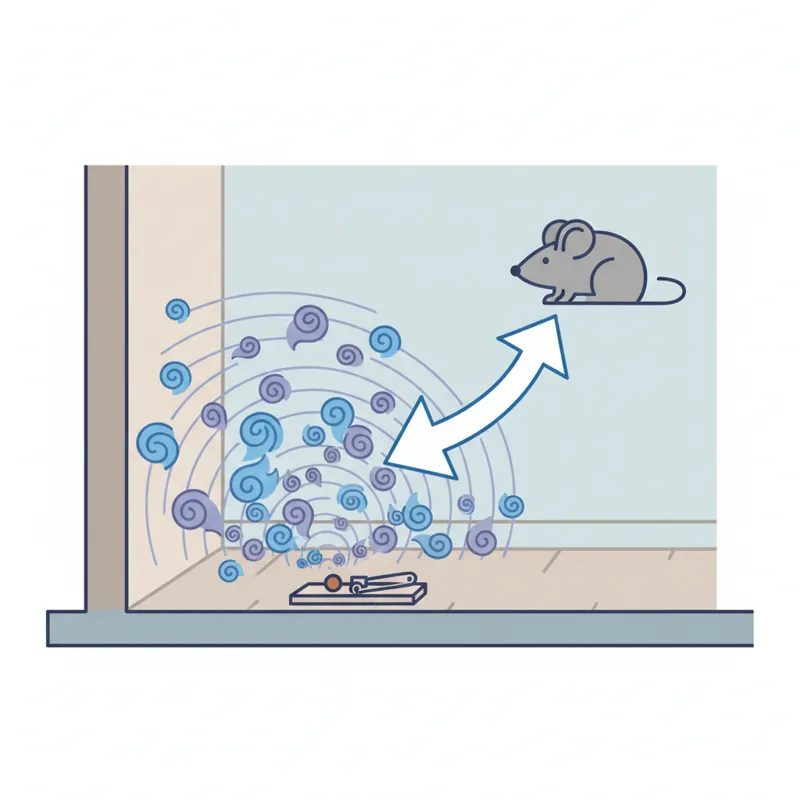
Mice primarily find food through their sense of smell. This means the potency and dispersion of your chosen bait’s aroma are as crucial as its taste.
- Freshness is Key: Stale bait quickly loses its scent appeal. Regularly replace bait, especially if traps have been sitting for a few days without activity.
- Placement Matters: Place traps in areas where mice are known to travel, often along walls. The scent will naturally follow their pathways, increasing the chances of discovery.
- Avoid Over-Scenting: While a strong scent is good, don’t use so much bait that it overwhelms or creates an unnatural smell. A small, concentrated source is more effective.
- Scent Trails (Optional): Some professionals use a tiny smear of bait or a drop of attractant a few inches leading up to the trap, creating a “scent trail” to guide the mouse directly to the trigger.
Beyond the Bait: Trap Type and Placement Matter
Even with the best bait for mouse traps, your success rate will be low if you don’t use the right traps and place them strategically.
- Trap Types: * Snap Traps: The most common and often most effective. They are quick and humane when set correctly. Use the traditional wooden ones or the more modern plastic versions with a larger, easier-to-set trigger plate.
- Live-Capture Traps: If humane capture and release is your goal, these are an option. They require frequent checking and prompt release far from your home. The bait still needs to be enticing to draw them in.
- Glue Boards: While effective, many consider glue traps inhumane as mice can suffer for extended periods. They are also less effective in dusty environments or extreme temperatures.
- Placement: Mice tend to scurry along walls, rarely venturing into open spaces. Place traps perpendicular to walls, with the baited end facing the wall. Corners are also prime locations. Look for signs of mouse activity like droppings, gnaw marks, or smudge marks along baseboards – these are hot spots for trap placement.
- Quantity: Don’t set just one trap. If you see one mouse, assume there are more. Set multiple traps (at least 6-12 for a noticeable infestation) in different locations to maximize your chances.
What Most People Get Wrong When Baiting Mouse Traps
Even with the right bait, common mistakes can sabotage your efforts. Avoid these pitfalls:
- Too Much Bait: A common error. A large gob of bait allows mice to eat around the edges without tripping the mechanism. A pea-sized amount is usually perfect. The goal is to make them work for it.
- Too Little Bait: Conversely, an insufficient amount might not provide enough scent to attract them or might be gone too quickly.
- Using Stale or Old Bait: As mentioned, scent degrades. If your bait has been sitting out for days, replace it. If it’s dry or hard, it’s far less appealing.
- Handling Bait with Bare Hands: Your human scent can alert a cautious mouse, making it wary of the trap. Use gloves, a toothpick, or a small utensil to apply bait.
- Setting Only One Trap: Mice reproduce rapidly. A single trap might catch one, but others will remain. Aggressive trapping with multiple traps is essential for control.
- Ignoring Sanitation: If your kitchen floor is littered with crumbs, why would a mouse bother with your trap? Cleanliness is paramount. Eliminate competing food sources to make your bait the most attractive option available.
- Expecting Instant Results: While some catches happen quickly, it can take a day or two for a mouse to overcome its neophobia and approach a new trap. Be patient, but also be prepared to move traps or change baits if there’s no activity after 48-72 hours.
Safety First: Baiting Responsibly
When dealing with pests, safety should always be a top priority, especially in homes with children or pets.
- Non-Toxic Options: If you’re concerned about pets or children ingesting bait, stick to food-based baits like peanut butter, chocolate, or oats.
- Bait Stations: Consider using child and pet-resistant bait stations. These enclosed units hold the trap (or bait) securely, allowing mice access while preventing larger animals or curious toddlers from reaching it. This is particularly important if you’re using rodenticides (which we don’t recommend for general home use due to risks).
- Hygiene: Always wear gloves when handling traps or dead mice. Dispose of trapped mice quickly and sanitarily, either in a sealed bag in an outdoor trash bin or buried. Clean and disinfect any surfaces where mice have been present. While we might spend time choosing the perfect intelligent atmosphere RGB light Bluetooth speaker with wireless charging to enhance our living spaces, sometimes the simplest solutions, like effective baiting, are what truly restore peace and cleanliness to our homes.
DIY Mouse Trap Bait Recipes: Simple & Effective Combinations
Sometimes, combining baits can create an even more irresistible lure. Here are a couple of popular DIY “recipes”:
- Peanut Butter & Oat Crumble: Mix a small amount of creamy peanut butter with a pinch of rolled oats. The oats add texture, making it harder for the mouse to simply lick the peanut butter off, and also provide a secondary attractant.
- Chocolate & Bacon Smear: Grate a tiny bit of chocolate into a very small amount of bacon grease (cooled, not hot). This creates a powerful sweet-and-savory aroma that can be incredibly effective. Apply with a toothpick. The goal is to create something that smells appealing, tastes great, and requires the mouse to exert enough pressure on the trigger to set off the trap.
How to Choose the Best Bait for Your Situation
There’s no single “magic bullet” bait that works 100% of the time. The best bait for your mouse problem might require a bit of experimentation.
- Observe Preferences (If Possible): Have you noticed what foods mice have been raiding in your pantry? If they’ve been into cereal, a carb-rich bait might work. If they’ve chewed through a chocolate bar, then a sweet bait is a good bet.
- Start with the Staples: Always begin with peanut butter. It’s widely available, cost-effective, and highly effective.
- Rotate and Test: If peanut butter isn’t working after a couple of days, switch to a high-fat meat or a sweet treat like chocolate or caramel. Sometimes, a change is all it takes.
- Environmental Factors: In very cold environments, mice might prioritize high-fat baits for energy. In warmer, drier conditions, a bait that stays moist longer might be better. Just as you’d meticulously review specs when choosing a monitor controller or researching the best Hello Kitty watch, approaching pest control with a methodical mindset, including bait selection, yields the best results.
Maintaining Effectiveness: When to Replace Bait
Bait isn’t a “set it and forget it” solution. Its effectiveness diminishes over time.
- No Activity: If a trap with bait has been sitting for 2-3 days without any catches, it’s time to replace the bait. It might have dried out, lost its scent, or the mice might simply be ignoring it.
- Visible Deterioration: If you notice the bait is dried, moldy, or has been nibbled without a catch, replace it immediately.
- After a Catch: Always replace bait after a successful capture. The scent of the previous mouse, or any disturbance, might make the trap less appealing to the next one.
- High Infestation: In areas with high mouse activity, you might need to refresh baits more frequently, perhaps every 24 hours, to maintain maximum appeal. By actively managing your bait, you significantly increase your chances of quickly eliminating mice from your home.
Frequently Asked Questions (FAQs)
Here are some common questions people ask about baiting mouse traps:
What’s the absolute best bait for mouse traps?
Hands down, creamy peanut butter is consistently rated as the most effective. Its strong aroma, high fat/protein content, and sticky texture make it incredibly hard for mice to resist and difficult to steal without setting off the trap.
Can mice smell human scent on traps?
Yes, mice have an incredibly keen sense of smell. Human scent can make them wary of approaching a trap. It’s always best practice to wear gloves when handling traps and applying bait to minimize transferring your scent.
How much bait should I use on a mouse trap?
Less is more. A pea-sized dollop of peanut butter or a similarly small amount of other bait is ideal. Too much bait allows mice to eat without interacting fully with the trigger, letting them steal it without getting caught.
What if mice are ignoring my traps?
If your traps are being ignored, consider these steps:1. Change Bait: Switch to a different type of bait (e.g., from peanut butter to bacon, or a commercial gel).2. Relocate Traps: Move traps to new locations, especially along walls or near suspected entry points or droppings.3. Eliminate Competition: Ensure there are no other accessible food sources in the area.4. Increase Trap Count: Sometimes, simply having more traps increases the chance of a catch.5. Clean Traps: If traps have been used before, clean them thoroughly to remove old scents.
Are commercial mouse baits better than homemade options?
Not necessarily. While commercial baits are formulated for maximum attraction and longevity, common household items like peanut butter, chocolate, and high-fat meats are often just as, if not more, effective due to their natural appeal. Commercial baits can be a good option if you want something specifically engineered for long-term placement or if traditional baits aren’t working. Always ensure any commercial bait is non-toxic if used around pets or children.