

In the demanding world of professional trades and serious DIY projects, your hands are your most valuable tools. Protecting them isn’t just a recommendation; it’s a fundamental requirement for safety, efficiency, and career longevity. While synthetic materials have made impressive strides in protective gear, for countless applications in 2026, the venerable leather work glove remains the undisputed champion. Its unique blend of durability, tactile feel, and natural resistance continues to outperform alternatives where true ruggedness and traditional craftsmanship matter most. This isn’t about nostalgia; it’s about mechanistic understanding of a material that inherently performs under pressure.
The Enduring Appeal of Leather Work Gloves in 2026

Despite the relentless march of technological innovation, leather work gloves haven’t just survived; they’ve thrived. Their continued relevance isn’t accidental. It’s rooted in a combination of inherent properties that synthetics often struggle to replicate without significant trade-offs. We’re talking about materials that offer superior abrasion resistance, puncture protection, and a comfortable, adaptive fit that only improves with time. Leather provides a tactile sensitivity that allows for delicate manipulation even while offering robust protection. It breathes naturally, helping to manage sweat and discomfort during long hours. This combination of strength, flexibility, and breathability ensures that for tasks ranging from heavy construction to precision metalwork, leather remains a go-to choice. It’s a material that truly works with your hands, rather than simply enclosing them.
Understanding Leather Types: Your First Critical Choice
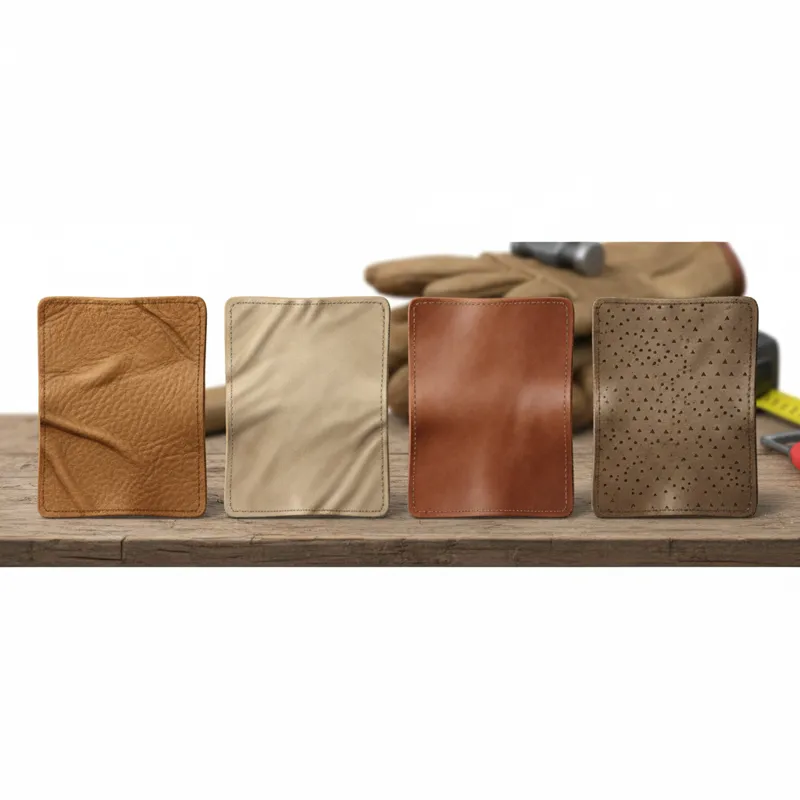
Choosing the right pair of leather work gloves starts with understanding the different types of leather available. Each animal hide offers a distinct set of characteristics, dictating its suitability for specific tasks. This isn’t a one-size-fits-all scenario; the specific properties of the leather directly influence performance and longevity.
Cowhide: The Workhorse of the Industry
Cowhide is perhaps the most common material for heavy-duty industrial hand protection, and for good reason. It’s renowned for its excellent abrasion resistance, puncture resistance, and overall durability. It’s a thick, sturdy leather that offers substantial protection against rough surfaces, splinters, and minor impacts. While initially stiffer than other leathers, cowhide breaks in well, conforming to the wearer’s hand over time. Its dense fiber structure means it holds up exceptionally well against wear and tear, making it ideal for construction, general labor, and heavy material handling. Cowhide work safety gear provides a robust barrier when the going gets tough.
Goatskin: Dexterity Meets Durability
Goatskin offers a compelling balance of strength and flexibility. It’s thinner and softer than cowhide, resulting in significantly better dexterity, which is crucial for tasks requiring fine motor control. Despite its thinner profile, goatskin boasts high tensile strength and natural lanolin in its fibers, making it surprisingly durable and water-resistant. This combination makes goatskin an excellent choice for applications where you need both protection and a refined touch, such as welding, auto mechanics, and intricate assembly work. Durable leather utility gloves made from goatskin provide reliable protection without compromising sensitivity.
Deerskin: Unmatched Comfort and Flexibility
For sheer comfort, deerskin is often considered the gold standard. It’s incredibly soft, supple, and lightweight, providing exceptional tactile feel and flexibility right out of the box. Deerskin glove performance is particularly noteworthy for its natural resistance to water hardening after drying, meaning it stays soft and pliable even after getting wet. While not as inherently abrasion-resistant as cowhide, deerskin offers good puncture resistance and superior comfort in colder conditions due to its natural insulation. It’s a popular choice for light fabrication, driving, or any task where extended wear demands maximum comfort.
Pigskin: Resilience in Wet Conditions
Pigskin stands out for its unique ability to become softer with use, rather than stiffening. It has natural pores that allow it to breathe well and remain pliable even after getting wet and drying, which is a significant advantage over many other leathers. It offers good abrasion resistance, often comparable to cowhide, though it tends to be lighter. Because of its resilience to moisture, pigskin is an excellent option for general outdoor work, landscaping, and tasks in damp environments where other leathers might become stiff or brittle. It provides a reliable, long-lasting option for consistent utility.
Split vs. Grain Leather: Understanding the Layers
When discussing leather, it’s essential to understand the distinction between grain and split leather.
- Full Grain Leather: This is the top layer of the hide, including the natural grain. It’s the strongest, most durable, and most breathable part of the leather. It develops a rich patina over time and is used in premium gloves where maximum strength and longevity are desired.
- Top Grain Leather: Similar to full grain, but with a slight sanding or buffing to remove imperfections. It’s still very durable but slightly less breathable than full grain.
- Split Leather (Suede): This comes from the lower layers of the hide, after the top grain has been separated. Split leather is softer and more pliable but generally less durable and less resistant to moisture and abrasion than grain leather. It’s often used for the palms of gloves where flexibility and grip are prioritized, or for the backs of gloves where cost-effectiveness is a factor.
Understanding these distinctions helps clarify why certain gloves feel and perform differently, even if they’re from the same animal.
Beyond Material: Key Features and Construction
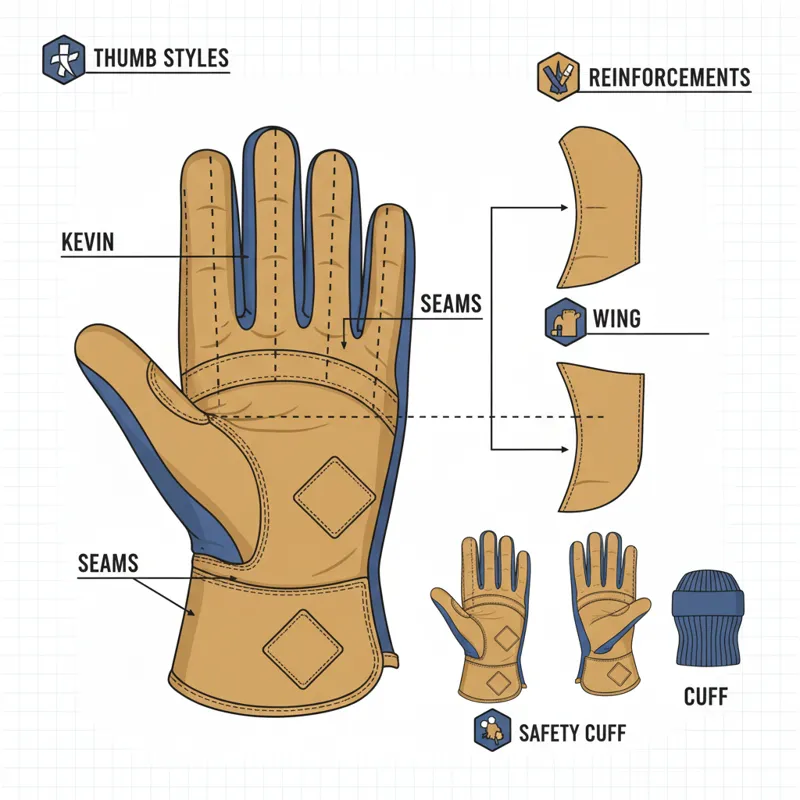
The type of leather is critical, but the construction and additional features of leather work gloves are equally important. These design elements determine the glove’s fit, durability, and specific protective capabilities.
Seams and Stitching: The Foundation of Durability
The quality of stitching significantly impacts the lifespan of a glove. Double stitching reinforces critical stress points, preventing premature failure. Threads like Kevlar are often used in heavy-duty or welding protective handwear due to their extreme heat and cut resistance, far exceeding standard cotton or polyester threads. Strong, well-placed seams prevent blowouts under stress, a common point of failure for lesser-quality gloves.
Thumb Styles: Impact on Dexterity and Wear
The way the thumb is integrated into the glove’s design affects both comfort and dexterity:
- Keystone Thumb: This is the most common and comfortable thumb design. It’s a separate piece of leather sewn in, offering excellent flexibility and ergonomics. It allows for natural thumb movement, making it ideal for tasks requiring fine motor skills.
- Straight Thumb: Simpler and more basic, the straight thumb is cut straight across the palm, providing good grip strength but less dexterity. Often found in less expensive utility gloves.
- Wing Thumb: This thumb is angled and sewn diagonally across the palm. It’s comfortable and offers good flexibility, particularly for tasks involving grasping objects. Often seen in heavy duty industrial hand protection.
Cuffs: Tailoring Protection Levels
The cuff design dictates the level of wrist and forearm protection:
- Safety Cuff: A traditional, flared cuff that provides easy on/off and wrist protection, allowing for quick removal. Common in basic utility and general-purpose gloves.
- Gauntlet Cuff: An extended cuff that often reaches further up the forearm, offering maximum protection against sparks, heat, and abrasions. Essential for welding or certain heavy-duty applications.
- Knit Wrist: A snug, elasticized cuff that prevents debris from entering the glove and offers a secure fit. Popular in cold-weather gloves or where a tight seal is needed.
Lining: Comfort, Insulation, and Sweat Wicking
Many leather work gloves incorporate linings for added comfort, insulation, or sweat management. Fleece or Thinsulate linings provide warmth in cold environments. Cotton or synthetic blends can offer a layer of cushioning and help wick away moisture, improving comfort during long workdays. A well-chosen lining can significantly enhance the overall user experience.
Reinforcements: Strategic Protection
High-wear areas often receive additional reinforcement:
- Palm Reinforcements: Extra layers of leather or synthetic material on the palm enhance grip, abrasion resistance, and cushioning.
- Knuckle Guards: Padded or armored knuckles protect against impact and abrasion, vital in construction or demolition.
- Fingertip Guards: Reinforcing the tips of the fingers extends the life of the glove and provides extra protection during repetitive tasks.
Matching Your Leather Work Gloves to the Task
The real power behind leather work gloves is unleashed when they are precisely matched to the demands of the job. Generic gloves often fall short, risking both safety and efficiency.
Heavy-Duty Construction & Demolition
For rugged environments involving concrete, rebar, heavy lifting, and rough materials, maximum protection is paramount. You’ll want thick cowhide work safety gear, often with reinforced palms and knuckle guards. Gauntlet cuffs can provide extended forearm protection. Look for designs prioritizing abrasion and puncture resistance. These are true heavy duty industrial hand protection.
Welding & Metal Fabrication
Welding presents unique hazards: intense heat, sparks, molten metal, and UV radiation. Welding protective handwear demands specific features. Thick cowhide or goatskin gauntlet gloves are standard, often lined with materials like cotton for heat insulation. Kevlar stitching is critical to prevent seams from melting. The gauntlet cuff protects the forearms from sparks and spatter.
Carpentry & Woodworking
Carpenters need a balance of protection and dexterity. Goatskin or deerskin leather work gloves are often preferred for their flexibility, allowing for good feel when handling tools, nails, or lumber. Medium-duty cowhide can also be suitable. Gloves with good grip and perhaps anti-vibration padding can be beneficial.
Landscaping & Gardening
Dealing with thorns, sharp branches, soil, and moisture requires robust yet comfortable gloves. Pigskin or goatskin durable leather utility gloves are excellent choices due to their resistance to stiffening after getting wet. Look for reinforced palms and fingertips to guard against punctures from thorns or sharp objects.
General Utility & DIY
For home projects, garage work, or light tasks, versatility is key. A good pair of medium-weight cowhide or goatskin gloves will typically suffice. These should offer a balance of comfort, protection, and dexterity for handling tools, moving boxes, or basic repairs. Deerskin glove performance can also be a great choice for lighter, more comfort-focused tasks.
What Most People Get Wrong: The Pitfall of “More is Better”
One common misconception is that thicker leather automatically means better protection. While thickness does contribute to certain types of resistance, it often comes at the expense of dexterity and comfort. The type of leather and its quality are often more critical than sheer bulk. For instance, high-quality goatskin can offer superior puncture resistance and flexibility compared to a thicker, lower-grade cowhide. Another mistake is ignoring fit; an ill-fitting glove, regardless of material, compromises both safety and utility. A glove that’s too loose can snag, while one that’s too tight restricts blood flow and movement, leading to fatigue and reduced dexterity. Prioritizing the right leather for the task and ensuring a perfect fit will always trump simply grabbing the thickest pair on the shelf.
Sizing and Fit: The Unsung Hero of Hand Protection
Proper sizing and fit are arguably as important as the material itself. A glove that doesn’t fit correctly will compromise safety, reduce dexterity, and cause discomfort, ultimately leading to less productivity and more frustration. It’s not just about wearing leather work gloves; it’s about wearing them effectively. Gloves that are too large can snag on machinery, offer poor grip, and reduce tactile feedback. Conversely, gloves that are too small can restrict movement, cause fatigue, and even tear at the seams prematurely. Always measure your hand circumference and length against a manufacturer’s sizing chart. Breaking in new leather gloves is also part of the process. While deerskin and goatskin are supple from the start, cowhide and pigskin often require some use to soften and conform to your hand’s unique shape. This isn’t a defect; it’s a characteristic of durable, robust leather.
Extending the Life of Your Leather Work Gloves
Investing in quality leather work gloves means investing in their longevity. Proper care and maintenance can significantly extend their useful life, ensuring your heavy duty industrial hand protection remains effective and comfortable for years.
Cleaning and Conditioning: Preventing Cracking
Leather can dry out, especially when repeatedly exposed to dirt, grime, and moisture, leading to cracking and stiffness. Regularly clean your leather work gloves by wiping off surface dirt with a damp cloth. For deeper cleaning, use a specialized leather cleaner designed for workwear. After cleaning, or when the leather starts to feel dry, apply a high-quality leather conditioner. This replenishes the natural oils, keeping the leather supple, preventing cracks, and maintaining its protective qualities. Leather work glove care tips often emphasize conditioning as the most crucial step.
Drying Properly: Avoiding Stiffness and Damage
Never dry leather gloves with direct heat, such as on a radiator, in a clothes dryer, or with a heat gun. This can cause the leather to shrink, stiffen, and crack irrevocably. Instead, gently reshape the gloves and allow them to air dry slowly at room temperature, away from direct sunlight or heat sources. You can insert crumpled paper or a glove shaper to help them maintain their form.
Storage: Maintaining Shape and Material Integrity
Store your clean, dry leather work gloves in a cool, dry place away from direct sunlight. Avoid crushing or folding them excessively, which can cause permanent creases or damage to the leather fibers. Proper storage helps maintain their shape and integrity, ensuring they’re ready for the next project.
The Broader Picture: Worker Safety and Well-being
While specialized leather work gloves are indispensable for hand protection, true workplace safety encompasses a holistic approach to worker well-being. Equipping yourself with the right gear is a fundamental step, but it operates within a larger framework of health and awareness. Organizations like OSHA (Occupational Safety and Health Administration) provide comprehensive guidelines for personal protective equipment, emphasizing that gloves are just one component of a larger safety strategy for the American workforce. Similarly, resources from institutions like the National Institute for Occupational Safety and Health (NIOSH) consistently highlight the importance of understanding chemical exposures, ergonomics, and overall health to prevent injuries and maintain long-term worker vitality. In a broader context, for any individual involved in physically demanding work, understanding preventative health measures is crucial. For instance, regular health screenings, such as a colonoscopy, often require specific dietary preparations, like following a low-fiber diet, to ensure accurate results. Staying informed about various health topics, including potential interactions or warnings associated with common supplements like psyllium husk, is part of a proactive approach to personal well-being. Paying attention to your body’s signals is also key. Unexplained symptoms, even seemingly minor ones like persistent bowel cancer stomach noises, should prompt a conversation with a healthcare professional, as early detection is often vital. Proactive health management complements robust physical protection, ensuring professionals remain at their best, both on and off the job.
Frequently Asked Questions About Leather Work Gloves
Understanding the nuances of your protective gear often leads to common questions. Here are some answers to help clarify aspects of leather work gloves.
Are leather gloves waterproof?
Most leather work gloves are not inherently waterproof. While some leathers, like goatskin and pigskin, offer good water resistance due to their natural oils and structure, prolonged exposure to water will eventually saturate them. Specialized waterproof leather gloves are available, usually treated with waxes, oils, or featuring an internal waterproof membrane. Always check product specifications if waterproofing is a primary concern.
How do I break in new leather gloves?
The best way to break in new leather work gloves is simply to wear them. Consistent use will allow the leather to soften and mold to the contours of your hands. For stiffer leathers like cowhide, you can gently flex and work the leather with your hands, or apply a small amount of leather conditioner to help expedite the softening process, though natural wear is usually most effective.
When should I replace my leather gloves?
Replace your leather work gloves when they show significant signs of wear and tear that compromise their protective function. This includes large holes, torn seams, excessive thinning in high-wear areas, or a loss of structural integrity. If they no longer provide adequate protection or comfort, it’s time for a new pair. Regular inspection is key.
Can I wash leather work gloves in a machine?
Machine washing is generally not recommended for leather work gloves. The harsh detergents and agitation can strip the natural oils from the leather, causing it to shrink, stiffen, and crack. It’s best to clean them manually using a damp cloth and specialized leather cleaner, followed by conditioning and air drying.
The right pair of leather work gloves is more than just an accessory; it’s an essential piece of equipment that empowers you to tackle projects with confidence and protection. By understanding the distinct properties of different leather types, appreciating key construction features, and committing to proper care, you can select gloves that not only meet the demands of your specific tasks but also provide lasting comfort and safety. Unleash the full power behind your projects by equipping your hands with the proven strength and reliability of quality leather.
Disclaimer: The health and medical information on bangladeshcountry.com is provided for general informational and educational purposes only and is not a substitute for professional medical advice, diagnosis, or treatment. We are not medical professionals. Always consult with a qualified healthcare provider before making any medical decisions. Reliance on any information provided on this site is solely at your own risk.


