
A dog incubator is far more than just a warmed box; it’s a precisely controlled microenvironment, a lifeline for the most vulnerable members of our canine families. For new breeders, experienced enthusiasts, and even pet owners facing unexpected health crises, understanding the capabilities and proper use of a modern dog incubator can literally mean the difference between life and death for fragile puppies or ailing adult dogs. In 2026, these innovative solutions integrate sophisticated technology to provide optimal conditions, significantly improving survival rates and recovery outcomes. It’s about creating a safe, stable, and sterile haven when natural conditions aren’t enough, addressing critical physiological needs with scientific precision.
What Exactly Constitutes a Modern Dog Incubator?
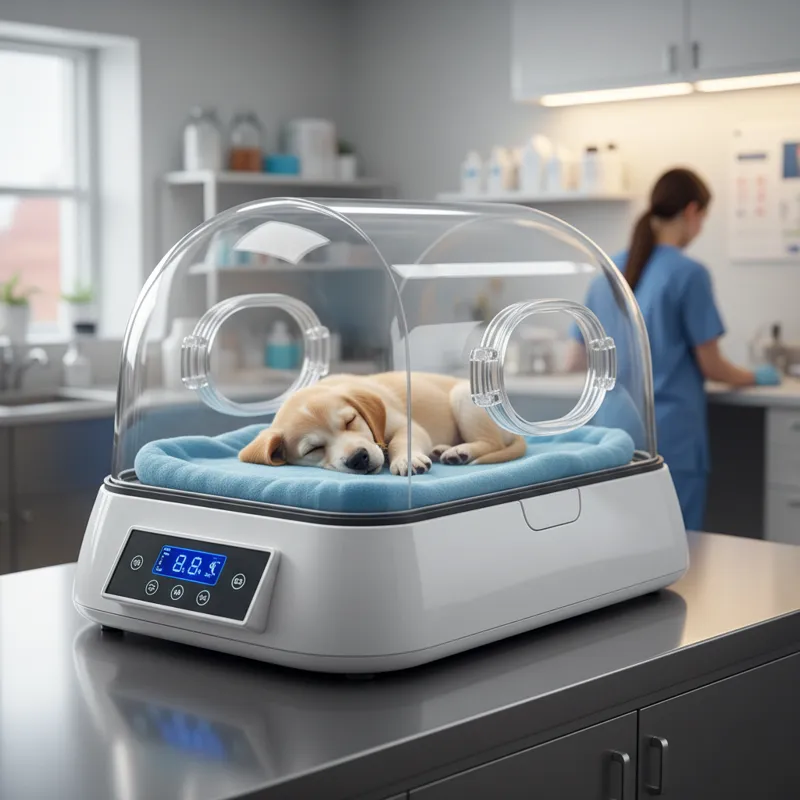
At its core, a dog incubator, often referred to as a puppy intensive care unit or canine neonatal care equipment, is a specialized enclosure designed to maintain specific environmental parameters crucial for an animal’s health. Unlike a simple heating pad or a basic whelping box, a dedicated dog incubator offers advanced control over multiple variables. These include precise temperature regulation, controlled humidity levels, an oxygen delivery system, and often sophisticated air filtration. Think of it as a tiny, highly specialized critical care unit, tailored for canine physiology. It creates an external uterine environment for newborns or a carefully managed recovery space for sick and injured dogs, helping them conserve energy that would otherwise be spent fighting environmental stressors.
Beyond Basic Warmth: Key Components and Functions
- Precise Temperature Control: Newborn puppies, especially, cannot regulate their body temperature effectively for the first few weeks of life. A dog incubator uses advanced thermostats and heating elements to maintain a consistent, optimal temperature, preventing life-threatening hypothermia or dangerous overheating. This typically ranges from 85-95°F (29.4-35°C), adjusted as the puppy ages.
- Humidity Management: Often overlooked, humidity is vital for respiratory health and preventing dehydration, particularly in neonates and animals with compromised respiratory systems. Incubators can maintain specific humidity levels, typically between 55-65%, to support lung function and skin integrity.
- Oxygen Therapy Capabilities: Many incubators serve as a pet oxygen therapy cage, equipped with ports for connecting an oxygen concentrator or tank. This is critical for puppies struggling with respiratory distress, compromised adults post-surgery, or those with congenital heart defects.
- Air Filtration and Sterilization: To protect vulnerable animals from airborne pathogens, advanced dog incubators incorporate multi-stage air filtration systems, sometimes including HEPA filters and even UV sterilization lamps, to ensure the air within the enclosure is clean and hygienic.
- Nebulization Integration: Some models allow for nebulization, a process of delivering medication directly to the respiratory tract as a fine mist. This is invaluable for treating conditions like kennel cough or pneumonia without additional stress to the animal.
- Observation and Accessibility: A clear, transparent design allows for continuous monitoring without disturbing the animal. Thoughtful access points facilitate feeding, cleaning, and medication without significant temperature or humidity fluctuations.
Why is a Dog Incubator Essential? The Core Benefits for Canine Health
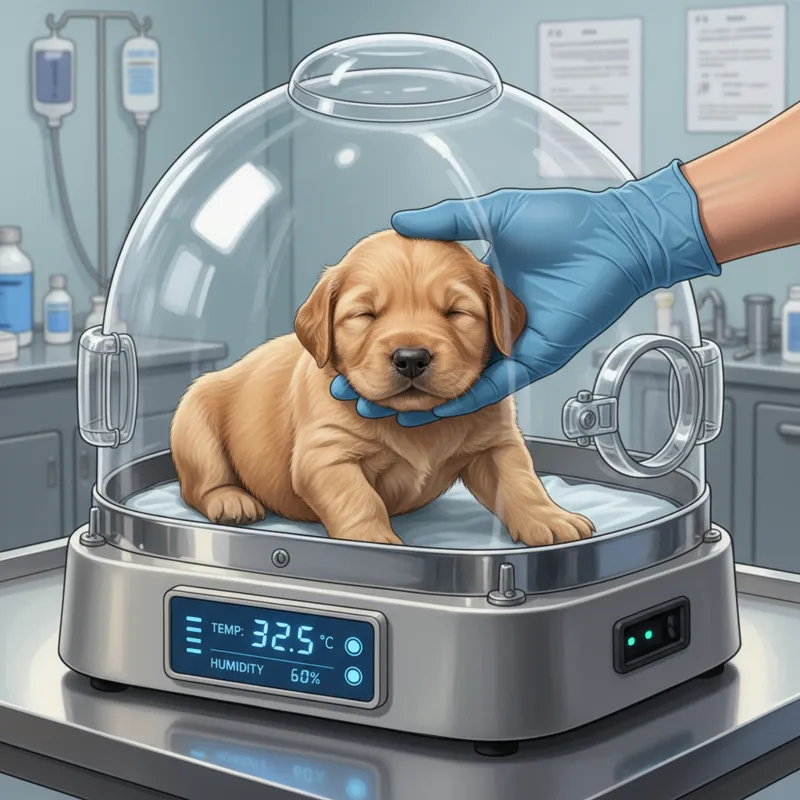
The benefits of utilizing a dog incubator extend across various scenarios, from supporting fragile newborns to aiding the recovery of critically ill adult dogs. Its controlled environment offers a crucial advantage over less sophisticated solutions, directly impacting survival rates and overall well-being.
Optimizing Survival for Newborns
Newborn puppies are incredibly delicate. Their thermoregulatory systems are immature, making them highly susceptible to hypothermia. They have limited energy reserves and their immune systems are still developing. A dog incubator acts as a sophisticated newborn animal warming box and much more.
- Preventing Hypothermia: Consistent warmth is paramount. Puppies shiver less, which conserves vital glucose, reducing the risk of “fading puppy syndrome.”* Aiding Weak or Premature Puppies: Those born weak, undersized, or prematurely often lack the vigor to compete with littermates for warmth and nutrition. The incubator provides a sheltered start, allowing them to gain strength.
- Supporting Large Litters: In large litters, some puppies may struggle to secure a warm spot or adequate nursing time. An incubator ensures every puppy has access to optimal conditions.
- Orphaned or Rejected Puppies: For puppies without a mother, the incubator substitutes the maternal warmth and consistent care, reducing stress and increasing their chances of thriving.
Accelerating Recovery for Sick or Injured Dogs
It’s not just puppies who benefit. Adult dogs facing health challenges can find significant relief and aid in their recovery within an incubator.
- Respiratory Distress: For dogs with pneumonia, kennel cough, asthma, or post-anesthesia breathing difficulties, the controlled oxygen and humidity of a pet oxygen therapy cage can be life-saving.
- Post-Surgical Care: Maintaining stable body temperature, especially after extensive surgery, is crucial for healing. The incubator minimizes metabolic stress, allowing the body to focus energy on repair.
- Infectious Disease Isolation: The contained environment helps isolate sick animals, preventing the spread of infection to other pets while providing a clean, pathogen-reduced space for the patient.
- Stress Reduction: A stable, quiet environment, free from environmental fluctuations and external stressors, can significantly impact an animal’s comfort and psychological well-being during recovery.
Who Needs a Dog Incubator? Identifying the Critical Scenarios
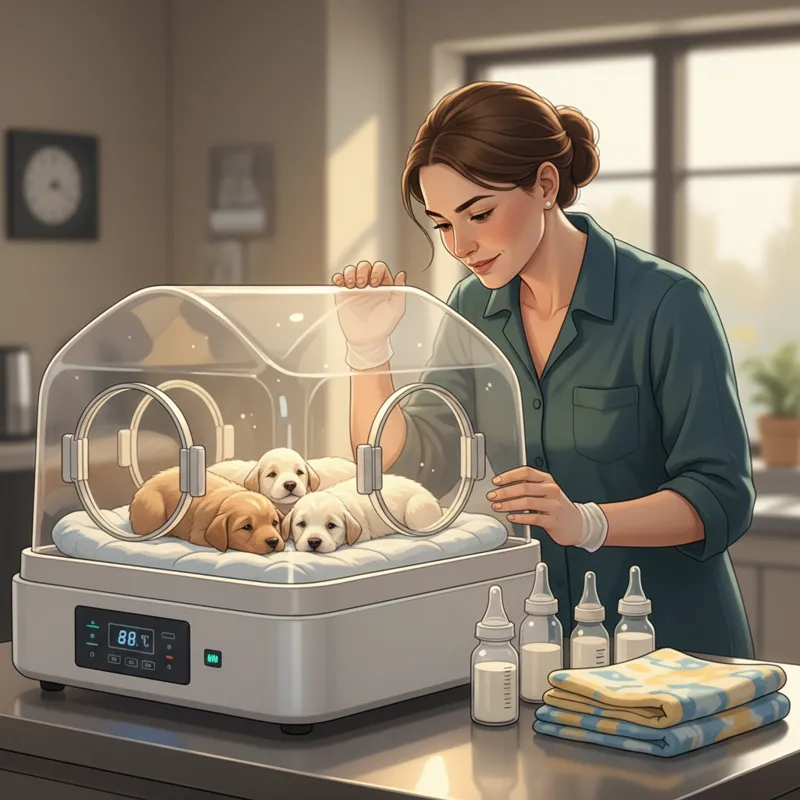
The utility of a dog incubator spans a wide range of individuals and organizations involved in canine care, highlighting its versatility as a critical piece of canine neonatal care equipment.
- Responsible Dog Breeders: For breeders striving to maximize litter survival rates and ensure the health of every puppy, an incubator is an invaluable tool. This is especially true for breeds known for difficult whelpings, such as many brachycephalic breeds (like French Bulldogs or Pugs), or toy breeds that often have smaller, more fragile offspring. Proactive use for the first few critical weeks can dramatically improve outcomes.
- Veterinary Clinics and Emergency Hospitals: These facilities routinely use dog incubators as puppy intensive care units for critical patients, from severely hypothermic newborns to adult dogs recovering from trauma, surgery, or serious illnesses requiring oxygen support.
- Animal Shelters and Rescue Organizations: Faced with abandoned, sick, or orphaned animals, these groups often rely on incubators to provide the intensive care necessary for rehabilitation and to prepare animals for adoption.
- Pet Owners with Special Needs Dogs: Owners of dogs with chronic respiratory conditions, heart issues, or those prone to severe anxiety might find an incubator beneficial for periods of acute distress or to provide a calming, therapeutic environment. This is also true for owners anticipating a difficult whelping with their personal pets.
- Hobbyists and Small-Scale Breeders: Even those breeding occasionally can benefit significantly. The investment in a dog incubator can reduce the heartbreak of losing puppies and ensure the best start for a new litter.
Key Features to Look for in a Modern Dog Incubator (2026 Perspective)
The market for dog incubators has advanced considerably, with models in 2026 offering sophisticated features that go beyond basic functionality. When selecting a dog incubator, prioritize features that align with your specific needs and budget, always with safety and efficacy at the forefront.
- Precise Digital Controls: Look for incubators with intuitive digital interfaces for setting and monitoring temperature, humidity, and sometimes even oxygen flow rates. Accuracy within ±0.5°F (0.2°C) is ideal. Models with programmable timers for various stages of puppy development are also beneficial.
- Integrated Oxygen Delivery System: A dedicated port and flow meter for oxygen are crucial for any pet oxygen therapy cage. Some high-end models may even include an integrated oxygen concentrator, eliminating the need for external tanks.
- Advanced Air Filtration: HEPA filters are a must for minimizing airborne contaminants. Consider models that also include activated carbon filters for odor control and UV sterilization for enhanced pathogen destruction.
- Nebulization Port: This feature allows for the safe and effective delivery of aerosolized medications directly into the incubator environment, which can be critical for treating respiratory infections like those that can cause a heavy breathing cat or dog.
- Internal Lighting and Observation: Non-intrusive LED lighting for observation, coupled with large, clear viewing panels, helps monitor animals without disturbing them.
- Safety Protocols and Alarms: Essential features include overheat protection, automatic shutdowns, and audible/visual alarms for deviations from set parameters (e.g., temperature drops, power failure).
- Durable and Easy-to-Clean Materials: The interior should be made of non-toxic, non-porous materials (like medical-grade ABS plastic or stainless steel) that are easy to disinfect thoroughly between uses, preventing cross-contamination.
- Modular Design and Expandability: Some incubators offer modular components, such as additional trays or oxygen cages, allowing for adaptability as needs change.
- Remote Monitoring and Smart Features: In 2026, many high-end dog incubators integrate with smartphone apps or smart home systems, allowing for remote monitoring of conditions and alerts, which can be invaluable for breeders and veterinarians.
- Noise Level: A quiet operation is paramount, especially for stress-sensitive newborns or recovering animals. Low-decibel fans and components are preferred.
Setting Up and Using Your Dog Incubator Safely and Effectively
Proper setup and diligent usage are just as important as selecting the right dog incubator. Adhering to best practices ensures both the safety of the animal and the longevity of the equipment. While a dog incubator addresses immediate physiological needs, responsible pet ownership encompasses a full spectrum of care, from nutrition to regular veterinary check-ups and maintaining oral hygiene, much like understanding a cat dental chart provides insight into feline oral health.1. Placement: Position the dog incubator on a stable, level surface in a quiet, draft-free room with a consistent ambient temperature. Avoid direct sunlight or proximity to heat sources.2. Initial Cleaning and Disinfection: Before its first use, and between every animal, meticulously clean and disinfect all internal surfaces. Use veterinary-approved disinfectants that are safe for animals and won’t leave toxic residues. Rinse thoroughly and allow to air dry completely.3. Pre-Warm and Stabilize: Plug in the incubator and set your desired temperature and humidity levels. Allow the unit to run for at least 30-60 minutes to reach and stabilize these parameters before introducing an animal.4. Animal Introduction: Gently place the puppy or dog inside. Ensure they have appropriate bedding (clean, dry, non-fraying towels or whelping pads) that allows for easy movement and does not obstruct air vents.5. Continuous Monitoring: Regularly check the animal’s condition, including activity level, respiration, and vocalizations. Monitor the incubator’s digital display to ensure settings remain within desired ranges. Keep a log of temperature, humidity, and the animal’s observations.6. Hydration and Nutrition: Ensure the animal receives adequate hydration and nutrition. For neonates, this means regular nursing opportunities with the mother or scheduled bottle/tube feeding.7. Veterinary Consultation: A dog incubator is a support tool, not a substitute for veterinary care. Always consult with a veterinarian regarding the appropriate settings, duration of use, and overall health management plan for your specific animal. For serious concerns, such as a puppy failing to thrive or an adult dog exhibiting severe respiratory distress, prompt veterinary intervention is paramount. The American Veterinary Medical Association (AVMA) offers valuable resources on animal welfare and care, which can complement your understanding of responsible pet ownership.
What Most People Get Wrong About Dog Incubators
Despite the clear benefits, several misconceptions surround the use of dog incubators that can lead to suboptimal outcomes. Understanding these pitfalls is crucial for effective and responsible care.
- “It’s Just a Fancy Heat Lamp”: This is perhaps the most common misunderstanding. While warmth is a primary function, a dog incubator provides a controlled environment far beyond what a heat lamp or heating pad can offer. It regulates humidity, air quality, and can deliver oxygen, creating a stable microclimate that heat lamps simply cannot replicate. Relying solely on a heat lamp risks overheating, dehydration due to lack of humidity, and no protection from airborne pathogens.
- “Set It and Forget It”: An incubator is a piece of equipment that requires ongoing attention. Leaving an animal unsupervised for extended periods, even in a perfectly set incubator, is negligent. Regular checks for the animal’s comfort, health status, and the incubator’s functionality are non-negotiable. Alarms are safety nets, not substitutes for active observation.
- “It Replaces Veterinary Care”: A dog incubator is a critical support tool in a comprehensive care plan, not a diagnostic or treatment device that can replace a qualified veterinarian. It helps stabilize and support an animal, but a vet must diagnose underlying issues, prescribe medications, and guide the overall treatment strategy. Delaying vet visits because an animal is “comfortable” in an incubator can be fatal.
- Ignoring Humidity Levels: Many users focus solely on temperature, neglecting humidity. Low humidity can lead to rapid dehydration in neonates, dry mucous membranes, and respiratory irritation. Conversely, excessively high humidity can create a breeding ground for bacteria and fungi. Maintaining the correct balance is vital.
- Lack of Proper Cleaning and Sanitation: Introducing a vulnerable animal into an incubator that hasn’t been thoroughly cleaned and disinfected is a significant risk. Contamination can lead to severe infections, especially in animals with compromised immune systems. This applies to internal surfaces and any bedding or items placed inside.
- Using It for Unnecessary Reasons: While a dog incubator is a powerful tool, not every weak puppy or slightly unwell dog needs one. Over-reliance can sometimes prevent animals from developing natural immunities or bonding with their mothers. Use it judiciously and based on actual physiological need, preferably under veterinary guidance.
The Investment: Costs and Value of a Dog Incubator
The cost of a dog incubator can vary significantly, reflecting the range of features, build quality, and technological sophistication. This investment, however, often translates into immeasurable value, particularly when considering the potential for saving lives and reducing long-term veterinary expenses.
- Entry-Level Models: Basic puppy warmers or smaller incubators, offering fundamental temperature control and perhaps a simple humidity tray, might range from a few hundred to around $1,000. These are suitable for occasional use by pet owners or small-scale breeders with straightforward needs.
- Mid-Range Units: These typically include more precise digital controls, integrated oxygen ports, better air filtration, and more robust construction. Prices for these canine neonatal care equipment models generally fall between $1,500 and $4,000. This category often provides the best balance of features and affordability for dedicated breeders and small rescue operations.
- Professional and Veterinary-Grade Incubators: High-end models, often functioning as full-fledged puppy intensive care units, feature advanced sensors, nebulization capabilities, UV sterilization, remote monitoring, and superior durability. These can cost upwards of $5,000 to over $10,000. These units are typically found in veterinary clinics, large breeding facilities, and university research settings.
The Return on Investment
While the initial outlay for a dog incubator might seem substantial, its value often outweighs the cost.
- Increased Survival Rates: For breeders, saving even one or two puppies per litter can quickly offset the cost of the incubator, especially with high-value breeds.
- Reduced Veterinary Bills: Proactive use of an incubator can prevent complications like severe hypothermia or respiratory distress, which would otherwise lead to expensive emergency veterinary interventions.
- Peace of Mind: Knowing you have the tools to provide optimal care for vulnerable animals brings immense peace of mind, reducing stress for both the animal and the caregiver.
- Improved Animal Welfare: Beyond financial considerations, the primary value lies in contributing to the health, comfort, and survival of fragile animals. This commitment to animal welfare resonates deeply with responsible pet owners and breeders.
Understanding the Science: How a Controlled Environment Boosts Recovery
The mechanistic understanding behind why a controlled environment like a dog incubator is so effective rests on fundamental physiological principles. When an animal, especially a neonate, is placed in an optimal external environment, its body can allocate resources much more efficiently.
- Energy Conservation: Newborn puppies, for instance, expend significant energy trying to maintain their body temperature if the ambient environment is too cold. This metabolic effort consumes vital glucose, leading to hypoglycemia and “fading puppy syndrome.” A consistent, warm environment reduces this energetic burden, allowing the puppy to channel calories towards growth, development, and immune function. This is a primary benefit of puppy warmers.
- Optimal Respiratory Function: The controlled humidity within a dog incubator helps prevent the drying of mucous membranes in the respiratory tract. Dry membranes are less effective at trapping pathogens and can lead to inflammation, making the animal more susceptible to respiratory infections. Combined with supplemental oxygen, this environment optimizes gas exchange in the lungs, crucial for animals with compromised breathing. Forbes magazine has published articles discussing how innovations in pet care technology, including environmental controls, are transforming animal health management, highlighting the scientific backing of these solutions.
- Immune System Support: Stress, cold, and dehydration all suppress the immune system. By eliminating these environmental stressors, the dog incubator allows the animal’s nascent or recovering immune system to function more effectively, fighting off infections and promoting healing.
- Reduced Physiological Stress: A stable, quiet, and consistently warm environment is inherently less stressful for an animal. Chronic stress can elevate cortisol levels, which has detrimental effects on virtually every bodily system, including metabolism, immunity, and healing. By mitigating environmental stress, the incubator supports overall physiological balance.
- Enhanced Healing and Recovery: Whether from surgery, illness, or trauma, an animal’s body needs to dedicate its resources to repair and regeneration. The incubator minimizes distractions and demands on the body, creating an ideal setting for rapid and efficient healing. This holistic support system is why incubators are so effective as canine neonatal care equipment and pet oxygen therapy cages.
The Future of Canine Neonatal and Critical Care (2026 Outlook)
Looking ahead from 2026, the trajectory of dog incubator technology points towards even greater integration, intelligence, and accessibility. The drive for improved animal welfare and more efficient care will continue to fuel innovation.
- Smarter, AI-Powered Incubators: Expect to see dog incubators with integrated AI and machine learning capabilities. These systems could analyze vital signs (heart rate, respiratory rate, temperature fluctuations) in real-time, predict potential health crises before they become acute, and even suggest adjustments to environmental parameters. Advanced sensors might detect subtle changes in puppy vocalizations or movement patterns, indicating distress.
- Telemedicine Integration: Remote monitoring will become standard, with incubators seamlessly connecting to veterinary telemedicine platforms. This allows vets to monitor critical patients from afar, adjust settings, and provide guidance to owners or breeders in real-time, greatly expanding access to specialized care, particularly in rural areas.
- Personalized Environmental Control: Future incubators might offer highly personalized settings based on individual animal data—breed, age, weight, and specific health conditions. Imagine an incubator that automatically adjusts humidity and oxygen flow based on a puppy’s specific respiratory curve or a recovering dog’s metabolic rate.
- Enhanced Sanitation and Sterilization: Advancements in self-cleaning materials, integrated sterilization cycles (e.g., automated UV-C light cycles, ozone generation), and antimicrobial surfaces will further reduce the risk of infection, making these environments even safer for the most vulnerable.
- Increased Affordability and Accessibility: As technology matures and production scales, the cost of advanced features will likely decrease, making sophisticated canine neonatal care equipment more accessible to a broader range of breeders, rescuers, and dedicated pet owners. This democratization of critical care tools will undoubtedly improve outcomes across the board. Beyond critical health equipment like a dog incubator, the world of pet care also includes a wide array of products aimed at enhancing a pet’s comfort and appearance, though some, like cat eye gel polish, might seem more suited to human aesthetics than genuine animal welfare.
- Sustainable Design: There will be a growing emphasis on energy efficiency, recyclable materials, and environmentally conscious manufacturing processes for dog incubators, aligning with broader societal trends towards sustainability. The future envisions a world where a dog incubator is not just a reactive crisis tool, but a proactive, intelligent system that consistently supports optimal canine health from birth through recovery, empowering caregivers with unparalleled control and insight.
Frequently Asked Questions About Dog Incubators
Understanding the practicalities of dog incubators often involves addressing common queries. Here are some frequently asked questions:
How long can a puppy stay in a dog incubator?
The duration depends entirely on the puppy’s specific needs and health status. Typically, newborn puppies might stay in a dog incubator for the first 2-4 weeks, or until they can regulate their own body temperature and are thriving independently. Weak or premature puppies might require longer. Always consult your veterinarian for specific guidance.
What temperature should a puppy incubator be set to?
For newborn puppies (0-7 days), the recommended temperature is generally 90-95°F (32.2-35°C). This should be gradually reduced by about 5°F (2.8°C) each week until the puppy is 3-4 weeks old and can maintain its own body temperature, usually around 75-80°F (23.9-26.7°C). Humidity should be kept around 55-65%. Your veterinarian can provide precise guidelines based on the puppy’s condition.
Can I use a human incubator for dogs?
While some very basic human incubators might offer warmth, they are not specifically designed for canine needs. They often lack appropriate humidity control, oxygen ports, or durable, easy-to-clean materials suited for animals. It’s always best and safest to use a purpose-built dog incubator.
When should I consider an incubator for my puppy or dog?
Consider a dog incubator if you have:
- Newborn puppies that are weak, premature, orphaned, or part of a very large litter.
- Puppies struggling to nurse or gain weight.
- Any puppy showing signs of hypothermia (cold to the touch, lethargic).
- Dogs of any age suffering from respiratory distress, requiring oxygen therapy.
- Dogs recovering from major surgery or critical illness needing a stable, controlled environment.
- Brachycephalic or toy breed puppies known to be more fragile at birth. Always consult your veterinarian immediately if you have concerns about your pet’s health.
Are dog incubators expensive?
The cost varies significantly, from a few hundred dollars for basic puppy warmers to several thousand for professional-grade puppy intensive care units. While it is an investment, the value in saving lives, reducing vet bills for complications, and ensuring optimal animal welfare often makes it a worthwhile expense for responsible breeders and owners.
Revolutionizing Canine Care
The dog incubator represents a significant leap in responsible canine care, moving beyond rudimentary solutions to provide a scientifically controlled environment crucial for the survival and thriving of vulnerable animals. Whether for newborn puppies struggling to find their footing or adult dogs navigating the complexities of illness and recovery, these innovative solutions offer a lifeline, ensuring optimal conditions for health and well-being. By understanding their mechanistic principles, selecting the right equipment, and committing to diligent, veterinary-guided use, we can harness the power of dog incubators to revolutionize how we care for our canine companions, giving every dog the best possible start or second chance at a healthy life. This dedication not only enhances individual animal outcomes but elevates the standard of canine welfare as a whole.
Disclaimer: The pet care information on bangladeshcountry.com is based on general internet research and is provided for informational and educational purposes only. We are independent publishers and researchers, not licensed veterinarians or animal health professionals. The content on this site is not a substitute for professional veterinary advice, diagnosis, or treatment. Always consult your veterinarian regarding your pet’s health, diet, or behavior. Reliance on this information is solely at your own risk.