For anyone serious about maintaining their outdoor space, whether it’s a sprawling garden, a tidy suburban yard, or a compact urban oasis, a wheelbarrow isn’t just another tool. It’s the unsung workhorse, a fundamental piece of equipment that drastically reduces strain and multiplies efficiency. In 2026, the market offers a diverse range of wheelbarrows, from classic single-wheel models to advanced dump carts, each designed to tackle specific tasks with varying degrees of ease and capacity. Choosing the right one means understanding the mechanics behind its operation, the materials it’s built from, and how it aligns with your specific needs for durability, capacity, and the terrain you navigate most often.
Why a Good Wheelbarrow Matters More Than You Think
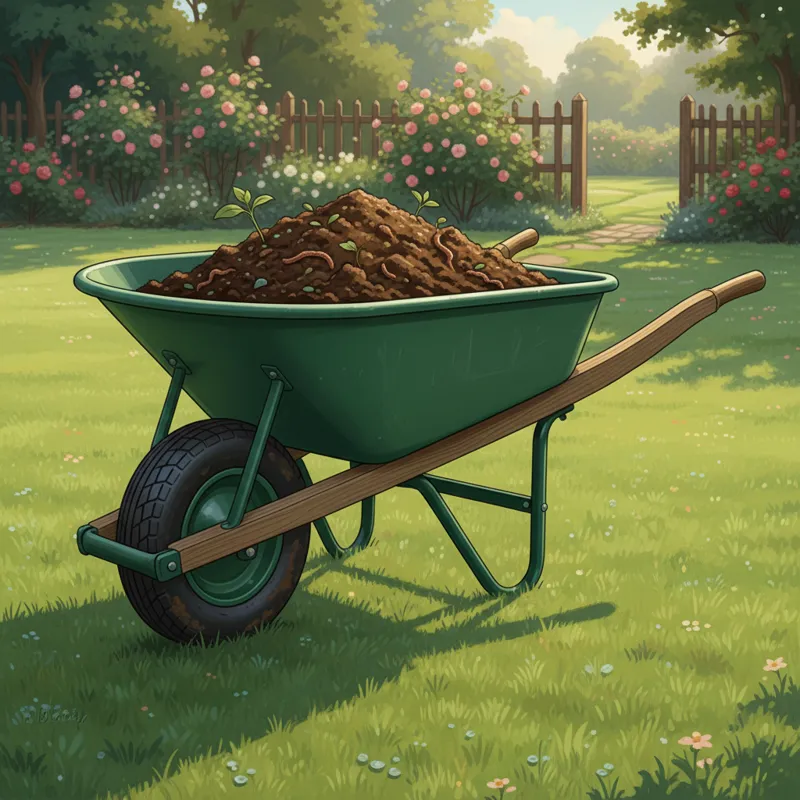
At its core, a wheelbarrow is a marvel of simple physics, leveraging a class 2 lever system to make heavy loads manageable. The fulcrum is the wheel, the load is in the tub, and your effort is applied at the handles. This design allows you to move hundreds of pounds with a fraction of the direct lifting force. But beyond the physics, a well-chosen wheelbarrow significantly impacts your work experience.
Using the right model minimizes physical strain on your back, arms, and legs. It means fewer trips to move material, translating directly into saved time and energy. Investing in a quality wheelbarrow from the outset also proves economical in the long run. Cheap, flimsy models often fail at critical moments, leading to replacements and frustration. A robust wheelbarrow is an investment in your productivity and physical well-being.
Understanding Wheelbarrow Types: Single-Wheel vs. Dual-Wheel vs. Garden Carts
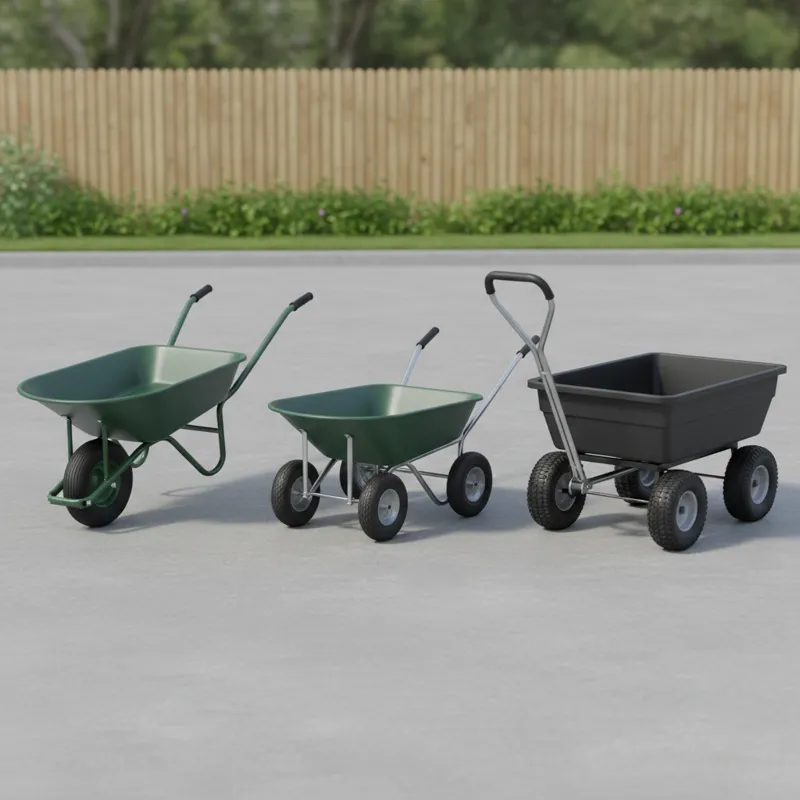
The term ‘wheelbarrow’ often brings to mind a single image, but the category is surprisingly diverse, each type optimized for different scenarios.
The Classic Single-Wheel Wheelbarrow
This is the iconic design most people envision. It features a single wheel at the front and two legs at the back, supporting a V-shaped or U-shaped tub. Its primary advantage is superior maneuverability. With only one pivot point on the ground, you can turn it sharply, navigate narrow paths, and dump its contents with precision into a specific spot, like a raised garden bed or a compost pile. This nimbleness comes at a cost: stability. A single-wheel wheelbarrow requires more upper body strength and balance, especially when loaded with heavy or uneven materials. It’s ideal for smaller gardens, detailed landscaping work, and tasks requiring fine control.
The Stable Dual-Wheel Wheelbarrow
Two wheels at the front fundamentally change the dynamics. This design offers significantly enhanced stability, making it much easier to balance heavy, bulky, or awkward loads. You’ll experience less strain on your arms and back, as the wheelbarrow is less prone to tipping over, particularly on uneven ground. The trade-off is reduced maneuverability. Dual-wheel models have a wider stance and a larger turning radius, making them less suitable for navigating tight corners or very narrow garden paths. They excel in larger yards, when hauling substantial quantities of material like firewood, rocks, or large bags of soil, and whenever stability is paramount over pinpoint precision in dumping.
The Versatile Garden Cart / Dump Cart
While not strictly a wheelbarrow, garden carts or dump carts are often considered within the same category due to their similar function of moving materials. These typically feature four wheels, providing maximum stability and often much higher weight capacities. Many models are designed to be pulled rather than pushed, reducing physical exertion, and some even include a quick-release dumping mechanism. They come in various sizes, often with durable poly tubs, and can handle everything from mulch and gravel to yard debris and tools. While less agile than a single-wheel wheelbarrow for intricate tasks, a robust garden cart is often the best choice for extensive landscaping projects, transporting bulk materials over longer distances, or when you need maximum stability and load capacity. You’ll often find models with an integrated dump feature, sometimes called a dump cart, that makes unloading quick and easy, which is a major benefit for large quantities of material.
Key Features to Consider When Buying a Wheelbarrow in 2026
Beyond the basic type, several specific features dictate a wheelbarrow’s performance, durability, and suitability for your tasks.
Tub Material and Capacity
The material of the tub, or “tray,” is crucial for both weight and durability. Steel tubs are exceptionally robust and can withstand heavy impacts from rocks or bricks. They are often galvanized to resist rust, but untreated steel can corrode over time, especially with wet materials. Polyethylene (plastic) tubs are lighter, rust-proof, and generally quieter during use. However, they can crack in extreme cold or with severe impacts, though modern poly compounds are remarkably resilient. Capacity is measured in cubic feet (cu ft) and dictates how much you can move per trip. Common sizes range from 4 cu ft for light garden work to 8-10 cu ft or more for heavy-duty landscaping. An 8 cu ft capacity can typically handle about 200-300 lbs of dense material comfortably.
Wheel Type and Tires
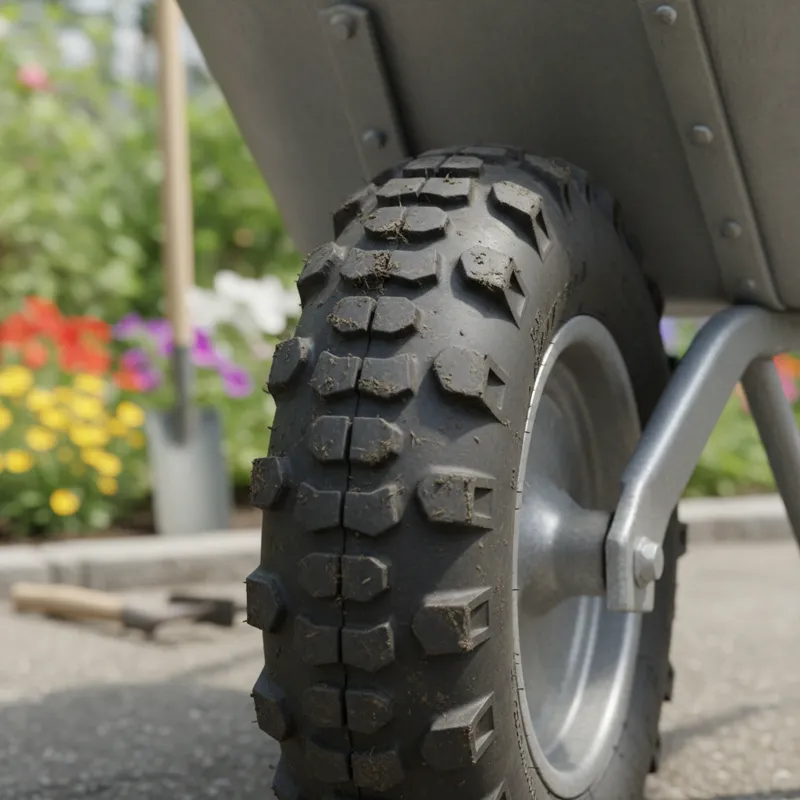
This is arguably the most critical component for ease of use. Pneumatic (air-filled) tires provide excellent cushioning, making it easier to roll over uneven terrain, roots, or small obstacles, absorbing shocks. The downside is they can go flat. Solid or “flat-free” tires eliminate the worry of punctures and never need air. While they offer less cushioning, advancements in tire technology mean many flat-free options now provide a remarkably smooth ride, making them a strong contender for everyday use. Larger diameter wheels generally roll more easily and handle rough terrain better. Additionally, the quality of the wheel’s bearings impacts how smoothly the wheelbarrow rolls under load; better bearings mean less effort.
Frame Construction and Handles
The frame provides the structural integrity. Look for a sturdy steel frame, often tubular, which offers excellent strength-to-weight ratio. The way the tub attaches to the frame is also important for long-term durability. Handles are where you exert control and lift. Traditional wooden handles are strong and provide good grip but can splinter or rot if not maintained. Steel handles are robust and weather-resistant, often with rubber or plastic grips for comfort. Ergonomics play a big role here; consider handle length and spacing that suits your height and provides a comfortable lifting angle.
Dumping Mechanism (for carts) and Ergonomics
For garden carts, a well-designed dumping mechanism is a huge plus. Many feature a simple foot pedal or hand lever that allows the tub to pivot and empty its contents without manual lifting. For traditional wheelbarrows, the balance point and tub shape dictate how easily it can be tipped. Beyond dumping, consider the overall ergonomics: Is the handle height adjustable? Do the grips prevent slippage and blisters? Small details make a big difference over extended use.
What Most People Get Wrong About Wheelbarrows
While seemingly simple, a few common oversights can significantly diminish the utility and lifespan of your wheelbarrow, turning it from a helper into a hindrance.
A frequent mistake is underestimating capacity needs. Many gardeners buy a 4 or 5 cubic foot wheelbarrow for general tasks, only to find themselves making endless trips when moving larger quantities of mulch, compost, or demolition debris. Opting for a slightly larger capacity than you think you need often pays dividends in reduced effort. It’s almost always better to have a bit too much space than not enough.
Ignoring tire maintenance is another pitfall. For pneumatic tires, checking the air pressure regularly is crucial. An underinflated tire creates more drag, makes the wheelbarrow harder to push, and is more prone to punctures. Even flat-free tires benefit from occasional inspection for wear or damage. Just like your vehicle, the tires are where the rubber meets the road—literally—and they need attention.
Prioritizing initial price over long-term durability often leads to false economy. A cheap wheelbarrow might save you $50 upfront, but if its thin-gauge steel tub buckles under a heavy load or its plastic components crack after a season, you’ll end up buying another one. Look for robust materials, strong frames, and quality wheels. A well-built wheelbarrow from a reputable brand can last decades.
Neglecting proper storage shortens its lifespan significantly. Leaving a wheelbarrow exposed to the elements—sun, rain, snow—will accelerate rust on steel components and degrade plastic tubs and wooden handles. Storing it in a shed, garage, or even under a simple tarp will protect it and ensure it’s ready for action when you need it. This simple act of putting your tools away extends their life and keeps them functional.
Finally, not fully considering your typical terrain can lead to frustration. A single-wheel wheelbarrow, while maneuverable, can be a nightmare to balance on soft, muddy ground or a steep, uneven incline, often causing spills. For such conditions, a dual-wheel model or a stable garden cart would be a far better, more efficient choice, preventing unnecessary strain and rework.
Our Top 10 Best Wheelbarrow Picks for 2026
Based on durability, capacity, user feedback, and overall value in 2026, here are our top picks that make gardening and yard work significantly easier:
- The YardMaster Pro 8-Cubic Foot Steel Wheelbarrow
- Key Features: Heavy-gauge galvanized steel tub, 8 cu ft capacity, robust pneumatic tire with sealed bearings, steel tubular frame, ergonomic rubber grips.
- Best For: Serious landscapers, construction, heavy-duty hauling of rocks, concrete, or large quantities of soil.
- Why it made the cut: This is the benchmark for ruggedness. Its galvanized tub resists rust even with constant exposure to wet materials, and the oversized tire makes maneuvering heavy loads surprisingly smooth. It’s built to endure.
- Marathon Dual-Wheel Yard Rover
- Key Features: 5 cu ft poly tub, dual flat-free tires, ergonomic loop handle, lightweight design.
- Best For: Home gardeners, users with back strain concerns, navigating moderate terrain with excellent stability.
- Why it made the cut: The dual-wheel system virtually eliminates tipping, and the flat-free tires mean zero maintenance. The loop handle provides superior control and comfort, making it a favorite for those wanting ease of use over sheer capacity.
- AMES Companies True Temper 6 cu ft Poly Wheelbarrow
- Key Features: Durable poly tub, 6 cu ft capacity, pneumatic tire, sturdy wood handles, steel cross-bracing.
- Best For: General gardening tasks, moving mulch, soil, leaves, and lighter debris. A classic, reliable choice.
- Why it made the cut: This model consistently delivers dependable performance. The poly tub is rust-proof and relatively lightweight, while the traditional design offers good maneuverability for everyday yard work.
- Gorilla Carts GOR866D Heavy-Duty 1200 lb. Capacity Poly Dump Cart
- Key Features: Four 13-inch pneumatic tires, 1200 lb hauling capacity, patented quick-release dumping mechanism, steel frame, cushioned pull handle.
- Best For: Large properties, extensive landscaping, moving bulk materials like gravel, logs, or large quantities of compost over significant distances.
- Why it made the cut: When a traditional wheelbarrow isn’t enough, this dump cart shines. Its stability and massive capacity, combined with the effortless dump feature, make it indispensable for big projects.
- WORX Aerocart Multifunction 8-in-1 Wheelbarrow
- Key Features: Converts into a dolly, bag holder, rock mover, plant mover, cylinder carrier, trailer mover; 300 lb capacity, flat-free tires.
- Best For: Urban gardeners, those with limited storage, individuals needing a versatile tool for various moving tasks beyond typical yard waste.
- Why it made the cut: An engineering marvel. While its core wheelbarrow capacity is smaller, its incredible versatility means it can replace several single-purpose tools, making it perfect for diverse household and garden chores.
- Landscaping Solutions Pro-Grade Steel 10 cu ft Heavy-Duty
- Key Features: Reinforced 10 cu ft seamless steel tub, heavy-duty pneumatic tire with industrial bearings, extra-long steel handles for better leverage.
- Best For: Professional landscapers, large acreage property owners, moving exceptionally bulky materials like large brush piles or multiple bags of fertilizer.
- Why it made the cut: This model is built for volume and abuse. The extra-large tub minimizes trips, and every component is designed for maximum stress, ensuring it holds up in the most demanding environments.
- Jackson M6ST22 6 cu ft Steel Wheelbarrow
- Key Features: Seamless steel tub, 6 cu ft capacity, pneumatic tire, durable wooden handles, front tray braces.
- Best For: Commercial use, construction sites, heavy-duty home projects where raw strength and longevity are paramount.
- Why it made the cut: This is a classic, no-nonsense workhorse. It’s a favorite among contractors for its straightforward, incredibly robust design that stands up to years of hard labor without complaint.
- Northern Tool & Equipment 8 cu ft Poly Dual-Wheel Wheelbarrow
- Key Features: Thick, UV-resistant poly tub, 8 cu ft capacity, dual flat-free tires, strong powder-coated steel frame, ergonomic handle grips.
- Best For: Mid-to-large garden projects, homeowners seeking the benefits of poly (no rust, lighter weight) with enhanced stability for heavier loads.
- Why it made the cut: It strikes an excellent balance. The larger poly tub handles substantial loads, and the dual flat-free tires provide stability and peace of mind. It’s a modern take on a reliable tool.
- TruePower All-Purpose Foldable Wheelbarrow
- Key Features: Collapsible steel frame, heavy-duty fabric bag (up to 150 lbs), compact storage, rubber wheels.
- Best For: Light garden work, apartment dwellers, those with extremely limited storage space, occasional use.
- Why it made the cut: While not for heavy construction, its ability to fold flat makes it incredibly practical for small spaces or infrequent use. It’s surprisingly robust for its size and perfect for leaves, weeds, or small bags of potting mix.
- Rubbermaid Commercial Products FG564200BLA Big Wheel Cart
- Key Features: Large capacity (7.5 cu ft), heavy-duty structural foam construction, oversized molded wheels, ergonomic handle.
- Best For: Hauling very bulky but lighter materials (leaves, mulch), commercial property maintenance, moving items over rough, uneven terrain where rust is a concern.
- Why it made the cut: This durable cart is rust-proof and virtually indestructible. Its large, molded wheels roll effortlessly, making it ideal for moving large volumes of material with minimal effort, especially where a traditional wheelbarrow might struggle with bulk or terrain.
Maximizing Your Wheelbarrow’s Lifespan and Efficiency
Even the best wheelbarrow will only serve you well if properly maintained and used. Just like a quality set of kitchen knives requires care to maintain its edge, your wheelbarrow benefits from attention.
Regular Cleaning: After each use, especially when moving wet soil, concrete, or chemicals, rinse the tub thoroughly. This prevents material buildup and, for steel tubs, significantly slows down corrosion. A quick spray with the hose can save hours of scraping later.
Tire Care: For pneumatic tires, check the pressure before each significant task. Proper inflation ensures easier rolling and reduces wear. Keep an eye on the tread and sidewalls for signs of cracking or excessive wear. Solid tires still benefit from occasional inspection for debris or damage.
Proper Storage: Whenever possible, store your wheelbarrow under cover—a shed, garage, or even a tarp. This protects it from UV degradation (for poly tubs and tires) and rust (for steel components), vastly extending its working life. Consider hanging lighter models on a wall to save floor space, much like you might organize other valuable garden equipment. You might even want to consider an intelligent atmosphere RGB light Bluetooth speaker for your shed to make tool organization more enjoyable, although it’s not directly related to wheelbarrow maintenance.
Load Management: Avoid overloading your wheelbarrow. While it can handle substantial weight, pushing its limits consistently will stress the frame, tub, and axle, leading to premature failure. Distribute the load evenly to maintain balance and reduce strain on the frame and yourself. Think about balance, not just total weight.
Lubrication: Periodically lubricate the axle and any moving parts. A small amount of grease or appropriate lubricant applied to the wheel bearings will ensure smooth operation and prevent rust, making it much easier to push even when fully loaded.
People Also Ask (FAQ)
Q: How much weight can a typical wheelbarrow hold?
A: The weight capacity varies significantly. Lighter-duty poly wheelbarrows might handle 200-300 pounds. Heavy-duty steel models or robust garden dump carts, however, can often manage 600 to over 1000 pounds. Always check the manufacturer’s specifications for the exact capacity of your chosen model. Overloading is a common cause of damage.
Q: Are flat-free tires worth it for a wheelbarrow?
A: For many users, yes, absolutely. The convenience of never worrying about a flat tire—especially during a project—is a significant advantage. While they might offer slightly less cushioning than pneumatic tires, the reliability and zero maintenance often outweigh this for general gardening and landscaping tasks. Consider them a worthwhile upgrade if tire punctures are a recurring frustration.
Q: What’s the best wheelbarrow for hilly terrain?
A: For hilly terrain, stability is paramount. A dual-wheel wheelbarrow is generally preferred as it significantly reduces the risk of tipping compared to a single-wheel model. If you’re moving extremely heavy loads up steep inclines, a motorized yard cart or a high-capacity dump cart that can be pulled might be a safer and less strenuous option, though these represent a larger investment.
Q: How do I prevent my steel wheelbarrow from rusting?
A: To prevent rust, choose models with galvanized steel tubs or a high-quality powder-coat finish. After each use, especially with wet or acidic materials like compost, thoroughly clean and dry the tub. Storing your wheelbarrow in a dry, covered area (like a shed or garage) is also critical. If rust spots appear, address them promptly by sanding and applying rust-inhibiting primer and paint. Just like keeping your deep fryer clean to prevent grease build-up, proactive maintenance for your wheelbarrow will extend its life.
Q: Can I use a garden cart instead of a wheelbarrow?
A: Often, yes. For large, open areas and when hauling heavy or bulky materials over long distances, a good garden dump cart can be more stable and easier to pull than pushing a traditional wheelbarrow. However, wheelbarrows excel in tighter spaces, navigating obstacles, or when precise dumping into a specific area is required. Your choice depends entirely on your primary tasks and the layout of your outdoor space.
Choosing the right wheelbarrow in 2026 comes down to a clear understanding of your specific needs. Assess the types of materials you’ll be moving, the terrain you’ll cover, and how much capacity and durability you require. By considering these factors, you can select a workhorse that not only eases your gardening and landscaping efforts but also proves to be a reliable partner for years to come. Happy gardening!