
Achieving a truly stunning hair color isn’t just about picking a shade; it’s about understanding the nuances of that shade, how it interacts with your natural hair, and the care required to maintain its vibrancy. Among the myriad of choices, ‘1B hair color’ stands out as a sophisticated, versatile option often misunderstood. It’s more than just black; it’s an ‘off-black’ or ‘natural black’ with a depth and subtle dimension that pure black (shade 1) often lacks. This particular shade, a very dark brown that appears black in most lighting, offers a softer, more natural alternative to jet black, making it a popular choice for those seeking profound depth without harshness. In 2026, as beauty trends lean towards natural-looking enhancements, mastering 1B hair color is key to a polished, contemporary look.
What Exactly is 1B Hair Color?
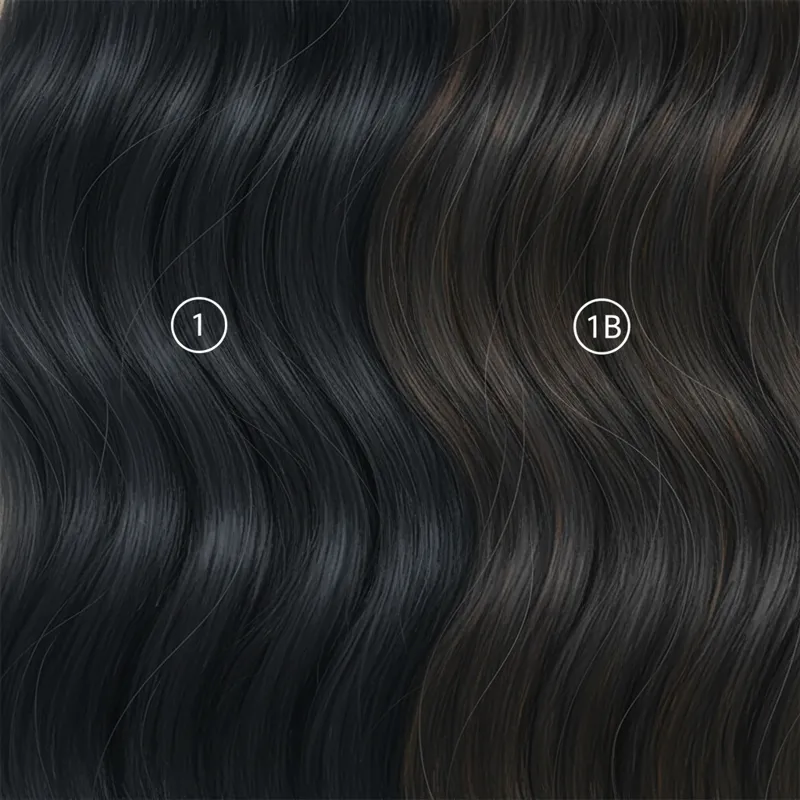
In the standardized hair color numbering system, ‘1’ represents jet black – a pure, unadulterated black. ‘1B’ follows closely, signifying an ‘off-black’ or ‘natural black.’ Mechanistically, this means that while shade 1 is almost entirely devoid of lighter pigments, shade 1B contains a minute amount of very dark brown or sometimes a very subtle cool tone pigment, preventing it from absorbing all light and appearing stark. This slight variation creates a softer, more organic appearance that often mirrors naturally occurring dark hair.
The Underlying Science of Hair Color
Hair color, whether natural or dyed, is determined by melanin, a complex pigment found in the hair follicle. Eumelanin provides black and brown pigment, while pheomelanin provides red and yellow. The concentration and ratio of these two melanins dictate your natural hair shade. When we talk about 1B hair color, we’re discussing a high concentration of eumelanin with just enough underlying tone to prevent it from being a flat, one-dimensional black. This subtle distinction contributes to its allure, providing depth that catches light differently, avoiding the ‘wiggy’ or artificial look some pure blacks can convey.
For more detailed information on hair color and its biological basis, Wikipedia provides an excellent overview of the science behind hair color, including the role of melanin.
The Nuance Between 1 and 1B
Many people assume 1 and 1B are interchangeable, or that 1B is simply a slightly faded 1. This isn’t accurate. The difference lies in their formulation and the visual outcome. A true shade 1 is an intensely saturated black, often achieved with strong blue or violet undertones to neutralize any warmth, resulting in a depth that can appear almost inky. Shade 1B, conversely, is formulated to have a very deep brown or often a neutral-cool black base, giving it a slightly softer edge. Think of it as the deepest shade of brown that the human eye perceives as black in typical lighting conditions, only revealing its brown undertones under direct, bright light.
Why Choose 1B Hair Color?
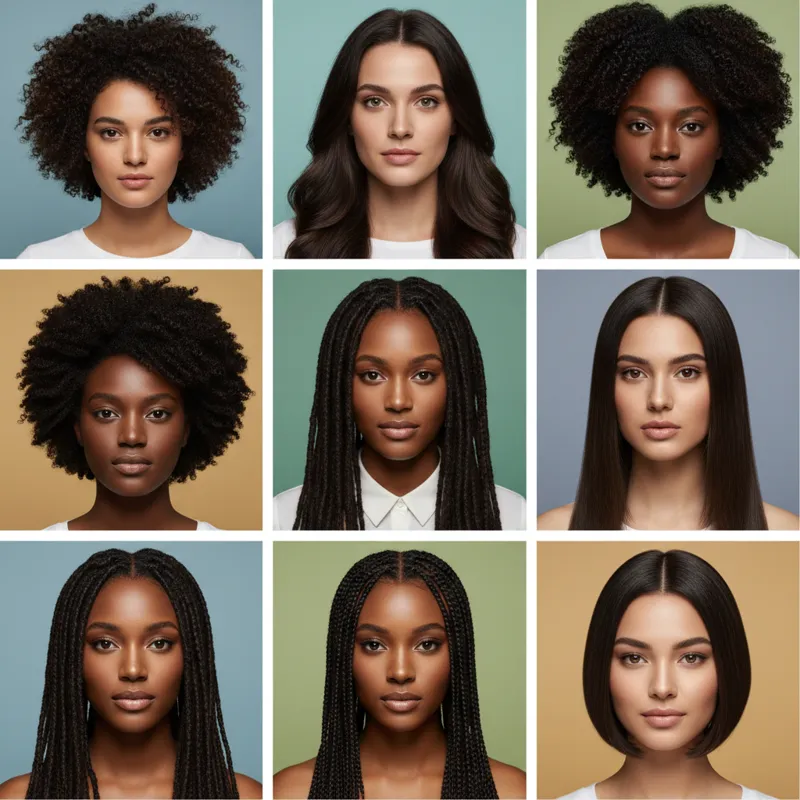
The appeal of 1B hair color extends beyond its visual depth. It’s a remarkably versatile shade that complements a wide range of skin tones and undertones. Pure black can sometimes drain warmer complexions or appear too harsh against very fair skin. 1B, with its inherent softness, typically avoids this issue, offering a universally flattering effect that enhances features without overpowering them.
Its natural appearance is another significant draw. Many individuals with naturally dark hair find that a 1B dye job simply enhances their existing shade, adding shine and uniformity without dramatically altering their look. For those transitioning from lighter shades, 1B offers a dramatic but believable shift, allowing for a striking change that still looks inherently natural. It also provides an excellent base for future color experimentation, as it covers well and provides a clean canvas.
Preparing Your Hair for a 1B Transformation
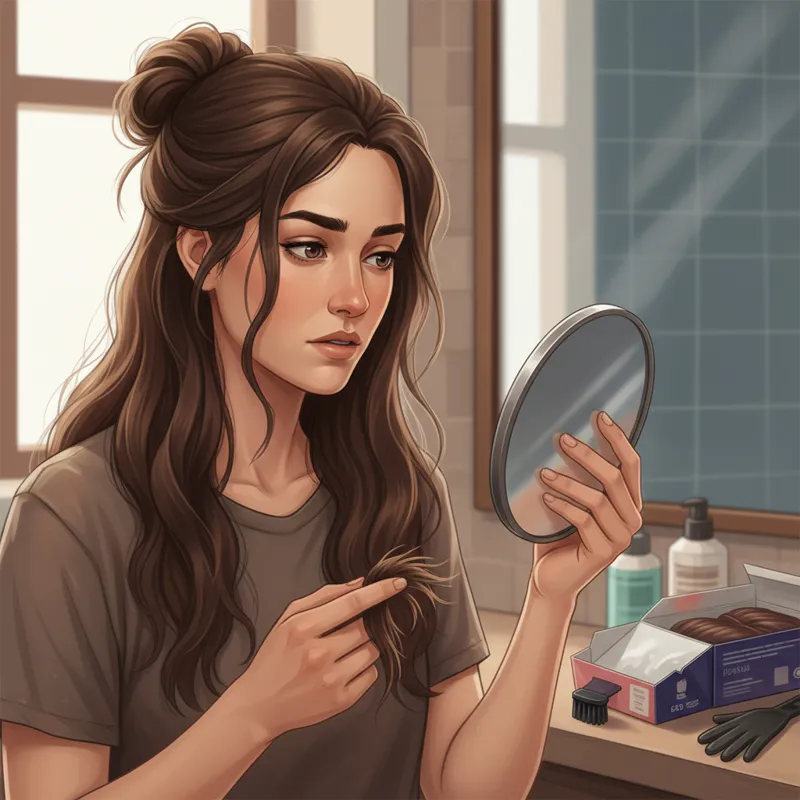
Achieving the best results with any hair dye, especially a rich, dark shade like 1B, hinges on proper preparation. This isn’t just about mixing chemicals; it’s about creating an optimal canvas for the color to adhere evenly and last longer. Skipping these steps can lead to patchy results, uneven fading, or unnecessary damage.
Assessing Your Current Hair State
Before you even consider opening a dye box, take an honest look at your hair. Is it dry, brittle, or prone to breakage? Heavily processed or damaged hair absorbs dye differently, often resulting in darker, more opaque results on compromised sections and quicker fading. If your hair is in poor condition, prioritize deep conditioning treatments for a few weeks before coloring. Healthy hair holds pigment better and reflects light more effectively, enhancing the natural sheen of 1B.
Consider your current hair color. If you’re going from a very light blonde or chemically straightened hair to 1B, you might need a filler color (a red or orange pigment) first to prevent the 1B from appearing green or ash. Dark dyes on porous, lightened hair can sometimes grab onto blue pigments too intensely, creating an undesirable green cast. This is a common oversight that professionals avoid by re-pigmenting the hair.
Patch Testing and Strand Testing
This step is non-negotiable. Always perform a patch test 48 hours before full application to check for allergic reactions. Apply a small amount of the mixed dye to a discrete area of skin, like behind your ear or on your inner elbow. If you experience redness, itching, or swelling, do not proceed with coloring. Allergic reactions to hair dyes, while rare, can be severe.
A strand test is equally crucial for predicting the final color result. Take a small, inconspicuous strand of hair (from the nape of your neck, for instance), apply the mixed dye, and leave it on for the recommended processing time. This allows you to assess how the 1B shade will look on your specific hair type and current color, letting you adjust processing time or expectations before committing to your entire head.
5 Best Picks for Achieving Stunning 1B Hair Color
The market is saturated with hair dyes, but for a rich, enduring 1B hair color, selecting the right product is paramount. We’ll look at options suitable for professional application and high-quality at-home kits, focusing on those known for depth, longevity, and conditioning properties.
1. Professional Salon Dyes: Precision and Longevity
For the most consistent and long-lasting 1B results, a professional salon dye applied by a skilled colorist is often the best choice. These formulations are highly concentrated, offer superior grey coverage, and can be customized with various developers and additives to suit your hair’s specific needs.
- Redken Shades EQ Gloss in 1N (Black) or 1NA (Black Ash): While not strictly a 1B, Redken’s Shades EQ is a demi-permanent, acidic gloss that deposits rich color and incredible shine without lifting the natural hair color. For a 1B effect, a skilled colorist might use 1N or 1NA, diluted or mixed with a clear gloss, to achieve that soft, natural black. It’s excellent for toning, refreshing, or adding depth and shine.
- Wella Koleston Perfect ME+ in 2/0 (Black) or 3/0 (Dark Brown): Wella’s permanent color lines are renowned for their depth and coverage. A professional might blend their 2/0 (which is a very deep, soft black) or their 3/0 (darkest brown) to custom-create a perfect 1B shade that offers full grey coverage and long-lasting results. Their ME+ technology also reduces the risk of developing new allergies to hair color.
- Schwarzkopf Igora Royal in 1-0 (Black) or 3-0 (Dark Brown): Igora Royal is another professional staple known for its true-to-swatch results and excellent coverage. Similar to Wella, a blend of their 1-0 or 3-0 can be formulated by a professional to achieve a custom 1B, providing intense shine and robust color retention.
2. Premium At-Home Kits: Quality and Convenience
For those preferring a DIY approach, several at-home kits deliver exceptional 1B results, often formulated with conditioning agents to minimize damage.
- L’Oréal Paris Excellence Crème in Natural Black (Shade 1): While labeled ‘Natural Black,’ L’Oréal’s shade 1 is frequently perceived as a 1B due to its formulation, which avoids the starkness of some pure blacks. It’s renowned for its triple protection system, which pre-treats, colors, and conditions, helping to achieve rich color and cover grays effectively. The included conditioning treatment is a standout.
- Garnier Nutrisse Ultra Crème in 10 (Black): Garnier Nutrisse is celebrated for its fruit oil concentrates, which nourish hair during coloring. Their Black (shade 10, often presented as 1) is a deep, natural-looking black that provides substantial shine and lasting color. It’s formulated to be less harsh, making it a good option for maintaining hair health.
- Clairol Nice ‘n Easy in 102 Natural Black: Clairol’s signature line offers a ‘Natural Black’ that aims for a soft, dimensional result, akin to a 1B. It’s known for its color-blend technology that incorporates multiple tones, preventing a flat, uniform look. The included CC+ ColorSeal Conditioner helps to lock in color and shine.
3. Semi-Permanent Options for a Temporary Shift
If you’re looking to try out 1B hair color without long-term commitment, or to refresh faded permanent color, semi-permanent dyes are an excellent choice. They don’t use developer, so they coat the hair shaft rather than penetrating it, meaning they fade gradually without harsh roots.
- Manic Panic Raven: Though often associated with vivid, unnatural colors, Manic Panic’s Raven is a deeply pigmented semi-permanent black. On pre-lightened hair, it can appear quite dark, but on natural dark hair, it adds a stunning, soft black sheen that behaves like a 1B, fading gently over several washes.
- Arctic Fox Transylvania: Similar to Manic Panic, Arctic Fox offers Transylvania, a deep black that is vegan and conditioning. It can be used to add a rich, dark tone to existing hair or to achieve a temporary 1B on lighter bases. These options are great for experimenting or adding a temporary boost of depth.
The Application Process: Getting it Right
Whether you’re using an at-home kit or instructing your colorist, understanding the application process is crucial. Even the best dye can yield poor results if applied incorrectly. Consistency and saturation are key to even, vibrant 1B hair color.
Step-by-Step for At-Home Dyeing
- Preparation: Read the instructions thoroughly. Lay out all tools: gloves, dye, developer, applicator bottle/bowl, brush, old towels, petroleum jelly (to protect skin), and a timer. Ensure your hair is dry and unwashed for 24-48 hours prior, as natural oils offer some protection.
- Protect Skin: Apply petroleum jelly along your hairline, ears, and neck to prevent skin staining.
- Mix Dye: Following package instructions, mix the dye and developer. Some kits require mixing in an applicator bottle, others in a bowl.
- Section Hair: Divide your hair into four main sections (front to back, ear to ear) and secure them with clips. This ensures systematic application.
- Apply Dye: Start applying the dye to the root area, working in small sections. Roots generally need more processing time due to new growth. Ensure thorough saturation. Once roots are covered, work the dye through the mid-lengths and ends. If you’re just touching up roots, apply only to the new growth and emulsify through the ends for the last 5-10 minutes of processing.
- Process: Leave the dye on for the time specified in the instructions, as determined by your strand test. Do not over-process.
- Rinse and Condition: Once processing is complete, rinse your hair with cool to lukewarm water until the water runs clear. Follow with the conditioner provided in the kit or a color-safe deep conditioner.
When to Seek Professional Assistance
While at-home kits have improved significantly, there are times when professional intervention is essential. If you’re making a drastic change (e.g., blonde to 1B), have heavily damaged hair, or have complex color history (e.g., multiple layers of different dyes), a professional colorist can navigate these challenges safely. They can formulate custom shades, correct underlying tones, and ensure even, healthy results that are difficult to achieve at home. They also have access to higher-quality products and techniques, like bond builders, to protect hair integrity during the process.
When considering your entire self-care routine, from hair to wardrobe, a balanced approach matters. Just as you might invest in quality tools for hair styling, like various curling sticks for different looks, professional expertise in coloring is an investment in your hair’s health and appearance.
Maintaining Your 1B Hair Color: Longevity and Luster
Achieving a beautiful 1B hair color is only half the battle; maintaining its depth and shine requires consistent care. Dark colors, especially those with subtle undertones, can fade or become dull without proper attention.
Sulfate-Free Shampoos and Conditioners
Sulfates, common cleansing agents in many shampoos, can strip hair of its natural oils and accelerate color fading. Opt for sulfate-free shampoos and conditioners specifically designed for color-treated hair. These formulations are gentler, helping to preserve the dye molecules within the hair shaft and maintain vibrancy longer.
UV Protection
Sun exposure can significantly fade dark hair colors, making them appear dull or even reddish over time. When spending extended periods outdoors, protect your 1B hair with UV-protective sprays or by wearing hats. This is particularly relevant in 2026, with increased awareness of environmental impacts on beauty and health. Even simple precautions can make a big difference in maintaining your color’s integrity.
Thinking about outdoor activities often brings to mind other forms of protection, like how durable womens waterproof hiking trousers are essential for staying comfortable and safe on trails. Similarly, protecting your hair from the elements is a crucial part of its longevity.
Limiting Heat Styling
Excessive heat from styling tools like flat irons, curling wands, and even blow dryers can degrade hair dye pigments and lead to faster fading and damage. When heat styling is necessary, always use a heat protectant spray. Opt for lower heat settings and try to air dry your hair whenever possible to minimize thermal stress.
Regular Touch-Ups and Gloss Treatments
Roots will inevitably show, and even the most resilient 1B hair color will start to fade. Plan for regular root touch-ups every 4-6 weeks, depending on your hair growth. In between full color applications, a demi-permanent gloss or color-depositing conditioner in a cool, dark brown shade can help refresh the mid-lengths and ends, adding shine and preventing dullness without over-processing.
What Most People Get Wrong About 1B Hair Color
The most common misconception about 1B hair color is equating it entirely with “black.” While it appears black to the casual observer, understanding its subtle distinction from pure black (shade 1) is critical. Many people think any dark dye will give them that rich, natural black, but often they end up with either a flat, artificial jet black or a brown that’s too warm or light.
The error often stems from not considering the underlying pigments in their natural hair, which interact with the dye. For instance, putting a neutral 1B over hair with strong red undertones might result in a warmer, browner black than desired. Conversely, applying it over very light, porous hair without a filler can lead to an unexpected greenish cast. Professional understanding involves neutralizing these underlying tones to achieve a truly balanced 1B. It’s about depth and dimension, not just darkness.
Another mistake is neglecting pre-conditioning and post-coloring care. Dark colors, especially, highlight damage and dullness. People expect rich, shiny 1B results from a single dye job, without realizing that healthy hair, proper application, and diligent aftercare are what truly unlock that stunning, dimensional effect. Without a focus on hair health, even the perfect 1B shade can quickly lose its luster and appear lifeless.
People Also Ask
Is 1B hair truly black?
While 1B hair appears black in most lighting conditions, it is technically an ‘off-black’ or ‘natural black.’ It contains very subtle dark brown or cool undertones that prevent it from being a stark, pure black (shade 1). This slight nuance gives it a softer, more dimensional appearance.
Can I go from blonde to 1B at home?
Transitioning from blonde to 1B is a complex process that is best handled by a professional. Blonde hair, being highly porous and lacking dark pigments, often requires a “filler” color (usually a red or orange tone) before applying 1B. This prevents the dark dye from appearing green or overly ash. Attempting this at home without proper knowledge can lead to uneven, muddy, or undesirable results.
How long does 1B hair dye last?
The longevity of 1B hair dye depends on whether it’s permanent, demi-permanent, or semi-permanent. Permanent dyes can last until your hair grows out or fades due to washing and environmental factors, typically requiring root touch-ups every 4-6 weeks. Demi-permanent dyes last about 20-28 washes, while semi-permanent dyes might only last 6-12 washes. Proper aftercare with color-safe products extends the life of any dye.
What’s the difference between 1 and 1B hair color?
Shade 1 is pure, jet black, formulated to be the darkest possible shade with intense saturation. Shade 1B is ‘natural black’ or ‘off-black,’ a very deep brown that appears black but has subtle underlying tones (often cool brown) that give it more dimension and a softer finish, preventing it from looking artificial or harsh.
Will 1B hair color look good on me?
1B hair color is remarkably versatile and tends to flatter a wide range of skin tones and undertones. Its natural softness makes it less harsh than pure black, often enhancing facial features without overpowering them. It’s a generally safe and beautiful choice for many individuals, but a strand test can confirm how it will specifically interact with your hair’s current color and texture.
Final Thoughts on Achieving Your Ideal 1B Shade
Choosing 1B hair color is an excellent decision for anyone seeking profound depth, natural sophistication, and versatile appeal. It’s a shade that exudes elegance without being overly dramatic, offering a rich canvas that reflects light beautifully. The key to truly stunning results lies not just in the initial application but in a comprehensive understanding of what 1B represents – a nuanced off-black – and a commitment to meticulous preparation and ongoing maintenance.
Whether you opt for the precision of a professional colorist or the convenience of a high-quality at-home kit, prioritizing hair health throughout the process is paramount. Healthy hair holds color better, shines brighter, and contributes to the overall lustrous effect that makes 1B hair color so captivating. By demystifying this often-misunderstood shade and applying these practical, expert-informed strategies, you’re well-equipped to achieve and maintain your perfect 1B hair, ensuring it looks vibrant and stunning long into 2026 and beyond.
Disclaimer: The beauty and haircare information on bangladeshcountry.com is for general informational purposes only. Haircare products, oils, and masks may cause allergic reactions or vary in results depending on individual hair and skin types. Always check product ingredients and perform a patch test before using any new cosmetic product. Reliance on this information is at your own risk.


