

As we approach the warmer months of 2025, the promise of long, sunny days often comes with the challenge of comfortable sleep. For many, the very thought of a duvet in summer feels counterintuitive, conjuring images of overheating and restless nights. Yet, a properly chosen duvet can be your secret weapon against the summer swelter, offering a sense of coziness without trapping heat. The key lies in understanding that not all duvets are created equal; a new generation of lightweight, breathable, and moisture-wicking options has emerged, specifically engineered to keep you cool and dry. This guide cuts through the marketing jargon, providing a professional assessment of what truly makes a summer duvet effective, and highlights the best summer duvets we anticipate will dominate in 2025, ensuring your sleep remains uninterrupted by rising temperatures.
The Fundamental Shift: Why Summer Duvets Are Essential for 2025

For decades, the standard approach to summer bedding involved swapping out a heavy duvet for a thin sheet or a basic cotton blanket. While functional, this often sacrifices the comforting weight and embrace that many sleepers require for a truly restful night. The conversation has evolved beyond mere weight reduction. Modern summer duvets are designed with advanced textiles and construction methods that actively manage temperature and moisture, addressing the core issues of summer sleep: heat retention and humidity.
Understanding TOG Ratings: Your Guide to Summer Warmth
One of the most critical, yet often overlooked, specifications for any duvet is its TOG rating. TOG stands for Thermal Overall Grade, a measure of a textile product’s thermal insulation. Essentially, it tells you how warm a duvet will keep you. A higher TOG rating indicates greater insulation, suitable for colder weather, while a lower TOG rating means less insulation, perfect for warmer climates. For summer, you’re looking for a significantly lower TOG. While typical winter duvets can range from 10.5 to 15 TOG, the ideal range for a summer duvet is generally between 1.0 and 4.5 TOG. A duvet rated at 1.0 to 2.5 TOG is considered ultra-light and perfect for very hot nights or extremely warm sleepers. A 3.0 to 4.5 TOG duvet offers a bit more substance while still being perfectly suitable for average summer evenings or air-conditioned bedrooms. It’s a practical metric that helps differentiate genuinely cool options from merely “thin” ones. For a more detailed understanding of textile testing and standards like TOG, refer to authoritative sources such as Wikipedia’s entry on the TOG unit.
Beyond Thinness: The Science of Cooling Materials
Simply reducing the amount of fill isn’t enough to make a duvet truly cooling. The material composition, both of the casing and the fill, plays a much larger role. Effective summer duvet materials excel in two primary areas:
- Breathability: This refers to the fabric’s ability to allow air to circulate freely. Good breathability prevents heat from getting trapped underneath, allowing it to dissipate away from your body. Fabrics with an open weave or natural fibers like cotton and linen are inherently more breathable.
- Moisture-Wicking: In humid environments or for hot sleepers, perspiration is a major contributor to discomfort. Moisture-wicking fabrics are designed to draw sweat away from your skin and transfer it to the outer surface of the fabric, where it can evaporate more easily. This evaporative cooling effect is critical for maintaining a dry, comfortable microclimate around your body. When evaluating the best summer duvets for 2025, these two properties are paramount. Ignoring them means you’re likely to end up with a duvet that’s just lightweight, but not truly cooling.
Key Factors to Consider When Choosing Your Summer Duvet
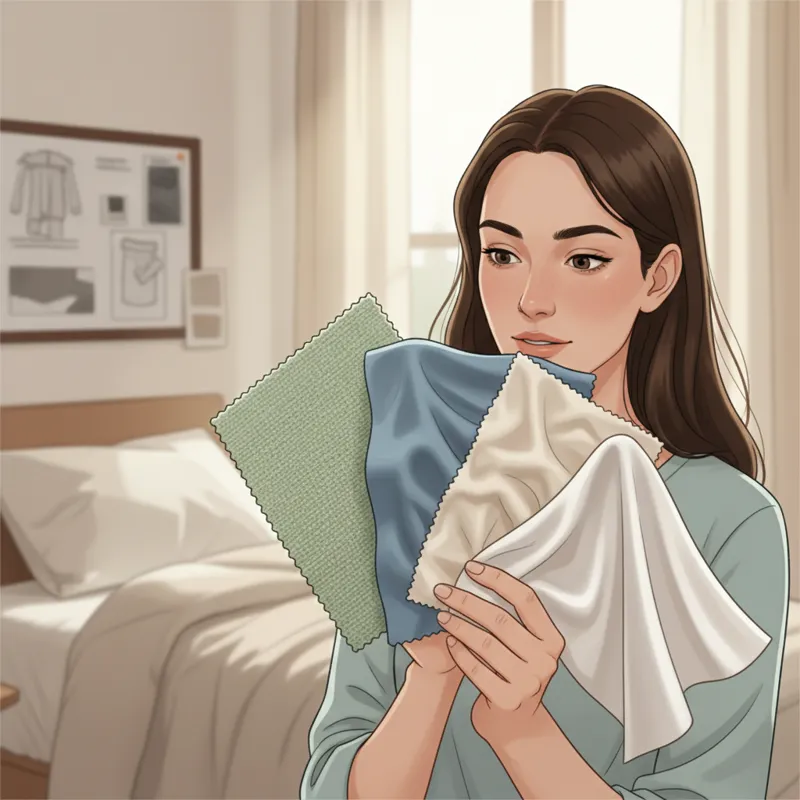
Selecting the right summer duvet involves more than just picking a pretty color. Here’s a breakdown of the crucial elements:
Material Matters: The Foundation of Cool Sleep
The core of a cooling duvet lies in its materials. Understanding how different fabrics perform under summer conditions is essential.
- Bamboo (Viscose/Lyocell): Often lauded for its cooling properties, bamboo fabric (typically processed into viscose or lyocell) is exceptionally breathable and has natural thermoregulating abilities. It feels incredibly soft and smooth, often described as silk-like, and excels at wicking moisture away from the body. Bamboo lyocell, in particular, is produced in a closed-loop system, making it a more environmentally conscious choice.
- Tencel (Lyocell): A brand name for a type of lyocell fiber, Tencel is derived from sustainably sourced wood pulp, usually eucalyptus. Like bamboo, it’s remarkably soft, smooth, and highly efficient at moisture management, often surpassing cotton in this regard. Tencel fabrics create a less hospitable environment for bacterial growth, which can be an added benefit for hygiene.
- Cotton (Percale vs. Sateen): Cotton remains a popular choice due to its natural breathability and widespread availability. However, the weave makes a significant difference.
- Percale cotton: Known for its crisp, matte finish and a cool, airy feel. It has a plain, tight weave that allows for excellent airflow, making it an outstanding choice for hot sleepers. Think of a classic hotel sheet feel.
- Sateen cotton: While soft and luxurious with a slight sheen, sateen has a tighter weave than percale, which can make it less breathable and potentially warmer for some individuals, despite its initial soft touch.
- Silk: A natural fiber renowned for its luxurious feel and excellent temperature regulation. Silk is naturally breathable, hypoallergenic, and can wick moisture effectively. Its smooth texture also minimizes friction, which can be a plus for skin and hair. However, it’s typically a more premium option and requires delicate care.
- Down Alternative (Advanced Synthetics): Modern down alternatives have come a long way. They are often engineered with specific fibers designed to mimic the loft of down while offering enhanced breathability and moisture-wicking capabilities. These can be a great option for allergy sufferers or those seeking a more budget-friendly cooling solution. Look for terms like “microfiber,” “gel fiber,” or “air-filled” synthetics that are specifically marketed for cooling.
Fill Power and Weight: Striking the Right Balance
For summer, a lower fill power (for down/down alternative) or simply a lighter gram weight per square meter (GSM) for other materials is crucial. You want just enough fill to provide that comforting presence without adding unnecessary insulation. A summer duvet should feel almost weightless, draping lightly over you rather than pressing down. This contributes to better air circulation around your body.
Construction: Keeping Things Even
The internal construction of a duvet dictates how its fill is distributed.
- Baffle-box construction: This involves internal fabric walls (baffles) that create individual pockets for the fill. This prevents the fill from shifting, ensuring even distribution and consistent insulation (or lack thereof, in a summer duvet). It also allows the fill to reach its maximum loft, though for summer, the loft is intentionally minimal.
- Box-stitch construction: Here, the top and bottom layers of the duvet are sewn together in a grid pattern. This creates smaller, self-contained compartments that also help keep the fill in place. For lightweight summer duvets, both constructions work well, with baffle-box sometimes offering a slightly more even drape due to less compression of the fill.
Care Instructions: Practicality for Summer Living
Summer often means more frequent washing due to sweat and increased outdoor activity. Opt for a duvet that is easy to care for. Many modern summer duvets are machine washable, which is a significant convenience. Always check the label for specific washing and drying instructions to maintain the duvet’s integrity and cooling properties.
Top 5 Cooling Picks for Best Summer Duvets 2025
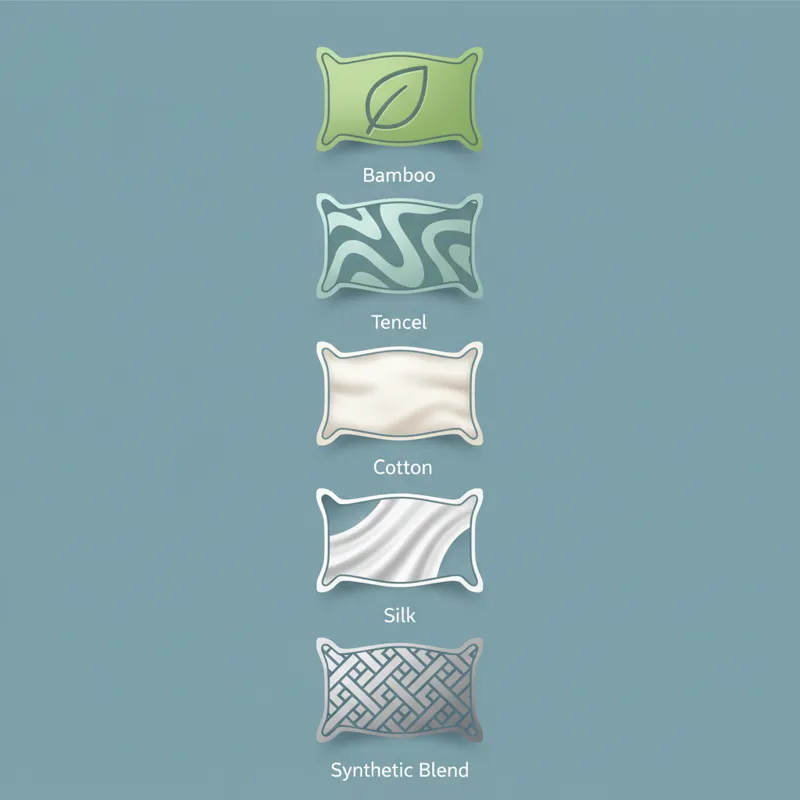
Based on the criteria of material science, construction, and cooling performance, here are our top five anticipated picks for the best summer duvets in 2025. These options represent a range of materials and price points, each designed to tackle the heat effectively.
1. The Bamboo Lyocell Cloud Duvet
- Material: 100% Bamboo Lyocell shell and fill.
- TOG Rating: Approximately 2.5-3.0 TOG.
- Why it’s a top pick: This duvet leverages the exceptional properties of bamboo lyocell throughout – both the cover and the fill. The result is a duvet that feels incredibly soft, almost like liquid silk, while offering superior moisture-wicking and breathability. Bamboo lyocell fibers are naturally porous, allowing for excellent airflow and temperature regulation, making it ideal for hot sleepers and humid environments. It drapes beautifully, providing comfort without oppressive weight.
- Ideal for: Hot sleepers, those living in humid climates, and individuals seeking a luxuriously soft and sustainable option.
2. The Tencel Performance Cooling Duvet
- Material: 100% Tencel Lyocell shell, often with a blend of Tencel and specialized synthetic fibers for fill.
- TOG Rating: Around 2.0-3.5 TOG.
- Why it’s a top pick: Similar to bamboo, Tencel excels in moisture management. This duvet is designed to actively pull moisture away from your skin, ensuring you stay dry and comfortable even on the warmest nights. The fabric has a smooth, cool-to-the-touch feel that remains consistent throughout the night. Its breathability is outstanding, preventing heat build-up. Often, the fill will be a mix of Tencel and an engineered microfiber, boosting its resilience and quick-drying properties.
- Ideal for: Sleepers who tend to sweat at night, those prioritizing sustainability, and anyone looking for a consistently cool and dry sleep experience.
3. The Percale Cotton Crisp Duvet
- Material: 100% Long-staple Percale Cotton shell, with a light cotton or down-alternative fill.
- TOG Rating: 1.0-2.5 TOG.
- Why it’s a top pick: Sometimes, the classics are best. A high-quality percale cotton duvet offers that unmistakable crisp, cool feel that many associate with premium hotel bedding. The plain weave of percale allows for maximum airflow, making it incredibly breathable. While not as aggressively moisture-wicking as bamboo or Tencel, its excellent breathability and ability to feel cool against the skin make it a phenomenal choice for summer, especially in drier heat. The fill is typically a very light cotton batting or a minimal synthetic, designed for minimal insulation.
- Ideal for: Those who love the traditional crisp feel of cotton, prefer natural fibers, and need maximum breathability in warmer, less humid conditions.
4. The Lightweight Silk-Filled Comfort Duvet
- Material: Silk charmeuse or percale cotton shell, 100% long-strand mulberry silk fill.
- TOG Rating: 3.5-4.5 TOG (can feel cooler due to silk’s thermoregulation).
- Why it’s a top pick: Silk is a marvel of nature when it comes to bedding. A duvet with a pure silk fill offers exceptional temperature regulation, keeping you cool when it’s warm and surprisingly comfortable if the temperature dips slightly. It’s naturally hypoallergenic and resistant to dust mites, making it a great choice for allergy sufferers. The fill is typically “tussah” or “mulberry” silk floss, which is spread in layers and then tacked to the casing to prevent shifting. This creates a beautifully even, lightweight drape that molds to your body.
- Ideal for: Luxury seekers, allergy sufferers, and those who appreciate a truly adaptive bedding material that responds to minor temperature fluctuations.
5. The Advanced Cooling Down Alternative Duvet
- Material: Breathable microfiber or Tencel shell, filled with gel-infused or hollow-fiber polyester.
- TOG Rating: 2.0-3.0 TOG.
- Why it’s a top pick: For those who prefer synthetic fills due to allergies or budget, this category has seen significant innovation. These duvets feature engineered fibers designed to mimic the loft and softness of down while specifically addressing cooling. Gel-infused fibers help dissipate heat, while hollow fibers allow for greater air circulation within the fill. The shells are often made from high-performance microfibers or even Tencel blends to enhance breathability and moisture-wicking.
- Ideal for: Allergy sufferers, budget-conscious buyers, and anyone seeking a highly functional synthetic option with easy care.
What Most People Get Wrong About Summer Duvets
Even with all the options available, it’s easy to make missteps when buying a summer duvet. Here are a few common misconceptions:
- “Thin equals cool.” This is perhaps the biggest pitfall. A duvet can be very thin but made from a non-breathable material like tightly woven polyester or a heavy sateen cotton, leading to heat entrapment. True cooling comes from the material’s inherent properties and weave, not just its thickness.
- Ignoring the shell material. Many focus solely on the fill, but the duvet cover or shell material is what directly touches you and dictates much of the breathability and moisture-wicking performance. A fantastic cooling fill can be negated by a poor shell.
- Assuming all natural fibers are cool. While many natural fibers are excellent, not all are created equal for summer. Wool, for example, is a fantastic thermoregulator but might feel too heavy or insulating for many during peak summer, despite its breathability. Similarly, flannel cotton, while natural, is designed for warmth.
- Overlooking your personal sleep temperature. Hot sleepers need more aggressive cooling solutions (lower TOG, superior wicking materials) than those who just want a light covering. Be honest about how warm you typically get at night.
- Forgetting about seasonality within summer. Early summer mornings can be cooler than peak August nights. Some people benefit from having two very light duvets, or one extremely low TOG duvet for the hottest nights and a slightly higher TOG (but still summer appropriate) one for cooler periods.
Maximizing Your Summer Sleep Comfort: Beyond the Duvet
While investing in the best summer duvet for 2025 is a critical step, optimizing your sleep environment extends beyond just your bedding. A holistic approach ensures you stay cool and rested all season long.
- Cooling Sheets and Pillows: Pair your cooling duvet with sheets made from percale cotton, linen, bamboo, or Tencel. These materials are naturally breathable and enhance the overall cooling effect. Similarly, look for pillows with cooling gel infusions or breathable covers to keep your head and neck comfortable.
- Room Temperature and Airflow: Aim to keep your bedroom between 60-67°F (15-19°C) if possible. Utilize fans, open windows (with screens, if safe), or air conditioning to create airflow and regulate temperature. Blackout curtains can help block out morning sun, keeping the room cooler for longer.
- Pre-Sleep Routine: Adopt habits that promote a lower body temperature before bed. A cool shower or bath a couple of hours before sleep can help. Avoid heavy meals and strenuous exercise close to bedtime.
- Hydration: Stay well-hydrated throughout the day, but limit liquids right before bed to avoid nighttime awakenings. Consider sipping on a calming, cool beverage like an iced caffeine-free tea to unwind without increasing your internal temperature. For those who enjoy specific blends, exploring the Ultimate Peach Green Tea could also be a delightful evening ritual.
- Bedroom Ambiance: Creating a serene, uncluttered bedroom environment can also contribute to better sleep. Think about elements that promote calm. Subtle lighting from items like the 9 Best Tea Light Candle Holder Styles can add to a peaceful atmosphere without adding excessive heat.
FAQs About Summer Duvets (People Also Ask Style)
What is the ideal TOG rating for a summer duvet?
The ideal TOG rating for a summer duvet typically ranges from 1.0 to 4.5. For very hot nights or warm sleepers, a 1.0-2.5 TOG is best. For average summer evenings or air-conditioned rooms, a 3.0-4.5 TOG provides a comfortable balance of light warmth without overheating.
Are down duvets suitable for summer?
While traditional heavy down duvets are not suitable for summer, ultra-light “summer weight” down duvets (typically 3.0 TOG or less) can be. These use significantly less fill and often feature highly breathable casings. The natural breathability of down can make them surprisingly comfortable, though they may not be the first choice for very hot sleepers or highly humid environments compared to specialized cooling fibers.
How often should I wash my summer duvet?
Due to increased perspiration in summer, you might need to wash your summer duvet more frequently than a winter one. As a general guideline, washing it once every 2-3 months is often recommended, or more often if you use it without a duvet cover. Always check the specific care instructions on your duvet’s label, as some materials (like silk) require more delicate handling.
What’s the main difference between a duvet and a comforter for summer?
Traditionally, a comforter is a single, finished piece of bedding that you use as is, while a duvet is an insert designed to be used with a removable duvet cover. For summer, the distinction often blurs. Both can be found in cooling, lightweight versions. The main advantage of a duvet insert is that you can easily wash the cover, which is practical for summer when bedding might need more frequent cleaning. However, many “summer comforters” are now designed to be lightweight and washable too.
Can a cooling duvet actually make me too cold?
A well-chosen summer duvet with an appropriate low TOG rating is designed to prevent overheating, not actively make you cold. If you find yourself too cold, it’s likely due to other factors like a very low room temperature, an overly aggressive air conditioner, or a duvet that is simply too light for your personal preference or the ambient temperature. The goal is temperature neutrality and dry comfort.
Conclusion: Invest in Your Summer Sleep
As summer 2025 approaches, don’t let the heat compromise your sleep quality. Investing in one of the best summer duvets isn’t just a purchase; it’s an investment in your comfort, health, and overall well-being. By understanding TOG ratings, material properties like breathability and moisture-wicking, and construction nuances, you can confidently select a duvet that transforms your warm-weather nights. Whether you opt for the silky embrace of bamboo, the crisp coolness of percale cotton, or the adaptive luxury of silk, a truly great summer duvet ensures you can enjoy the cozy feeling of being tucked in, without the unwelcome heat. Make an informed choice, and look forward to waking up refreshed, even on the warmest mornings.