
Choosing the right computer engineering program is one of the most pivotal decisions you’ll make as a prospective student in 2026. The landscape of technology is evolving at an unprecedented pace, making the foundational education you receive more critical than ever. This isn’t just about picking a reputable university; it’s about aligning your aspirations with a program that offers deep dives into cutting-edge fields, strong industry connections, and faculty who are actively shaping the future. Our goal here is to cut through the noise and provide a clear, practical guide to identifying the best computer engineering schools that genuinely prepare you for a dynamic and rewarding career.
Understanding Computer Engineering: More Than Just Code

Computer engineering sits at a fascinating intersection, blending principles from both electrical engineering and computer science. It’s a field for those who want to understand not just how software works, but how it interacts with the physical world through hardware. Think about it: every smartphone, autonomous vehicle, medical device, and smart home gadget relies on a computer engineer’s expertise to design, optimize, and integrate its components. You’ll delve into everything from microprocessors and integrated circuits (ICs) to operating systems, network architectures, and embedded systems. It’s a hands-on discipline that demands strong problem-solving skills and an appetite for both theoretical understanding and practical application. In 2026, with the explosion of AI at the edge, IoT, and advanced robotics, the demand for computer engineers who can bridge the hardware-software gap is higher than ever.
Why Choosing the Right Program Matters in 2026

The rapid evolution of technology means that a degree from just any program won’t necessarily set you up for long-term success. The curriculum needs to be current, the faculty engaged in relevant research, and the facilities capable of supporting advanced projects. Here’s why making an informed choice about the best computer engineering schools is crucial:
- Curriculum Relevance: Top programs continuously update their coursework to reflect industry shifts, offering specializations in areas like artificial intelligence, machine learning, cybersecurity, and quantum computing.
- Access to Cutting-Edge Research: At leading institutions, you’ll have opportunities to work alongside professors on groundbreaking research, giving you invaluable experience and potentially even publication credits before you graduate.
- Industry Connections and Internships: Premier schools often have strong ties with tech giants, startups, and government agencies, facilitating internships and co-op experiences that are critical for career placement.
- Networking Opportunities: Your peers and alumni network will be a powerful resource throughout your career. Graduates from top programs often go on to hold influential positions, creating a valuable professional ecosystem.
- Career Outcomes and Salary Potential: A degree from a highly-regarded computer engineering program can significantly impact your starting salary, career trajectory, and the types of roles available to you.
Core Criteria for Evaluating Best Computer Engineering Schools
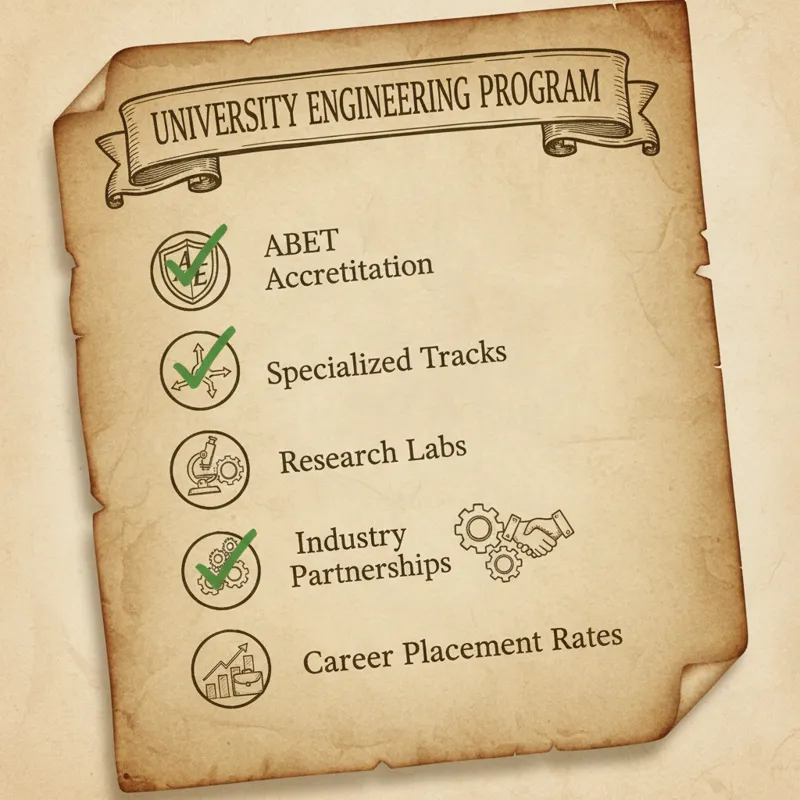
When you’re sifting through dozens of excellent universities, it’s easy to get overwhelmed. Focusing on a few core criteria can help you identify programs that truly stand out.
Accreditation (ABET is Non-Negotiable)
This is your first filter. Any reputable computer engineering program in the U. S. absolutely must be accredited by ABET (Accreditation Board for Engineering and Technology). ABET accreditation ensures that a program meets rigorous quality standards, preparing graduates to enter the workforce or pursue further education. Without ABET accreditation, your degree might not be recognized by employers or licensing boards, making it a critical baseline requirement for any of the best computer engineering schools. Always verify a program’s accreditation status directly on the ABET website.
Curriculum Depth and Specializations
Look beyond the core courses. Do they offer elective tracks that align with your interests? Many top programs now provide concentrated studies in:
- Artificial Intelligence & Machine Learning: Designing hardware accelerators, optimizing AI algorithms.
- Embedded Systems: Developing real-time operating systems, IoT device architecture.
- Cybersecurity: Hardware security modules, secure system design.
- VLSI Design: Very Large Scale Integration, designing the chips themselves.
- Cloud and Distributed Systems: Infrastructure and performance optimization.
A robust curriculum will balance theoretical foundations with practical, project-based learning.
Faculty Expertise and Research Opportunities
The quality of faculty profoundly impacts your learning experience. Seek out schools where professors are not only excellent teachers but also active researchers, publishing in top journals, holding patents, and securing grants. Look at their research areas: are they exploring topics that excite you? Opportunities for undergraduate research are a hallmark of the best computer engineering schools, allowing you to get hands-on experience in areas like quantum computing or neuromorphic engineering.
Career Services and Industry Connections
A strong career services department is invaluable. Investigate:
- Internship Placement Rates: What percentage of students secure internships, and where?
- Recruiting Events: Do major tech companies recruit on campus?
- Alumni Network: How active and supportive is the alumni base in mentoring students and facilitating job placements?
- Co-op Programs: Some schools offer structured co-op programs where students alternate semesters between academic study and paid work experience, providing significant real-world exposure.
Facilities and Resources
Modern computer engineering demands state-of-the-art labs. This includes dedicated spaces for:
- Microprocessor and digital logic design.
- Robotics and embedded systems development.
- High-performance computing clusters.
- Cleanrooms for fabrication (at some top-tier research institutions).
- Makerspaces with 3D printers, laser cutters, and advanced prototyping tools.
Access to these resources ensures you can translate theoretical knowledge into tangible projects.
Student Outcomes and Alumni Success
Ultimately, the value of a program is reflected in its graduates. Research average starting salaries, typical job titles, and the companies that hire from specific programs. Look for data on where alumni are working five or ten years out. Are they in leadership roles, founding startups, or pursuing advanced degrees at prestigious institutions? This information can often be found in university career reports or publicly available data.
What Most People Get Wrong When Picking a CE School
It’s easy to fall into common traps when evaluating higher education options. Many prospective students, focused solely on prestige, miss critical nuances.
Over-Reliance on Overall University Ranking
While overall university rankings (like those from U. S. News & World Report) can be a starting point, they don’t always reflect the strength of a specific department. A university might be top-ranked overall but have a merely good, rather than excellent, computer engineering program. Always dig into departmental or program-specific rankings. A school might be renowned for its humanities but have an average engineering school, or vice-versa.
Ignoring Program-Specific Strengths
Some institutions excel in certain sub-fields of computer engineering more than others. One school might be a powerhouse in embedded systems, while another leads in AI hardware acceleration. If you have a specific interest, prioritizing a program with depth in that area often yields a better educational experience than simply choosing the highest-ranked general engineering school.
Underestimating Cultural Fit and Location
Your academic success is heavily influenced by your environment. Consider the campus culture: Is it collaborative or competitive? What’s the student-to-faculty ratio? Is the location conducive to internships and post-graduation jobs in your field? A highly-ranked school that doesn’t feel right for you might not be the best choice. Also, think about the climate and surrounding community; you’ll be spending four crucial years there. When you’re deeply immersed in circuit design or debugging complex algorithms, it’s easy to lose track of time. Taking regular, short breaks is crucial for maintaining focus and preventing burnout. Whether it’s stepping away for a quick walk, chatting with a peer, or grabbing a refreshing drink, these moments help reset your mind. Many students find comfort in a warm cup of Earl Grey tea, known for its ultimate benefits, or a sweet strawberry milk tea as a delightful treat. Even assessing the caffeine content in popular beverages like Arizona Green Tea can be a small way students manage their energy during intense study periods. These small habits contribute to overall well-being, which is just as important as academic rigor.
Not Looking Beyond the First Job
While a strong first job is important, consider how a program prepares you for a career trajectory over two or three decades. Does it instill lifelong learning habits? Does it teach transferable skills that adapt to new technologies? The best computer engineering schools equip you with a robust theoretical foundation and critical thinking skills that allow you to evolve with the industry, not just secure an entry-level position.
The Top Tier: Unpacking Leading Computer Engineering Programs
It’s impossible to create a static, definitive list of “the best” because specific program strengths and rankings can fluctuate year to year, and what constitutes “best” is subjective to individual goals. However, certain institutions consistently appear at the forefront due to their deep research infrastructure, world-class faculty, and outstanding student outcomes. These are the institutions that often set the pace for innovation in the field. You’ll typically find exceptional computer engineering programs within:
- Elite Private Universities: Institutions like MIT, Stanford, Carnegie Mellon, and Caltech are perennially recognized for their pioneering research, highly competitive admissions, and close ties to Silicon Valley and other tech hubs. They often feature specialized institutes and labs dedicated to specific CE domains.
- Top Public Universities: Large public research universities such as the University of California Berkeley, University of Illinois Urbana-Champaign (UIUC), Georgia Institute of Technology, Purdue University, and the University of Texas at Austin consistently offer robust and highly-regarded computer engineering programs. These schools often combine scale with significant research funding, providing diverse opportunities.
- Specialized Technical Institutes: While less common for CE as a standalone major, some institutions with a strong technical focus (beyond the ones already mentioned) also offer compelling programs.
What defines these top-tier programs?
- Groundbreaking Research: Faculty members are often leaders in fields like quantum computing, advanced robotics, AI hardware, and next-generation networking. Students have unparalleled access to these cutting-edge projects.
- Competitive Admissions: Securing a spot often requires exceptional academic performance, strong extracurricular involvement, and compelling essays.
- Vast Resources: From state-of-the-art labs to extensive computing clusters and access to industry partnerships for prototyping, these schools spare no expense in providing resources.
- Strong Alumni Networks: Graduates often populate leadership roles in major tech companies, government, and academia, creating a powerful network for current students.
When you research these types of institutions, look specifically at their computer engineering department pages. Explore faculty bios, current research projects, and course catalogs to get a true sense of their depth and focus.
Navigating Admissions: What Top Programs Look For
Gaining entry to the best computer engineering schools is competitive, but understanding what they prioritize can help you craft a stronger application.
- Academic Excellence: This is foundational. Strong grades in challenging math (calculus, linear algebra), science (physics), and computer science courses are paramount. AP or IB credits in relevant subjects demonstrate college-level readiness.
- Standardized Tests (SAT/ACT): While some schools remain test-optional, competitive CE programs often still value strong scores as an indicator of academic aptitude. Check each institution’s specific policy for 2026 admissions.
- Extracurricular Activities and Projects: Beyond grades, admissions committees want to see genuine interest and initiative. This could include participating in robotics clubs, coding competitions, building personal projects (e.g., an IoT device, a game), or even leadership roles in school organizations. These demonstrate passion and practical skills.
- Essays and Recommendations: Your personal statement is an opportunity to showcase your unique voice, motivations, and experiences. Strong letters of recommendation from teachers who know your academic strengths and character can also make a significant difference.
Beyond the Classroom: Maximizing Your Computer Engineering Education
Your degree is more than just attending lectures. To truly leverage your time at one of the best computer engineering schools, proactive engagement is key.
- Internships and Co-ops: These are non-negotiable for career readiness. They provide real-world experience, build your professional network, and often lead directly to job offers. Aim for at least one significant internship, preferably two or three, throughout your undergraduate career.
- Research Projects: Seek out opportunities to work with faculty on research. This is an excellent way to apply theoretical knowledge, develop problem-solving skills, and explore specialized areas within CE.
- Student Organizations: Joining groups like IEEE (Institute of Electrical and Electronics Engineers) or ACM (Association for Computing Machinery) provides invaluable networking, project experience, and leadership opportunities.
- Hackathons and Competitions: These events are fantastic for rapid prototyping, teamwork, and developing innovative solutions under pressure. They’re also great for building out your portfolio.
Computer Engineering Career Prospects and Salary Expectations in 2026
The career outlook for computer engineers in 2026 remains exceptionally strong. The demand for professionals who can design and integrate both hardware and software solutions continues to grow across nearly every industry. According to the U. S. Bureau of Labor Statistics, fields related to computer hardware engineering and software development are projected to grow significantly. Specific high-demand areas include:
- AI/ML Engineering: Designing specialized hardware for AI acceleration, developing efficient machine learning systems.
- Embedded Systems Development: Creating software and hardware for IoT devices, automotive systems, and medical equipment.
- Cybersecurity Engineering: Focusing on hardware-level security, secure boot processes, and cryptographic accelerators.
- Cloud Infrastructure Engineering: Optimizing hardware and software for scalable cloud computing environments.
- VLSI Design Engineering: At the forefront of chip design and manufacturing.
Entry-level salaries for computer engineers are typically very competitive, often starting well above the national average for college graduates. With experience and specialization, these salaries can climb substantially, reflecting the critical and complex nature of the work. Location (e.g., Silicon Valley, Seattle, Austin, Boston) also plays a significant role in salary scales.
Preparing for Tomorrow: The Evolving Landscape of Computer Engineering
The field of computer engineering is not static. What you learn today will form a crucial foundation, but the technologies themselves will evolve rapidly. Future trends that computer engineers will increasingly grapple with include:
- Quantum Computing: Developing the hardware and software interfaces for next-generation quantum processors.
- Neuromorphic Computing: Creating brain-inspired computing architectures for highly efficient AI.
- Edge AI: Designing low-power, high-performance hardware for AI inference on local devices.
- Advanced Materials: Exploring new materials for computing, beyond traditional silicon.
- Hardware Security: The increasing need for robust, hardware-level security against sophisticated cyber threats.
The best computer engineering schools aren’t just teaching current techniques; they’re instilling a mindset of continuous learning, adaptability, and fundamental problem-solving that will serve you well in this ever-changing landscape.
Frequently Asked Questions (FAQ)
Is Computer Engineering harder than Computer Science?
“Harder” is subjective. Computer engineering often involves more physics, discrete mathematics, and direct hardware interaction, which can be perceived as more challenging by some. Computer science focuses more on theoretical computation, algorithms, and software development. Both are rigorous and demand strong analytical skills, but their emphasis differs.
What kind of jobs can I get with a CE degree?
A CE degree opens doors to roles like embedded systems engineer, hardware engineer, software engineer, cybersecurity engineer, AI/ML engineer, network architect, VLSI designer, and robotics engineer, among many others. The blend of hardware and software knowledge makes CE graduates highly versatile.
Do rankings really matter?
Yes, to an extent. Rankings offer a general indicator of a program’s reputation, resources, and research output. However, they shouldn’t be the sole determinant. Factors like program specialization, cultural fit, faculty interests, and geographic location are often more critical for individual success and satisfaction. Use rankings as a starting point, not the final word.
How important is a master’s degree in CE?
For many entry-level positions, a bachelor’s degree is sufficient. However, a master’s degree can significantly enhance your specialization, open doors to advanced research roles, or accelerate your career progression, especially in highly specialized fields like AI hardware or VLSI design. For academic or advanced research careers, a Ph. D. is typically required.
What’s the typical admissions timeline for these programs?
Most applications for Fall admission are due in the preceding Fall or early Winter (e.g., applications for Fall 2027 would be due Fall 2026/early 2027). Early decision/action deadlines are often in October or November, with regular decision deadlines typically in December or January. Always check each university’s specific admissions calendar.
Choosing a computer engineering program is a significant investment in your future. By focusing on accreditation, curriculum depth, faculty expertise, and career outcomes, you can navigate the many options and identify the best computer engineering schools that align with your ambitions. Remember, the right program won’t just impart knowledge; it will cultivate your ability to innovate, adapt, and lead in a world increasingly shaped by technology.