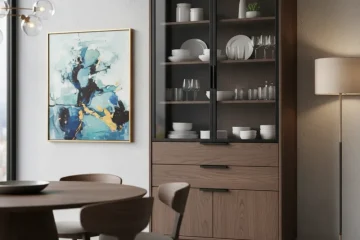
Framed art decor is more than just a picture in a frame; it’s a deliberate design choice that significantly influences a room’s atmosphere, tells a story, and reflects personal style. In 2026, as home aesthetics continue to blend digital convenience with tangible beauty, understanding the nuances of selecting, framing, and arranging art is crucial for creating cohesive and inviting spaces. This isn’t about filling a blank wall; it’s about curating visual focal points that resonate with the overall design narrative of your home.
Understanding the Core Components of Framed Art Decor

When you approach framed art decor, you’re essentially working with three primary elements: the artwork itself, the matting (if any), and the frame. Each component plays a vital role in how the final piece is perceived and how it interacts with its environment. Missing one aspect can throw off the entire aesthetic, making a beautiful piece feel out of place or poorly presented.
The Artwork: Your Visual Foundation
The artwork is, naturally, the star. It could be a painting, a print, a photograph, a drawing, or even a textile piece like embroidered wall art. Its subject matter, color palette, and style will dictate much of your decor strategy. Think about what emotions or ideas the art conveys. Is it vibrant and energetic, calm and serene, or perhaps thought-provoking and abstract?
- Subject Matter: Does it align with the room’s function or your personal interests? A serene landscape might suit a bedroom, while a bold abstract could energize a living room.
- Color Palette: Consider how the colors in the art will interact with the room’s existing colors. Will it introduce a contrasting pop, or will it blend harmoniously?
- Style: Is the art modern, traditional, minimalist, bohemian, industrial, or something else? Its style should ideally complement or thoughtfully contrast the room’s overall design theme.
The Matting: Creating Visual Space
Matting, also known as a passe-partout, is the border placed between the artwork and the frame. Its purpose is multifaceted: it protects the art from direct contact with the glass, enhances its visual presence, and provides a crucial breathing space around the piece. Opting for a mat can dramatically change how a piece of art is perceived, making it feel more substantial and deliberate.
- Proportion: Wide mats tend to lend a more formal or gallery-like feel, drawing the eye inward. Narrow mats offer a subtle separation.
- Color: While white or off-white are common and versatile choices, a colored mat can be used to pull out a specific hue from the artwork or create a complementary border. It’s a subtle but powerful design tool.
- Material: Archival, acid-free mats are essential for protecting valuable or sensitive artwork from deterioration over time.
The Frame: The Art’s Architectural Embrace
The frame is the boundary that defines and protects the artwork, but it’s also a significant decorative element in itself. The right frame enhances the art without overpowering it, and complements the room’s decor. Conversely, a mismatched frame can detract from even the most stunning piece of art.
- Material: Wood (natural, painted, stained), metal (gold, silver, black, brass), and acrylic are common. Each material carries its own aesthetic weight. Natural wood often feels warm and organic, while sleek metal can convey modernity.
- Profile: The profile refers to the shape and depth of the frame’s molding. A thin, flat profile offers a minimalist look, while a wide, ornate profile creates a more traditional or dramatic statement.
- Finish: Matte, glossy, distressed, metallic – the finish impacts how light reflects off the frame and its overall presence.
Selecting Framed Art Decor: A Strategic Approach

Choosing the right framed art decor isn’t arbitrary; it’s a strategic process that considers the space, the art, and your personal taste. Think of it as tailoring an outfit—each piece must fit well and contribute to the overall look.
Consider the Room’s Function and Vibe
Every room has a purpose and an existing aesthetic. Your framed art decor should support, not detract from, that. For instance, a bedroom might benefit from calming visuals, while a home office could use inspiring or abstract pieces. This approach extends to specific spaces like dining rooms, where conversation-starting pieces might work well, or entryways, which offer a first impression.
- Living Room: Often a central gathering space, the living room is ideal for a large statement piece or a curated gallery wall. Consider pieces that reflect hospitality or spark conversation.
- Bedroom: Promote relaxation with calming colors, soft subjects, or personal photos. Avoid overly stimulating or complex imagery.
- Kitchen/Dining Room: Food-related themes, vibrant still lifes, or even abstract pieces that complement the kitchen’s palette can work well. Washable or easily cleaned frames are a practical consideration here.
- Home Office: Opt for pieces that inspire focus, creativity, or motivation. Abstract art, minimalist landscapes, or framed motivational quotes can be effective.
Aligning with Your Design Style
The beauty of framed art decor lies in its versatility. It can adapt to almost any design style, from the rustic charm of a farmhouse to the sleek lines of a contemporary loft. The key is consistency in choice.
- Modern/Minimalist: Think clean lines, simple frames (thin metal or wood), and abstract or graphic art. Often, less is more, with emphasis on negative space and subtle texture.
- Traditional/Classic: Ornate frames, classic oil paintings, portraits, or landscapes with a more muted palette are fitting. Rich wood tones and gold accents often work well.
- Bohemian/Eclectic: Mix and match styles, textures, and origins. Vintage finds, travel photography, fiber art (like framed hand embroidery), and colorful prints for wall spaces work great. The beauty is in the curated imperfection.
- Industrial: Consider black metal frames, urban photography, architectural prints, or art with distressed textures.
- Farmhouse/Rustic: Distressed wood frames, botanical prints, vintage advertisements, or scenes of nature.
Size and Scale: Getting the Proportions Right
This is where many people falter. A piece of framed art decor that is too small for a large wall will look lost, while one that is too large for a tight space can feel overwhelming. The goal is balance.
- Above Furniture: As a general rule, art hung above a sofa, bed, or console table should be about two-thirds the width of the furniture piece.
- Empty Walls: For a standalone piece on a large wall, aim for something substantial enough to command attention without dominating the entire space. You can mock up sizes with butcher paper to get a feel for scale.
- Gallery Walls: When creating a collection, consider the overall footprint of the arrangement as a single unit. Varying sizes and shapes can add interest, but a consistent framing style or color palette can tie everything together.
Arranging Framed Art Decor: Crafting Visual Narratives

Once you’ve selected your framed art decor, the next step is arrangement. This is where your individual pieces come together to form a cohesive visual statement. It’s less about rigid rules and more about creating flow and balance.
The Power of the Gallery Wall
Gallery walls remain a popular and effective way to display multiple pieces of art, photographs, or mementos. They allow for personal expression and can tell a rich visual story. There are many approaches, from highly structured grids to organic, free-flowing arrangements.
- Grid Layout: This involves evenly spaced frames of the same size, creating a clean, modern, and symmetrical look. It works best with a series of similar prints or photographs.
- Salon Style/Organic: A more eclectic approach where various sizes and shapes are arranged in a less formal, more fluid manner. The key is to find a visual balance, often by starting with a central piece and building outwards.
- Edge Alignment: Sometimes, aligning all frames along a single imaginary line (top, bottom, or center) can create a sense of order, even with varied sizes.
When planning a gallery wall, lay your pieces out on the floor first. This allows you to experiment with different configurations without putting holes in your walls. Take a photo of your favorite arrangement before you start hanging.
Single Statement Pieces
Sometimes, one large, impactful piece of framed art decor is all you need. A large abstract painting, a vibrant photographic print, or a substantial textile art piece can become the undeniable focal point of a room. This approach emphasizes the art itself, allowing it to speak without distraction.
- Placement: A single statement piece often works best on a prominent wall, perhaps opposite the main entrance to the room or above a key piece of furniture like a fireplace mantel or a sideboard.
- Lighting: Consider spotlighting a statement piece to enhance its presence, especially if it has intricate details or rich textures.
Beyond the Wall: Leaning and Layering
Not all framed art needs to be hung. Leaning art against a wall on a console table, bookshelf, or even directly on the floor can create a relaxed, contemporary, and versatile look. Layering multiple pieces, with smaller frames overlapping larger ones, adds depth and interest.
- Shelf Styling: Mix framed art with books, plants, and decorative objects for a dynamic display.
- Floor Placement: Larger pieces, especially in minimalist or industrial spaces, can make a strong statement leaning against a wall on the floor. Ensure they are stable and not in a high-traffic area.
Budgeting for Framed Art Decor: Quality Meets Affordability
Framed art decor doesn’t have to break the bank. While high-end original art and custom framing can be significant investments, there are numerous ways to achieve a stunning look on a modest budget. The trick is knowing where to prioritize your spending.
Smart Sourcing for Artwork
You don’t need a gallery budget to find compelling art. The world of prints and digital art has expanded exponentially, offering high-quality options for every taste.
- Prints and Posters: Many artists offer high-quality giclée prints of their original work at a fraction of the cost. Websites like Etsy, Art.com, and 20×200 are excellent resources. You can also find incredible public domain art from institutions like the Metropolitan Museum of Art.
- Photography: Personal photography, especially when printed professionally, can make for deeply personal and meaningful decor. Stock photography sites also offer professional-grade images that can be printed large.
- Digital Downloads: Purchase digital art files and have them printed locally or through online services. This significantly reduces the cost of the art itself.
- Vintage Finds: Thrift stores, flea markets, and antique shops can hide unique and often affordable pieces. Look for interesting subjects, even if the frame needs an upgrade.
Framing on a Budget
Framing can often cost more than the art itself, especially if you opt for custom services. However, several strategies can help manage this expense.
- Ready-Made Frames: Stores like IKEA, Target, and specialty craft stores offer a wide range of standard-sized frames that are both stylish and affordable. If your art fits a standard size, this is often the most cost-effective solution.
- DIY Framing: For smaller pieces or non-standard sizes, consider buying frame components (molding, glass, backing) and assembling them yourself. This requires some basic tools and patience but can save a lot.
- Online Custom Framers: Services like Framebridge or Level Frames offer custom framing entirely online. You send them your art (or a digital file), and they send back the finished, framed piece. This can often be more affordable than local custom framers, especially for larger pieces.
- Re-use and Upcycle: Don’t dismiss old frames. A fresh coat of paint, a new mat, or even a different type of glass can give an old frame a whole new life.
What Most People Get Wrong About Framed Art Decor
Despite its seemingly straightforward nature, people often make common mistakes when it comes to framed art decor. These oversights can prevent a space from reaching its full potential, making it feel disjointed or unprofessional. Understanding these pitfalls can help you avoid them.
1. Hanging Art Too High
This is arguably the most common mistake. People tend to hang art as if it’s meant to be viewed by giants. Art should be hung at eye level for the average person standing. The general rule is to have the center of the artwork or gallery wall approximately 57-60 inches (145-152 cm) from the floor. When hanging above furniture, ensure there’s enough space (typically 6-12 inches) between the top of the furniture and the bottom of the frame.
2. Choosing the Wrong Scale
As mentioned before, scale is critical. A small piece of art on a large, expansive wall will feel isolated and insignificant. Conversely, an oversized piece in a cramped space can overwhelm the room. Always consider the dimensions of both the art and the wall it will occupy. Use painter’s tape or cut paper templates to visualize the art’s footprint before committing to hanging.
3. Ignoring Matting and Frame Choices
Often, people focus solely on the art and neglect the framing elements. A beautiful piece can be undermined by an ill-fitting mat or a frame that clashes with the art or the room’s style. For example, a delicate watercolor might get lost in a chunky, ornate frame, while a bold abstract could look cheap in a flimsy plastic one. Matting provides crucial negative space and enhances the art’s presence, making it feel more deliberate and finished.
4. Forgetting the “Why” Behind the Art
Don’t just fill walls for the sake of it. Each piece of framed art decor should contribute to the room’s story, evoke a feeling, or reflect something meaningful. If you buy art just because it “matches” the sofa, you might miss an opportunity to infuse personality and depth into your home. Think about what you want to communicate or how you want to feel in the space.
5. Poor Lighting and Reflectivity
Even the most stunning framed art decor can fall flat if it’s not lit properly or if glare makes it unviewable. Avoid placing highly reflective glass where it will catch direct sunlight or harsh artificial light. Consider using museum glass or anti-glare acrylic for pieces that might be prone to reflections. Strategic lighting, such as picture lights or spotlights, can dramatically enhance the art’s appearance.
6. Failing to Consider the Flow
In homes with open floor plans or multiple adjacent rooms, think about how framed art decor flows from one space to the next. While each room can have its unique character, there should be a subtle thread of continuity—perhaps through a consistent color palette, framing material, or artistic style—that creates a harmonious overall environment. This doesn’t mean everything has to match, but rather that the transitions feel natural and intentional, much like the patterns and textures in quality embroidered wallpaper.
Advanced Techniques and Emerging Trends in 2026
As we move through 2026, the world of interior design continues to evolve, bringing new technologies and sensibilities to framed art decor. Staying aware of these trends can help keep your spaces fresh and engaging.
Digital Art Frames and NFTs
The rise of high-resolution digital art frames has brought a dynamic element to wall decor. These frames allow you to display an ever-changing rotation of digital artworks, including non-fungible tokens (NFTs). This offers unparalleled flexibility and the ability to update your decor seasonally or even daily without re-hanging physical pieces. While the initial investment in a quality digital frame can be higher, the long-term versatility is significant. For deeper dives into the digital art market, reputable sources like Forbes often cover emerging trends.
Textural and Mixed-Media Framing
Beyond traditional paper prints, there’s a growing appreciation for framed textiles, embroidery, and mixed-media pieces. Framing these items requires specialized techniques, often involving shadow boxes to protect three-dimensional elements. This trend emphasizes tactile experiences and adds depth and warmth that traditional prints might not. Think about displaying unique pieces like intricate embroidery on paper patterns or other fiber arts.
Smart Lighting Integration
Modern homes are increasingly incorporating smart lighting systems, and framed art decor is benefiting. Integrated LED strips behind frames or smart picture lights can be controlled via apps, allowing you to change color temperature, brightness, and even create dynamic lighting effects to highlight your art at different times of the day or for various moods. This adds an interactive layer to visual presentation.
Sustainability in Framing
As environmental consciousness grows, so does the demand for sustainable framing options. Look for frames made from reclaimed wood, bamboo, or recycled materials. Archival-quality materials for mats and backing not only protect your art but also indicate a commitment to longevity, reducing waste in the long run. Many custom frame shops now highlight their eco-friendly material choices.
Frequently Asked Questions About Framed Art Decor
Here are some common questions people ask when they’re looking to enhance their spaces with framed art.
How high should I hang framed art decor?
Generally, the center of the artwork or the entire gallery wall arrangement should be at eye level, which is typically 57-60 inches (145-152 cm) from the floor. If hanging above furniture, leave about 6-12 inches of space between the furniture and the bottom of the frame.
Can I mix different frame styles and colors in a gallery wall?
Absolutely! Mixing frame styles, colors, and finishes can create a more eclectic and personalized gallery wall, especially in bohemian or maximalist spaces. To maintain cohesion, try to find a common thread, such as a consistent mat color, a shared color palette in the art itself, or grouping similar frame types together.
How do I protect my framed art decor from fading?
To protect art from UV damage and fading, especially if it’s placed in direct sunlight, consider using UV-protective glass or acrylic. These materials filter out a significant portion of harmful UV rays. Also, avoid placing valuable or sensitive pieces in direct sunlight or under harsh artificial lighting for extended periods.
What’s the best way to clean framed art?
For the glass or acrylic, use a soft, lint-free cloth and a mild glass cleaner (spray it onto the cloth first, not directly onto the frame, to prevent liquid from seeping in). For the frame itself, dust regularly with a dry cloth. For intricate or delicate frames, a soft brush can help. Avoid harsh chemicals.
Should all the art in a room match the decor?
Not necessarily. While framed art decor should generally complement the room’s aesthetic, it doesn’t need to match perfectly. Sometimes, a well-chosen piece that contrasts slightly in style or color can add visual interest and personality. The key is thoughtful contrast, not random incompatibility.
Is custom framing always worth the cost?
Custom framing is a significant investment, but it’s often worth it for valuable, sentimental, or oddly-sized pieces of art. It ensures the best protection and presentation, enhancing the art’s longevity and visual impact. For standard prints or temporary decor, ready-made frames are usually sufficient. Weigh the value and importance of the artwork against the cost of custom framing.
Ultimately, framed art decor is an expressive and impactful element of interior design. By understanding the interplay of art, matting, and framing, and by thoughtfully considering arrangement, scale, and budget, you can create spaces that are not only aesthetically pleasing but deeply reflective of personal style and narrative.