

Protecting a high-value vehicle – be it a cherished classic, a luxury sports car, or a meticulously maintained daily driver – goes beyond a simple fabric cover. Environmental threats like hail, dust, moisture, and even pests pose significant risks, leading to costly repairs and depreciation. For discerning owners in 2026, the traditional car cover often falls short. This is where an inflatable car cover, often referred to as a car bubble or vehicle protection dome, steps in. These sophisticated shelters offer a level of protection that static covers simply can’t match, creating a micro-environment that shields your investment from virtually everything nature and the garage can throw at it. They represent a significant upgrade, providing peace of mind and preserving your vehicle’s condition for the long haul.
Why an Inflatable Car Cover? Beyond Basic Protection
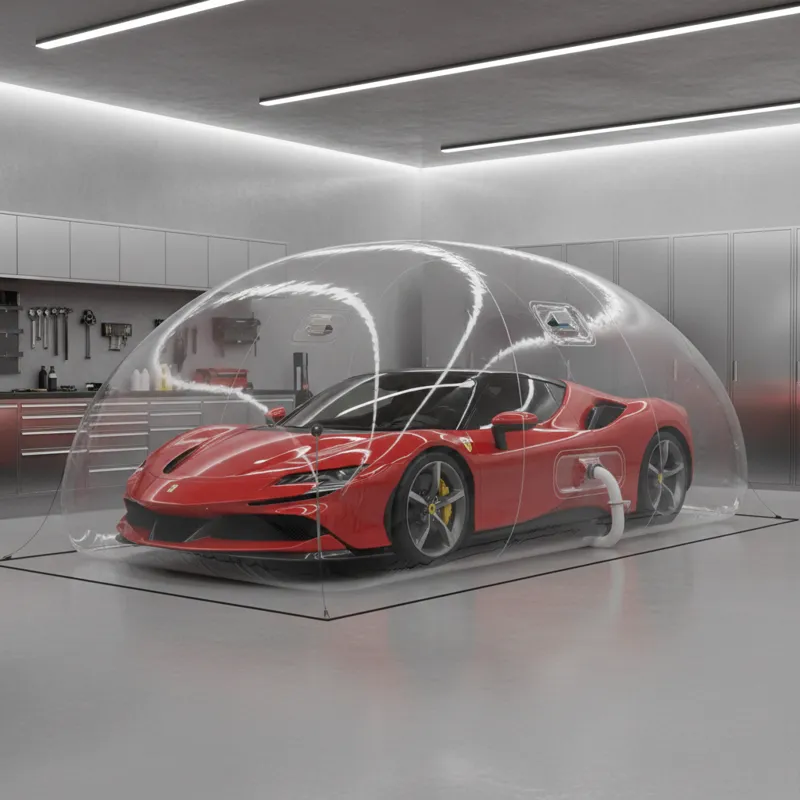
The distinction between a standard car cover and an inflatable car cover is stark, fundamentally rooted in their approach to protection. A conventional cover offers a physical barrier, which is good for basic dust and minor scratches, but it still allows moisture to trap, encourages condensation, and provides no defense against impact. An inflatable car cover, however, creates an active, air-supported environment around your vehicle. This isn’t just a cover; it’s a portable car shelter, engineered to isolate your car from its surroundings. At its core, an inflatable car cover works by continuously circulating filtered air around the vehicle. This constant airflow isn’t just about keeping the bubble inflated; it’s critical for maintaining a stable climate. It prevents condensation, actively dries any residual moisture from the vehicle’s surface, and keeps dust particles from settling. The robust, air-filled structure also acts as a formidable barrier against physical impacts, such as falling objects or, most notably, hail. For anyone serious about vehicle preservation, understanding these air-supported car storage benefits makes the choice clear.
The Mechanics of Ultimate Protection
The engineering behind these covers often involves heavy-duty, UV-resistant PVC or similar composite materials that are puncture and abrasion-resistant. High-efficiency fans draw air through activated carbon filters, ensuring that only clean, dry air circulates around your car. This process effectively prevents mold, mildew, and corrosion that can plague vehicles stored in humid or stagnant environments.
Consider the cumulative effect of minor environmental damage: paint oxidation from UV exposure, microscopic dust abrasions, or the insidious creep of rust from lingering moisture. An inflatable car cover proactively combats these issues, maintaining your vehicle’s finish and structural integrity. It’s a proactive measure, safeguarding against dozens of common issues that can silently degrade a vehicle’s condition over time.
Key Features to Look For in 2026
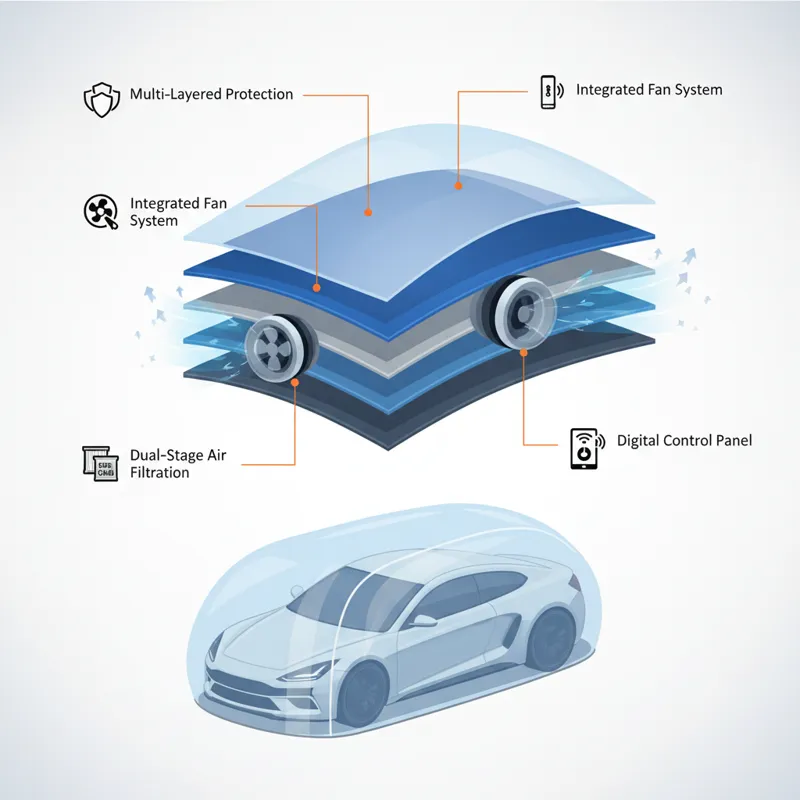
As technology advances, so do the capabilities of inflatable car covers. In 2026, the market offers sophisticated solutions that integrate smart features and enhanced durability. When evaluating options, several key features stand out as essential for ultimate protection.
- Material Durability and Composition: Look for heavy-gauge, rip-stop fabrics, often a blend of reinforced PVC or similar polymers. UV resistance is non-negotiable for outdoor use, preventing material degradation and discoloration. Chemical resistance is also vital to protect against pollutants.
- Advanced Airflow and Filtration Systems: The heart of any good inflatable car cover is its air circulation. Seek models with powerful, yet quiet, fans that provide a minimum of 150-200 CFM (Cubic Feet per Minute) to ensure adequate air exchange. Multi-stage filtration, including HEPA and activated carbon filters, is crucial for keeping dust, pollen, and even exhaust fumes away from your vehicle. Some premium models feature humidity control, actively dehumidifying the internal environment.
- Power Requirements and Redundancy: Understand the power consumption of the fans. Most operate on standard 110V outlets. Look for models with battery backup options or surge protection, especially if you live in an area prone to power outages. Consistent inflation is paramount.
- Ease of Setup and Portability: While not as portable as a fabric cover, the best inflatable car covers are designed for relatively straightforward setup and takedown. Quick-release zippers, modular frame components (if applicable), and clear instructions are beneficial. For those needing a temporary car garage solution, ease of deployment is key.
- Security and Access: Consider how you access your vehicle once it’s inside. High-quality zippers that run the length of the cover, allowing full vehicle access without deflating, are a significant convenience. Some advanced models include integrated alarm systems or smart locking mechanisms.
- Size and Custom Fit Options: Ensure the cover provides ample clearance around your vehicle. Generic sizing can be problematic; look for specific dimensions or even custom options to ensure a perfect fit, preventing any part of the vehicle from touching the cover’s interior surface.
- Smart Connectivity and Monitoring: The 2026 market increasingly offers inflatable car covers with smart features. Bluetooth or Wi-Fi connectivity allows you to monitor internal temperature, humidity, and fan status via a smartphone app. Some even integrate with home automation systems, offering unparalleled control and peace of mind.
4 Best Picks for Ultimate Protection (2026 Edition)
In 2026, the landscape of vehicle preservation offers highly specialized inflatable car cover solutions. These picks represent the pinnacle of protection, each excelling in distinct areas to meet the diverse needs of discerning car owners.
1. The “Climate-Controlled Preservation Pod”
This category of inflatable car cover is designed for the absolute purist, prioritizing a meticulously controlled storage environment. These systems feature dual-stage, high-volume air movers paired with advanced dehumidification and temperature regulation modules. The exterior material is typically a multi-layer composite, often incorporating a reflective outer layer for UV and heat management, and a soft, non-abrasive inner lining. Air filtration goes beyond HEPA, often including specialized filters to neutralize VOCs (Volatile Organic Compounds) that can off-gas from garage environments or even the vehicle itself. Setup is more involved due to the integrated climate control unit, but once deployed, it creates an unparalleled sanctuary for long-term storage, preventing virtually all forms of environmental degradation. Owners of irreplaceable classic cars or unique luxury vehicles find this investment invaluable, protecting against insidious issues like paint delamination or leather deterioration.
2. The “Rapid-Deploy Hail & Impact Defender”
For those in regions prone to severe weather, particularly hail, this inflatable car cover focuses on rapid deployment and extreme physical resilience. These covers boast ultra-thick, reinforced PVC or polyurethane materials, often with an internal cellular structure that distributes impact force more effectively. The inflation system features high-capacity, quick-fill fans that can fully inflate the cover in under five minutes, crucial for sudden storm protection. While basic air filtration is present, the primary emphasis is on structural integrity. These units are often designed with anchoring points to withstand high winds, making them a robust outdoor car bubble. Their utility is highest for vehicles parked outdoors or in carports where immediate, robust protection from falling debris or large hail is a consistent concern. Its rapid deployment feature is a game-changer when unexpected weather threatens your vehicle, eliminating the scramble that usually accompanies such events.
3. The “Stealth Outdoor Sentinel”
Addressing the need for discreet, all-weather outdoor protection, this type of inflatable car cover combines formidable durability with a less conspicuous design. Unlike the often translucent or bright options, the Stealth Outdoor Sentinel typically comes in muted, earth-tone colors or matte finishes that blend into residential or natural environments. The material is a robust, UV-stabilized, and waterproof fabric, often with an anti-microbial treatment to resist mold and mildew in outdoor conditions. The inflation system is often enclosed within the base, reducing visible components, and operates quietly. This variant often includes enhanced ground anchoring systems and superior resistance to temperature fluctuations, ensuring consistent performance in diverse climates. It’s ideal for owners who need to store their high-value vehicle outside their primary garage but still demand ultimate protection without drawing undue attention. The internal air circulation is optimized for handling varying external humidity levels, effectively drying the vehicle even after exposure to rain or dew.
4. The “Smart-Connected Preservation Pod”
Embracing the advancements of IoT (Internet of Things), this inflatable car cover integrates seamlessly with your digital lifestyle. It features a suite of sensors that monitor internal temperature, humidity, air quality, and even subtle movements around the vehicle. All data is accessible via a dedicated smartphone application, allowing remote monitoring and control of the fan system, internal lighting, and security features. Some models include predictive analytics, using local weather data to proactively adjust internal conditions or alert the owner to impending threats. The materials are still top-tier, focusing on long-term durability and protection, but the core value lies in the intelligent management system. For the tech-savvy owner who wants ultimate control and real-time awareness of their vehicle’s storage environment, this option provides an unprecedented level of peace of mind. Imagine getting an alert on your phone if the humidity inside rises or if there’s an impact detected on the outer shell, allowing you to take immediate action, even when miles away.
How Inflatable Car Covers Work: A Mechanistic View
The fundamental principle behind an inflatable car cover is deceptively simple: create a stable, protected micro-environment through continuous, filtered airflow. However, the execution involves careful engineering to ensure this environment is genuinely beneficial. First, the vehicle drives onto a durable, often waterproof, base mat. The cover, typically a large, flexible envelope, is then zipped over the car and sealed to the base. This forms a completely enclosed space. The magic happens next: one or more integrated electric fans, usually positioned at one end of the base, begin to draw ambient air. This incoming air is critical. Before it reaches your vehicle, it passes through a series of filters. Basic models feature particle filters to remove dust and debris. More advanced systems include HEPA filters to capture microscopic allergens and activated carbon filters to absorb odors and pollutants. Some high-end units also incorporate dehumidifiers to remove excess moisture from the air, maintaining an optimal relative humidity level inside the bubble. As the filtered air is pushed into the sealed enclosure, it creates a slight positive pressure. This pressure is what inflates the cover, lifting it away from the vehicle’s surface to create a protective air cushion. This air cushion serves several vital functions:
- Impact Resistance: The inflated structure absorbs and disperses kinetic energy from impacts, whether from falling garage items or severe hail, preventing direct contact with the car’s body.
- Air Circulation: The continuous flow of air ensures that no stagnant pockets of air develop. This constant movement actively dries any latent moisture on the vehicle, preventing condensation, mold, and rust. This is a key differentiator from traditional covers, which can trap moisture.
- Environmental Isolation: By creating a sealed, pressurized, and filtered environment, the inflatable car cover isolates your vehicle from dust, pests, rodents, and airborne contaminants. It’s an effective vehicle protection dome, keeping pollutants at bay.
The system relies on maintaining a consistent positive pressure. If there’s a minor puncture, the continuous airflow often compensates, preventing the cover from collapsing entirely. High-quality fans are designed for continuous operation, often consuming minimal power while delivering consistent performance. This constant vigilance ensures that, once activated, the inflatable car cover is always working to protect your valuable asset. It’s a dynamic storage solution, not a static one, continually working to preserve your vehicle’s condition.
Setting Up Your Inflatable Car Cover: Practical Steps
Setting up an inflatable car cover is generally a straightforward process, though it requires attention to detail to ensure proper function and maximum protection. Here’s a practical guide:
- Choose Your Location Wisely: Whether indoors or outdoors, select a flat, clear, and stable surface. Remove any sharp objects or debris that could damage the base mat. Ensure you have access to a reliable power outlet (110V typically) within a reasonable distance for the fan unit. For outdoor setups, consider sunlight exposure and prevailing winds.
- Prepare the Vehicle: For optimal protection, ensure your car is clean and dry before enclosing it. Any dust or moisture trapped inside can potentially cause issues over long storage periods. If you’re concerned about your vehicle’s overall health, it’s always a good idea to perform regular checks, much like understanding your Pa State Inspection Cost and adhering to annual vehicle inspections.
- Lay Out the Base Mat: Unroll the inflatable car cover’s base mat onto your chosen spot. Ensure it’s oriented correctly, usually with the fan unit connector near your power source.
- Position the Vehicle: Drive or push your vehicle onto the center of the base mat. Make sure there’s sufficient clearance around the car once the cover is inflated.
- Secure the Top Cover: Drape the top portion of the cover over your vehicle. Carefully align the zippers with the base mat. For most designs, you’ll walk around the vehicle, zipping the top cover to the base, effectively sealing your car inside. Double-check that all zippers are fully closed and any seals are properly engaged.
- Connect and Power On the Fan: Attach the fan unit to the designated port on the cover. Plug the fan into your power outlet. Turn on the fan. The cover will begin to inflate, slowly rising around your vehicle. This usually takes between 5 to 15 minutes, depending on the cover’s size and fan power.
- Monitor and Adjust: Once fully inflated, check for any areas where the cover might be touching the car. If needed, gently adjust the vehicle’s position or the cover itself to ensure full air circulation around all surfaces. The constant low hum of the fan indicates proper operation.
Remember, the goal is to create a complete seal and maintain continuous airflow. A properly set up inflatable car cover will stand firm and provide robust protection. If you ever have questions about the integrity of your vehicle’s systems, just as you would review a Vehicle Inspection Form, you should inspect your cover regularly.
Things People Usually Miss When Choosing an Inflatable Car Cover
While the benefits are clear, some critical details often get overlooked, leading to less-than-optimal experiences or unexpected costs. Being aware of these points can significantly influence your satisfaction and the long-term effectiveness of your portable car shelter.
- The Reality of Power Consumption: While fans are generally efficient, they run 24/7. This contributes to your electricity bill. Beyond that, consider surge protection and battery backup options. A momentary power flicker can deflate your cover, potentially leaving your vehicle exposed until power returns and the cover re-inflates. For high-value assets, redundancy in power supply is crucial.
- Ventilation Effectiveness in Extreme Humidity: Standard airflow is great for preventing condensation, but in areas with persistently high ambient humidity (e.g., Florida summers), a simple fan might not be enough. Without active dehumidification, you’re constantly circulating humid air, which, though moving, might not be dry enough to truly prevent moisture-related issues. Look for models with integrated dehumidifiers for genuinely climate-controlled storage.
- Long-Term Material Degradation (UV and Ozone): Even “UV-resistant” materials degrade over time, especially with continuous outdoor exposure. UV radiation and ground-level ozone can cause plastics to become brittle, discolored, and lose strength. This is why selecting an inflatable car cover made from premium, multi-layer materials with enhanced UV stabilizers is crucial for longevity, particularly for outdoor car bubble reviews. Don’t underestimate the sun’s toll.
- Noise Levels from Fans: While most modern fans are designed to be quiet, a continuously running fan will produce some level of audible hum. This might be a minor annoyance if the cover is near a living space or if you value absolute silence in your garage. Check specifications for decibel ratings if noise sensitivity is a concern.
- Insurance Implications: It’s prudent to check with your vehicle insurance provider regarding the use of an inflatable car cover. While they offer superior protection, some insurers might have specific clauses or recommendations for stored vehicles. Understanding how your policy treats damage within such a setup is good practice.
- Accessibility: Think about how often you need to access your vehicle. If it’s a daily driver, the process of deflating, unzipping, driving out, driving in, zipping up, and re-inflating can become tedious. For long-term storage or occasional use, it’s less of a factor. This ties into the type of vehicle and its use frequency.
- Ground Preparation for Outdoor Use: Simply placing it on gravel or bare earth can lead to punctures or an unstable base. A concrete pad or a heavy-duty ground tarp beneath the cover’s base mat provides a much better foundation, protecting both the cover and ensuring stability against wind.
The Investment: Are They Worth It for Your High-Value Vehicle?
When considering an inflatable car cover, the initial cost can seem substantial, often ranging from a few hundred to several thousand dollars depending on features and size. However, for owners of high-value vehicles – luxury cars, classic automobiles, or even meticulously maintained modern performance machines – this isn’t an expense; it’s an investment in preservation. Think about the true cost of alternative scenarios. A single significant hail storm can inflict thousands, even tens of thousands, of dollars in damage. Repainting a classic car to correct UV damage or repair rust spots from inadequate storage can easily eclipse the cost of the most advanced inflatable car cover. Beyond monetary cost, there’s the loss of originality, the diminished collector value, and the time and hassle of repairs. Preventing these issues upfront offers undeniable long-term value. An inflatable car cover acts as an active shield against depreciation, maintaining the aesthetic condition and mechanical integrity of your vehicle. It keeps the paint pristine, the interior free from dust and moisture-induced degradation, and the undercarriage protected from rust. This level of comprehensive protection directly translates into higher resale value and a more enjoyable ownership experience. For items of significant value, be it a luxury watch or a prized classic, investing in its preservation is a fundamental aspect of ownership. It is not just about keeping it clean; it’s about maintaining its value and legacy. For example, considering the careful selection of a critical safety standards for vehicles, much like choosing the right infant car seat for a child, an inflatable car cover offers a similar level of dedicated, specialized protection for your vehicle.
FAQs (People Also Ask)
How much do inflatable car covers cost?
The cost varies significantly based on size, material quality, features (like filtration, climate control, or smart tech), and brand. Basic indoor models start around $400-$700. Mid-range outdoor or enhanced indoor covers can run $800-$1,500. Premium, feature-rich, climate-controlled, or custom-sized options can easily exceed $2,000 to $4,000, reflecting their advanced capabilities and durability.
Are inflatable car covers waterproof?
Yes, all quality inflatable car covers designed for outdoor use are waterproof. They typically use heavy-duty, sealed PVC or similar composite materials that repel water. The design also ensures that water cannot pool on the cover or seep underneath, making them excellent for rain and snow protection.
Can I use an inflatable car cover indoors?
Absolutely. Many inflatable car covers are specifically designed for indoor use. In fact, indoors, they excel at protecting against dust, accidental bumps, and maintaining a pristine environment without the added challenges of outdoor weather. The benefits of filtered, circulating air are just as valuable in a garage to prevent condensation and dust accumulation.
How long do inflatable car covers last?
With proper care and maintenance, a high-quality inflatable car cover can last 7 to 15 years, or even longer. Factors like exposure to harsh UV rays (for outdoor models), frequency of use, and handling all play a role. Regular cleaning and ensuring the fan filters are maintained will extend its lifespan significantly.
Do they prevent rust?
Yes, very effectively. Rust is primarily caused by moisture and oxygen interacting with metal. An inflatable car cover’s continuous, filtered airflow actively prevents moisture buildup and condensation, which are key catalysts for rust. By maintaining a dry, stable environment, these covers significantly mitigate the risk of corrosion and rust formation on your vehicle.
Ultimately, an inflatable car cover offers an unparalleled solution for vehicle preservation in 2026. For high-value, classic, or luxury vehicles, it’s more than just a cover; it’s a meticulously engineered environment designed to protect your investment against environmental damage, maintaining its pristine condition and value for years to come. The initial outlay is a commitment, but the long-term benefits in preventing costly repairs and preserving originality make it a profoundly sensible choice for the discerning owner.


