Navigating the complexities of vehicle ownership, whether you’re eyeing a pre-owned gem or simply aiming to extend the life of your current ride, often comes down to one critical practice: the thorough inspection. In 2026, with vehicles growing increasingly sophisticated, relying on guesswork or a superficial glance is a financially risky gamble. That’s precisely where a meticulously designed Vehicle Inspection Form becomes an indispensable tool. It’s not just a piece of paper; it’s your structured guide to uncovering hidden issues, assessing true value, and ensuring safety, empowering you to make informed decisions with confidence.
Why a Robust Vehicle Inspection Form is Non-Negotiable in 2026

The automotive landscape in 2026 is defined by advanced electronics, complex emissions systems, and increasingly integrated safety features. This sophistication, while offering unparalleled convenience and performance, also means that diagnosing and repairing issues can be significantly more expensive than in generations past. An overlooked problem during a pre-purchase evaluation or a deferred maintenance item can quickly escalate into a substantial repair bill, impacting your budget and potentially compromising your safety. A comprehensive Vehicle Inspection Form acts as a systematic framework. It guides you or your mechanic through every critical component, ensuring nothing important gets missed. For potential buyers, it’s a powerful negotiation tool, revealing conditions that might warrant a price adjustment or even deter you from a problematic purchase altogether. For current owners, it’s a proactive maintenance planner, helping you identify developing issues before they become major failures, thereby extending your vehicle’s lifespan and maintaining its resale value. It transforms a subjective appraisal into an objective, data-driven assessment.
Building Your Ultimate Vehicle Inspection Form: A Section-by-Section Breakdown
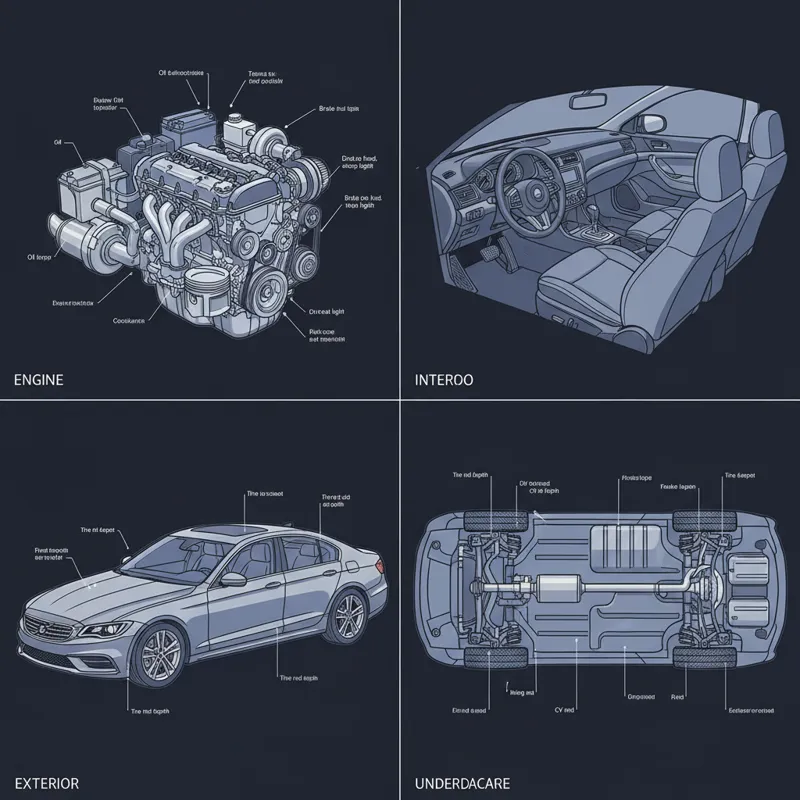
A truly effective Vehicle Inspection Form breaks down the vehicle into manageable, logical sections, ensuring a methodical approach. Here’s how you can structure your ultimate checklist, complete with key points to scrutinize.
I. Exterior Assessment: The First Impression and Beyond
The exterior provides immediate clues about a vehicle’s history and overall care. Don’t just look for shine; look for honesty.
- Body Panels & Paint: Walk around the vehicle slowly, observing from different angles under good light. Look for dents, scratches, and dings. Pay close attention to inconsistencies in paint color or texture, wavy reflections, or overspray on trim, which signal previous repair work. Check panel gaps; wide or uneven gaps can indicate accident damage or poor repair quality.
- Rust: This remains a critical issue, especially in regions with road salt. Inspect wheel wells, rocker panels (the body part below the doors), door bottoms, trunk seams, and around the windshield and rear window. Surface rust is one thing; bubbling paint or holes indicate deeper, more serious corrosion.
- Lighting: Test all lights: headlights (high and low beams), tail lights, brake lights (including the third high-mount brake light), turn signals, parking lights, and fog lights. Check for cracked lenses, moisture condensation inside the housings, or dim/non-functional bulbs.
- Glass: Examine the windshield, side windows, and rear window for chips, cracks, or deep scratches. Small chips can spread. Ensure all windows operate smoothly up and down, and that the defroster elements on the rear window are intact. Check the condition of wiper blades for tears or stiffness.
- Mirrors: Inspect side mirrors for cracks or damage. Test power mirror adjustments if equipped.
- Tires: Assess tread depth across the entire width of each tire (a quarter placed into a groove should obscure Abraham Lincoln’s head at minimum). Look for uneven wear patterns (e.g., more wear on one edge) which can indicate alignment issues, worn suspension components, or improper inflation. Examine sidewalls for bulges, cuts, or cracks (dry rot). Ensure all four tires match in brand and type. Don’t forget the spare tire, its pressure, and the condition of the jack and tools.
- Wheels: Inspect rims for curb rash, bends, cracks, or excessive corrosion. Ensure all lug nuts are present and appear secure.
II. Interior Comfort and Functionality: Where You’ll Spend Your Time
The interior dictates your daily experience. Its condition reflects how the car was lived with.
- Seating: Check for tears, excessive wear, stains, or burns on upholstery. Test all seat adjustments (forward/back, recline, height, lumbar). If heated/cooled seats are present, verify their function.
- Dashboard & Controls: Power on the vehicle. Observe if all warning lights (Check Engine, ABS, Airbag, TPMS, Oil Pressure, Battery) illuminate briefly and then extinguish as they should. Look for any persistent warning lights. Test all gauges. Operate the infotainment system, navigation, and Bluetooth.
- HVAC System: Turn the fan through all speeds. Test both heating and air conditioning (ensure cold air blows promptly). Direct airflow through all vents. Listen for unusual noises.
- Electronics: Test all power windows, door locks, power mirrors, sunroof/moonroof operation, and the horn. Verify functionality of USB ports, 12V outlets, and any other charging points.
- Pedals: Examine the wear on the brake, accelerator, and clutch pedals. Excessive wear can correlate with high mileage. Check for smooth operation.
- Steering Wheel: Look for excessive wear on the steering wheel material. Test the horn. Ensure the steering wheel adjusts properly (tilt/telescopic).
- Seatbelts: Pull each seatbelt out fully to check for fraying or cuts. Ensure they retract smoothly and that the buckles latch securely.
- Odors: Note any persistent smells like smoke, mold, mildew (especially under floor mats), or unusual chemical or burning odors.
- Interior Trim: Check headliner for sags, stains, or tears. Inspect door panels, console, and glove box for damage or missing pieces.
III. Under the Hood: The Heart of the Machine
This is where the serious mechanical issues often lurk. A clean engine bay is a good sign, but don’t let it hide fresh leaks.
- Fluids:
- Engine Oil: With the engine warm and off for a few minutes, pull the dipstick. Check level and color (should be amber/brown, not black and sludgy). Feel consistency (shouldn’t be gritty).
- Coolant: Check the level in the reservoir. Note the color (green, orange, pink, blue – should be clean, not rusty or sludgy). Never open a hot radiator cap.
- Brake Fluid: Check level in the reservoir. Should be clear, not dark or cloudy.
- Power Steering Fluid: Check level.
- Transmission Fluid: If accessible via dipstick (some modern vehicles are sealed), check level and color. Should be red/pink and transparent, not brown or burnt-smelling.
Look for any signs of leaks around fluid reservoirs, hoses, or beneath the engine.
- Battery: Check terminals for corrosion. Ensure the battery is securely mounted. Note the battery’s age (usually on a sticker). A weak battery can cause various electronic issues.
- Belts and Hoses: Inspect all visible belts (serpentine, timing belt cover if visible) for cracks, fraying, or excessive wear. Squeeze hoses to check for hardness, softness, or bulging. Look for leaks around hose connections.
- Air Filter: Open the airbox and visually inspect the air filter. A clean filter is light in color; a dirty one will be dark and clogged with debris.
- Radiator: Check the front of the radiator for bent fins or signs of leaks.
- Engine Bay Cleanliness: While a perfectly spotless engine bay can sometimes hide fresh leaks, excessive grime, oil residue, or evidence of rodent nests are red flags.
IV. The Undercarriage and Suspension: What Lies Beneath
Often overlooked, the underside can reveal extensive problems, especially in areas prone to harsh weather or off-road use.
- Exhaust System: Inspect the entire exhaust pipe, muffler, and catalytic converter for significant rust, holes, cracks, or loose hangers. Listen for rattles. Be aware that modifications like high flow catalytic converters are aftermarket parts, and while they can enhance performance, their legality and emissions compliance vary by state.
- Suspension Components: Look at the shocks and struts for fluid leaks (oily residue on the strut body). Press down firmly on each corner of the vehicle; if it bounces more than once or twice, the shocks may be worn. Inspect coil springs for breaks or severe rust. Check control arms, bushings (rubber components connecting parts), and ball joints for cracks, tears, or excessive play.
- Steering Components: With the vehicle off and the wheels on the ground, try to rock the steering wheel back and forth slightly. Excessive play can indicate worn tie rods or other steering linkages.
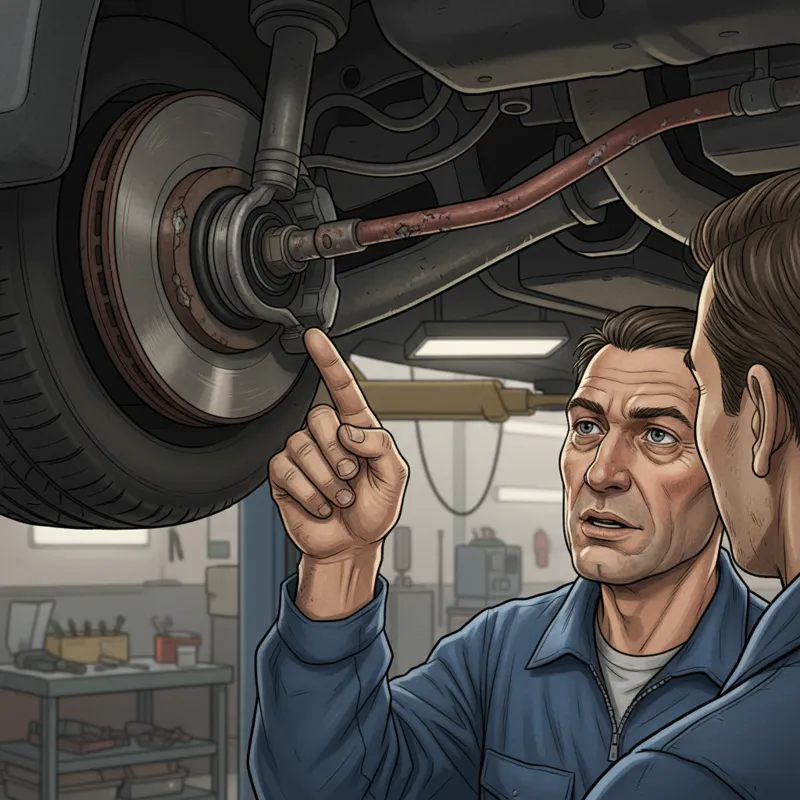
- Brakes: Visually inspect brake pads (look for thickness, typically >3mm). Check rotors for deep grooves, scoring, or a significant rust lip on the edge. Examine brake calipers for leaks and brake lines for corrosion, kinks, or damage.
- Frame: If possible, get under the car (safely!) or use a lift. Look for bends, cracks, or significant rust on the frame rails. Evidence of previous accident repair, like new welds or mismatched undercoating, can indicate structural damage.
- Driveshafts/CV Joints: On front-wheel drive or all-wheel drive vehicles, inspect the rubber boots on the Constant Velocity (CV) joints for tears or grease leaks. Torn boots allow dirt and moisture in, leading to joint failure.
V. Road Test: The Dynamic Evaluation
No inspection is complete without driving the vehicle. This reveals how all components work together under load.
- Starting: Does the engine crank easily and start quickly? Listen for any unusual noises (grinding, squealing).
- Acceleration: Does the vehicle accelerate smoothly without hesitation or loss of power? Listen for unusual engine noises under load.
- Braking: Brake firmly from various speeds. Does the car stop in a straight line without pulling to one side? Is there any pulsation in the pedal (often warped rotors) or grinding noises (worn pads)?
- Steering: Does the car track straight without constant correction? Is there excessive play in the steering wheel? Are there any clunking or groaning noises during turns?
- Transmission: For automatics, shifts should be smooth and timely, without harsh jerks or slipping (revs climbing without corresponding speed increase). For manuals, the clutch should engage smoothly, and gears should shift without grinding or excessive effort.
- Suspension: Drive over bumps and rough patches. Listen for clunks, rattles, or excessive bouncing. The ride should feel composed.
- Warning Lights: Pay close attention to the dashboard during the drive. Do any warning lights illuminate unexpectedly?
- Cruise Control: If equipped, test its functionality.
Things People Usually Miss on a Vehicle Inspection Form
Even experienced individuals can overlook small details that turn into big problems. Here are some commonly missed items:
- HVAC Drain Clogs: A clogged air conditioning drain can cause water to back up and accumulate inside the cabin, leading to mold, mildew, and electrical issues. Look for damp carpets or a musty smell that isn’t readily apparent.
- Slow Seatbelt Retraction: While checking for fraying, also ensure seatbelts retract quickly and fully. A slow retractor can be a safety hazard and is a common sign of age or wear.
- Documentation and Service History: Beyond the physical inspection, ask for service records, recall completion proofs (you can check recalls on the NHTSA website using the VIN), and the owner’s manual. A well-documented history is invaluable.
- All Keys and Fobs: Modern car keys, especially smart fobs, are expensive to replace. Ensure all original keys are present and fully functional. Replacing a single key fob can cost hundreds of dollars.
- Underbody Plastic Shields/Splash Guards: These plastic components protect vital engine and suspension parts from road debris and water. They are often damaged or improperly reinstalled after maintenance, leading to potential future damage to exposed components.
- Power Door Lock Actuators: Test each door multiple times, both manually and with the remote. Sometimes they work intermittently before failing completely.
- Fuel Door Release: Test the fuel door release mechanism. While minor, a broken one is an annoyance and can be a sign of neglect.
Leveraging Technology: Digital Vehicle Inspection Forms in 2026
Paper inspection forms are rapidly becoming a relic. In 2026, digital Vehicle Inspection Forms, often accessed via dedicated mobile apps or web platforms on tablets, offer significant advantages:
- Photo and Video Integration: Instantly attach visual evidence of issues. This provides undeniable proof of condition and is excellent for transparency.
- Timestamping and Geo-tagging: Automatically record when and where an inspection was performed, adding a layer of credibility.
- Cloud Storage: Keep all inspection reports securely stored and easily accessible from anywhere, eliminating lost paperwork.
- Standardized Reporting: Digital forms enforce a consistent process, ensuring every point is covered every time, regardless of who performs the inspection.
- Easy Sharing: Quickly email or share reports with potential buyers, mechanics, or insurance companies, streamlining communication.
- Data Analytics: For fleet managers or dealerships, digital forms can provide insights into common issues, maintenance trends, and technician performance.
The Financial Angle: How a Thorough Inspection Impacts Your Wallet
The time and effort invested in a comprehensive vehicle inspection pays dividends. It’s an investment in your financial well-being and peace of mind.
- Avoiding Costly Post-Purchase Repairs: The most immediate benefit for a buyer is uncovering pre-existing problems. An engine light that was mysteriously off, worn brakes, or a leaky transmission can easily cost hundreds or thousands to fix. Identifying these upfront saves you from inheriting someone else’s problems.
- Negotiating Leverage: Armed with a detailed Vehicle Inspection Form outlining necessary repairs, you gain significant leverage in price negotiations. You can quantify the cost of repairs and adjust your offer accordingly. This knowledge is power in a transaction. For instance, if you’re exploring different financing options, understanding your potential repair costs impacts how much you can comfortably allocate towards payments, perhaps influencing your use of a car loan payoff calculator to see your true total cost.
- Long-Term Maintenance Planning: For current vehicle owners, regular, thorough inspections help you budget for upcoming maintenance. You can plan for tire replacements, brake jobs, or suspension work before they become urgent, allowing you to shop for parts or services more strategically. This proactive approach minimizes unexpected breakdowns and often saves money compared to emergency repairs.
- Maintaining Resale Value: A well-maintained vehicle with a documented history of regular inspections and timely repairs will always command a higher resale value. You can confidently present your detailed inspection reports to future buyers, demonstrating the care you’ve given the vehicle.
When to Call a Pro: The Pre-Purchase Inspection (PPI)
While your detailed Vehicle Inspection Form empowers you to perform a robust DIY assessment, there are definitive situations where engaging a professional, independent mechanic for a Pre-Purchase Inspection (PPI) is not just recommended, but essential. Your DIY inspection provides a solid baseline and can filter out obvious issues. However, a professional PPI goes several layers deeper:
- Specialized Tools: Mechanics have access to diagnostic scan tools that can read fault codes from the vehicle’s many computer modules, even if a warning light isn’t currently illuminated. They can detect intermittent issues or pending codes that your eyes can’t see.
- Lift Access: A professional shop can hoist the vehicle on a lift, allowing for a thorough, unhindered examination of the undercarriage, exhaust system, suspension components, brake lines, fluid leaks, and frame integrity. This is almost impossible to do safely and effectively at home.
- Expertise: Mechanics are trained to spot subtle signs of damage, wear, or impending failure that an untrained eye might miss. They understand common issues for specific makes and models and can interpret anomalies accurately. For instance, they might quickly identify specific noises from a CV joint or interpret the significance of specific fluid colors.
- Objectivity: An independent mechanic has no vested interest in the sale, providing an unbiased assessment of the vehicle’s true condition.
Always choose a reputable mechanic with good reviews for a PPI. It’s a small upfront cost that can save you thousands down the road. Use your detailed Vehicle Inspection Form as a discussion point with the mechanic, highlighting areas of particular concern you might have identified.
Frequently Asked Questions About Vehicle Inspections
How long does a typical comprehensive vehicle inspection take?
A thorough DIY inspection following a comprehensive Vehicle Inspection Form can take anywhere from 1 to 2 hours, depending on your familiarity with cars and the level of detail you apply. A professional Pre-Purchase Inspection (PPI) by a mechanic typically takes 1.5 to 3 hours, as they often use specialized equipment and diagnostic tools.
What should I bring to an inspection?
For a DIY inspection, bring your printed Vehicle Inspection Form, a flashlight, tire pressure gauge, a rag, and possibly a quarter for tread depth checks. If you’re inspecting a vehicle to buy, bring the seller’s documentation, like the title, service records, and VIN.
Can I use a Vehicle Inspection Form for commercial vehicles?
While the fundamental principles apply, commercial vehicles (trucks, vans, fleet vehicles) often have much stricter regulatory requirements and specialized inspection forms. These forms typically focus on areas like brake system integrity for heavy loads, DOT compliance, and specific safety equipment unique to commercial operations. Your detailed personal vehicle form provides a good foundation, but it’s not a substitute for industry-specific compliance forms.
What’s the difference between a safety inspection and a comprehensive inspection?
A safety inspection (often mandated by states for registration) focuses primarily on components directly affecting road safety: brakes, tires, lights, steering, horn, wipers, and emissions (where applicable). A comprehensive inspection, guided by a detailed Vehicle Inspection Form, goes far beyond, evaluating the overall mechanical, cosmetic, and functional condition of the entire vehicle, including less safety-critical but financially significant areas like interior electronics, accessory functions, and potential maintenance issues.
How often should I perform a routine inspection?
Beyond specific maintenance intervals, you should perform a basic visual inspection (tires, fluids, lights) monthly. A more comprehensive check using your Vehicle Inspection Form is advisable twice a year (e.g., spring and fall) or every 5,000 to 7,500 miles, aligning with oil change intervals. This proactive approach helps catch minor issues before they escalate.
In 2026, owning or buying a vehicle without a systematic inspection process is an unnecessary risk. A well-structured Vehicle Inspection Form is your shield against unexpected repairs, your leverage in negotiations, and your roadmap to maintaining a reliable, safe, and valuable asset. By understanding what to look for, where to look, and when to call in a professional, you empower yourself to make intelligent decisions. Take the time to implement this crucial tool, and you’ll drive forward with confidence and peace of mind.