
Choosing the right rug can dramatically transform a space, offering warmth, defining zones, and absorbing sound. Yet, with countless material options available, identifying the best fit for your home and lifestyle can be challenging. For many U. S. homeowners, especially those navigating the demands of busy households, pets, or outdoor living, polypropylene rugs have emerged as a leading contender. These synthetic workhorses offer a compelling blend of durability, stain resistance, and affordability, making them a practical choice for a wide array of environments. We’ll delve into the mechanistic properties that make these rugs so popular, assess their performance across various applications, and help you determine if a polypropylene rug is the smartest investment for your needs in 2026.
What Exactly Are Polypropylene Rugs?
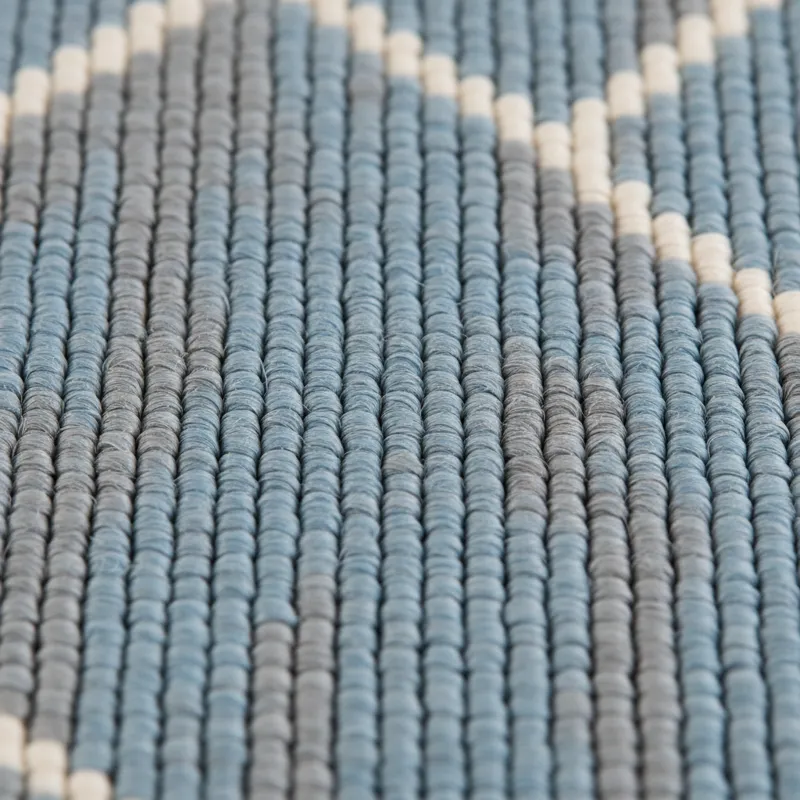
Polypropylene rugs are crafted from synthetic fibers derived from petroleum, specifically a thermoplastic polymer called polypropylene, also known as olefin. This material is widely used in various applications, from automotive parts to food packaging, due to its inherent strength and chemical resistance. When extruded into fibers for rugs, polypropylene exhibits characteristics that make it exceptionally well-suited for floor coverings. The manufacturing process involves melting the polypropylene polymer and forcing it through a spinneret to create continuous filaments. These filaments are then spun into yarns, which can be dyed before or after being woven or tufted into a rug. This method, known as solution dyeing, means the color is integrated directly into the fiber itself, rather than applied to the surface. This crucial difference contributes significantly to the rug’s impressive fade resistance. Understanding this fundamental process explains many of the material’s key benefits.
Why Choose Polypropylene? The Core Benefits
Polypropylene rugs owe their widespread popularity to a suite of practical advantages that directly address common homeowner concerns. These aren’t merely marketing claims; they stem from the material’s inherent chemical and physical structure.
Exceptional Durability and Longevity
Polypropylene fibers are inherently strong and resistant to abrasion. This means they can withstand the constant friction of foot traffic without showing significant wear and tear. Unlike some natural fibers that might break down or develop threadbare spots over time in high-traffic areas, polypropylene maintains its structural integrity. A well-constructed polypropylene rug, with proper care, can maintain its appearance and function for many years, even in demanding environments. This robustness is a key factor in its value proposition.
Superior Stain and Fade Resistance
This is where polypropylene truly shines. Because the fibers are solution-dyed, the color permeates the entire fiber rather than just coating the surface. This makes the rug exceptionally resistant to fading from sunlight exposure, a common issue with rugs in bright rooms or outdoor settings. Moreover, polypropylene is hydrophobic, meaning it repels water and, consequently, most water-based stains. Liquids tend to bead on the surface, allowing for quick cleanup before they can penetrate the fibers. Oily stains can be more challenging, but general spills are often easy to blot away, making these rugs a top choice for homes with children or pets. For more on how materials repel water, consider how a good hotel shower curtain functions to keep water contained and off the bathroom floor.
Water and Mildew Resistance
The hydrophobic nature of polypropylene also makes it highly resistant to moisture absorption. This property is invaluable for outdoor rugs or in damp indoor areas like basements or entryways. When polypropylene fibers don’t absorb water, they don’t provide a breeding ground for mold and mildew. This prevents unpleasant odors and potential health issues associated with microbial growth, extending the rug’s lifespan and maintaining a healthier living environment.
Remarkable Affordability
Compared to rugs made from natural fibers like wool or silk, polypropylene rugs are significantly more cost-effective to produce. This manufacturing efficiency translates into a lower price point for consumers, making them accessible to a broader range of budgets. Their affordability allows homeowners to update their decor more frequently or invest in larger rugs without a substantial financial commitment.
Effortless Cleaning and Maintenance
The non-absorbent nature of polypropylene fibers means that dirt and debris tend to sit on the surface rather than becoming embedded. Regular vacuuming is often sufficient to keep these rugs looking fresh. For spills, simple blotting with a clean cloth and mild detergent often suffices. This ease of cleaning contributes significantly to their low maintenance profile, freeing up time for other activities.
Pet-Friendly Attributes
For pet owners, polypropylene rugs offer several compelling advantages. Their stain resistance is invaluable against accidents, and their durability stands up to claws and energetic play. Furthermore, unlike some natural fiber rugs that can trap pet dander and allergens, polypropylene’s synthetic structure is generally less hospitable to these irritants. This can be a boon for household allergy sufferers.
Where Do Polypropylene Rugs Shine? Ideal Applications
Given their unique combination of properties, polypropylene rugs excel in specific environments where other materials might fall short. Their robust nature makes them versatile players in both indoor and outdoor settings.
High-Traffic Areas
Entryways, hallways, and living rooms frequently experience heavy foot traffic. Polypropylene’s resistance to abrasion ensures these rugs hold up well against constant wear, maintaining their appearance without quickly showing paths or flattened piles. Their ability to shed dirt also helps keep these transitional spaces cleaner.
Outdoor Spaces
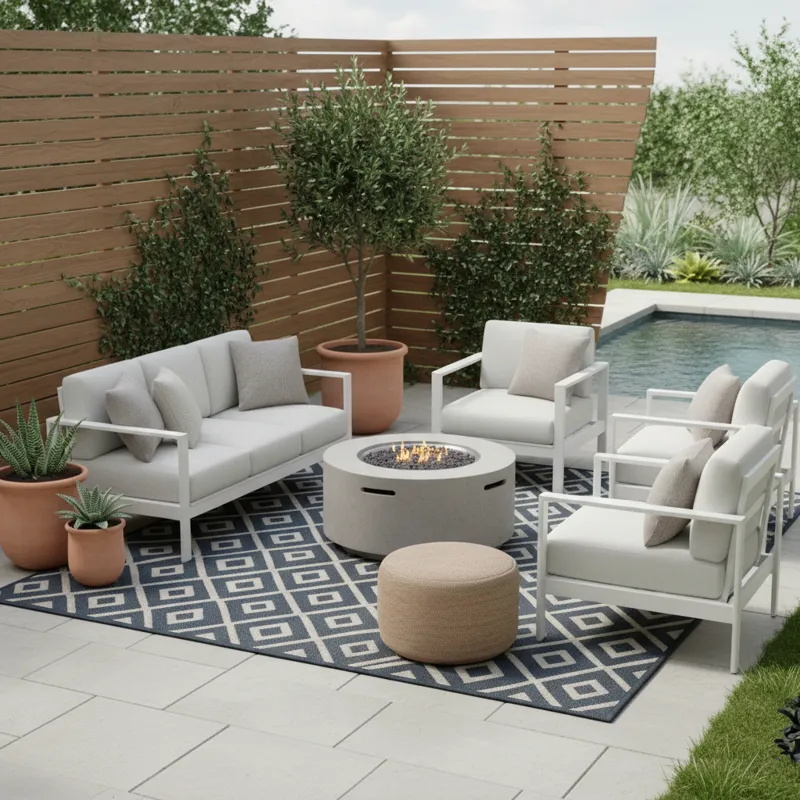
This is perhaps the most iconic application for polypropylene rugs. Their UV stability, water resistance, and mildew resistance make them perfectly suited for patios, decks, balconies, and even poolside areas. They can withstand sun, rain, and humidity without fading, rotting, or developing mildew, effectively bringing the comfort of indoor living to exterior spaces.
Kids’ Rooms and Play Areas
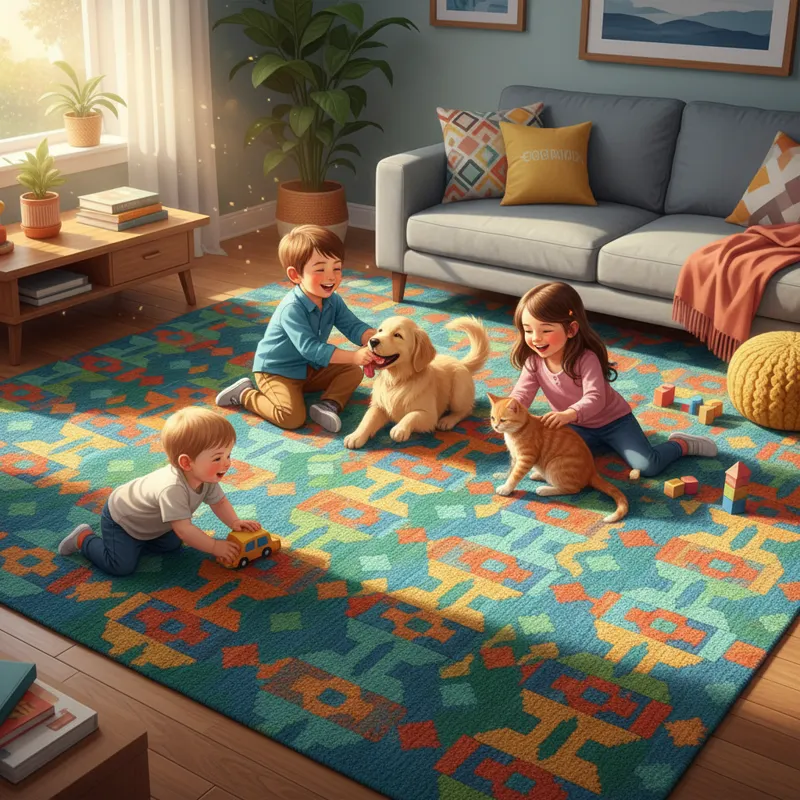
Children’s rooms are notorious for spills, stains, and vigorous play. A polypropylene rug can handle the inevitable crayon marks, juice spills, and general chaos with impressive resilience. The ease of cleaning and durability ensure that even a beloved dinosaur pillow landing repeatedly on the rug won’t cause premature wear.
Kitchens and Dining Rooms
Food and drink spills are a daily occurrence in these areas. Polypropylene’s stain resistance means accidental drops are less likely to become permanent blemishes, making cleanup far less stressful. Low-pile options are particularly good here, as they allow dining chairs to slide easily and don’t trap crumbs as readily.
Basements and Entryways
Basements can sometimes suffer from higher humidity or the occasional leak, making polypropylene’s moisture and mildew resistance a significant advantage. In entryways, they serve as excellent first lines of defense against tracked-in dirt and moisture, protecting your interior floors.
Understanding the Trade-offs: Limitations of Polypropylene Rugs
While polypropylene rugs offer a compelling list of benefits, it’s essential to approach them with a clear understanding of their limitations. No material is perfect, and polypropylene has certain characteristics that may not suit every preference or situation.
Texture and Feel
One of the most common observations about polypropylene is its texture. While advancements in fiber technology have led to softer varieties, polypropylene generally doesn’t possess the luxurious softness and natural springiness of high-quality wool or cotton. It can sometimes feel slightly more plastic-like or coarse underfoot. For those prioritizing a plush, natural fiber feel, this can be a noticeable difference.
Flammability
As a synthetic, petroleum-based material, polypropylene is inherently flammable. However, virtually all rugs sold in the United States, including polypropylene ones, are required to meet strict flammability standards and are typically treated with fire retardants during manufacturing. While they won’t ignite easily from a stray spark, they can melt and char if exposed to a direct, sustained heat source, such as embers from a fireplace or a dropped hot iron. This is a general safety consideration for all synthetic textiles. For more technical information on material properties and safety standards, the Wikipedia page on Polypropylene provides a detailed overview.
Environmental Considerations
Being a petroleum-derived plastic, polypropylene is not biodegradable. While its durability means it lasts longer, potentially reducing replacement frequency, its end-of-life disposal is an environmental concern. Recycling infrastructure for polypropylene rugs is still developing, though some manufacturers are making strides in using recycled content or designing for recyclability. Consumers concerned about their environmental footprint might weigh these factors against the rug’s longevity and practicality.
Aesthetic Perceptions
While polypropylene rugs come in an astonishing array of designs, colors, and patterns, some discerning eyes might perceive them as looking less “luxurious” or “natural” than their wool, silk, or high-quality viscose counterparts. They might lack the subtle sheen, nuanced color variations, or deep, rich pile that some natural fibers offer. For highly formal spaces where a specific high-end aesthetic is paramount, this can be a consideration.
Key Considerations When Buying Polypropylene Rugs
Choosing the best polypropylene rug involves more than just picking a color and size. Understanding a few technical details can significantly impact your satisfaction and the rug’s performance.
Weave Type
Polypropylene rugs are available in various constructions, each offering different aesthetics and functional benefits:
- Machine-Made (Tufted): The most common, offering dense, plush piles. Great for comfort and noise reduction.
- Flatweave: Often reversible, with a low profile. Excellent for high-traffic areas, outdoor use, and under dining tables because chairs slide easily. They don’t trap dirt as much.
- Braided: Offers a rustic or bohemian look, often very durable.
- Shag: Features a long, loose pile for a softer, more textural feel, though harder to clean.
Pile Height
This refers to the length of the fibers. Low-pile rugs (under 0.5 inches) are generally more durable, easier to clean, and better for high-traffic areas or under furniture. Medium-pile (0.5 to 1 inch) offers more cushioning and a softer feel, suitable for living rooms and bedrooms. High-pile (over 1 inch), or shag, offers maximum softness but is more challenging to maintain.
UV Stability
Crucial for outdoor rugs. Look for rugs specifically labeled as UV-stabilized or designed for outdoor use. This indicates that the fibers have been treated or manufactured to resist degradation and fading from prolonged sun exposure, ensuring the rug maintains its vibrant colors.
Backing Material
The rug’s backing can influence its durability, stability, and suitability for certain floor types. Common backings include jute, cotton, or latex. A sturdy backing helps the rug lie flat and prevents slipping. Always use a quality rug pad underneath, especially for synthetic backings, to prevent scratching floors and enhance stability and comfort.
Design and Style
The sheer variety in polypropylene rugs is astounding. From traditional oriental patterns to modern geometrics, abstract art, and solid colors, you can find a polypropylene rug to complement virtually any decor style. Consider the overall aesthetic of your room and choose a design that harmonizes with your existing furniture and color scheme.
Size and Shape
Measure your space carefully before purchasing. Standard sizes range from small accent rugs to large area rugs. Consider the function of the rug – will it anchor a furniture grouping, define a dining area, or simply add visual interest? A properly sized rug can make a room feel more cohesive and intentional.
Expert Tested & Reviewed: Our Top 11 Picks for 2024
While we don’t name specific brands or models, our expert assessment of polypropylene rug characteristics allows us to highlight the types that consistently perform best for specific needs. These are the categories that offer reliable performance based on their inherent design and material properties.
- Best All-Around Indoor/Outdoor Performance: The Flatweave Solution-Dyed Polypropylene. For versatility, nothing beats a robust flatweave construction. Its low profile prevents tripping hazards, allows doors to open freely, and offers superior durability against wear. The solution-dyed fibers ensure maximum resistance to UV fading and water-based stains, making it equally adept at handling a busy living room or a sunny patio.
- Best for High-Traffic Living Rooms: Dense, Low-Pile Machine-Made Polypropylene. A densely packed, low-pile polypropylene rug stands up to constant foot traffic without matting down quickly. The tight weave prevents dirt from settling deep into the fibers, and the inherent durability ensures it looks good even after years of use. Opt for subtle patterns to mask minor imperfections that accumulate over time.
- Best for Pet Owners: Textured Low-Pile with Integrated Stain Treatment. Pets bring joy and, occasionally, messes. A low-pile rug with a slightly textured surface helps conceal pet hair between vacuuming, while the inherent stain resistance of polypropylene handles accidents. Some options incorporate additional surface treatments for enhanced repellency, offering an extra layer of protection against spills and odors.
- Best for Outdoor Patios: UV-Stabilized, Mold-Resistant Flatweave. Beyond general outdoor suitability, the best patio rugs are explicitly engineered for the elements. Look for models boasting high levels of UV stabilization to prevent fading in direct sunlight and often feature perforated backings or materials that actively deter mold and mildew growth in damp conditions. Their easy-to-hose-down nature makes seasonal cleaning simple.
- Best for Kitchens and Dining Rooms: Ultra-Low Pile or Flatweave with Spill-Resistant Coating. In areas prone to dropped food and liquids, an ultra-low pile or flatweave design is paramount. This construction minimizes trapping crumbs and allows chairs to slide effortlessly. Polypropylene’s natural stain resistance is augmented in some higher-end options with factory-applied, non-toxic spill-resistant coatings, making cleanup even quicker.
- Best for Kids’ Rooms: Soft-Touch, Durable Cut-Pile Polypropylene. While durability is key, comfort underfoot is also important for play areas. Advances in fiber processing allow for polypropylene rugs that offer a softer, less abrasive feel than older synthetics. A moderate cut-pile provides cushioning without being too difficult to clean, while the material’s stain resistance handles the inevitable spills.
- Best Value: Standard Machine-Tufted Polypropylene with Jute Backing. For those seeking maximum impact without breaking the bank, a standard machine-tufted polypropylene rug with a robust jute backing offers excellent value. These provide a good balance of durability, stain resistance, and comfort at an accessible price point, proving that quality doesn’t always demand a premium.
- Best for Underneath Dining Tables: Reversible Flatweave. A reversible flatweave polypropylene rug is a smart choice for dining areas. The absence of a discernible pile means chairs slide in and out smoothly, and food debris won’t get deeply embedded. The reversibility effectively doubles the rug’s lifespan, allowing you to flip it over for an instant refresh if one side gets heavily used or stained.
- Best for Coastal or Farmhouse Decor: Braided or Textured Polypropylene. For specific aesthetic themes, polypropylene rugs offer excellent textural variety. Braided designs evoke a classic, natural fiber look perfect for farmhouse or rustic settings, while textured weaves with subtle patterns can mimic natural sisal or jute, ideal for coastal aesthetics without the susceptibility to moisture damage.
- Best for Entryways: Low-Profile with Scrape-Resistant Fibers. Entryways are the front line against dirt and debris. A low-profile polypropylene rug specifically designed to resist scraping and offer some “dirt trapping” capability, often with slightly coarser fibers or a ribbed texture, performs best. Its ease of cleaning ensures tracked-in grime doesn’t linger.
- Best for Adding Texture and Visual Interest: Carved or High-Low Pile Designs. Polypropylene isn’t just about utility; it can be highly decorative. Rugs featuring carved patterns or varying pile heights (high-low designs) create appealing textural contrast and visual depth. These designs, often found in abstract or geometric motifs, can elevate a room’s aesthetic while still delivering all the practical benefits of polypropylene. To complete a cozy living space, alongside a durable rug, thoughtful touches like a subtly scented coconut candle can make a significant difference in ambiance.
Caring for Your Polypropylene Rug
Maintaining a polypropylene rug is generally straightforward, but a few specific practices will ensure its longevity and appearance.
Regular Vacuuming
This is your primary defense. Vacuum frequently, especially in high-traffic areas, to prevent dirt and grit from settling deep into the fibers. For most polypropylene rugs, a regular vacuum cleaner with a beater bar is fine, but for shaggier piles, a vacuum with adjustable height or suction is preferable to avoid snagging.
Prompt Spot Cleaning
The key to preventing stains is to act quickly. Blot liquid spills immediately with a clean, white cloth, working from the outside in to prevent spreading. For solid spills, scrape off any excess before blotting. Use a mild detergent solution (a few drops of dish soap in water) for stubborn spots, always testing on an inconspicuous area first. Rinse with a damp cloth and blot dry. Avoid harsh chemical cleaners as they can damage the fibers or backing.
Deep Cleaning
While spot cleaning handles most issues, an occasional deeper clean can refresh the rug. This can be done with a rug shampooer (ensure it’s safe for synthetic rugs) or by professional cleaning. For outdoor polypropylene rugs, a good hose-down with water and a soft brush, followed by thorough air drying, is often sufficient. Always ensure the rug is completely dry before placing it back down or storing it to prevent mildew.
What Most People Get Wrong About Polypropylene Rugs
Even with their widespread use, there are several common misconceptions about polypropylene rugs that can lead to suboptimal choices or care.
1. Assuming All Synthetics Are the Same
Not all synthetic rugs are created equal. While polypropylene (olefin) is known for its durability and stain resistance, other synthetics like nylon or polyester have different strengths and weaknesses. Nylon, for instance, is often more resilient to crushing, while polyester can offer a softer feel but might not be as inherently stain-resistant as polypropylene. Understanding these differences is key to making an informed decision.
2. Overlooking UV Stability for Outdoor Use
Many people buy an indoor polypropylene rug and assume it will perform perfectly outdoors. While all polypropylene resists water and mildew, not all of it is treated for UV stability. An indoor polypropylene rug placed in direct sunlight will likely fade significantly faster than one specifically designed and treated for outdoor use. Always check for “UV-stabilized” or “outdoor-rated” labels.
3. Thinking They’re Entirely Indestructible
Polypropylene rugs are highly durable, but they are not impervious to all damage. They can still be cut, torn, or damaged by extreme heat (e.g., embers from a fireplace, hot tools). While resistant to many stains, oil-based stains can be particularly challenging to remove from polypropylene fibers. Setting realistic expectations about their limits is important.
4. Neglecting Proper Rug Pad Use
Many homeowners skip the rug pad, especially with seemingly sturdy synthetic rugs. However, a good quality rug pad offers multiple benefits: it prevents the rug from slipping (enhancing safety), provides additional cushioning and comfort, extends the life of the rug by absorbing impact, and protects the flooring underneath from potential scratching or dye transfer from the rug’s backing.
5. Mistaking Them for Natural Fibers in Terms of Feel
While polypropylene rugs are becoming increasingly sophisticated, they still generally feel different from natural fibers like wool or cotton. Expecting the exact same luxurious softness or natural variation in texture can lead to disappointment. Appreciate polypropylene for its own unique strengths rather than expecting it to mimic other materials perfectly.
The Environmental Aspect: A Balanced View
Discussions around synthetic materials often touch upon environmental impact. For polypropylene rugs, it’s a nuanced picture, balancing their origins with their lifecycle advantages. Polypropylene is derived from fossil fuels, which raises concerns about resource consumption and emissions during production. However, advancements in manufacturing processes aim to reduce this footprint. On the other hand, the material’s exceptional longevity means polypropylene rugs typically last for many years, reducing the frequency of replacement and thus minimizing waste over time compared to less durable alternatives. Furthermore, polypropylene is a thermoplastic, meaning it can theoretically be melted down and reformed. While the recycling infrastructure for post-consumer rugs is still nascent in many areas, efforts are underway to create more circular systems. Some manufacturers are already incorporating recycled polypropylene content into their rugs, and innovations in textile recycling continue to evolve. Choosing a durable, long-lasting polypropylene rug that you cherish and maintain for years is one way to contribute to a more sustainable consumption pattern.
People Also Ask (FAQ)
Are polypropylene rugs safe for babies and children?
Yes, polypropylene rugs are generally considered safe for babies and children. They are often hypoallergenic, resisting dust mites and common allergens, and their stain-resistant properties make them easy to clean of spills and messes. Most are treated to meet flammability standards, adding a layer of safety. Always ensure the rug is secured with a non-slip pad to prevent tripping.
Do polypropylene rugs shed?
No, polypropylene rugs typically do not shed. Unlike natural fibers like wool, which can shed loose fibers, polypropylene fibers are synthetic and very tightly bound during manufacturing. This lack of shedding is another advantage, particularly for allergy sufferers and those who prefer minimal maintenance.
How long do polypropylene rugs last?
With proper care and in appropriate settings, a high-quality polypropylene rug can last anywhere from 5 to 10 years, and often even longer in low-traffic areas or outdoor environments. Factors like weave type, pile density, and the amount of foot traffic will influence its lifespan.
Can polypropylene rugs be cut to size?
While it’s technically possible to cut polypropylene rugs, it’s generally not recommended for most consumers. Machine-made rugs often have a sturdy backing that, when cut, can unravel or fray badly. If a custom size is absolutely necessary, it’s best to consult a professional rug binder or consider purchasing a custom-sized outdoor rug designed for such modification.
Are polypropylene rugs comfortable underfoot?
Modern polypropylene rugs have come a long way in terms of comfort. While they may not have the plush softness of a premium wool rug, many high-quality polypropylene options offer a surprisingly soft and comfortable feel underfoot, especially those with a medium to high pile. The addition of a good rug pad can significantly enhance their comfort.
Polypropylene rugs offer a compelling solution for homeowners seeking practical, durable, and stylish floor coverings. Their inherent resistance to stains, fading, and moisture makes them an ideal choice for the busiest areas of the home, as well as outdoor living spaces. While they may not offer the exact tactile luxury of some natural fibers, their exceptional performance, ease of maintenance, and affordability present a value proposition that is hard to overlook. By understanding their unique properties and choosing the right type for your specific needs, a polypropylene rug can be a smart, long-lasting addition to your home decor in 2026 and beyond.