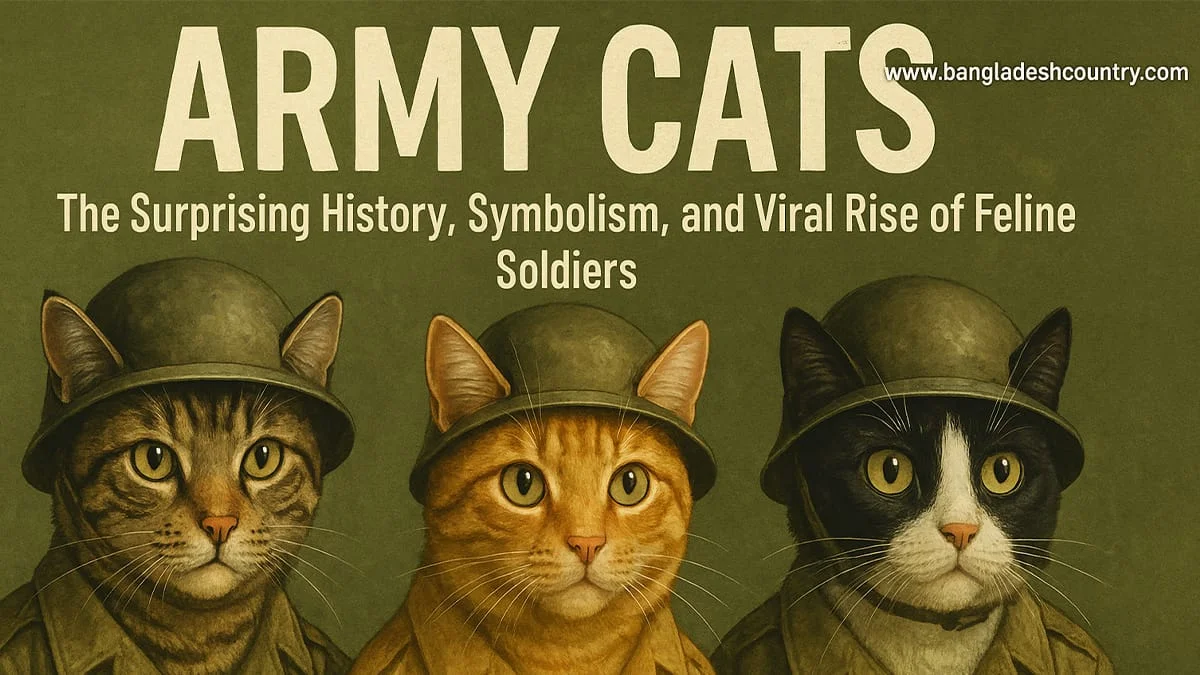
The image of a grizzled soldier sharing a quiet moment with a feline companion isn’t just a sentimental Hollywood trope; it’s a deeply ingrained reality that stretches back through centuries of military history. Far from being mere strays, cats have consistently played diverse and invaluable roles within armed forces worldwide, offering everything from practical service to profound emotional support. As we navigate 2026, it’s worth reflecting on these often-overlooked contributors to military life, understanding how these adaptable creatures became such integral parts of units, ships, and bases, leaving behind a legacy of quiet heroism and companionship.
Unmatched Pest Control Specialists: The Original Mission of Army Cats
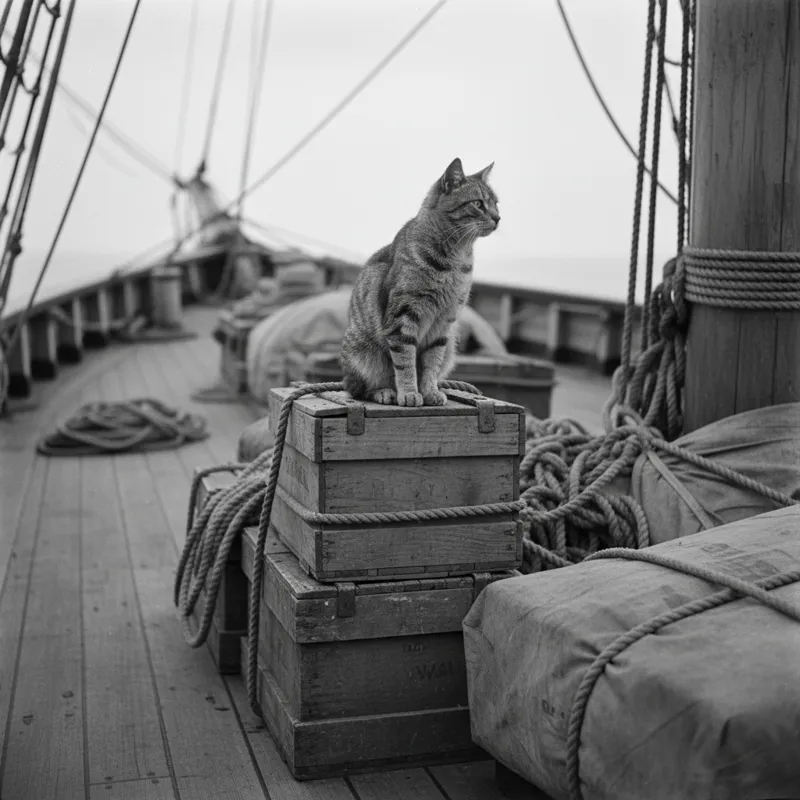
Perhaps the most universally acknowledged and enduring role of cats in military settings has been their unparalleled ability to control pest populations. This isn’t just a historical curiosity; it remains a practical necessity even in modern logistical operations. From ancient granaries supplying armies to the vast stores of provisions on naval vessels, rodents have always posed a significant threat, capable of destroying food, equipment, and spreading disease. Cats, with their natural hunting instincts, became the most effective, self-sufficient, and often affectionate solution. On warships, a competent ship’s cat was more than just a pet; it was a crucial crew member. These felines patrolled the holds, preventing rats and mice from gnawing through ropes, contaminating food, or spreading illnesses among sailors in cramped quarters. A ship free of rodents meant healthier crew members, safer supplies, and less structural damage. Their presence was so valued that some navies formally listed cats on their payrolls, ensuring they received rations alongside human sailors. This fundamental role cemented the relationship between military personnel and these resourceful animals, establishing cats as essential assets rather than mere opportunistic hangers-on. This tradition carried on for centuries, making ship’s cats a celebrated part of naval history. On land, the situation was much the same. Barracks, supply depots, and field encampments were all susceptible to rodent infestations. Army cats served as vigilant guardians of materiel, especially during prolonged conflicts where hygiene could be challenging. Their consistent presence meant fewer lost supplies and a generally more sanitary environment, a subtle but significant contribution to military readiness and troop welfare.
Vital Morale Boosters and Companions: The Emotional Anchor
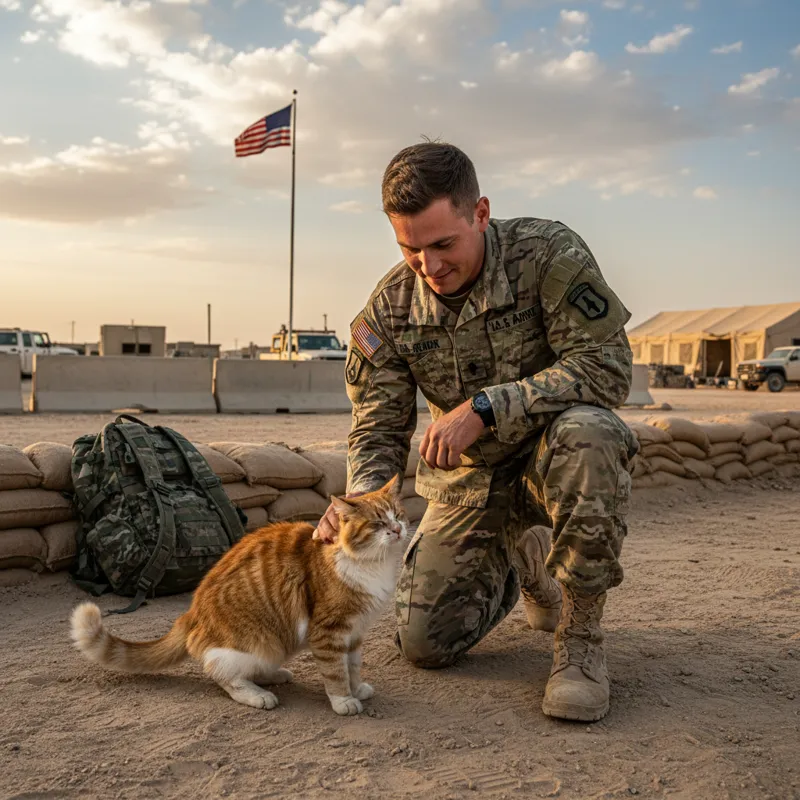
Beyond their practical pest control duties, the psychological impact of army cats on service members cannot be overstated. In environments often characterized by stress, danger, and loneliness, a cat’s calm presence and unconditional affection offered a profound sense of comfort and normalcy. Soldiers, sailors, and airmen often formed deep bonds with these animals, finding solace in their companionship. The simple act of petting a purring cat could provide a much-needed moment of peace amidst the chaos, a tangible link to home and civilian life. For many, these feline companions became confidantes, silent listeners, and a non-judgmental source of affection. They were often present during some of the most challenging periods, offering a grounding presence. This emotional support was, and continues to be, critical for maintaining morale and mental well-being within units. The bond formed between soldiers and their cats frequently transcended mere pet ownership, evolving into a mutual reliance that underscored the deep capacity for interspecies connection. This type of human-animal bond is increasingly recognized for its therapeutic benefits, even leading to discussions of support programs for military veterans and animal companions in broader contexts today. Whether a scrawny stray adopted by a platoon or a pampered mascot, these cats absorbed the anxieties of their human companions and offered unwavering loyalty. Stories abound of soldiers sharing their meager rations with their feline friends, even going to great lengths to ensure their safety. This demonstrates that for many, these cats were not just animals, but cherished members of the military family, essential for emotional resilience.
Unofficial Mascots and Symbols of Hope: Icons of Resilience
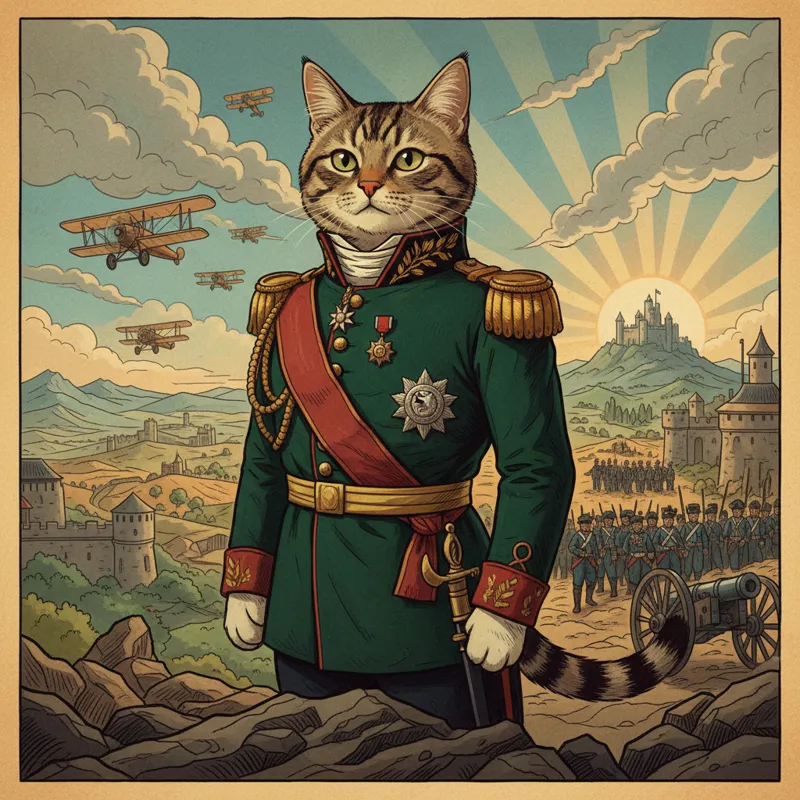
Many army cats transcended their roles as pest controllers or companions to become unofficial mascots, symbols of hope, and even minor celebrities. These felines, often adopted by specific units or ships, became embodiments of their team’s spirit, resilience, and even their luck. Their presence was a talking point, a source of pride, and a consistent morale booster. One of the most famous examples is “Unsinkable Sam” (also known as Oscar), a ship’s cat who reportedly survived the sinking of three different ships during World War II – first the German battleship Bismarck, then HMS Cossack, and finally HMS Ark Royal. While the full veracity of his story is debated, it illustrates the powerful narrative potential and legendary status that military cats could attain. These stories offered a sense of continuity and almost mythical endurance in times of extreme uncertainty. Such tales became an integral part of military folklore, passed down through generations. Beyond such legendary figures, countless other cats served as more localized mascots. They would wear miniature uniforms or badges, feature in unit photographs, and even participate in ceremonies. These cats often became the public face of their units, generating positive publicity and strengthening bonds with the civilian population back home. Their unwavering presence, sometimes a stark contrast to the human turnover, made them constants in dynamic environments. They became living symbols of continuity and a gentle reminder of the enduring spirit even in the face of adversity. This phenomenon is reflected in the enduring popularity of military mascots across all branches of service.
Catalysts for Community & Rescue Efforts: Modern Day Support Systems
In contemporary military settings, the role of army cats has evolved significantly, particularly concerning their welfare and the establishment of dedicated support programs. While pest control remains a background benefit, the focus has shifted towards the humane treatment of these animals and their profound connection to service members. This has led to the emergence of organized military cat rescue efforts and support programs on and around military bases globally. Many service members, upon being deployed or reassigned, face the heartbreaking dilemma of leaving behind the cats they’ve bonded with. Recognizing this, and the general presence of stray or community cats that naturally gravitate towards bases for food and shelter, organizations have stepped up. These groups, often run by volunteers, work to provide veterinary care, spay/neuter services, and adoption programs for base cats. Their missions range from ensuring the health of the cat population to facilitating adoptions, sometimes even helping service members bring their beloved felines home with them after deployment. These initiatives are not just about animal welfare; they also serve the military community. Knowing that the cats they care for are safe and will find loving homes provides immense relief to service members. It fosters a sense of community responsibility and compassion within the base environment. These programs have become crucial lifelines, ensuring that the human-animal bond cultivated on bases can continue, highlighting the ongoing importance of cat dental care and overall health for these animals before adoption. This demonstrates a deep commitment to the welfare of these feline companions, recognizing their past and present contributions.
Silent Witnesses and Keepers of History: A Unique Archival Presence
The presence of army cats is often meticulously, if unintentionally, documented in historical records. While they might not have formal entries in war diaries, their images frequently appear in photographs, their names in letters home, and their stories in memoirs. These appearances offer a unique, understated lens through which to view daily military life, providing a rich, often heartwarming, layer to historical narratives that might otherwise focus solely on strategy and combat. Photographs from various conflicts, stretching from World War I trenches to modern-day outposts, frequently capture service members with their feline companions. These images aren’t staged propaganda shots; they are candid glimpses into the personal lives of soldiers, revealing moments of tenderness, companionship, and shared hardship. A soldier cradling a cat, a cat curled up on a bunk, or a group photo with a feline mascot perched prominently – these visual records speak volumes about the pervasive and cherished role of these animals. Furthermore, personal accounts and letters from service members often mention their “army cats,” describing their antics, their comfort, and the solace they provided. These anecdotes, though small, contribute significantly to our understanding of the human experience of war. They illustrate how even in the most austere conditions, the need for connection and comfort endures, and how readily felines stepped into that void. The historical record, therefore, reveals cats not just as incidental creatures but as active, if silent, participants in the unfolding drama of military history, reflecting the diverse types of cats, sometimes as distinctive as a brown ragdoll cat, that could become adopted by service members. They are the quiet, furry threads woven into the fabric of military heritage.
What Most People Get Wrong About Army Cats
Many people tend to view army cats primarily through a romanticized lens, imagining them as universally pampered pets. While some certainly achieved celebrity status and received excellent care, the reality was often more nuanced. A significant portion of army cats were, and still are, community cats or strays that gravitated to bases. Their survival often depended on their wits and the kindness of individual service members rather than formal military provisions. Their existence was frequently utilitarian first (pest control) and companionship second, though the latter often quickly overshadowed the former in the hearts of soldiers. Another common misconception is that their role was purely passive. While they didn’t carry weapons or actively participate in combat (as some dogs might), their contribution to morale, hygiene, and even psychological well-being was an active, measurable impact. Their mere presence, purring on a bunk or chasing a mouse, could shift the atmosphere and help prevent tangible problems like disease spread and supply destruction. It’s also important to note that while modern pet aesthetics, perhaps epitomized by trends like cat eye gel polish for personal fashion, are a world away from the gritty reality of military life, the underlying human desire for connection and care for felines remains a constant across these disparate contexts.
Frequently Asked Questions About Army Cats
Were army cats officially recognized by military forces?
Often, no. While some navies historically listed ship’s cats for rations, formal recognition was rare, especially in ground forces. Their inclusion was typically through informal adoption by units or individual service members. Today, some bases have official policies regarding animal welfare and community cat programs, but it varies widely.
Did army cats ever wear uniforms or medals?
Some famous mascots were indeed outfitted with miniature uniforms or decorated with honorary medals, usually for ceremonial purposes or as a symbol of their unit. These were symbolic gestures rather than official military awards.
Are there still army cats on military bases today?
Absolutely. Cats continue to live on military bases worldwide, often as community cats managed by base personnel or local animal welfare organizations. Many are cared for by service members and sometimes adopted and brought to new homes after deployments. Their roles still include informal pest control and, crucially, providing companionship and stress relief.
How did cats get to military bases or ships in the first place?
Most often, cats either found their way onto ships seeking shelter and food, or they were strays that congregated around land bases, attracted by the presence of people and potential food sources. Service members would then often adopt them.
What happened to army cats when units moved or deployed?
This was, and still can be, a significant challenge. Historically, many cats were left behind. In more recent times, thanks to the efforts of military cat rescue organizations and compassionate individuals, efforts are often made to find homes for these cats or facilitate their transport to new locations with their adopting service members.
Conclusion
From the ancient holds of naval vessels to the contemporary barracks of today, army cats have etched an indelible mark on military history. Their contributions, ranging from crucial pest control to indispensable emotional support, highlight the enduring power of the human-animal bond. They stand as quiet, furry witnesses to conflicts, symbols of resilience, and unwavering companions in the face of adversity. As we look at their legacy in 2026, it’s clear that these fascinating felines are more than just animals; they are an integral part of the military family, a testament to the diverse and often surprising forms of support that sustain those who serve.
Disclaimer: The pet care information on bangladeshcountry.com is based on general internet research and is provided for informational and educational purposes only. We are independent publishers and researchers, not licensed veterinarians or animal health professionals. The content on this site is not a substitute for professional veterinary advice, diagnosis, or treatment. Always consult your veterinarian regarding your pet’s health, diet, or behavior. Reliance on this information is solely at your own risk.