The lingering, acrid stench of stale smoke in a car is more than just an unpleasant smell; it’s a deeply embedded problem that can significantly diminish your vehicle’s comfort, appeal, and even its resale value. Whether it’s from years of tobacco use, a previous owner, or even a one-time incident like a fire nearby, smoke odor penetrates porous surfaces like fabric upholstery, carpets, and the headliner, and even seeps into the ventilation system. Simply airing out the car or using air fresheners offers only a temporary disguise. To truly get rid of it, you need a systematic, multi-faceted approach. This guide will walk you through five proven ways to get smoke smell out of your car, from comprehensive DIY strategies to professional interventions, ensuring your vehicle returns to a fresh, clean state.
Understanding Smoke Odor: Why It’s So Stubborn
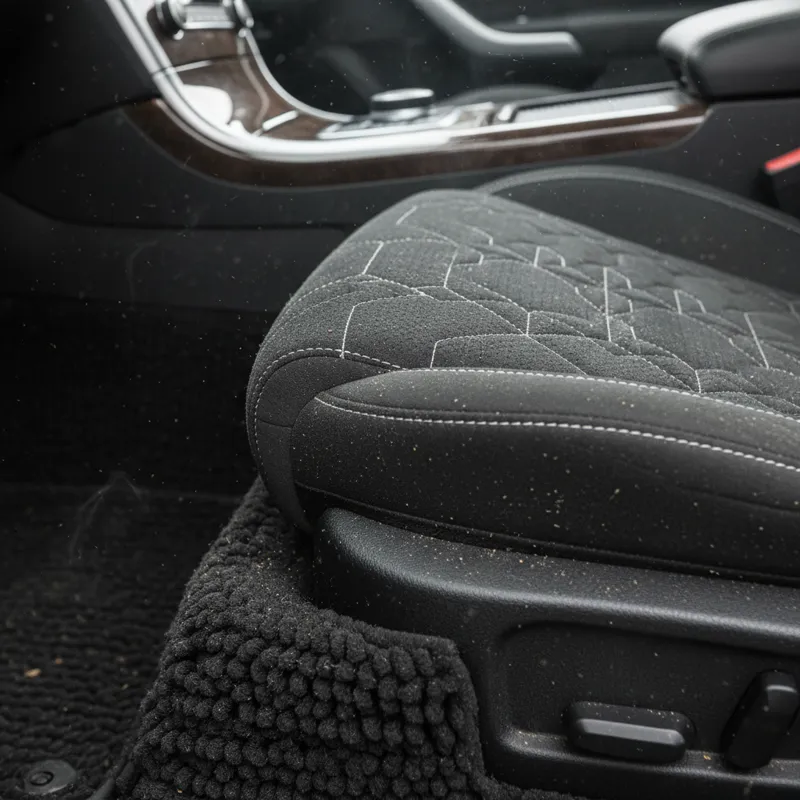
Before diving into solutions for how to get smoke smell out of car, it’s crucial to understand why this odor is so notoriously difficult to eliminate. Smoke, particularly tobacco smoke, isn’t just a gas; it’s a complex cocktail of thousands of compounds, including tar, nicotine, and various volatile organic compounds (VOCs). When these airborne particles are released, they don’t just float around; they aggressively adhere to and are absorbed by surfaces. Think of your car’s interior as a giant sponge. Fabric seats, headliners, floor mats, and even plastic and glass surfaces have microscopic pores that readily trap these smoke residues. Tar and nicotine, in particular, are sticky and oily, allowing them to bond tenaciously to materials. Over time, these compounds oxidize and break down, releasing persistent, unpleasant odors. The HVAC system also pulls these particles in, circulating them throughout the car and embedding them in the cabin air filter and ductwork, making it a source of recurring odor even after superficial cleaning.
1. The Foundation: Thorough Deep Cleaning and Deodorization (DIY)
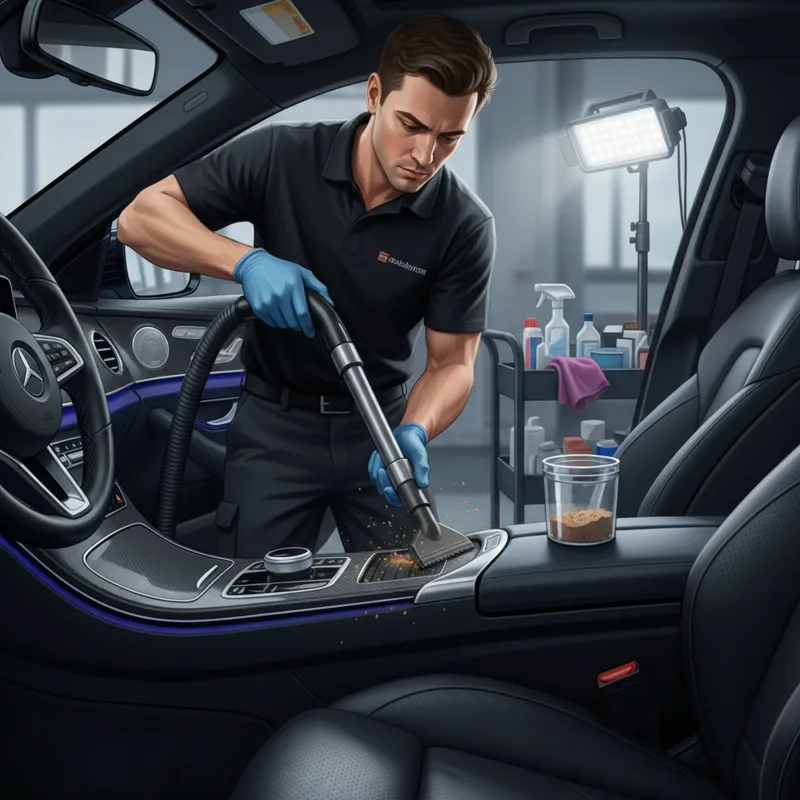
The most fundamental and often overlooked step in removing smoke smell is an exhaustive deep cleaning. This isn’t just a quick vacuum; it’s a systematic attack on every surface within the vehicle. Skipping this crucial first step makes any subsequent treatment less effective.
Initial Preparation: Clear Everything Out
First, remove absolutely everything from the car. This includes floor mats, garbage, personal belongings, and anything that isn’t bolted down. Don’t forget items stored in the glove compartment, console, and trunk, as these can also harbor odors.
Vacuum Every Cranny
Use a powerful shop vac or a dedicated car vacuum with various attachments.
- Seats and Upholstery: Vacuum thoroughly, lifting cushions where possible and getting deep into seams and under seats. Use a brush attachment to agitate fibers and release trapped particles.
- Carpets and Floor Mats: Remove all floor mats for separate cleaning. Vacuum the underlying carpet diligently. Pay attention to corners and under pedals.
- Headliner: Gently vacuum the headliner using a soft brush attachment. The headliner is extremely delicate and easily damaged, so use minimal suction and a very light touch.
- Trunk: Don’t forget to vacuum the trunk carpet and any storage areas.
Clean All Hard Surfaces
Smoke residue forms a film on hard surfaces.
- Dash and Console: Use a mild interior cleaner designed for automotive plastics and vinyl. Wipe down every knob, button, vent slat, and surface. A detailing brush can help dislodge residue from tight spots.
- Door Panels: Clean all plastic, vinyl, and leather sections of the door panels.
- Windows and Mirrors: Smoke film leaves a greasy haze on glass. Use a high-quality glass cleaner and microfiber towels, cleaning the inside of the windshield, side windows, and rear window multiple times until no streaks or film remain. This step is critical for visibility and odor reduction.
Shampoo and Extract Fabric Surfaces
This is where significant odor elimination happens.
- Upholstery and Carpets: Use an automotive upholstery cleaner or a carpet shampooer/extractor. Follow the product instructions carefully. Work in small sections, agitate the cleaner into the fabric, and then extract the dirty solution. For particularly stubborn areas, you might need to repeat this process. Ensure proper ventilation to aid drying and prevent mildew.
- Seatbelts: These often absorb a lot of odor. Pull them out fully and carefully clean them with an upholstery cleaner or a dedicated seatbelt cleaner, then allow them to air dry completely before retracting.
Addressing the Headliner: Extreme Care Required
The headliner is often a major source of trapped smoke but is very difficult to clean without causing damage (like sagging).
- For light smoke: Use a microfiber cloth lightly dampened with an automotive interior cleaner or a 50/50 mix of white vinegar and water. Dab gently, don’t scrub, to lift residue without soaking the material or adhesive.
- For heavy smoke: Professional intervention is often the safest bet.
Replace the Cabin Air Filter
The cabin air filter is designed to trap airborne particles. If your car has been exposed to smoke, this filter will be saturated with smoke particles and odors, continuously reintroducing the smell into the cabin. Replacing it is a non-negotiable step. It’s usually located behind the glove compartment or under the hood near the passenger side.
Introduce Odor Absorbers
After cleaning, deploy absorbent materials to neutralize residual odors.
- Baking Soda: Sprinkle a generous amount of baking soda over carpets and fabric upholstery. Let it sit for 24-48 hours to absorb odors, then vacuum it up thoroughly.
- Activated Charcoal: Place bowls of activated charcoal (available at pet stores or online) around the car. These are highly porous and excellent at absorbing odors without adding scent. Leave them in the car for several days.
- Coffee Grounds: Some people find placing bowls of fresh coffee grounds effective. Be mindful of potential staining and the strong coffee scent it leaves behind, which may not be desirable.
2. Ozone Treatment: The Molecular Destroyer
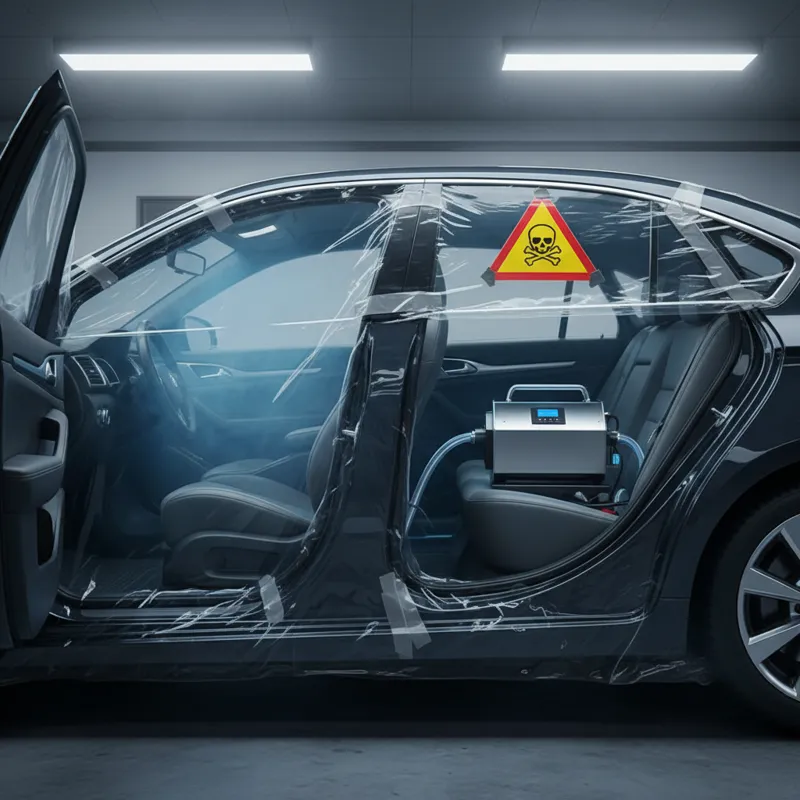
Ozone treatment is one of the most effective methods for permanently eliminating severe, deeply embedded odors, including smoke. It’s often the go-to solution when other methods fall short, offering a permanent solution for smoke smell in car seats and the entire cabin.
How Ozone Works
Ozone (O3) is a powerful oxidizer. An ozone generator produces O3 molecules by breaking apart O2 molecules, which then reassemble as O3. When released into the car’s sealed interior, these O3 molecules circulate and react with odor-causing molecules. The third oxygen atom in ozone detaches and attaches to the airborne or surface-bound odor molecules, chemically altering them into harmless, odorless compounds (like carbon dioxide and water vapor). This process doesn’t mask odors; it chemically neutralizes them at a molecular level.
Safety Precautions are Paramount
Ozone is highly reactive and, in high concentrations, can be harmful to living organisms.
- Vacate the Vehicle: Crucially, no humans or pets should be in or near the vehicle during ozone treatment. Ensure the car is parked in a well-ventilated area, away from living spaces.
- Duration: Treatment times typically range from 30 minutes to a few hours, depending on the severity of the odor and the power of the ozone generator. Over-treatment can potentially damage rubber and plastic components, though this is rare with typical treatment times.
- Ventilation Post-Treatment: After the treatment, open all car doors and windows wide for at least 30 minutes to an hour to allow any residual ozone to dissipate completely. The car should smell fresh, not like ozone. A faint bleach-like smell indicates residual ozone.
DIY vs. Professional Ozone Treatment
You can purchase ozone generators for personal use, but professional services often use more powerful, commercial-grade units and have experience with optimal treatment times and safety protocols.
- DIY: Affordable generators are available online (typically $50-$200). Ensure you understand the safety instructions and use the machine correctly. Perform the full deep cleaning first, as ozone works best on odors that are exposed, not buried under layers of grime.
- Professional: Detailers or specialized odor removal companies charge for ozone treatment (LSI: professional automobile smoke odor removal cost). Prices can range from $100 to $300 or more, depending on your location and the service provider. Their expertise can be invaluable for very tough cases, and they often combine it with other deep cleaning steps.
3. Chemical Odor Encapsulation and Neutralization (Product-Based)
Beyond simple air fresheners that just mask smells, several specialized chemical products are designed to neutralize or encapsulate smoke odors. These products come in various forms, each with a slightly different mechanism. They are often your best car interior smoke smell remover options when tackling persistent odors after a deep clean.
Odor Neutralizing Sprays
These sprays contain chemicals that react with odor molecules, altering their chemical structure to render them odorless.
- Application: After a thorough cleaning, spray these products directly onto fabric surfaces like seats, carpets, and headliners. Some are safe for hard surfaces as well. Ensure even coverage without oversaturating.
- Mechanism: Unlike masking agents, which simply cover up the smell with a stronger fragrance, neutralizers chemically break down the odor-causing compounds.
- Products: Look for professional-grade odor eliminators from automotive detailing brands.
Odor Bombs/Foggers
These are aerosol cans designed to release a fine mist of odor-neutralizing chemicals throughout the car’s interior and ventilation system.
- Application: Typically, you place the can in the center of the car, start the engine, turn the AC to recirculation mode (often on high fan speed, medium temperature), press the canister to activate, close the doors, and let it run for about 10-15 minutes.
- Mechanism: The fine mist penetrates into nooks, crannies, and the HVAC system, neutralizing odors. The recirculation mode helps distribute the product thoroughly.
- Caution: Always follow the product instructions explicitly. Ventilate the car thoroughly afterward.
Enzyme-Based Cleaners
These cleaners contain enzymes that break down organic odor sources (which smoke residue definitely is) by digesting the odor-causing molecules.
- Application: Apply directly to fabric surfaces. Allow it to soak in and work, then blot or extract. They are particularly effective for odors embedded in upholstery and carpet.
- Benefit: Enzymes are natural and biodegradable, making them a safer option for many materials and the environment.
When using any chemical product, always test it on an inconspicuous area first to ensure it doesn’t stain or damage the material. For thoroughness, ensuring your car’s interior remains fresh and clean requires consistent effort, similar to maintaining personal hygiene; just as you might choose a specific best moisturizer for mature skin for your daily routine, selecting the right cleaning agents for your vehicle is key to its longevity and appeal.
4. Targeted Ventilation and Air Purification (Ongoing Maintenance)
While the previous methods tackle the core problem, integrating targeted ventilation and air purification ensures that any lingering or future odors are managed effectively. This is less about an immediate fix and more about sustained freshness, especially for DIY tobacco smell removal from vehicle.
Maximize Airflow
- Regular Airing Out: On dry, sunny days, park your car with all windows and doors open for several hours. Sunshine can help to break down odor molecules, and consistent airflow is crucial for dissipating trapped smells.
- Driving with Windows Down: Whenever safe and practical, drive with your windows down to promote cross-ventilation.
Utilize Car Air Purifiers
Portable car air purifiers have become more sophisticated. These devices use technologies like HEPA filters, activated carbon filters, ionizers, or photocatalytic oxidation (PCO) to continuously clean the air inside your vehicle.
- HEPA and Activated Carbon: HEPA filters trap particulate matter, while activated carbon effectively absorbs odors and VOCs. This combination is highly effective.
- Ionizers: These release negatively charged ions that attract and clump airborne particles (including odor molecules), making them too heavy to float and causing them to fall out of the air.
- PCO: Some advanced purifiers use UV light and a titanium dioxide (TiO2) filter to break down pollutants and odors at a molecular level.
Plug-in car air purifiers can run continuously while you drive, providing ongoing air quality improvement and helping to prevent new odors from taking hold or old ones from resurfacing.
Maintain Absorbent Materials
Continue to use odor-absorbing sachets or containers filled with activated charcoal in discreet locations within your car. Replace them periodically as their absorbing capacity diminishes over time.
5. Professional Detailing Services: When to Call in the Experts
Sometimes, despite your best DIY efforts, the smoke smell persists. This is when investing in professional detailing services becomes a smart move. Professionals have access to specialized equipment, stronger chemicals, and expert techniques that can tackle the most stubborn odors. This route can provide the most comprehensive and lasting solution to how to get smoke smell out of car.
What Professional Detailers Offer
- Commercial-Grade Equipment: This includes powerful hot water extractors for carpets and upholstery, steam cleaners that can penetrate deep into fibers, and industrial-strength ozone generators.
- Specialized Chemicals: Professionals use highly concentrated, specific odor neutralizers and enzyme cleaners designed for deep penetration and molecular breakdown that aren’t typically available to the public.
- Ventilation System Cleaning: Detailers can perform a more thorough cleaning of your car’s HVAC system, including fogging the ducts with odor eliminators, which is crucial as the system often harbors significant odor residue.
- Headliner Expertise: They have the knowledge and tools to clean delicate headliners without causing damage.
- Comprehensive Treatment: A good detailer will follow a multi-step process, combining deep cleaning, chemical treatments, and often ozone, ensuring every potential source of odor is addressed.
Is it Worth the Cost? (LSI: professional automobile smoke odor removal cost)
The cost of professional smoke odor removal can vary widely, typically ranging from $200 to $600 or more, depending on the severity of the smell, the size of your vehicle, and your location.
- Resale Value: For a vehicle with significant smoke odor, professional removal can drastically increase its resale value, easily recouping the cost. A smoke-filled car is a massive deterrent to buyers.
- Health and Comfort: For your own well-being and driving comfort, a fresh-smelling car is invaluable.
- Time and Effort Savings: Professionals save you the significant time, effort, and frustration of trying to tackle a deeply embedded smell yourself.
If you’ve tried the DIY methods outlined above and the smell lingers, or if the odor is extremely strong, a professional detailer is usually the most effective and efficient path to take.
What Most People Get Wrong or Things People Usually Miss
When trying to get smoke smell out of a car, it’s easy to make mistakes that either prolong the problem or make it worse. Understanding these common pitfalls can save you time and money:
- Masking vs. Eliminating: The biggest mistake is relying solely on air fresheners, scented sprays, or car “bombs” that just add a new scent. These products merely mask the smell, which inevitably returns as the masking agent dissipates. True elimination requires neutralizing or removing the odor-causing compounds.
- Ignoring the HVAC System: Many people meticulously clean the interior surfaces but forget that smoke particles are readily drawn into the heating, ventilation, and air conditioning system. The cabin air filter needs replacing, and the ducts themselves often require cleaning or fogging with an odor eliminator to prevent the smell from recirculating.
- Neglecting the Headliner: The car’s headliner, being a porous fabric often difficult to reach and delicate to clean, is a major smoke trap. Failing to address it means a significant source of odor remains. Be gentle, or delegate this to a professional.
- Impatience: Removing deeply embedded smoke odor isn’t a one-day job. It often requires multiple cleaning cycles, prolonged airing out, and repeat treatments with odor absorbers or neutralizers. Expect the process to take several days to a week, potentially longer for very heavy contamination.
- Insufficient Ventilation During and After Treatment: Especially with ozone generators or chemical foggers, proper ventilation during treatment (for ozone, no one inside) and thorough airing out afterward is critical for safety and to remove chemical residues or residual ozone.
- Not Addressing the Source Material: If you’re dealing with a car that was consistently smoked in, the smoke has permeated the foam in seats, padding, and carpet backing. Sometimes, surface cleaning isn’t enough, and these components might need more aggressive extraction or even replacement in extreme cases, though that’s rare.
- Lack of Persistence: Smoke odor is tenacious. Success often comes down to a systematic, diligent, and patient approach, combining several of the methods outlined above. Just like maintaining a healthy head of hair might involve specific products like an oil for curling hair and consistent care, maintaining a fresh car interior demands a persistent, methodical routine. Or, when trying to find the best brush for curly hair, you might have to try several options. Similarly, you may need to try several odor removal techniques to find what works best for your specific situation.
Choosing the Right Method for Your Situation
The best approach depends on the severity of the smoke odor and your resources:
- Light Smoke Odor (e.g., occasional cigar, residue from a previous owner who only smoked outside the car): Start with a comprehensive deep cleaning (Method 1) combined with odor absorbers (baking soda, activated charcoal). Regular ventilation is key.
- Moderate Smoke Odor (e.g., car owned by a casual smoker): Follow the deep cleaning (Method 1) with chemical odor neutralizers (Method 3) like a fogger, and consider a DIY ozone treatment (Method 2) if the smell persists. Consistent air purification (Method 4) will help.
- Heavy Smoke Odor (e.g., daily smoker for years, heavy tobacco residue): Begin with the most aggressive deep cleaning possible (Method 1). Then, strongly consider professional ozone treatment or professional detailing services (Method 5). This level of odor often requires the expertise and equipment only professionals can provide.
Preventing Future Smoke Odor
The most effective way to prevent smoke odor is simple: don’t smoke in the car. If you must, ensure windows are fully down, and use an ashtray with a lid. Regularly vacuuming and wiping down surfaces will also prevent any minor odors from building up.
Frequently Asked Questions (FAQ)
How long does it take to get smoke smell out of a car?
The timeframe varies significantly based on the severity of the smoke exposure and the method used. For light odors, a thorough deep clean and a few days of airing out might suffice. For heavy, deeply embedded odors, it can take several days of intensive treatment, potentially with professional help, to a week or more to fully dissipate the smell. Patience and persistence are crucial.
Does ozone treatment permanently remove smoke smell?
Yes, ozone treatment is highly effective at permanently removing smoke smell because it chemically neutralizes the odor molecules rather than just masking them. However, for it to be truly permanent, all smoke residues must first be thoroughly cleaned from surfaces, and the source of the odor (e.g., cigarette butts, ash) must be completely removed. If not, lingering residue can re-release odors.
Can I get smoke smell out of car seats?
Absolutely. Car seats, especially fabric ones, are prime locations for smoke odor to accumulate. A deep cleaning using an upholstery shampooer/extractor, enzyme-based cleaners, and follow-up with odor neutralizers or ozone treatment is effective. For extremely saturated seats, professional steam cleaning and extraction are recommended to penetrate deep into the foam and fabric.
Is it worth paying for professional smoke odor removal?
For moderate to severe smoke odors, paying for professional removal is often well worth the cost. Professionals have industrial-grade equipment, specialized chemicals, and the expertise to tackle the most stubborn odors effectively. The investment can significantly increase your car’s resale value and vastly improve your driving experience, saving you considerable time and frustration.
What’s the best DIY tobacco smell removal from vehicle?
The best DIY tobacco smell removal from vehicle involves a multi-step process:
- Deep Vacuuming: Get every particle out of carpets, seats, and crevices.
- Thorough Surface Cleaning: Wipe down all hard surfaces (dash, doors, glass) with a suitable interior cleaner.
- Upholstery & Carpet Shampooing: Use an automotive fabric cleaner or a steam cleaner on all soft surfaces.
- HVAC Filter Replacement: Install a new cabin air filter.
- Odor Absorbers: Place activated charcoal or baking soda in the car for several days.
- Ventilation: Air out the car as much as possible, including leaving windows down on dry days.
Combining these steps offers the strongest DIY approach.
Conclusion
Getting smoke smell out of your car is a challenging but achievable task that demands a methodical, persistent effort. By understanding how smoke permeates your vehicle’s interior and applying a combination of deep cleaning, targeted chemical treatments, ozone therapy, and consistent ventilation, you can effectively neutralize even the most stubborn odors. Whether you opt for a rigorous DIY approach or enlist the help of professionals, restoring your car to a fresh, clean state is an investment in both your driving comfort and the vehicle’s long-term value. Remember, patience and a systematic approach are your most powerful tools in this battle against lingering smoke.