
Barn doors continue their reign as a popular architectural feature in homes across the United States in 2026, offering a unique blend of rustic charm and modern functionality. While single barn doors have their appeal, double barn door systems truly stand out, providing a grand entrance or a clever space-saving solution for wider openings. However, their sliding nature introduces specific challenges when it comes to privacy and security. Unlike traditional hinged doors, securing a double barn door setup requires specialized locking mechanisms designed to bridge the gap between two sliding panels or secure them effectively to a frame. This article delves into the mechanics and practical considerations of securing these stylish doors, guiding you through the best locking solutions available today.
Understanding the Unique Challenges of Double Barn Door Security
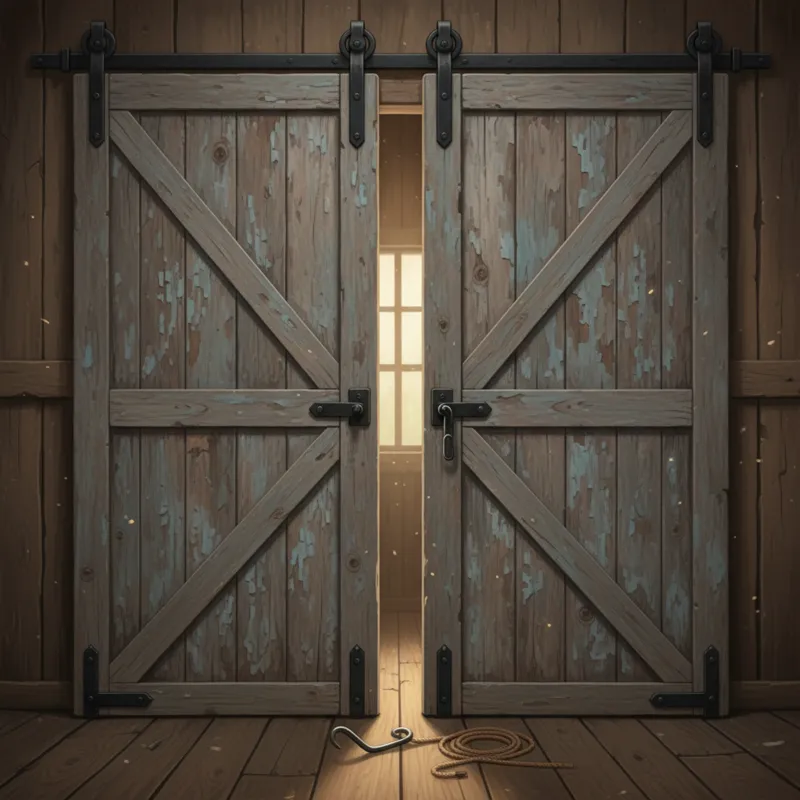
Securing a double barn door is fundamentally different from securing a standard hinged door. Hinged doors typically close into a rigid frame, allowing for straightforward latching and deadbolt mechanisms. Barn doors, by design, hang from a track and slide parallel to the wall, often with a slight gap between the door panels themselves and between the doors and the door frame. This gap is necessary for smooth operation but poses a significant hurdle for traditional locks. The primary goal for many homeowners is privacy, especially for doors leading to bedrooms, bathrooms, or home offices. True security, meaning preventing forced entry from outside, is also a concern, though often secondary for interior applications. A robust double barn door lock needs to address several key issues:
- Bridging the Gap: Most double barn door setups involve two panels that meet in the middle. The lock must effectively draw these two panels together or secure one to the other, then to the wall or floor.
- Surface Mounting: Standard locks are mortised (recessed) into the door edge. Barn doors typically require surface-mounted hardware due to their construction and the need for the lock to interact with the opposing door or the wall.
- Preventing Lift-Off: While less common for interior doors, a determined intruder could potentially lift a barn door off its track. While locks primarily prevent sliding, some systems can offer additional resistance against this.
- Smooth Operation: Any locking mechanism must not impede the smooth sliding action when unlocked. It needs to engage and disengage cleanly. These inherent design characteristics mean you can’t just slap a standard doorknob on a barn door. A tailored approach is essential.
Key Considerations When Selecting a Double Barn Door Lock
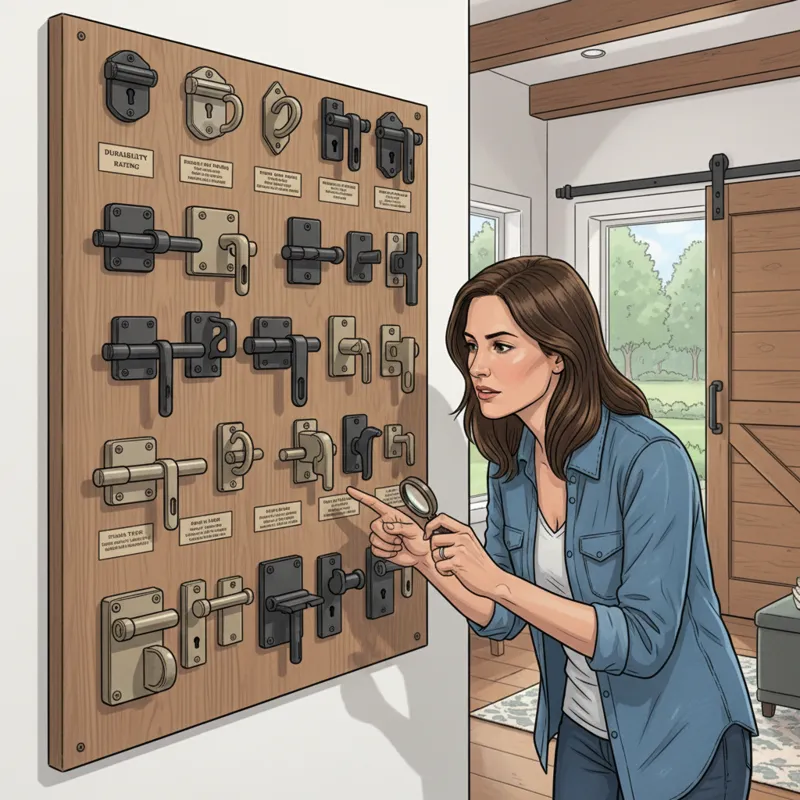
Before we explore specific models, let’s establish the criteria for choosing the ideal double barn door lock. Your decision should balance security needs, aesthetic preferences, and practical functionality.
Purpose: Privacy vs. True Security
Determine what level of security you truly need. For a bathroom or bedroom, a simple privacy latch that prevents casual entry might suffice. If you’re securing a sensitive area like a home office with valuable equipment or a storage space, you’ll want something more robust, possibly with a key.
Mechanism Type
Locks for double barn doors come in various forms:
- Hook and Eye/Clasp: Simple, visible, and effective for basic privacy.
- Barrel Bolts/Sliding Bolts: More robust than a hook, often used on the inside.
- Privacy Latches: Designed for interior use, often with a thumb turn on one side and an emergency release on the other.
- Keyed Locks: Offer higher security, usually incorporating a cylinder lock.
- Floor Bolts: Secure the door panels to the floor, adding stability and preventing sliding.
Material and Finish
The lock’s material (steel, brass, cast iron, zinc alloy) and finish (matte black, brushed nickel, oil-rubbed bronze, stainless steel) should complement your existing barn door hardware and home decor. Durability is key, especially for mechanisms that see frequent use. You want something built to last, resisting corrosion and wear.
Ease of Installation
Some locks are straightforward DIY projects, while others, particularly those requiring mortising or precise alignment, might benefit from professional installation. Consider your comfort level with tools and home improvement tasks.
Aesthetic Integration
A good lock enhances, rather than detracts from, your barn door’s appearance. Look for designs that blend seamlessly with the door’s style, whether it’s rustic, industrial, or modern farmhouse. Consider how visible the mechanism will be when locked and unlocked.
A Deep Dive into Common Double Barn Door Locking Mechanisms
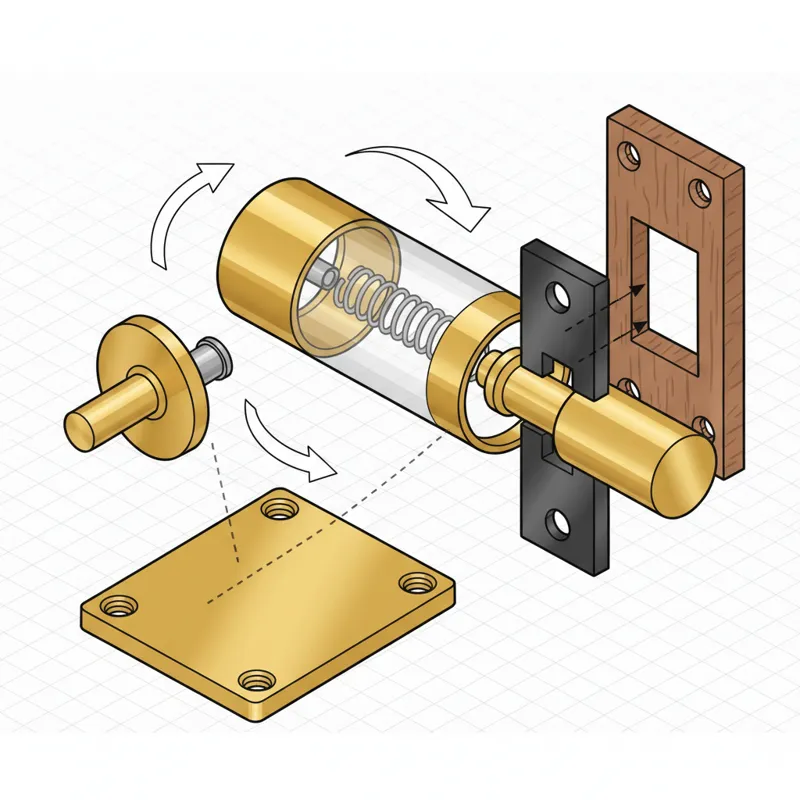
Before we jump into our top picks, it’s beneficial to understand the fundamental mechanics that define double barn door locks. They generally fall into categories based on how they operate and what they secure.
- Panel-to-Panel Engagement: Many double barn door locks are designed to connect the two door panels directly. This is common for privacy latches where one door “meets” the other. The mechanism might be on one door and extend across to engage the other, or each door might have a complementary part that interlocks.
- Panel-to-Wall/Frame Engagement: For true security, or to prevent a door from sliding when the other is closed, mechanisms might secure one or both panels directly to the adjacent wall, door frame, or even the floor. This is often seen with barrel bolts, floor bolts, or keyed options.
- Bypass vs. Bi-Parting Systems: * Bypass systems have doors that slide past each other on separate tracks. Securing these typically involves locking one door to the wall or floor, and then the other to the first door.
- Bi-parting systems have two doors that meet in the middle on a single track or two tracks that merge. These are generally easier to secure with a single lock that bridges the gap between the two doors. Understanding your specific barn door configuration is crucial.
Our 10 Best Picks for Ultimate Security (and Privacy) in 2026
Here are our top recommendations for double barn door locks, categorized by their primary mechanism and ideal application, ensuring you can find the perfect fit for your home’s security and aesthetic needs.
1. The Heavy-Duty Hook & Eye Latch (Rustic Robustness)
This classic design remains a favorite for its simplicity and strength. Typically made from cast iron or heavy-gauge steel, it involves a substantial hook mounted on one door panel that engages with an eye mounted on the other.
- Mechanism: A sturdy metal hook pivots into an eyelet.
- Ideal Use: Bedrooms, bathrooms, pantries, or any interior space where basic privacy and a robust, visible lock are desired. Excellent for rustic or industrial decor.
- Pros: Very strong for its type, visible deterrent, easy to install, available in many finishes.
- Cons: Only locks from one side, not truly “secure” against determined forced entry (can be pried), aesthetic might not suit modern minimalist styles.
2. The Modern Teardrop Swivel Latch (Sleek Privacy)
A more refined alternative to the hook and eye, the teardrop swivel latch offers a clean, contemporary look while providing effective privacy.
- Mechanism: A teardrop-shaped piece swivels to engage a catch on the opposing door panel. Often includes a thumb-turn for easy internal operation.
- Ideal Use: Bathrooms, home offices, or any interior double barn door where discreet privacy is paramount.
- Pros: Modern aesthetic, easy one-handed operation, relatively simple installation, available with emergency release.
- Cons: Primarily for privacy, not high security. May feel less substantial than a heavy-duty hook.
3. Surface Mount Barrel Bolt (Versatile Security)
A workhorse of the locking world, the barrel bolt is incredibly versatile and effective for securing barn doors. It features a sliding bolt that extends into a strike plate.
- Mechanism: A cylindrical bolt slides within a housing, engaging a keeper. Often has a simple thumb tab for operation.
- Ideal Use: Securing one door panel directly to the wall or floor, then using another mechanism to lock the second door to the first. Or, securing both doors to the floor for maximum stability. Can be used for sheds or exterior barn doors with a padlock.
- Pros: Strong, relatively small footprint, easy to operate, can be mounted vertically or horizontally.
- Cons: Can be cumbersome to operate both bolts for a full opening, often requires two separate actions to fully secure a double door.
4. Mortise Lock with Flush Pull Handles (Integrated Elegance)
For the most integrated and sleek look, a mortise lock designed for sliding doors can be a premium choice. This involves cutting a pocket (mortise) into the door’s edge to house the lock body.
- Mechanism: A mechanism recessed into the door operates a bolt that extends to engage the opposing door or a frame. Often combined with flush pull handles for a seamless appearance.
- Ideal Use: High-end homes, master bedrooms, or anywhere a clean, minimalist aesthetic is desired without visible surface hardware.
- Pros: Very aesthetically pleasing, highly integrated, can offer keyed security, smooth operation.
- Cons: More complex and costly installation (often requires professional carpentry), requires precise alignment, limited to specific door thicknesses.
5. Sliding Bolt with Padlock Hasp (Maximum Visible Deterrent)
When uncompromising security is the primary concern, particularly for utility rooms, workshops, or exterior barn doors, a heavy-duty sliding bolt combined with a padlock hasp offers excellent protection.
- Mechanism: A sturdy metal bar slides through a loop, secured by a padlock.
- Ideal Use: Garages, sheds, workshops, or any area where you need robust, tamper-resistant security for your double barn door.
- Pros: Extremely strong, clearly visible deterrent, allows for user-provided padlocks (which can be keyed alike for multiple locks).
- Cons: Less aesthetically refined for interior living spaces, requires keys for operation, padlock is visible.
6. Keyed Entry Sliding Barn Door Latch (Enhanced Interior Security)
For interior doors where enhanced security beyond simple privacy is required—perhaps for a personal study, wine cellar, or safe room—a keyed sliding barn door latch provides peace of mind.
- Mechanism: Features an external key cylinder and an internal thumb-turn, similar to a standard door lock but designed for the surface mounting and sliding action of barn doors. It typically locks one door to the other.
- Ideal Use: Home offices, sensitive storage areas, or anywhere you need to restrict access to a room with double barn doors.
- Pros: Offers genuine security with a key, provides privacy, available in various finishes.
- Cons: Installation requires precision for the key cylinder, generally more expensive than basic privacy latches.
- LSI: keyed entry for interior double barn doors
7. Floor-Mounted Cane Bolt / Drop Bolt (Anchoring for Stability)
While not a primary “lock” in the traditional sense, a floor-mounted cane bolt or drop bolt is crucial for securing one of the double barn door panels, preventing it from sliding and allowing the other panel to lock against it.
- Mechanism: A sturdy rod drops into a pre-drilled hole in the floor. Often spring-loaded or held by gravity.
- Ideal Use: Essential for bi-parting double barn doors where one door needs to be fixed in place for the other to close and lock against it. Adds significant stability.
- Pros: Very strong, largely out of sight, simple operation, prevents door movement.
- Cons: Requires drilling into the floor, can be a trip hazard if not retracted fully, not a standalone locking mechanism.
8. Automatic Flush Bolt System (Concealed Convenience)
For a highly sophisticated and unobtrusive solution, especially with bi-parting double barn doors, an automatic flush bolt system keeps one door panel secured without visible hardware.
- Mechanism: Often integrated into the edge of one door, these bolts automatically engage when the door is closed and retract when the other door is opened or a lever is actuated. They lock the inactive door panel to the floor or frame.
- Ideal Use: High-end residential or commercial spaces where aesthetics and seamless operation are paramount.
- Pros: Completely concealed, automatic operation, clean look.
- Cons: Complex and expensive installation, requires precise door construction, limited aftermarket options for existing doors.
9. Smart Lock Integration (2026 Tech & Convenience)
As smart home technology becomes ubiquitous, smart locks are now adaptable for barn door applications, offering convenience and remote access control.
- Mechanism: These systems typically use a motorized bolt or latch, controlled via a keypad, fingerprint scanner, smartphone app, or voice assistant. They often integrate with existing privacy latches or custom-built mechanisms. Some leverage a heavy-duty barn door closure system with smart capabilities.
- Ideal Use: Tech-forward homes, home offices, or rental properties where remote access management and keyless entry are desired.
- Pros: Keyless entry, remote monitoring, access logs, integration with smart home ecosystems (like Google Home or Apple HomeKit).
- Cons: Higher cost, reliance on power/batteries, requires professional installation and setup, may not fit all barn door styles. For general security principles, resources like those from the National Institute of Standards and Technology (NIST) [https://www.nist.gov/] highlight the importance of secure systems, which applies to smart locks too.
10. Heavy-Duty Toggle Clamp Latch (Industrial Strength & Style)
For a distinct industrial or farmhouse aesthetic combined with significant clamping force, a heavy-duty toggle clamp latch is a unique option.
- Mechanism: Consists of two parts that latch together with a lever mechanism, pulling the two door panels tightly. Can often be padlocked for extra security.
- Ideal Use: Utility rooms, workshops, large pantry doors, or any space where a strong, visible, and somewhat rugged locking solution is desired.
- Pros: Extremely strong clamping action, industrial aesthetic, can be padlocked, highly durable.
- Cons: Very prominent visually, might be overkill for simple privacy, can be loud during operation.
What Most People Get Wrong When Choosing a Double Barn Door Lock
It’s easy to overlook crucial details when selecting and installing a double barn door lock. Here are some common pitfalls:
- Underestimating the Gap: The biggest mistake is assuming a lock designed for a hinged door will work. Barn doors often have a slight gap between panels and the wall. You need a lock specifically designed to bridge this distance. Failing to account for this leads to a lock that doesn’t engage or provides no real security.
- Ignoring Door Movement: Barn doors aren’t perfectly rigid. They can flex slightly. A lock that requires absolute, millimeter-perfect alignment might become frustratingly difficult to operate over time as the door settles or humidity changes.
- Prioritizing Aesthetics Over Function: While a beautiful lock is desirable, it must first and foremost perform its security function reliably. A gorgeous but flimsy lock is a wasted investment.
- Incorrect Installation of Strike Plates: The strike plate (the part the lock engages with) is just as critical as the lock itself. Improper alignment or insecure mounting of the strike plate renders even the strongest lock useless. This is particularly important with double barn doors where precise alignment is needed to get both doors to meet properly.
- Choosing Privacy Where Security is Needed: A simple thumb-turn privacy latch won’t deter a determined intruder. If you need genuine security for valuables or restricted areas, you need a keyed lock or a heavy-duty bolt with a padlock.
- Overlooking the Floor: For double barn doors, securing one or both panels to the floor with a cane bolt significantly enhances stability and security, preventing the doors from being forced open by sliding. Many people neglect this crucial step.
Installation and Alignment: Ensuring Your Lock Works as Intended
Proper installation is paramount for any double barn door lock to function correctly. Even the best lock is useless if poorly installed.1. Read Instructions Carefully: Every lock is different. Follow the manufacturer’s instructions precisely.2. Measure Twice, Drill Once: Accurate measurements are critical, especially for strike plate placement and any mortising. Use a pencil to mark positions before drilling.3. Use a Level: Ensure all components are perfectly level and plumb for smooth engagement.4. Test Thoroughly: After installation, open and close the doors, and engage and disengage the lock multiple times. Check for any binding, sticking, or misalignment. Adjust as necessary.5. Consider Professional Help: For complex mortise locks or smart lock systems, professional installation can prevent costly mistakes and ensure optimal performance. While DIY is satisfying, sometimes an expert touch is best, especially for tasks that require precision, like installing a new tub drain or complex door hardware.
Maintaining Your Barn Door Lock for Lasting Performance
Barn door locks, like any mechanical hardware, benefit from periodic maintenance to ensure longevity and smooth operation.
- Keep it Clean: Dust and debris can accumulate in moving parts. Wipe down the lock mechanism regularly with a soft cloth. Avoid abrasive cleaners that can damage the finish.
- Lubricate Sparingly: For moving parts like bolts or pivots, a light application of a silicone-based lubricant or graphite powder (for key cylinders) can prevent sticking. Don’t overdo it, as excessive lubricant can attract dust.
- Check Fasteners: Over time, screws can loosen due to door movement. Periodically check and tighten any mounting screws to keep the lock securely in place.
- Inspect for Wear: Look for signs of wear and tear, especially on moving parts or the strike plate. Early detection of issues can prevent a complete failure. Taking care of your home’s components, whether it’s inspecting your door mirrors for damage or ensuring your barn door lock operates smoothly, extends their lifespan.
Frequently Asked Questions (FAQs) About Double Barn Door Security
Can I put a deadbolt on a double barn door?
Traditional deadbolts are designed for hinged doors that close into a solid jamb. While you can find specialized “barn door deadbolts” or surface-mounted keyed locks, they operate differently. They typically don’t offer the same level of security as a mortised deadbolt in a solid frame but can provide good internal privacy and some level of deterrence.
How do I make my double barn door secure from the outside?
For external security, you’ll need a robust, keyed double barn door lock. Options include heavy-duty surface-mounted keyed latches, sliding bolts with padlock hasps, or floor-mounted cane bolts on both doors (if applicable) that are operated from the exterior or secured with a padlock. Smart locks also offer external control. Remember that a barn door, by its nature, is less inherently secure than a hinged exterior door due to its exposed track and potential for lift-off, so temper expectations for ultimate security against a determined intruder.
What’s the best type of lock for a double barn door in a bathroom?
For a bathroom, privacy is the main concern. A modern teardrop swivel latch or a simple hook and eye latch is usually sufficient. Look for options with an emergency release feature from the outside, which is crucial for bathroom safety.
Do barn door locks affect the sliding mechanism?
A properly installed barn door lock should not affect the sliding mechanism when unlocked. It’s designed to engage when the door is closed and disengage completely when you want to slide the door open. Any interference usually indicates improper installation or a mismatched lock type.
Are smart locks reliable for barn doors?
Yes, smart locks designed for sliding or barn door applications can be very reliable and convenient. They offer features like keyless entry, remote access, and activity logs. However, their reliability depends on the quality of the hardware, consistent power (batteries), and proper integration with your smart home system. Always choose reputable brands.
How can I prevent my double barn doors from being lifted off the track?
While primarily a concern for exterior barn doors, some manufacturers offer “anti-jump” or “anti-lift” discs that attach to the top of the door rollers, making it much harder to lift the door off the track. Combining these with a floor-mounted bolt or a lock that secures the door to the wall offers additional protection. For a broader understanding of home security, you might want to consult consumer safety resources like Consumer Reports [https://www.consumerreports.org/].
Conclusion
In 2026, double barn doors remain a stylish and practical choice for many homes, but securing them effectively requires a thoughtful approach. By understanding the unique challenges and considering the various locking mechanisms available, you can select the perfect double barn door lock that balances security, privacy, and aesthetic appeal. Whether you opt for a rustic hook and eye, a sleek mortise lock, or a high-tech smart lock, prioritizing proper installation and regular maintenance ensures your investment provides lasting functionality and peace of mind. Your choice not only secures your space but also completes the look of your beautiful barn doors, integrating seamlessly into your home’s design.


