

Discovering your dog constantly scratching at their ears, shaking their head, or showing signs of discomfort can be alarming. Often, the culprit is a common and highly contagious parasite: ear mites. These tiny invaders, medically known as Otodectes cynotis, can cause significant irritation, inflammation, and even secondary infections if left untreated. As a responsible dog owner in 2026, understanding effective ear mite medicine for dogs isn’t just about stopping the itch; it’s about safeguarding your pet’s overall health and comfort. This guide dives deep into recognizing the problem, exploring the most powerful solutions available, and ensuring you administer treatment safely and effectively, knowing when to seek professional veterinary care.
Recognizing the Signs: How to Spot Ear Mites in Your Dog
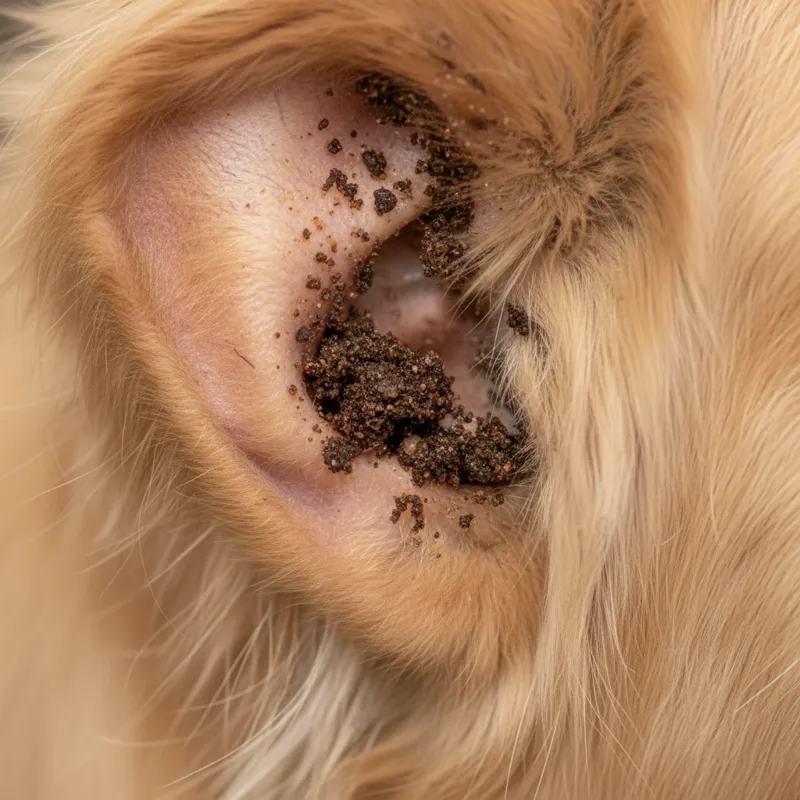
The first step in addressing ear mites is noticing something’s amiss. Dogs are quite good at communicating discomfort, especially when it comes to their ears. Being observant of their behavior and regularly checking their ears can help you catch an infestation early.
Common Symptoms
- Excessive Ear Scratching: This is often the most obvious sign. Your dog might be scratching aggressively at one or both ears, sometimes to the point of causing skin lesions or hair loss around the ear.
- Head Shaking: Frequent, vigorous head shaking is another clear indicator of irritation deep within the ear canal.
- Dark, Waxy, or Crumbly Discharge: Ear mites stimulate excessive wax production and feed on skin debris. This often results in a dark brown, almost black, waxy or crumbly discharge that looks similar to coffee grounds.
- Redness and Inflammation: Inside the ear, you might observe redness, swelling, or irritation of the ear canal lining.
- Foul Odor: Secondary bacterial or yeast infections, common complications of ear mites, can produce a distinct, unpleasant smell from the ear.
- Sensitivity to Touch: Your dog may yelp, pull away, or show signs of pain when you try to examine their ears.
- Scabs or Sores: Persistent scratching can lead to self-inflicted wounds around the earflap or ear canal opening.
It’s important to differentiate ear mite symptoms from other ear conditions like bacterial or yeast infections, foreign bodies, or allergies. While some symptoms overlap, the characteristic “coffee grounds” discharge is a strong indicator of mites. However, a definitive diagnosis requires a veterinarian to examine a sample of the ear discharge under a microscope.
Understanding Ear Mites: The Tiny Invaders

To effectively treat ear mites, it helps to understand who you’re fighting. Otodectes cynotis are microscopic arachnids, meaning they’re related to spiders and ticks. They are obligate ectoparasites, meaning they must live on a host to survive. In dogs, they typically reside on the skin lining the ear canal, feeding on skin debris and tissue fluids.
The Ear Mite Life Cycle
The entire life cycle of an ear mite, from egg to adult, takes approximately three weeks. Adult mites lay eggs inside the ear canal. These eggs hatch into larvae, which then mature through two nymphal stages before becoming adults. Each stage is spent entirely on the host animal. This rapid reproduction cycle and their ability to move quickly within the ear canal explain why infestations can become severe so quickly and why a single treatment often isn’t enough to eradicate them.
How They Spread and Cause Discomfort
Ear mites are highly contagious and spread through direct contact between animals. This means if one pet in your household has ear mites, it’s highly probable that all other susceptible pets (dogs, cats, ferrets) will also be infested, even if they aren’t showing symptoms yet. It’s less common for them to spread to rabbits or humans, although transient skin irritation can occur in rare cases.
The mites cause intense itching and irritation by biting the delicate skin of the ear canal, leading to inflammation and an overproduction of wax. This creates the dark, crusty buildup you observe. The constant irritation, combined with secondary infections that often take hold, makes ear mites a profoundly uncomfortable condition for dogs.
The Core Principle of Treatment: What Ear Mite Medicine for Dogs Aims To Do
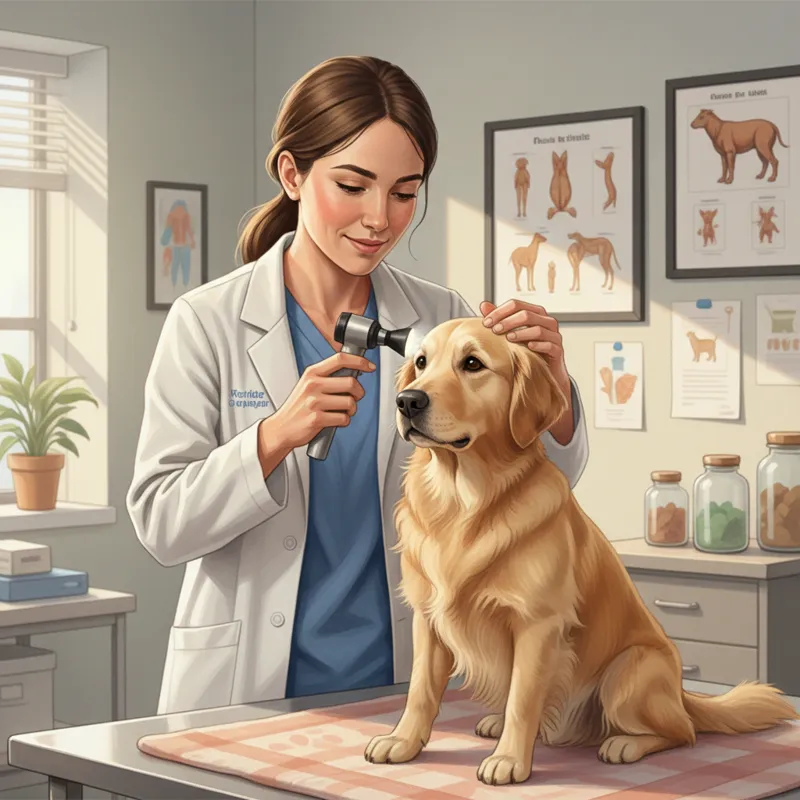
Effective ear mite medicine for dogs isn’t just about killing the adult mites you see; it’s about a multi-pronged approach to eliminate the entire infestation and restore ear health. The core principles of treatment typically involve:
- Killing Adult Mites: The primary goal is to eradicate the active, egg-laying adult mites, which are the source of the infestation and the cause of immediate irritation.
- Breaking the Life Cycle: Since most treatments don’t kill mite eggs, a crucial aspect is to continue treatment long enough to kill newly hatched larvae and nymphs before they can mature and lay more eggs. This is why many treatments require repeated doses over several weeks.
- Alleviating Inflammation and Itching: Medications often include anti-inflammatory components or are used in conjunction with other therapies to reduce the dog’s discomfort and prevent further self-trauma.
- Addressing Secondary Infections: The compromised ear environment created by mites is an ideal breeding ground for bacteria and yeast. Most severe ear mite cases involve secondary infections, which must be treated concurrently with appropriate antibiotics or antifungals.
A comprehensive treatment plan, often prescribed by a veterinarian, will target all these aspects to ensure complete eradication and a return to healthy ears.
5 Powerful Solutions: Effective Ear Mite Medicine for Dogs (Prescription & OTC)
When it comes to treating ear mites, there’s a range of options, from over-the-counter (OTC) remedies to potent prescription medications. It’s critical to understand that while some OTC products exist, a veterinary diagnosis is always the safest starting point. This ensures you’re treating mites and not another ear condition, and that any secondary infections are properly addressed.
Disclaimer: The information provided here is for educational purposes only and is not a substitute for professional veterinary advice. Always consult with a licensed veterinarian for diagnosis and treatment recommendations for your dog.
1. Topical Miticidal Ear Drops (Prescription)
These are often the first line of defense prescribed by veterinarians for localized ear mite infestations. They contain powerful active ingredients specifically designed to kill mites. Many also include antibiotics and antifungals to combat secondary infections, and anti-inflammatory agents to reduce swelling and pain.
- Common Active Ingredients:
- Ivermectin: A broad-spectrum antiparasitic. Formulations specifically for ear mites are applied directly into the ear canal.
- Milbemycin Oxime: Another macrocyclic lactone effective against mites.
- Selamectin (e.g., in some Revolution formulations): While primarily a spot-on, some topical ear drop formulations also contain it.
- Moxidectin: Found in combination products.
- How They Work: These ingredients act as neurotoxins to the mites, disrupting their nervous system and leading to paralysis and death.
- Application: Typically applied directly into the ear canal once a day or every few days for a specified period (often 10-14 days, sometimes longer to cover the mite life cycle).
- Benefits: Highly effective, often addresses secondary infections simultaneously, provides fast relief from discomfort.
2. Systemic Parasiticides (Oral/Topical Spot-on, Prescription)
For some dogs, particularly those with recurrent infestations, multiple pets in the household, or difficulty with ear drop application, systemic treatments offer a powerful solution. These medications are absorbed into the bloodstream or distributed across the skin surface, killing mites when they feed on the dog.
- Common Active Ingredients:
- Isoxazolines (e.g., Afoxolaner in Nexgard, Fluralaner in Bravecto, Sarolaner in Simparica Trio, Lotilaner in Credelio): These are oral chewables primarily known for flea and tick control, but many are also highly effective against ear mites and other mites.
- Selamectin (e.g., Revolution): A topical spot-on applied to the skin (usually between the shoulder blades). It gets absorbed and distributed, killing mites as they feed.
- Moxidectin (e.g., Advantage Multi): Another spot-on that provides systemic protection against various parasites, including ear mites.
- How They Work: Isoxazolines work by overstimulating the mite’s nervous system. Selamectin and moxidectin also work as neurotoxins. These systemic options kill mites throughout the body, not just in the ears.
- Application: Oral chewables are given by mouth. Spot-ons are applied to a small area of skin, usually monthly or every few months depending on the product.
- Benefits: Convenient, long-lasting protection, effective for full-body mite infestations (e.g., sarcoptic or demodectic mange), often simplifies treatment for multi-pet households.
3. Over-the-Counter (OTC) Ear Mite Drops
Many pet supply stores carry OTC ear mite drops. These can be a tempting option for owners looking for a quick fix, but it’s important to understand their limitations. If you’re searching for “Best over the counter ear mite drops for canines,” remember to do so with caution and always follow up with a vet.
- Common Active Ingredients:
- Pyrethrins and Permethrins: These are natural or synthetic insecticides. They work by disrupting the mite’s nervous system.
- Piperonyl Butoxide: Often combined with pyrethrins to enhance their effectiveness.
- How They Work: These ingredients kill adult mites on contact.
- Limitations:
- Often Don’t Kill Eggs: This is a major drawback. Mite eggs are notoriously resistant to most topical treatments. Without killing the eggs, the infestation will often recur once new mites hatch.
- Lack of Treatment for Secondary Infections: OTC products rarely contain antibiotics or antifungals, leaving secondary bacterial or yeast infections untreated.
- Requires Frequent, Prolonged Application: To stand a chance of breaking the life cycle, OTC drops often need to be applied daily for 3-4 weeks, which can be challenging and inconsistent.
- Potential for Irritation: Some dogs can be sensitive to the ingredients, leading to further ear irritation.
While they may offer temporary relief, OTC drops are often insufficient for complete eradication, especially in established infestations or those complicated by secondary infections. They should be considered a temporary measure at best, always followed by a veterinary consultation.
4. Ear Cleaners (Adjunct Therapy)
Ear cleaners are not a standalone ear mite medicine for dogs, but they are an essential part of the treatment protocol. Their role is to prepare the ear canal for medication and help resolve the issue.
- Purpose:
- Remove Debris: They help loosen and flush out the waxy, “coffee ground” discharge, dead mites, and other debris that can block medications from reaching the ear canal lining.
- Create a Better Environment: By cleaning the ear, they can reduce moisture and create an environment less favorable for mites and secondary infections.
- Common Ingredients: Salicylic acid, lactic acid, aloe vera, gentle astringents.
- When to Use: Typically used before applying medicated ear drops. Your vet will advise on the frequency and specific product. Often, they are used for several days before starting medicated drops, or intermittently throughout treatment.
5. Addressing Secondary Infections (Prescription)
As mentioned, ear mites frequently pave the way for bacterial and yeast infections due to the inflamed, moist, and debris-filled ear canal. Treating these secondary infections is as crucial as killing the mites themselves.
- Importance: Without treating secondary infections, your dog will continue to experience discomfort, and the ear condition will persist or worsen even if the mites are gone.
- Medications: Your vet may prescribe specific antibiotics (e.g., Gentamicin, Polymyxin B) and/or antifungals (e.g., Clotrimazole, Nystatin) to be administered topically as ear drops, or in some severe cases, orally. Many prescription ear mite drops are combination products that already include these anti-infective agents.
The success of ear mite treatment often hinges on a multi-modal approach that includes diagnosis, mite eradication, secondary infection treatment, and ongoing ear hygiene.
Application Safety and Best Practices: Administering Ear Mite Medicine for Dogs
Administering ear mite medicine for dogs correctly is vital for its effectiveness and your dog’s comfort. Patience, a gentle touch, and understanding the proper technique go a long way.
Preparing Your Dog and the Ear Canal
- Gather Supplies: Have your prescribed medication, a clean cloth or cotton balls, and possibly some treats ready.
- Calm Environment: Choose a quiet, comfortable space where your dog feels secure. A second person can be helpful to gently hold and distract your dog.
- Initial Cleaning (if advised): If your vet recommended pre-treatment cleaning, use a veterinary-approved ear cleaner. Gently lift the ear flap, fill the ear canal with the cleaner (as directed), massage the base of the ear for 20-30 seconds, then allow your dog to shake their head. Wipe away any expelled debris with a cotton ball or soft cloth. Never use cotton swabs deep inside the ear, as this can push debris further in or damage the eardrum.
Correct Application Technique
- Read Instructions: Always read the specific instructions for your dog’s ear mite medicine carefully.
- Position Your Dog: Gently hold your dog’s head steady. You may need to have them sit or lie down.
- Lift the Ear Flap: Gently pull the ear flap up and back to expose the ear canal.
- Administer Drops: Hold the applicator tip near the opening of the ear canal (do not insert it deeply) and squeeze the prescribed number of drops directly into the canal.
- Massage: Keep the ear flap held up and gently massage the base of the ear for 30 seconds. You should hear a squishing sound as the medication moves into the canal. This helps distribute the medicine.
- Allow Head Shake: Let your dog shake their head. This helps to expel any excess medication and debris.
- Wipe Excess: Use a clean cloth or cotton ball to wipe away any excess medication from the outer ear.
Post-Application Care and Monitoring
Reward your dog with praise and treats after each application to create a positive association. Monitor their ears for any adverse reactions, increased redness, or signs of pain. Ensure you complete the full course of treatment as prescribed by your vet, even if symptoms seem to improve quickly. Stopping early is a common reason for recurrence.
Things People Usually Miss: Beyond the Drops
Successfully getting rid of ear mites goes beyond just applying drops to your dog’s ears. There are several crucial aspects often overlooked that can lead to persistent infestations or recurrence.
- Treating ALL Household Pets: This is perhaps the most critical oversight. Ear mites are extremely contagious. If you have multiple pets—especially other dogs or cats—they must all be treated simultaneously, even if they show no symptoms. An untreated pet acts as a reservoir, leading to re-infestation of the treated pet. For example, if you have a cat, even if it just has warm ears, it could be harboring mites. Understanding Why Are My Cat’s Ears Warm or if they have a Cat’s Eye Infection could lead to a broader check-up where mites might be discovered.
- Environmental Cleaning: While mites primarily live on the host, they can survive off an animal for a few days in bedding, carpets, or grooming tools. Wash all bedding in hot water, vacuum thoroughly, and clean grooming supplies to minimize the risk of re-infestation.
- Completing the Full Course of Treatment: Many owners stop treatment once symptoms subside. However, most ear mite medicines don’t kill the eggs. To break the life cycle, you must continue treatment for the full duration recommended by your vet (often 3-4 weeks), ensuring all newly hatched mites are killed before they can reproduce.
- Re-checking with the Vet: A follow-up visit with your veterinarian is crucial. They can perform another ear exam and microscopic check to confirm that all mites have been eradicated and that any secondary infections have cleared. Don’t assume the problem is solved without this confirmation.
- Addressing Underlying Issues: For some dogs, recurrent ear problems might stem from allergies, ear canal anatomy issues, or other health concerns that make them more susceptible. Discussing these possibilities with your vet can help prevent future issues.
When to See the Vet (Always, but Especially When…)
While this guide provides comprehensive information, the single most important piece of advice is: always consult your veterinarian. Self-diagnosis and treatment can delay proper care and worsen the condition. You should definitely see a vet if:
- Initial Diagnosis: You suspect ear mites for the first time. A vet can confirm the diagnosis, rule out other conditions (like bacterial or yeast infections, foreign objects, or allergies), and identify any secondary infections present.
- Severe Symptoms: Your dog is in obvious pain, the ears are severely inflamed, swollen, bleeding, or have a foul-smelling discharge.
- Failed OTC Treatment: If you’ve tried over-the-counter remedies and your dog’s symptoms haven’t improved or have worsened.
- Neurological Signs: Your dog develops a head tilt, loss of balance, walking in circles, or nystagmus (involuntary eye movements). These could indicate that the infection has spread to the middle or inner ear, a serious complication.
- Puppies: “Symptoms of ear mites in puppies” should always prompt an immediate vet visit. Puppies have less developed immune systems and are more vulnerable to severe complications from ear mite infestations and secondary infections.
- Recurrent Infections: If your dog frequently gets ear infections, a vet can investigate underlying causes beyond mites.
Remember, your vet is your best partner in ensuring your dog receives the most appropriate and effective ear mite medicine for dogs and overall ear health care.
What About “Natural Remedies for Dog Ear Mites”?
With the rise in popularity of holistic and natural pet care, it’s common to encounter discussions around “Natural remedies for dog ear mites.” These often include substances like olive oil, apple cider vinegar, tea tree oil, or various herbal infusions. While the intention is good, it’s crucial to approach these with a critical, evidence-based perspective.
- Lack of Scientific Proof: Most natural remedies lack rigorous scientific studies demonstrating their efficacy in eradicating ear mites or treating associated secondary infections. Anecdotal evidence, while common, doesn’t replace controlled clinical trials.
- Temporary Relief vs. Eradication: Some substances, like olive oil, might physically smother adult mites and provide temporary relief from itching. However, they typically do not penetrate deeply enough to kill all mites, especially the eggs, or address bacterial/yeast infections. This often leads to a cycle of temporary relief followed by recurrence.
- Potential for Irritation and Harm:
- Apple Cider Vinegar: While acidic, it can be highly irritating to inflamed ear canals and may sting, causing further discomfort and potentially damaging delicate ear tissues.
- Essential Oils (e.g., Tea Tree Oil): Many essential oils are toxic to dogs, even in diluted forms. They can cause skin irritation, allergic reactions, and if ingested or absorbed, systemic toxicity leading to severe health problems. The ear canal’s delicate lining can be particularly susceptible to adverse reactions.
- Moisture Retention: Introducing oily or watery substances into the ear canal without proper drying can create a moist environment that promotes bacterial and yeast growth, worsening secondary infections.
- Delay of Effective Treatment: Relying solely on unproven natural remedies can delay proper veterinary diagnosis and treatment. This allows the infestation to worsen, increasing your dog’s discomfort and the risk of chronic ear damage or more severe secondary infections that are harder and more expensive to treat.
While exploring natural options is understandable, when it comes to parasites and infections, prioritizing proven, veterinarian-prescribed ear mite medicine for dogs is the safest and most effective course of action. You can discuss any concerns or preferences regarding ingredients with your vet, who can help you find suitable options within conventional medicine.
Preventing Future Infestations
Once you’ve successfully treated an ear mite infestation, your focus should shift to prevention. Keeping your dog mite-free involves a combination of routine care and vigilance:
- Regular Veterinary Check-ups: Routine physical exams, typically once or twice a year, allow your vet to spot early signs of ear problems or other health issues before they become severe.
- Parasite Prevention: Many monthly topical spot-ons or oral chewables prescribed for fleas and ticks also protect against ear mites (e.g., Revolution, Advantage Multi, Bravecto, Nexgard, Simparica, Credelio). Discuss these options with your vet to find a suitable broad-spectrum preventative.
- Avoid Contact with Infested Animals: If you know another pet has ear mites, prevent your dog from having direct contact. This can be challenging in environments like dog parks or kennels, but awareness helps.
- Quarantine New Pets: Always have new pets examined by a veterinarian, including an ear check, before introducing them to existing pets in your household.
- Routine Ear Cleaning (as needed): Some dogs benefit from regular ear cleaning, especially those prone to wax buildup or ear infections. Your vet can recommend a safe, appropriate ear cleaner and demonstrate the correct technique. Avoid over-cleaning, as this can sometimes irritate the ears.
- Maintain Good Hygiene: Regularly clean your dog’s bedding, grooming tools, and any areas where they spend a lot of time, especially after known exposure to other animals.
Frequently Asked Questions (FAQ)
Can humans get ear mites from dogs?
While extremely rare, humans can experience transient irritation from dog ear mites, manifesting as an itchy rash. However, ear mites cannot establish a full infestation in humans or live on them long-term. They are highly host-specific to animals like dogs, cats, and ferrets.
How long does it take for ear mite medicine to work?
You may see a reduction in scratching and discomfort within a few days of starting treatment. However, complete eradication of mites, including all life stages, typically takes 3-4 weeks of consistent treatment, as many medications don’t kill the eggs. Your vet will advise on the specific duration for your dog’s ear mite medicine.
Are ear mites contagious to other pets?
Absolutely, yes. Ear mites are highly contagious among dogs, cats, and ferrets. If one pet has them, it’s crucial to treat all susceptible pets in the household simultaneously, even if they’re not showing symptoms. This includes checking for other feline ear issues like a warm cat’s ears or general health concerns that might warrant a vet visit.
What happens if ear mites are left untreated?
Untreated ear mites can lead to chronic ear inflammation, severe secondary bacterial and yeast infections, ear hematomas (blood blisters on the earflap from excessive scratching), permanent ear canal damage, and in rare, severe cases, can even spread beyond the ears to other parts of the body or lead to hearing loss if the inner ear is affected.
Is there a one-time ear mite treatment for dogs?
Some newer systemic parasiticides (e.g., certain oral isoxazolines or long-acting spot-ons) can effectively treat ear mites with a single dose due to their prolonged activity. However, even with these, your vet will likely recommend a follow-up check to ensure complete eradication and address any residual inflammation or secondary infections. It’s not always a ‘set it and forget it’ situation.
Dealing with ear mites in your dog can be a frustrating experience, but with the right knowledge and veterinary partnership, it’s a highly treatable condition. By understanding the symptoms, the nature of these tiny invaders, and the powerful solutions available in 2026, you can ensure your beloved canine companion receives the effective care they need to live a comfortable, itch-free life. Always remember that a professional veterinary diagnosis and treatment plan are the safest and most effective path forward for your dog’s health.
Disclaimer: The pet care information on bangladeshcountry.com is based on general internet research and is provided for informational and educational purposes only. We are independent publishers and researchers, not licensed veterinarians or animal health professionals. The content on this site is not a substitute for professional veterinary advice, diagnosis, or treatment. Always consult your veterinarian regarding your pet’s health, diet, or behavior. Reliance on this information is solely at your own risk.


