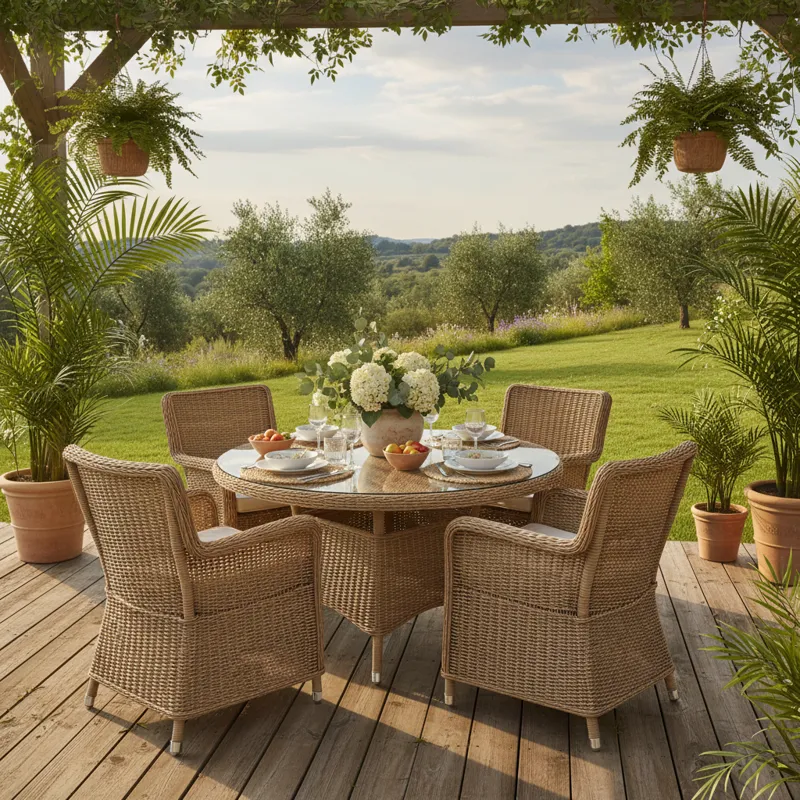
If you’re looking for real wood dining room table sets for indoor use, the considerations are quite different from those for outdoor spaces. When it comes to furnishing your patio or deck, an outdoor wicker dining set often emerges as a top contender, blending classic aesthetic appeal with modern durability. In 2026, the market for outdoor furniture continues to evolve, offering increasingly sophisticated options that can withstand diverse US climates while providing comfortable, stylish dining areas. Choosing the right outdoor wicker dining set isn’t just about finding a good deal; it’s about investing in a functional centerpiece for your outdoor living that will endure years of sunlight, rain, and family gatherings. This guide will walk you through the essential factors for selecting a high-quality outdoor wicker dining set, ensuring it meets your needs for longevity, comfort, and style.
Understanding Outdoor Wicker: Beyond the Traditional
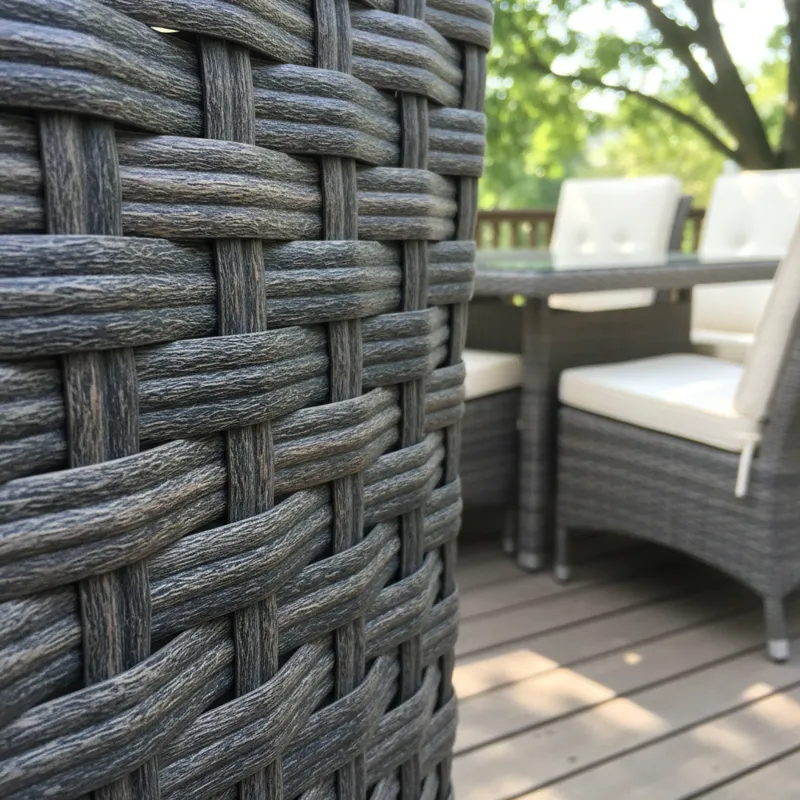
The term “wicker” actually refers to a weaving technique, not a material itself. Historically, natural materials like rattan, willow, or bamboo were woven into furniture. While beautiful, these natural fibers aren’t ideal for prolonged exposure to outdoor elements, especially in the varied climates across the United States. They tend to rot, crack, or fade quickly without extensive care. This is where synthetic wicker, often called “all-weather wicker” or “resin wicker,” comes in.
Synthetic wicker is engineered specifically for outdoor use. It’s designed to replicate the appearance and texture of natural wicker but with vastly superior weather resistance. This innovation has revolutionized outdoor dining, allowing homeowners to enjoy the classic look of wicker without the constant worry of damage from sun, rain, or humidity.
In today’s market, nearly all outdoor wicker dining sets are made from these synthetic alternatives. If a set doesn’t explicitly state it’s “all-weather” or “resin” wicker, it’s wise to assume it’s not truly designed for continuous outdoor exposure.
The Dominant Material: Polyethylene (PE) Rattan
Among synthetic wickers, polyethylene (PE) rattan is the gold standard. It’s a high-density, UV-resistant plastic that’s extruded into strands, which are then woven over a frame. PE rattan is preferred for several key reasons:
- UV Resistance: It holds its color well, resisting fading and becoming brittle under intense sun. High-quality PE rattan contains UV inhibitors mixed into the resin during manufacturing.
- Water Resistance: It’s non-porous, so it doesn’t absorb water, preventing mold, mildew, and rot.
- Durability: It’s flexible enough to prevent cracking and strong enough to withstand daily use. It also resists temperature fluctuations.
- Appearance: Modern PE rattan can mimic natural wicker remarkably well, offering a range of colors and textures from smooth to textured, flat to round profiles.
Less common, and generally inferior, synthetic wickers include PVC (polyvinyl chloride) and nylon. PVC tends to become brittle in cold weather and warp in heat, while nylon can absorb moisture and degrade over time. Always prioritize PE rattan for an outdoor wicker dining set that’s built to last.
Frame Construction: The Unseen Foundation of Durability
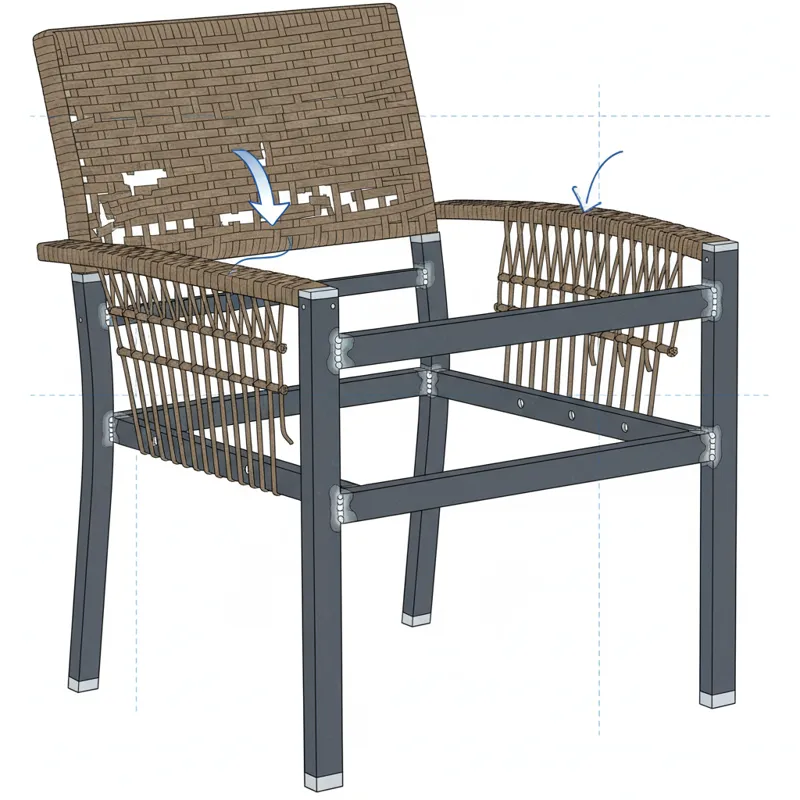
While the wicker itself is important, the frame underneath is truly the backbone of any quality outdoor dining set. A robust frame ensures structural integrity and longevity. You’re typically looking at two primary materials for outdoor furniture frames: aluminum and steel.
Aluminum: The Superior Choice for Outdoor Wicker Dining Sets
Aluminum frames are widely considered the best option for outdoor furniture, particularly for an outdoor wicker dining set. Here’s why:
- Rust-Proof: Aluminum naturally resists rust and corrosion, a critical factor for furniture exposed to rain, humidity, and even coastal salty air. This eliminates the unsightly red stains and structural weakening associated with rust.
- Lightweight: Despite its strength, aluminum is light, making it easy to rearrange your patio dining set wicker or move it for cleaning and storage.
- Strong: When properly constructed with welded joints, aluminum frames provide excellent stability and support.
- Low Maintenance: It doesn’t require special treatment to maintain its rust-proof properties.
Look for powder-coated aluminum frames. Powder coating is a durable finish applied as a dry powder and then baked on, creating a harder, more uniform surface than traditional liquid paint. This adds an extra layer of protection against scratches and environmental wear.
Steel: A Budget-Friendly Alternative, with Caveats
Steel frames, particularly those made from iron or tubular steel, are heavier and often more affordable than aluminum. However, they come with significant drawbacks for outdoor use:
- Rust Risk: Steel rusts. Even with powder coating, if the finish chips or scratches, moisture will penetrate and rust will begin. This can quickly compromise the structural integrity and appearance of your outdoor wicker dining set.
- Weight: While stability can be a benefit in windy conditions, the sheer weight can make moving furniture difficult.
If you opt for a steel frame to manage your budget, ensure it’s thoroughly galvanized (coated with zinc for rust protection) and then powder-coated. Even then, expect to be vigilant about touch-ups and potentially covering the furniture in adverse weather to prevent rust.
Cushions and Tabletops: Comfort and Functionality
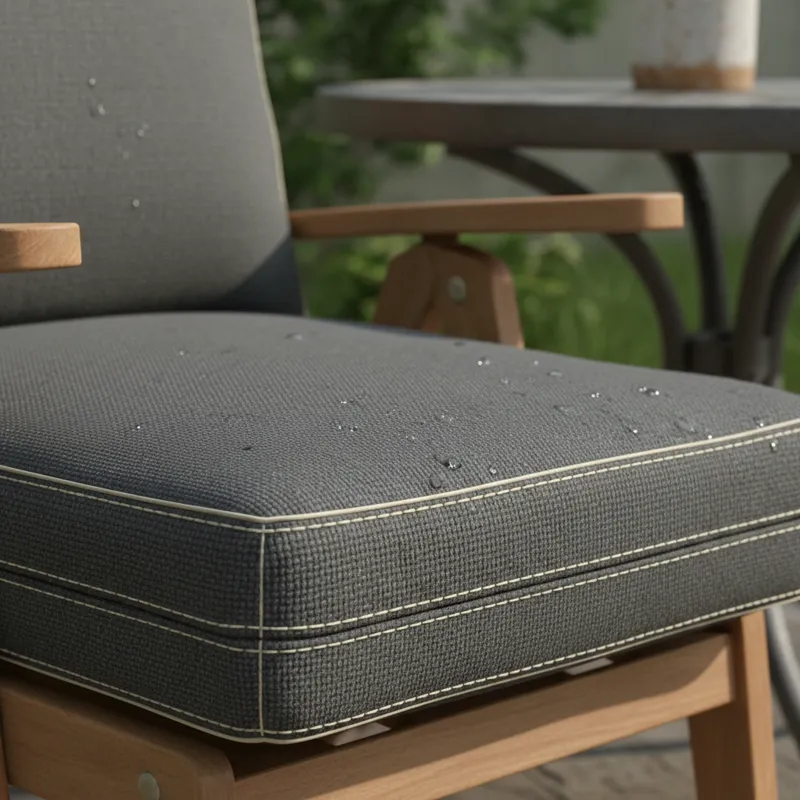
Beyond the frame and wicker, the elements you interact with most directly are the cushions and the tabletop. These components significantly impact comfort, aesthetics, and the overall usability of your outdoor wicker dining set.
Choosing Resilient Cushions
Cushions transform a functional outdoor wicker dining set into a comfortable oasis. For outdoor use, the fabric and filling must withstand the elements:
- Fabric: Look for solution-dyed acrylic fabrics like Sunbrella, Outdura, or similar high-performance textiles. These fabrics are engineered for outdoor use, offering exceptional resistance to UV fading, mildew, and stains. They’re also often breathable, quick-drying, and easy to clean. Avoid standard indoor fabrics, as they will quickly degrade and fade outdoors.
- Foam Filling: Open-cell foam is ideal for outdoor cushions. Unlike closed-cell foam, open-cell foam allows water to drain through quickly, preventing mold and mildew growth and ensuring rapid drying after rain. Some high-end cushions even incorporate a breathable mesh bottom for enhanced drainage.
- Construction: Check for durable zippers for easy removal of covers for cleaning, and strong stitching that won’t unravel with use.
Quality cushions are often the most expensive component of an outdoor wicker dining set, but they’re a worthwhile investment for long-term comfort and durability.
Durable Tabletops for Outdoor Dining
The tabletop of your outdoor wicker dining set needs to be as robust as the chairs. Common options include:
- Tempered Glass: This is a popular choice, often resting on a wicker base. Tempered glass is stronger and safer than regular glass; if it breaks, it shatters into small, blunt pieces. It’s easy to clean but can show fingerprints and scratches, and in direct sun, it can create glare or magnify heat.
- Polywood/HDPE: High-density polyethylene (HDPE) lumber, often branded as Polywood, offers excellent durability. It’s made from recycled plastics, resistant to fading, cracking, and rot, and requires virtually no maintenance. It mimics the look of painted wood without the upkeep. For those considering a solid wood extendable table indoors, Polywood offers similar functionality and durability outdoors.
- Ceramic Tile: Some outdoor tables feature ceramic or porcelain tile tops. These are very durable, heat-resistant, and relatively easy to clean. However, grout lines can accumulate dirt and require more effort to clean, and individual tiles can crack if heavy objects are dropped on them.
- Aluminum Slats: A modern and minimalist option, these tables are entirely made of powder-coated aluminum, matching the frame. They are extremely durable and low maintenance.
Consider your aesthetic preference, maintenance tolerance, and how the table will be used when selecting the top material.
Sizing Your Outdoor Wicker Dining Set: Finding the Right Fit
An outdoor dining set is a significant purchase, and getting the size right is crucial for both functionality and aesthetics. You want enough space for comfortable dining without overcrowding your patio or deck. This involves considering both the number of seats and the overall footprint of the set.
Capacity: Outdoor Wicker Dining Set for 4, 6, or More?
The most common sizes for an outdoor wicker dining set are:
- Outdoor Wicker Dining Set for 4: Ideal for smaller patios, balconies, or couples. These typically feature a round or square table measuring 36-48 inches across. They offer a cozy dining experience without taking up too much room.
- Outdoor Wicker Dining Set for 6: A popular choice for families and those who entertain regularly. These sets usually come with rectangular or oval tables, 60-72 inches in length. This size strikes a good balance between seating capacity and space requirements.
- Outdoor Wicker Dining Set for 8 or More: Perfect for larger gatherings and spacious outdoor areas. These sets feature longer rectangular tables, often 80 inches or more, or large round/oval tables. Some modular designs allow for expansion, much like a pedestal dining set with leaf that can be adjusted for different occasions.
When thinking about capacity, consider how often you’ll actually use all the seats. An outdoor wicker dining set for 4 might suffice for daily use, even if you entertain larger groups occasionally, as guests can use other outdoor seating.
Measuring Your Space
Before you even look at sets, measure your outdoor area. Here’s a simple rule of thumb:
- Measure the length and width of the area where you intend to place the dining set.
- Subtract at least 36-48 inches (90-120 cm) from each side of the dining table’s dimensions. This provides enough clearance for chairs to be pulled out comfortably and for people to walk around the table without bumping into walls or other furniture.
- Don’t forget to account for any other elements in the space, such as grills, planters, or pathways.
For example, if you have a patio that’s 10×12 feet, a 6-foot rectangular table (72 inches) would leave about 2 feet of clearance on the long sides if pushed against one short wall, which might be tight. A 4-foot (48-inch) round table would feel much more open.
Design Trends and Aesthetics for 2026
In 2026, outdoor furniture design continues to blend durability with sophisticated aesthetics. An outdoor wicker dining set is no longer just a functional item; it’s an extension of your home’s style. Here are some prevailing trends:
- Modern Minimalism: Clean lines, geometric shapes, and a restrained color palette dominate. Think charcoal grey, deep navy, or stark white wicker paired with sleek aluminum frames and simple cushion designs. This style often favors integrated tables and armrests.
- Natural & Organic Textures: While synthetic, the desire for natural aesthetics remains strong. Sets with wider, flatter wicker weaves that closely mimic natural rattan, often in earthy tones like driftwood grey or muted browns, are popular. Tabletops often feature materials like faux wood (HDPE) or stone-look ceramic.
- Comfort-First Design: Cushions are becoming thicker and more plush, emphasizing a lounge-like dining experience. Deep seating options are extending to dining sets, blurring the lines between outdoor dining and living areas.
- Mixed Materials: Pairing wicker with other materials is a strong trend. An outdoor wicker dining set might feature a teak or faux wood tabletop, or chairs with wicker bodies but metal or stone accents. This adds visual interest and a custom feel.
- Modular Versatility: The ability to reconfigure seating arrangements is highly valued. Many dining sets, especially larger ones, offer individual chair components that can be moved or combined.
When selecting your patio dining set wicker, consider the architectural style of your home and the existing decor of your outdoor space. A cohesive look creates a more inviting and harmonious environment.
Maintenance and Longevity of Your Outdoor Wicker Dining Set
One of the key advantages of a high-quality outdoor wicker dining set is its relatively low maintenance. However, “low maintenance” doesn’t mean “no maintenance.” A little care goes a long way in preserving its appearance and extending its lifespan.
Routine Cleaning
The most important maintenance task is regular cleaning. Dust, pollen, bird droppings, and general grime can accumulate:
- Weekly/Bi-Weekly: Wipe down the wicker with a soft cloth and a solution of mild soap (like dish soap) and water. Use a soft brush (like an old toothbrush) for hard-to-reach crevices in the weave. Rinse thoroughly with a hose, ensuring no soapy residue remains, and let it air dry.
- Cushions: Most outdoor cushion covers are removable and machine washable. Follow the manufacturer’s instructions for specific care. Spot clean spills immediately with a mild soap solution.
- Tabletops: Glass tops can be cleaned with glass cleaner. HDPE and aluminum tops simply need soap and water. Ceramic tops may require occasional scrubbing of grout lines.
Avoid harsh chemical cleaners, abrasive brushes, or pressure washers, as these can damage the wicker finish or fabric.
Protection from the Elements
While an outdoor wicker dining set is designed to be weather-resistant, extra protection can significantly extend its life:
- Covers: Investing in high-quality, breathable outdoor furniture covers is highly recommended, especially during prolonged periods of non-use, heavy rain, or harsh winter conditions. Covers protect against UV degradation, dirt, and moisture.
- Seasonal Storage: If you live in an area with extreme winters or hurricane seasons, consider storing cushions indoors during these periods. If possible, storing the entire outdoor wicker dining set in a garage or shed will provide maximum protection.
- Shade: Positioning your set under a patio umbrella, pergola, or shaded area can reduce UV exposure and keep it cooler, further preserving the wicker and cushion fabric.
Even with PE rattan, continuous, intense UV exposure over many years will eventually lead to some material degradation. Proactive protection slows this process significantly.
Things People Usually Miss When Buying Outdoor Wicker Dining Sets
When investing in an outdoor wicker dining set, many buyers focus primarily on the aesthetics and seating capacity. While these are important, several less obvious factors can significantly impact your long-term satisfaction and the set’s durability.
The Quality of the Weave and Wicker Profile
It’s easy to assume all synthetic wicker is the same. It’s not. Cheaper sets often use flat, thin wicker strands that are loosely woven. This can lead to sagging, unraveling, and a less premium look over time. Look for:
- Tightly Woven Strands: The wicker should feel taut and firm. There shouldn’t be large gaps in the weave that can collect debris or allow the frame to show through.
- Full-Circumference Weave: Ensure the wicker is woven all the way around the frame, including less visible areas like the underside of the chair seats or table edges. Incomplete weaving indicates cost-cutting.
- Consistent Color: The color should be uniform across all strands and components, without streaks or patches.
- Wicker Profile: Round or half-round wicker (thicker strands) generally offers a more luxurious look and feel, and often indicates higher quality construction compared to thin, flat wicker.
Leg Caps and Floor Protection
This small detail is often overlooked but crucial for both your furniture and your patio surface. Quality outdoor furniture should have non-marring feet or leg caps made of durable plastic or rubber. These prevent the metal frame from scratching your deck or patio, and also protect the frame itself from direct contact with wet surfaces, which can be a rust accelerant even for aluminum if the coating is compromised.
Assembly Quality and Hardware
If you’re buying a flat-pack outdoor wicker dining set, the quality of the hardware and the ease of assembly are critical. Cheap sets often come with flimsy hardware that strips easily, misaligned holes, or instructions that are impossible to follow. Look for sets with stainless steel hardware, clear instructions, and well-fitting components. Better yet, pre-assembled or minimal assembly sets often speak to higher manufacturing standards.
Warranty Details
Always check the warranty. A reputable manufacturer will offer a warranty that covers the frame and the wicker against defects and significant fading. A good warranty for synthetic wicker should be at least 3-5 years, often longer for high-end brands, demonstrating confidence in their product’s longevity. Pay attention to what the warranty explicitly covers and excludes, especially regarding UV degradation of the wicker and rust on steel frames.
Weight of the Furniture
While aluminum is lightweight, an extremely light outdoor wicker dining set can be unstable in windy conditions. There’s a balance. You want it light enough to move, but heavy enough to stay put. Heavier-gauge aluminum tubing generally signifies better stability. For a patio dining set wicker, you don’t want chairs easily blowing over in a gust.
Considering these often-missed details can save you from buyer’s remorse and ensure your outdoor wicker dining set provides lasting enjoyment.
FAQs About Outdoor Wicker Dining Sets
Is outdoor wicker truly weather-resistant?
Yes, modern outdoor wicker (specifically PE rattan) is highly weather-resistant. It’s designed to withstand UV radiation from the sun, rain, and temperature fluctuations without fading, cracking, or growing mildew. However, “weather-resistant” doesn’t mean “indestructible.” Proper care and covers during extreme weather will significantly extend its lifespan.
How long do outdoor wicker dining sets last?
The lifespan depends heavily on the quality of the materials and how well it’s maintained. A high-quality PE rattan outdoor wicker dining set with an aluminum frame can last 10-15 years, or even longer, with proper care and covering. Cheaper sets with inferior materials or steel frames might only last 2-5 years before showing significant wear.
Can I leave my outdoor wicker dining set out all year in harsh climates?
While synthetic wicker is robust, continuous exposure to extreme conditions (e.g., heavy snow and ice, scorching sun, prolonged humidity) without protection will shorten its lifespan. In harsh climates, it’s always best to cover the set with breathable furniture covers, and ideally, store cushions indoors during the off-season. For extremely cold or wet winters, consider storing the entire set in a sheltered area if possible.
How do I clean mold or mildew off outdoor wicker?
For mold or mildew, mix a solution of one part bleach to four parts water (or use a specialized outdoor furniture cleaner). Apply it to the affected areas with a soft brush, let it sit for a few minutes, then scrub gently. Rinse thoroughly with clean water and let it air dry completely in the sun. Always test the solution on an inconspicuous area first to ensure it doesn’t affect the wicker’s color. Regularly cleaning and ensuring proper drainage can prevent mildew growth.
Is outdoor wicker comfortable without cushions?
While the woven nature of wicker can offer some give, most outdoor wicker dining sets are designed to be used with cushions for optimal comfort. The weave itself is firm, and prolonged sitting directly on it can be uncomfortable. Cushions also enhance the aesthetic and protect the wicker from direct contact with clothing, which can cause friction wear over time.
What’s the difference between rattan and wicker for outdoor furniture?
Rattan is a natural material (a type of palm) used in weaving. Wicker is the process of weaving. For outdoor furniture, “wicker” almost always refers to synthetic resin wicker (PE rattan) because natural rattan is not suitable for outdoor use due to its susceptibility to moisture and UV damage. So, while natural rattan can be woven into wicker furniture, outdoor wicker furniture today is made from synthetic, weather-resistant materials.
Can I paint or stain my outdoor wicker dining set?
It’s generally not recommended to paint or stain synthetic outdoor wicker. Unlike wood furniture, such as walnut furniture or reclaimed wood dining chairs, synthetic wicker is designed to be color-fast, and painting it can lead to peeling, chipping, and an uneven finish. The paint won’t adhere properly to the smooth, non-porous surface, and it will likely compromise the material’s UV resistance. If you want a different color, it’s best to invest in a new set or use outdoor furniture covers to change the look.
Making Your Outdoor Dining Space a Reality in 2026
Choosing an outdoor wicker dining set means creating a dedicated space for meals, conversations, and memories under the open sky. By understanding the critical factors—from the resilience of PE rattan and the strength of aluminum frames to the comfort of quality cushions and the right sizing for your space—you can make an informed decision that pays dividends in comfort and durability. Invest wisely in a set that stands up to the demands of the US climate and the rhythm of your life, ensuring your outdoor dining experience remains a joy for many years to come.