A newel post stands as more than just a structural element in a staircase; it’s a foundational design statement, the anchoring point for your handrail, and a critical component for safety. As we look at home aesthetics and functionality in 2026, many of the trends and innovations from 2024 continue to hold strong, shaping choices for homeowners across the United States. Selecting the right newel post isn’t merely about picking a material or a style; it involves understanding its role in your home’s overall design, considering durability, and ensuring compliance with safety standards. This guide will walk you through the top newel post considerations from 2024 that still resonate today, helping you make an informed decision for your renovation or new build.
Understanding the Role of a Newel Post in Your Home
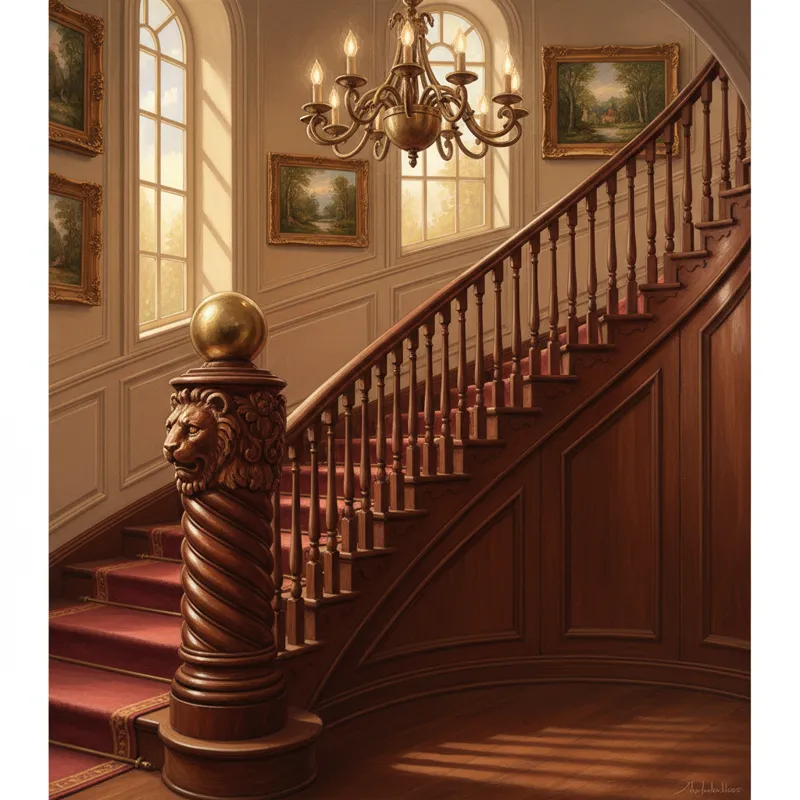
At its core, a newel post serves as a primary vertical support for a stair railing. It acts as the anchor for the handrail at the top or bottom of a staircase, or at intermediate landings. Without a sturdy newel post, a balustrade system lacks the rigidity needed for safe use. Beyond its functional role as a primary stair railing support, the newel post is often the first and most substantial piece of the staircase visible. It sets the tone for the entire stairway design, influencing everything from the choice of balusters to the handrail profile. Historically, newel posts were purely functional, often simple and unadorned. Over centuries, they evolved into significant decorative elements, reflecting architectural styles from grand Victorian homes to sleek modern residences. In today’s homes, the newel post is a critical design feature that can either complement or dramatically transform a space.
Essential Components of a Stair System
- Newel Post: The main vertical support for the handrail.
- Handrail: The top rail that users grasp for support.
- Balusters: The vertical spindles or pickets that fill the space between the handrail and the floor/tread.
- Balustrade: The entire assembly of newel posts, handrail, and balusters.
- Treads & Risers: The horizontal steps and vertical components of the stair.
Key Considerations for Choosing a Newel Post
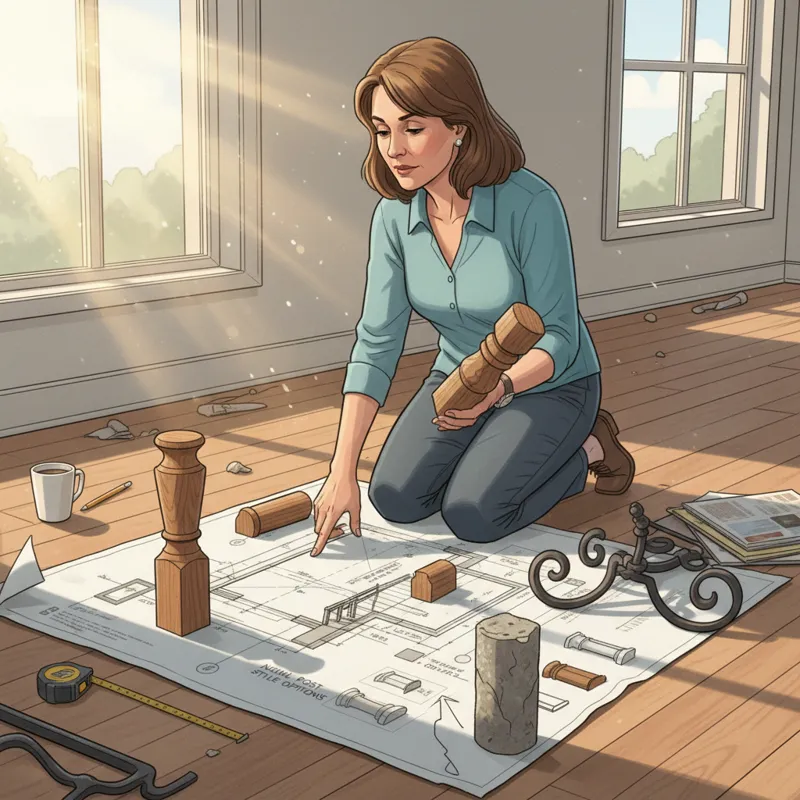
When you’re choosing a newel post, several factors come into play. These considerations were paramount in 2024 and remain crucial for any lasting home improvement project in 2026. Prioritizing these elements ensures you select a newel post that not only looks good but performs well and lasts for years.
Material Choices: Durability Meets Design
The material of your newel post profoundly impacts its durability, aesthetic, and maintenance requirements.
- Wood: The most common choice.
- Oak: Known for its strength, durability, and distinct grain pattern. Oak newel designs are timeless and highly versatile, taking stains and finishes beautifully. It’s a premium choice for its longevity.
- Maple: Offers a smoother, finer grain than oak, providing a more uniform finish. It’s very hard and durable, excellent for contemporary or painted applications.
- Cherry: Features a rich, reddish-brown hue that deepens with age. It’s a softer hardwood but offers a luxurious, classic appearance.
- Poplar: A softer hardwood, often chosen for painted applications due to its smooth finish and lower cost. It’s less durable for heavy impacts but ideal when covered.
- Metal: Offers strength, modern aesthetics, and lower maintenance.
- Wrought Iron: Provides a classic, ornate, and grand look. Highly durable and often custom-fabricated.
- Steel: Sleek, minimalist, and very strong. Often used in contemporary or industrial designs, sometimes combined with wood elements.
- Aluminum: Lighter than steel or iron, corrosion-resistant, and good for exterior applications. Can be powder-coated in various colors.
- Composite/Engineered Materials: Increasingly popular for their consistency, stability, and often lower cost. They can mimic wood or stone and offer good resistance to warping and pests, particularly good for exterior newel posts.
Style and Design Trends (Influenced by 2024)
Design trends from 2024 emphasized a balance between classic elegance and modern minimalism, a philosophy that continues to thrive.
- Box Newel: Characterized by its square or rectangular shape, often with flat panels or simple lines. A box newel can range from traditionally ornate to strikingly minimalist, making it incredibly versatile. It’s a favorite for Craftsman, Mission, and transitional homes.
- Turned Newel: Features decorative lathe work, creating intricate patterns, fluting, or spirals. A turned newel typically evokes more traditional or ornate styles like Victorian, Colonial, or Georgian.
- Contemporary/Minimalist: Often features clean lines, simple forms, and materials like metal, glass, or a combination of wood and metal. These newel posts are about understated elegance and openness.
- Craftsman: Emphasizes robust, square forms, often with chamfered edges or modest detailing, reflecting an appreciation for honest materials and skilled workmanship.
Installation and Safety Considerations
A newel post must be securely anchored to the floor structure to withstand lateral forces. Building codes, such as those governed by the International Residential Code (IRC) in the US, stipulate minimum force requirements for guardrails (typically 200 lbs of concentrated load). This is where professional installation truly shines. For larger home renovation projects, especially those involving structural changes, ensuring proper installation aligns with the broader needs addressed by services like Accurate Home Inspections. They can assess the overall integrity that supports such fixtures. DIY installation is feasible for experienced homeowners, but professional installation ensures structural integrity and code compliance. Incorrect installation can lead to a wobbly railing, creating a significant safety hazard.
The 10 Best Newel Post Styles of 2024 (Still Highly Relevant in 2026)
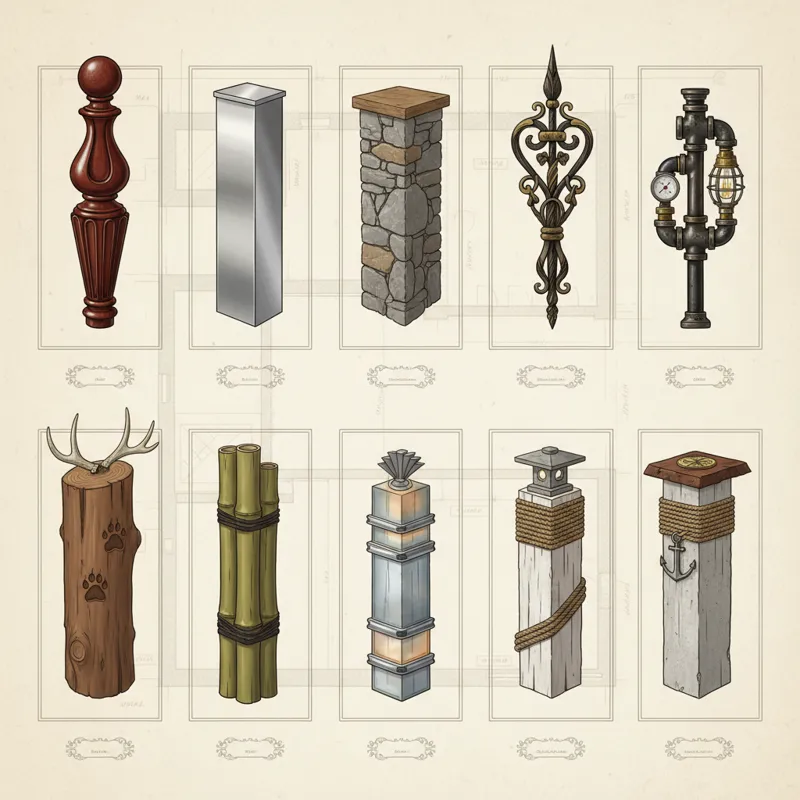
When we look back at the top newel post choices from 2024, the “best” often came down to a blend of timeless appeal, adaptability to current design trends, and inherent quality. These aren’t specific product models but rather archetypal styles and material combinations that consistently deliver on aesthetics and functionality.
1. The Classic White Oak Box Newel
This selection represents enduring popularity. The classic white oak box newel, often with clean lines and slightly chamfered edges, was a top performer. Its robust construction and natural resistance to wear and tear made it a favorite. White oak’s subtle grain and lighter tone allow it to integrate seamlessly into a wide range of interiors, from modern farmhouse to contemporary. Homeowners appreciate its ability to be stained to match existing flooring or left natural for a Scandinavian-inspired look. As a solid anchor, it excels as a handrail termination post, providing unwavering support.
2. The Elegant Turned Maple Newel
For those seeking a more traditional and refined aesthetic, the elegant turned maple newel stood out. Maple’s smooth, fine grain allows for incredibly precise lathe work, resulting in intricate profiles like fluting, reeding, or classic urn shapes. These newel posts provide a touch of grandeur and artistry, often becoming the focal point of a traditional staircase. Maple also takes paint exceptionally well, making it a popular choice for bright, painted balustrades in Colonial or Victorian-style homes. Its strength ensures it functions perfectly as a key balustrade upright.
3. The Modern Steel & Wood Combination Newel
Reflecting the rise of mixed-material designs in 2024, newel posts that combined the warmth of wood (often walnut or white oak) with the sleekness of steel were highly sought after. These designs typically feature a solid wood core or cap, paired with slender steel vertical elements or a steel base. This combination offers a striking contemporary look, ideal for industrial-chic, minimalist, or transitional spaces. The inherent strength of steel provides exceptional stability, making it an excellent choice for a sturdy stair railing support system.
4. The Craftsman-Style Square Newel
The Craftsman style continues its unwavering appeal, and its characteristic square newel post was a top contender. These posts are typically substantial, with clean, unfussy lines, sometimes featuring simple recessed panels or a pyramid-shaped cap. Made often from robust woods like white oak, Douglas fir, or cherry, they embody durability and an honest appreciation for natural materials. The craftsman newel provides a strong, grounding presence, perfect for homes emphasizing artisanal quality and rustic charm.
5. The Mission-Inspired Simple Box Newel
Closely related to the Craftsman, the Mission-style simple box newel emphasizes purity of form and function. It’s characterized by straight, unadorned vertical lines and a solid, rectilinear structure. Often crafted from quartersawn oak to highlight its unique grain, this newel post eschews ornamentation for strength and clarity. Its straightforward design makes it incredibly adaptable to various interiors, particularly those favoring timeless simplicity and durability.
6. The Versatile White Painted Poplar Newel
For homeowners on a budget or those desiring a bright, consistent aesthetic, the white painted poplar newel was a perennial favorite. Poplar is a cost-effective hardwood that’s excellent for painting due to its smooth texture and minimal grain. When properly primed and painted, it offers a pristine, clean look that brightens stairwells and complements a wide range of decor, from traditional to coastal. While less resistant to impact than oak, its affordability and finish quality make it a practical and popular choice.
7. The Grand Wrought Iron Statement Newel
For a truly dramatic and artistic stair system, the wrought iron statement newel was a standout in 2024. These posts are often custom-fabricated, featuring elaborate scrollwork, intricate patterns, or strong, sculptural forms. Wrought iron newel posts convey a sense of classic grandeur and artisanal craftsmanship. They are incredibly durable and low-maintenance, requiring only occasional cleaning. While often associated with more traditional European-inspired designs, simpler wrought iron designs can also integrate into modern industrial aesthetics.
8. The Minimalist Metal Rod Newel
Embracing pure minimalism, newel posts consisting of a single, sturdy metal rod (often stainless steel or black powder-coated steel) gained traction. These designs aim to maximize visual openness, blending seamlessly into modern interiors where light and space are paramount. They offer exceptional strength as a balustrade upright while maintaining a barely-there aesthetic. This style often pairs with glass panels or thin metal balusters for an airy, contemporary staircase.
9. The Transitional Fluted Newel
Bridging the gap between traditional and contemporary, the transitional fluted newel post offered a sophisticated compromise. It typically takes a box newel form but incorporates vertical fluting (grooves) or subtle paneling, offering a touch of classic detail without being overly ornate. Often made from cherry or stained maple, these newel posts provide visual interest and texture while maintaining clean lines. They are ideal for homes that blend classic elements with modern sensibilities, a prevalent design philosophy in 2024.
10. The Heavy-Duty Exterior Composite Newel
While focusing on interior posts, 2024 also saw significant advancements in exterior newel posts. The heavy-duty exterior composite newel earned its place for its resilience. Made from weather-resistant materials like PVC, high-density polyethylene (HDPE), or cellular vinyl, these posts offer superior durability against moisture, UV rays, and pests. They require minimal maintenance, never rot, and can be painted to match exterior trim. They are essential for outdoor decks, porches, and entryways, providing reliable stair railing support in harsh conditions. For any exterior structural elements, understanding the role of proper foundation and groundworks inspections is crucial to ensuring long-term stability and safety.
Installation: DIY vs. Professional and Associated Costs
Installing a newel post is more involved than simply screwing it into the floor. It requires precision, knowledge of structural anchoring, and adherence to safety codes.
DIY Installation
Many handy homeowners can install a newel post, especially if it’s a direct replacement and the existing anchor points are sound. You’ll need woodworking skills, the right tools (drills, levels, saws, fasteners), and a good understanding of load-bearing principles. The main cost here is materials and your time. However, incorrect installation can compromise the safety of your entire stair system.
Professional Installation
Hiring a professional ensures your newel post is installed securely, meets all local building codes, and looks aesthetically perfect. Professionals have the specialized tools, experience, and knowledge to handle complex anchoring methods, such as through-floor bolting or hidden bracket systems.
- Costs: Professional installation for a single newel post can range from $200 to $800, depending on the complexity of the installation, the type of post, and regional labor rates. This cost typically doesn’t include the price of the newel post itself. For a full staircase renovation including multiple newel posts and balustrades, costs can quickly escalate. Considering these investments, it’s wise to ensure your home’s underlying systems are in good order, much like one would consider plumbing inspection before a major bathroom remodel.
Building Codes and Safety
The primary goal of a newel post and balustrade system is safety. In the U. S., the International Residential Code (IRC) provides guidelines for residential stairways, including:
- Handrail Height: Typically 34 to 38 inches measured vertically from the nosing of the tread.
- Baluster Spacing: A 4-inch sphere should not pass between balusters or between the baluster and the newel post.
- Strength: The handrail and guards must withstand a concentrated load of 200 pounds applied in any direction. Always consult your local building department for specific requirements in your area, as codes can vary. For more detailed information on residential building codes and safety standards, resources like state building code websites or the Wikipedia page on Newels can offer valuable context.
Maintenance Tips for Your Newel Post
Proper maintenance extends the life and beauty of your newel post.
- Regular Cleaning: Dust newel posts and handrails regularly with a soft cloth. For wooden posts, use a wood-safe cleaner or a damp cloth followed by immediate drying.
- Inspect for Looseness: Periodically check if the newel post feels loose or wobbly. Tighten fasteners if accessible, or consult a professional if the movement persists. A loose newel post is a safety hazard.
- Address Scratches and Dings: For wooden posts, minor scratches can often be touched up with wood repair markers or furniture polish. Deeper gouges might require sanding and refinishing.
- Protect from Moisture: For interior posts, avoid excessive moisture. For exterior composite newel posts, simply clean them with soap and water periodically.
- Reapply Finish: Depending on usage and sun exposure, wooden newel posts might benefit from a fresh coat of clear finish or stain every few years to protect the wood and restore its luster.
What Most People Get Wrong When Choosing a Newel Post
It’s easy to overlook crucial details when selecting a newel post, leading to common missteps that impact both aesthetics and function.
- Underestimating Scale: Many homeowners pick a newel post that’s too small or too large for their staircase and overall space. A grand staircase demands a substantial newel post, while a narrower, more intimate stair benefits from a less imposing design. An undersized post can look flimsy, while an oversized one can overwhelm the space.
- Ignoring Compatibility with Balusters: The newel post, handrail, and balusters form a cohesive system. Choosing a newel post style that clashes with your chosen balusters (e.g., an ornate turned newel with ultra-modern metal balusters) creates a disjointed look.
- Neglecting Finish Consistency: If your newel post is wood, ensuring its stain or paint finish harmonizes with existing wood elements (flooring, trim, doors) is critical. A mismatched finish can make the newel post look like an afterthought rather than an integral part of the home.
- Prioritizing Looks Over Safety: While aesthetics are important, the primary function of a newel post is safety. Some budget options might look decent but lack the structural integrity or proper anchoring mechanisms needed to meet safety codes. Always ensure the chosen newel post can be securely installed to prevent movement.
- Forgetting Future Maintenance: Some intricate designs, especially in turned newel posts, can be dust traps and more challenging to clean. Choosing a newel post that fits your willingness to maintain it can save frustration in the long run.
Frequently Asked Questions About Newel Posts
What is the difference between a newel post and a baluster?
A newel post is the primary, robust vertical post that anchors the handrail at the beginning, end, or at turns in a staircase. Balusters are the smaller, more numerous vertical spindles that fill the space between the handrail and the treads or floor, providing infill and secondary support. A newel post is a foundational element; balusters are infill components.
Can I replace just my newel post without replacing the entire railing?
Yes, it’s often possible to replace just the newel post if the rest of your balustrade system (handrail, balusters) is in good condition. However, this requires careful removal of the old post and precise fitting of the new one to ensure the handrail aligns correctly and remains stable. Sometimes, a professional might need to adjust the handrail length or connection points.
How do I know if my newel post is loose?
Grasp the newel post firmly and try to shake it. If it moves or wobbles significantly, it’s loose. You might also hear creaking sounds when people use the handrail. A loose newel post is a serious safety concern and should be addressed immediately by tightening its fasteners or having a professional re-anchor it.
Are there exterior newel posts?
Yes, many homes, especially those with decks, porches, or exterior stairs, utilize exterior newel posts. These are specifically designed to withstand outdoor elements, often made from weather-resistant materials like treated wood, composite, or powder-coated metals. They are crucial for supporting exterior railings and ensuring safety outdoors.
What’s the best material for a newel post for durability?
For interior use, solid hardwoods like oak or maple offer excellent durability. For exterior applications, composite materials or treated lumber are highly durable choices due to their resistance to moisture, insects, and rot. Metal newel posts (steel, wrought iron) are also exceptionally durable and require minimal maintenance.
Final Thoughts
Choosing the right newel post is a decision that balances aesthetic desire with practical necessity. The trends and favored styles from 2024, focusing on both timeless classics and modern innovations, continue to offer excellent options for homeowners in 2026. By carefully considering material, style, installation requirements, and ongoing maintenance, you can select a newel post that not only elevates the beauty of your home but also provides a safe, sturdy foundation for your staircase for years to come.