

In 2026, homeowners are more attuned than ever to their property’s energy footprint and overall comfort. The garage, often an overlooked space, plays a significant role in both. Far from just a parking spot, today’s garage might be a workshop, a home gym, a storage area for sensitive items, or even an extension of your living space. If your garage feels like a freezer in winter and an oven in summer, it’s not just uncomfortable; it’s likely costing you money on energy bills, especially if it’s attached to your home.
Investing in insulated garage doors is one of the smartest upgrades you can make to improve your home’s energy efficiency, enhance comfort, and even boost your property value. This isn’t just about saving a few dollars; it’s about transforming a previously underutilized area into a functional, climate-controlled space. Let’s delve into what makes a great insulated garage door and explore some of the best options available to help you make an informed decision.
Understanding Insulated Garage Doors: Beyond the Basics
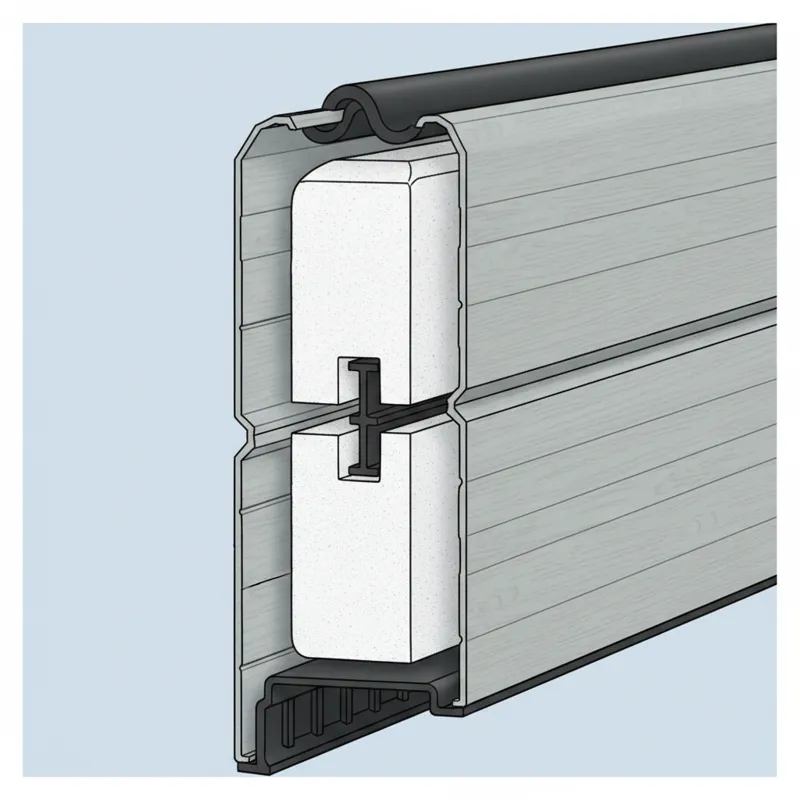
When we talk about insulated garage doors, we’re primarily focused on their ability to resist heat flow, measured by their R-value. A higher R-value indicates better insulating properties. But it’s not just the number that matters; it’s how that number is achieved and what other factors contribute to the door’s overall thermal performance.
The Science Behind the R-Value
The R-value is a measure of thermal resistance. Essentially, it tells you how effective a material is at preventing heat transfer. In the context of garage doors, this means keeping warm air in during winter and cool air in during summer. The insulation material itself plays a critical role.
- Polystyrene (EPS or XPS): Often found in two-layer (steel + insulation) or three-layer (steel + insulation + steel) doors. It’s a rigid foam board insulation. Polystyrene offers good R-values for its cost, with typical doors ranging from R-6 to R-12.
- Polyurethane: This is a high-density foam injected into the door panels, expanding to fill the entire cavity. It adheres directly to the steel skins, creating a strong, rigid panel. Polyurethane offers superior insulating properties per inch, leading to higher R-values (often R-12 to R-20+) in thinner doors. It also adds structural integrity to the door.
Construction Types: Layering for Performance
The way an insulated garage door is constructed significantly impacts its durability, sound dampening, and thermal performance:
- Single-Layer (Uninsulated): Not relevant here, but serves as a baseline. These are just a single sheet of steel.
- Double-Layer (Steel + Insulation): These doors have an outer steel skin and an inner layer of insulation (usually polystyrene), often covered by a vinyl backing. They offer basic insulation and a cleaner interior look than uninsulated doors.
- Triple-Layer (Steel + Insulation + Steel): Considered the gold standard for insulation and durability. These doors sandwich a thick layer of insulation (either polystyrene or polyurethane) between two steel skins. This construction provides the highest R-values, enhanced strength, and significantly better noise reduction.
Beyond the R-value, factors like thermal breaks, weather stripping, and proper installation are crucial. A thermal break, for instance, prevents heat from conducting through the door’s metal components, minimizing “thermal bridging” where heat can bypass the insulation layer. Just as a well-maintained silver tea set can be a lasting family heirloom, a high-quality insulated garage door is a durable investment that enhances your home’s long-term value and curb appeal.
Why Insulated Garage Doors Are a Smart Investment in 2026

The benefits extend far beyond just energy savings, making insulated garage doors a truly multifaceted upgrade for any homeowner:
1. Significant Energy Savings
This is the primary driver for many. An insulated garage door helps maintain a more stable temperature inside your garage, which directly impacts the energy consumption of your home. If your garage is attached, a poorly insulated door acts as a major thermal bridge, allowing hot or cold air to easily transfer into your living space, forcing your HVAC system to work harder. The U. S. Department of Energy provides excellent resources on understanding thermal performance and energy-efficient building materials, highlighting how proper insulation directly correlates to lower utility bills. This page on home insulation offers detailed insights into its impact on residential energy consumption.
2. Enhanced Comfort and Usability
Imagine using your garage as a comfortable workshop, a pet play area, or a home gym without battling extreme temperatures. Insulated garage doors make this possible. They help regulate the temperature, making the space more hospitable year-round. This is especially true if you live in a climate with harsh winters or sweltering summers.
3. Protection for Stored Items
Many items stored in garages, such as paint, sensitive tools, chemicals, electronics, and even certain foods, can be damaged by extreme temperature fluctuations. Insulation helps protect these investments by providing a more stable environment. This might even prevent damage to your vehicle’s battery or other components in very cold weather.
4. Noise Reduction
The denser construction of insulated garage doors, particularly triple-layer models with polyurethane foam, acts as a significant sound barrier. This means less outside noise penetrating your garage, and less garage noise (like power tools or an opener operating) disturbing your household or neighbors. Understanding the core components of your garage door’s thermal performance is akin to understanding the fundamental elements that contribute to healthy hair, much like exploring the advantages of a good tea tree conditioner.
5. Increased Home Value and Curb Appeal
A new, well-insulated garage door instantly updates the exterior of your home, offering one of the highest returns on investment among home improvement projects. Its energy efficiency is also a major selling point for prospective buyers, who are increasingly prioritizing sustainable and cost-effective homes.
6. Durability and Strength
Triple-layer insulated garage doors are inherently more rigid and durable than their single-layer counterparts. The insulation, especially polyurethane, bonds the two steel skins together, creating a robust panel that is more resistant to dents and dings and stands up better to strong winds and daily wear and tear.
7 Best Insulated Garage Door Categories, Suggested for You

Instead of specific brands, which can vary widely by region and change over time, we’ll focus on the categories of insulated garage doors that consistently deliver top performance and value. Your “best” choice will depend on your climate, budget, aesthetic preferences, and how you intend to use your garage space.
1. High R-Value Polyurethane-Injected Steel Doors
These are the champions of thermal performance. Featuring a dense layer of polyurethane foam injected between two heavy-gauge steel skins, they offer the highest R-values (typically R-12 to R-20+) and superior structural integrity. They are ideal for:
- Cold Climates: Essential for preventing heat loss in areas with harsh winters.
- Heated Garages: If you use your garage as a workshop or living extension, these maintain a stable temperature with minimal energy input.
- Noise Reduction: The dense foam significantly dampens sound.
Expect to pay a premium for these, but the long-term energy savings and durability often justify the cost. They are generally available in various panel designs and colors to match your home’s aesthetic.
2. Mid-Range Polystyrene-Insulated Steel Doors (Triple-Layer)
For many homeowners, these offer an excellent balance of performance and cost. They feature a layer of polystyrene insulation sandwiched between two steel skins, providing R-values typically ranging from R-9 to R-13. They are a strong contender for:
- Moderate Climates: Sufficient for most climates where extreme temperatures are less common.
- Attached Garages: Provides a good thermal barrier to prevent temperature transfer to your home.
- Budget-Conscious Buyers: A more affordable option than polyurethane without sacrificing too much performance.
These doors are robust, offer good dent resistance, and come in a wide array of styles, including carriage house, traditional raised panel, and contemporary designs. Just as a carefully brewed tea provides a serene experience, ensuring your garage is properly insulated creates a tranquil and functional extension of your home. You can even find inspiration for serene spaces from an article on the secrets of Boston Public Library Tea.
3. Heavy-Duty Polystyrene-Insulated Steel Doors (Double-Layer)
These doors typically feature an outer steel skin and an inner layer of rigid polystyrene, often backed with a vinyl or thin steel layer. Their R-values usually fall between R-6 and R-9. They are suitable for:
- Detached Garages: Where temperature regulation isn’t as critical for the main home, but some insulation is desired.
- Mild Climates: Where less extreme temperatures mean less demand on insulation.
- Basic Insulation Needs: A step up from uninsulated doors, offering improved comfort and protection for stored items at a lower price point.
While not as robust or energy-efficient as triple-layer options, they are a solid choice for those seeking a practical upgrade over a non-insulated door without a significant investment.
4. Wood Composite Insulated Doors
If curb appeal and a natural aesthetic are paramount, wood composite doors are an excellent choice. These doors are typically constructed with a composite wood overlay on an insulated steel core, or with an all-composite construction that incorporates insulation. R-values can vary significantly depending on the core, often ranging from R-6 to R-10+. They are great for:
- Traditional or Historic Homes: Offering the timeless look of wood without the high maintenance.
- Enhanced Curb Appeal: Provides a sophisticated, custom appearance.
- Sound Absorption: The combination of materials naturally provides good acoustic dampening.
These doors resist warping, cracking, and rot better than natural wood, offering beauty with less upkeep. They are usually painted or stained to mimic real wood species.
5. Full-View Aluminum with Insulated Glass Panels
For modern homes, showrooms, or even a garage converted into an indoor/outdoor living space, full-view aluminum doors offer a sleek, contemporary look. When properly specified, these can be surprisingly energy-efficient. Look for:
- Double-Pane or Triple-Pane Insulated Glass: Low-E coatings are essential for thermal performance.
- Thermally Broken Aluminum Frames: Critical to prevent heat transfer through the metal.
- High-Quality Weather Stripping: To seal gaps effectively.
R-values will generally be lower than solid steel doors (often R-4 to R-7 for the glass sections), but the aesthetic and natural light benefits are unmatched. These are specialized doors for specific design goals.
6. Vinyl Insulated Garage Doors
Vinyl doors are gaining popularity for their durability, resistance to dents and corrosion, and low maintenance. They are particularly well-suited for coastal regions or homes exposed to harsh weather. Many vinyl doors feature a polyurethane-insulated core, providing good R-values (typically R-10 to R-15). Consider them for:
- Coastal or High-Humidity Areas: Resists rust and saltwater corrosion.
- High-Traffic Garages: Vinyl flexes and resists denting better than steel.
- Low-Maintenance Homeowners: Easy to clean and never needs painting.
While typically lighter in weight, their construction with an insulated core provides ample strength and thermal performance. Aesthetics often mimic painted wood.
7. Fiberglass Insulated Garage Doors
Fiberglass doors offer a unique combination of aesthetic flexibility and performance. They are often constructed with a fiberglass skin over an insulated core (polystyrene or polyurethane) and a steel frame. They excel in:
- Mimicking Wood Grain: Fiberglass can be molded and stained to convincingly replicate the look of natural wood species without the maintenance.
- Dent Resistance: More resilient to impacts than steel.
- Corrosion Resistance: Excellent for humid or coastal environments.
R-values for fiberglass doors typically range from R-7 to R-12. They offer good thermal performance and a durable, attractive finish that holds up well to varying weather conditions.
What Most People Get Wrong About Insulated Garage Doors
It’s easy to focus solely on the R-value, but a truly energy-efficient garage door system requires attention to several other critical details:
Neglecting the “System”
Many homeowners think a high R-value door is all they need. However, the door is just one component of a larger system. The most common mistake is overlooking the seals around the door. If your brand-new, R-18 insulated door has gaps a quarter-inch wide around the perimeter or a worn-out bottom seal, you’re effectively negating much of that R-value. Air leakage can account for a significant amount of heat transfer. Prioritize high-quality weather stripping for the top, sides, and bottom of the door. The bottom seal, in particular, needs to conform to your garage floor, which is rarely perfectly level.
Underestimating Professional Installation
A poorly installed garage door, no matter how well-insulated, won’t perform optimally. Gaps, misalignment, and improper track installation not only reduce energy efficiency but can also lead to premature wear on components and safety issues. Professional installers ensure the door operates smoothly, the tracks are aligned, and all seals are properly fitted to maximize thermal performance and longevity. It’s a complex system of springs, cables, and motors that requires expertise to install correctly and safely.
Ignoring Thermal Breaks on Full-View Doors
For those opting for full-view aluminum and glass doors, failing to ensure the frames have thermal breaks is a significant oversight. Aluminum is highly conductive, meaning heat will easily transfer through the frame if there’s no barrier. A thermal break uses a non-conductive material to separate the inner and outer parts of the frame, significantly reducing heat transfer.
Forgetting About Window Glazing
If your insulated garage door includes windows, standard single-pane glass will undermine your insulation efforts. Always opt for double-pane or even triple-pane insulated glass, ideally with Low-E coatings or inert gas fills (like argon) to minimize heat transfer through the glass sections.
Overlooking Garage Door Opener Compatibility
While not directly related to insulation, some heavy, highly insulated doors require more powerful openers. Ensure your existing opener can handle the increased weight, or plan to upgrade it simultaneously. A strained opener will fail prematurely.
Focusing on these details ensures you’re not just buying an insulated door, but investing in a truly energy-efficient and functional garage door system.
Cost Considerations for Insulated Garage Doors in 2026
The cost of insulated garage doors varies widely based on material, R-value, construction type, style, and features. Here’s a general breakdown:
- Basic Insulated (Double-Layer Polystyrene, R-6 to R-9): Expect to pay anywhere from $700 to $1,500 for the door itself, not including installation. These are entry-level options for basic energy efficiency.
- Mid-Range Insulated (Triple-Layer Polystyrene or Polyurethane, R-9 to R-13): These typically range from $1,200 to $2,500. This is where most homeowners find a good balance of performance and value.
- High R-Value Premium (Triple-Layer Polyurethane, R-14 to R-20+): Prices can range from $2,000 to $4,000+, especially for custom sizes, unique finishes, or specific designs like carriage house styles.
- Specialty Materials (Wood Composite, Full-View Insulated Aluminum, Vinyl, Fiberglass): These doors, particularly those with custom finishes or specialized glass, can start at $2,000 and go upwards of $5,000 to $10,000 or more, depending on complexity and R-value.
Installation Costs: Professional installation typically adds $300 to $800 to the total cost, but this can vary based on location, complexity, and whether you need an old door removed and disposed of. This cost is a worthwhile investment to ensure proper function and thermal performance.
Maintaining Your Insulated Garage Door
While insulated garage doors are built for durability, regular, simple maintenance ensures they continue to perform optimally and last for years:
- Inspect Seals: Annually check all weather stripping around the perimeter and the bottom seal for cracks, tears, or compression. Replace them as needed to prevent air leaks.
- Clean Regularly: Wash the door with a mild detergent and water, especially if you have a painted or faux wood finish, to prevent dirt buildup and maintain its appearance.
- Lubricate Moving Parts: Annually apply a silicone-based lubricant to rollers, hinges, and springs. Avoid grease, which can attract dirt.
- Check Balance: With the door disconnected from the opener, manually lift it halfway. It should stay in place. If it drifts up or down, the springs may need adjustment by a professional.
- Test Opener Safety Features: Regularly test the auto-reverse and photo-eye safety features of your garage door opener to ensure safe operation.
Frequently Asked Questions About Insulated Garage Doors
Q: Is a higher R-value always better for an insulated garage door?
A: Not necessarily. While a higher R-value means better insulation, there’s a point of diminishing returns. The ideal R-value depends on your climate zone (e.g., a cold northern climate benefits more from R-12+ than a mild southern climate), whether your garage is attached or detached, and if it’s heated or cooled. For most attached garages in varied climates, an R-value of 9-12 is often a sweet spot for performance and cost. For heated garages in cold climates, R-16 or higher can be justified.
Q: Can I insulate my existing garage door myself?
A: Yes, you can add insulation kits to many existing non-insulated garage doors. These usually involve attaching rigid foam panels (like EPS) to the interior of the door panels. While this will improve thermal performance, it won’t achieve the same R-value or durability as a factory-insulated door with injected polyurethane or a triple-layer steel construction. It’s a good budget-friendly option, but a full replacement offers superior results.
Q: What’s the main difference between polystyrene and polyurethane insulation?
A: Polyurethane foam is injected into the door cavity, expanding to fill the entire space and bonding to the steel skins. This creates a stronger, more rigid panel with a higher R-value per inch of thickness. Polystyrene (often in board form) is typically cut to fit and placed within the door’s channels, sometimes with a vinyl backing. While effective, it generally provides lower R-values than polyurethane for the same thickness and doesn’t add the same structural rigidity.
Q: How long do insulated garage doors typically last?
A: A high-quality insulated garage door, properly installed and maintained, can last 15 to 30 years or even longer. Factors like climate, frequency of use, and the quality of components (springs, rollers, tracks) will influence its lifespan. The added strength of an insulated door, especially a triple-layer design, often contributes to its longevity.
Q: Does an insulated garage door really save money on energy bills?
A: Yes, absolutely. If your garage is attached to your home, an uninsulated garage door is a major weak point in your home’s thermal envelope. Upgrading to an insulated door significantly reduces heat transfer between the garage and your living space, allowing your HVAC system to run less often and more efficiently. The exact savings depend on your climate, the size of your garage, and your home’s existing insulation levels, but it’s a verifiable contributor to lower energy consumption.
Choosing the right insulated garage door is a practical step towards a more comfortable, energy-efficient, and valuable home. By understanding the types of insulation, construction methods, and critical installation details, you can make an informed decision that will benefit you for years to come.


