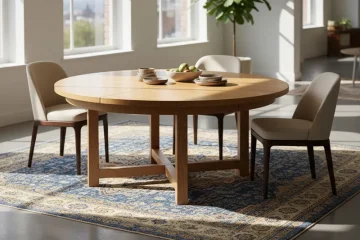
The farmhouse dining table has evolved beyond a mere piece of furniture; it’s become a cornerstone of home aesthetics, symbolizing warmth, gathering, and enduring style. In 2026, as home design continues its blend of tradition and modernity, finding the perfect farmhouse dining room table remains a priority for many. If you’re looking for farmhouse dining table sets, understanding the nuances of these pieces—from their construction to their ideal placement—is key to making an informed decision that will serve your household for years. This guide will help you navigate the choices, ensuring your table isn’t just beautiful, but perfectly functional for your life.
The Enduring Appeal of the Farmhouse Dining Table

The charm of a farmhouse dining table lies in its inherent sense of history and community, even if it’s a brand-new piece. It evokes images of shared meals, hearty conversations, and a connection to simpler times. This style isn’t just about aesthetics; it’s about creating a central hub in your home where life happens. It’s a versatile look that can anchor various interior designs, from traditional country to rustic modern farmhouse dining rooms, adapting without losing its core identity.
More Than Just a Table: A Lifestyle Statement
A farmhouse dining table often becomes the heart of a home. It’s where kids do homework, where friends gather for game nights, and where families celebrate holidays. This functionality, combined with its robust construction and welcoming appearance, makes it a popular choice. Its sturdy build often means it’s designed to withstand daily use and show wear gracefully, adding to its character rather than detracting from it.
Key Considerations When Choosing Your Farmhouse Dining Table

Selecting a farmhouse dining table involves more than just liking the look. You need to consider practical aspects like size, material, finish, and the overall style that best suits your home and family’s needs.
Size and Seating: Getting the Dimensions Right
One of the most critical decisions is the table’s size, which dictates both how many people you can comfortably seat and how well it fits into your dining space. You need adequate room for chairs to pull out and for people to walk around the table.
- Rectangular Tables: These are the most common shape for farmhouse tables, offering ample surface area.
- 60-72 inches (5-6 feet) long: Comfortably seats 4-6 people.
- 72-84 inches (6-7 feet) long: Seats 6-8 people.
- 84-108 inches (7-9 feet) long: Accommodates 8-10 people.
- Over 108 inches: Designed for large gatherings, seating 10 or more.
Typically, you need about 24-30 inches of table length per person.
- Round Tables: Farmhouse round dining tables for 6 or fewer create a more intimate dining experience, making conversation easier.
- 42-48 inches diameter: Seats 4 people.
- 48-60 inches diameter: Seats 4-6 people.
- 60-72 inches diameter: Seats 6-8 people.
- Oval Tables: These offer the visual softness of a round table with some of the space-saving benefits of a rectangular one, often seating more people than a round table of similar width.
- Expandable Options: If you frequently host guests but have limited everyday space, an expandable farmhouse table with leaves can be incredibly practical. It allows you to adjust the length as needed, providing flexibility.
Remember to account for at least 36-48 inches of clearance around the table on all sides, allowing chairs to be pulled out and people to move freely. This is a common measurement that designers use to ensure functional flow in a dining space.
Materials and Durability: Built to Last
The material of your farmhouse dining table is crucial for both its aesthetic and its longevity. Solid wood is the hallmark of this style.
- Solid Hardwoods:
- Oak: Known for its strength, durability, and prominent grain pattern. It resists dents and scratches well.
- Maple: A very dense wood, offering exceptional durability and a smoother, more subtle grain than oak.
- Cherry: Valued for its rich, warm color that deepens with age. It’s a strong wood but slightly softer than oak or maple.
- Walnut: A premium hardwood with a beautiful, dark grain and excellent strength.
These hardwoods are generally considered heirloom quality, capable of lasting generations with proper care. You can learn more about wood durability and types on resources like Wikipedia’s entry on wood finishing, which explains how various treatments affect wood properties.
- Reclaimed Wood: Offers unique character, often showing signs of its previous life. It’s inherently eco-friendly and adds authentic rustic charm. Reclaimed wood can be extremely durable, having already proven its resilience over time.
- Pine: A softer wood that is more susceptible to dents and scratches, but often more affordable. It takes stains well and is a popular choice for a true “country” feel, often seen in more rustic dining tables. Its “distressed” look is often part of its appeal.
- Mixed Materials: Some modern farmhouse designs incorporate metal bases or accents, adding an industrial touch to the traditional wood top. This can enhance durability and create a contemporary rustic dining table aesthetic.
Finishes: Protecting and Defining the Look
The finish applied to a farmhouse dining table not only protects the wood but also significantly impacts its final appearance.
- Natural/Clear Coat: Highlights the wood’s inherent beauty and grain. Often sealed with polyurethane, lacquer, or wax for protection.
- Stained: Allows you to customize the color while still showcasing the wood grain. Common stains range from light, airy tones to deep, rich browns, or even a popular rustic gray dining table finish for a contemporary edge.
- Painted: Provides a solid, opaque color. White, off-white, and light gray are popular choices for a bright, airy farmhouse look. Often combined with a stained or natural wood top.
- Distressed/Antiqued: Achieves a worn, aged look through techniques like sanding, scraping, or applying specialized glazes. This finish adds to the authentic character of a farmhouse piece.
The choice of finish depends on your desired level of formality and the overall color scheme of your dining area. A robust finish is crucial for a piece that will see daily use.
Seating Options: Chairs, Benches, and Mix-and-Match

A key part of defining the farmhouse dining table experience is the seating. The right chairs and benches can complete the look and enhance comfort.
- Traditional Dining Chairs: Ladder-back, spindle-back, or cross-back chairs are classic choices that complement the farmhouse aesthetic. Often made of wood, they can be painted, stained, or left natural.
- Benches: A long bench along one or both sides of the table is a quintessential farmhouse element. It saves space, can seat more people (especially children), and offers a relaxed, communal feel. You can find many farmhouse dining table sets with benches that provide a cohesive look.
- Upholstered Chairs: For added comfort, consider upholstered chairs in linen, cotton, or a durable performance fabric. This can soften the look and introduce texture.
- Mix-and-Match: Don’t feel confined to a matching set. Combining different styles of chairs, or pairing chairs with a bench, can create a curated, eclectic, and personal feel that is very on-trend for 2026. This approach allows you to inject personality and find pieces that genuinely resonate with your style.
When pairing chairs, ensure the seat height is appropriate for the table height (typically 10-12 inches between seat and tabletop).
What Most People Get Wrong About Farmhouse Dining Tables
While the appeal of a farmhouse dining table is clear, several common misconceptions or oversights can lead to disappointment.
1. Underestimating Room Dimensions: The biggest mistake is buying a table that’s too large for your space. Many farmhouse tables are inherently robust and require more visual and physical space. Always measure your dining area precisely and use painter’s tape to map out the table and chair footprint on the floor before you buy. Remember that crucial 36-48 inches of clearance around the table.
2. Ignoring Traffic Flow: A dining table isn’t just for sitting; it’s part of a room’s overall flow. If your table blocks walkways or makes it difficult to access other furniture like a dining room furniture hutch, it becomes more of an obstacle than an asset.
3. Mismatching Scale: While mixing styles is good, mismatching scale is not. A massive, chunky farmhouse table can overpower a room with delicate, minimalist decor. Conversely, a too-small table can look lost in a grand, open-concept space. Consider the overall scale of your home and other furnishings.
4. Forgetting Practicality of Finish: A beautiful distressed white-painted finish might look amazing, but if you have young children and plan to use the table for daily crafts and meals, it might show wear and tear more quickly than a darker, more durable stain. Consider your lifestyle when choosing a finish for your farmhouse dining table.
5. Buying Just for Aesthetics: A farmhouse table should be functional. If it looks great but isn’t comfortable for your family to sit at, or if it doesn’t meet your seating needs, you’ll regret the purchase over time. Prioritize comfort and utility alongside aesthetics.
Integrating Your Farmhouse Dining Table into Your Home
Once you’ve selected your ideal farmhouse dining table, consider how it integrates with the rest of your home’s decor. The goal is to create a cohesive and inviting atmosphere.
- Lighting: A statement chandelier or a series of pendant lights above the table can define the dining area and enhance the table’s presence. Options range from rustic iron fixtures to more modern interpretations.
- Rugs: An area rug beneath the table can add warmth, define the space, and introduce color or pattern. Ensure the rug is large enough for chairs to remain on it even when pulled out.
- Wall Decor: Open shelving, a large piece of art, or a gallery wall can complement the farmhouse style without overwhelming it. Consider vintage finds or nature-inspired prints.
- Centerpieces: Keep centerpieces relatively simple to allow for easy conversation. A vase of fresh flowers, a collection of pillar candles, or a bowl of seasonal fruit can add charm without being overly formal.
The versatility of the farmhouse dining table means it can adapt to various design themes. Whether your home leans heavily into rustic charm or embraces a more refined, modern take, the right table can serve as an anchor, bringing a sense of timeless elegance and warmth to your dining space. Businesses like Forbes Home & Garden often highlight current trends and ways to integrate classic pieces like this into contemporary designs, emphasizing its adaptability.
Maintenance and Care for Your Farmhouse Dining Table
A farmhouse dining table, especially one made of solid wood, is an investment. Proper care ensures its longevity and maintains its beauty for years to come.
- Regular Cleaning: Wipe down your table daily with a soft, damp cloth and mild soap (if necessary). Avoid harsh chemical cleaners that can strip the finish.
- Protect from Heat and Moisture: Always use coasters under drinks and placemats or trivets under hot dishes. Prolonged exposure to heat or moisture can cause warping, staining, or damage to the finish.
- Avoid Direct Sunlight: Over time, direct sunlight can cause wood to fade or dry out. Position your table away from direct, unfiltered sunlight or use window treatments to diffuse light.
- Humidity Control: Wood expands and contracts with changes in humidity. Maintaining a consistent humidity level in your home (ideally between 40-50%) can prevent cracking or warping, especially in very dry or very humid climates. The EPA provides resources on indoor air quality, including humidity management, which can impact wood furniture.
- Addressing Scratches and Dents: For minor scratches, wood repair kits or specialized polishes can often minimize their appearance. Deeper dents might require professional repair or embrace the “character” they add to a distressed finish.
- Occasional Re-oiling/Re-finishing: Depending on the finish, your table may benefit from periodic re-oiling or re-finishing to restore its luster and protection. Follow the manufacturer’s recommendations for your specific table.
By following these simple care guidelines, your farmhouse dining table will not only endure but will also develop a rich patina and character that tells the story of your home and family.
Frequently Asked Questions About Farmhouse Dining Tables
People often have specific questions when considering a farmhouse dining table. Here are some common inquiries:
Q: What is the typical height of a farmhouse dining table?
A: Most standard dining tables, including farmhouse styles, are around 29-30 inches high. This height is designed to be comfortable with standard dining chairs, which typically have a seat height of 18-20 inches. If you’re looking for something different, a farmhouse counter height table typically stands around 34-36 inches tall, requiring counter-height stools.
Q: Are farmhouse tables only for rustic or country-style homes?
A: Not at all. While they originate from a rustic aesthetic, farmhouse tables are incredibly versatile. They blend seamlessly with modern, minimalist, industrial, and even eclectic decor, creating a warm focal point and offering a contrast that enhances other design elements. This adaptability is part of their enduring popularity.
Q: How do I protect a natural wood farmhouse table from spills and stains?
A: A good seal or finish is your primary defense. Many modern farmhouse tables come with durable, water-resistant finishes. For added protection, use placemats, coasters, and tablecloths, especially during meals. Wipe up spills immediately to prevent them from soaking into the wood or finish. Consider having a wood-safe cleaner and polish on hand for regular maintenance.
Q: Is a bench practical for everyday use?
A: Yes, benches can be very practical. They save space by tucking neatly under the table, can often accommodate an extra person or two, and create a casual, family-friendly atmosphere. They are particularly good for homes with children. For comfort, you can always add cushions.
Q: How do I know if a farmhouse table is good quality?
A: Look for solid wood construction (avoid particle board or MDF), sturdy joinery (dovetail, mortise and tenon are good indicators), and a consistent, durable finish. Inspect the legs for stability and the tabletop for any warping or imperfections. Heavier tables generally indicate denser, more substantial wood.
Final Thoughts on Your Farmhouse Dining Table Journey
Choosing a farmhouse dining table isn’t just about furnishing a room; it’s about investing in a piece that will facilitate countless memories, serve as a backdrop for everyday life, and stand the test of time. By considering size, material, finish, and how it integrates with your home, you can select a table that is not only beautiful but also perfectly suited to your specific needs and lifestyle. In 2026, the appeal of a well-crafted, versatile farmhouse dining table remains as strong as ever, offering a blend of tradition, functionality, and timeless style that enriches any home.
Explore More Related Topics
- cottage dining room table
- farmhouse table furniture
- white farm dining table
- rustic farmhouse dining table set for 8
- dark farmhouse table
- farmhouse dining chairs
- small farm table
- farmhouse pedestal table
- 6 foot farm table
- rustic dining chairs set of 4
- amish furniture dining table
- old farmhouse tables
- rectangle farmhouse table
- farmhouse dining table 6 chairs
- contemporary farmhouse table
- gray farmhouse table