
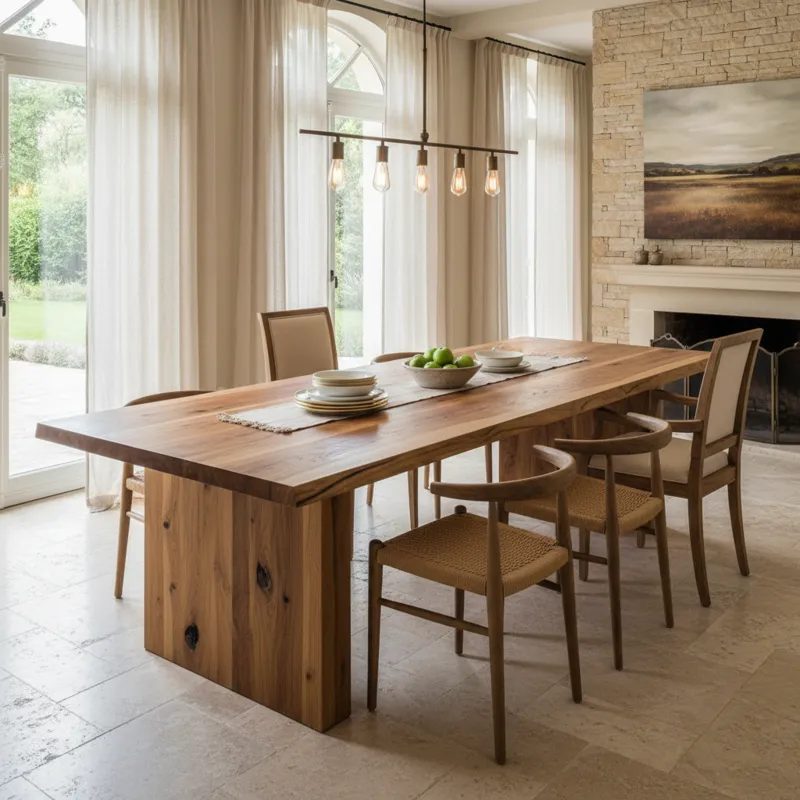
Choosing a dining room table is a significant decision for any home. In 2026, with so many options available, distinguishing genuine quality from fleeting trends or less durable alternatives can be challenging. If you’re looking for wooden dining table sets, understanding the fundamental differences between materials becomes critical. A high-quality real wood dining room table stands as a testament to durability, timeless style, and a connection to natural materials. It’s an investment that shapes family gatherings, special occasions, and daily life, often becoming a cherished heirloom.
Understanding What “Real Wood” Actually Means
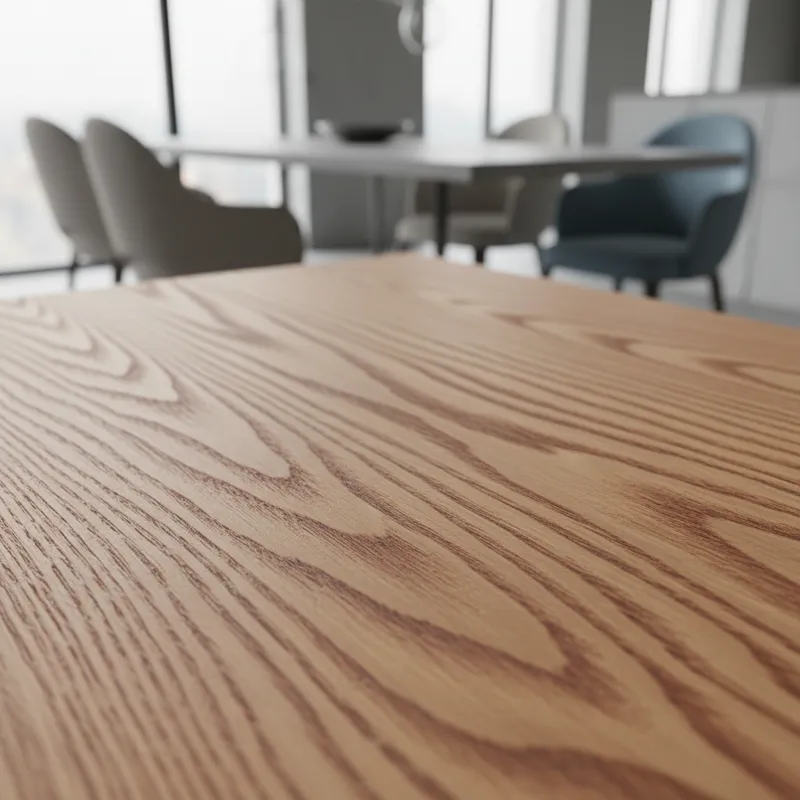
When we talk about a real wood dining room table, it’s essential to clarify what that term genuinely implies in the furniture industry. Many pieces are marketed with “wood” in their description, but not all wood is created equal. The distinction often lies in whether the piece is made from solid wood, or if it utilizes engineered wood products with a wood veneer.
Solid Wood vs. Engineered Wood and Veneers
Solid Wood: This is the gold standard. A solid wood dining room table means the primary structural components—the tabletop, legs, and aprons—are constructed from solid pieces of timber. These pieces might be planks glued together to form a wider surface, like a tabletop, but the material itself is wood through and through. The grain patterns extend throughout the thickness of the wood, making it inherently stronger, more stable, and repairable. Scratches or dents can often be sanded out and refinished, restoring the table’s original beauty.
Engineered Wood: These materials, like MDF (Medium-Density Fiberboard) or particleboard, consist of wood fibers or particles mixed with resin and compressed into panels. They are typically stable and inexpensive but lack the structural integrity and aesthetic depth of solid wood. They are also highly susceptible to moisture damage.
Wood Veneer: A veneer is a thin layer of real wood, typically less than 1/8 inch thick, glued over a substrate of engineered wood. While a veneer offers the appearance of real wood, the structural foundation isn’t solid timber. This construction method allows for intricate grain matching and can reduce costs. However, veneers are less forgiving. Deep scratches or impact damage can expose the underlying substrate, making repairs more challenging and often irreversible without professional intervention.
For a true investment piece that will last for decades and can withstand the rigors of daily family life, solid wood is the superior choice. Its ability to be refinished multiple times means it can adapt to changing styles or simply be restored to its original glory after years of use.
The Different Types of Real Wood for Dining Tables
The type of wood used directly impacts the table’s appearance, durability, weight, and even its response to environmental changes like humidity. Understanding these characteristics helps in making an informed decision.
Hardwoods
Hardwoods generally come from deciduous trees (those that lose their leaves annually) and are known for their density and resilience. They are the most common choice for high-quality furniture due to their strength and attractive grain patterns.
- Oak: A classic choice, known for its distinctive open grain and exceptional durability. Red oak has a reddish hue, while white oak is slightly lighter with a tighter grain and better moisture resistance. Oak is heavy, stands up well to daily use, and stains beautifully. It’s a workhorse wood.
- Maple: This wood is incredibly dense and hard, offering excellent resistance to dents and scratches. It has a fine, often subtle grain pattern, making it ideal for smooth, uniform finishes. Sugar maple, also known as hard maple, is especially tough. A maple dining room set is often a top pick for families prioritizing longevity and a cleaner aesthetic.
- Walnut: Prized for its rich, deep brown color, often with purple or gray undertones, and striking grain patterns. Walnut is strong and stable, yet it’s easier to work with than some other hardwoods. It’s a premium wood that brings a sophisticated, elegant look. A modern walnut dining table is a statement piece, blending contemporary design with natural warmth.
- Cherry: Known for its fine, uniform grain and reddish-brown color that deepens and darkens beautifully with age and exposure to light. Cherry wood is moderately hard and quite durable, lending a warm, traditional feel to a dining space.
- Mahogany: Often associated with antique furniture, mahogany offers a rich, reddish-brown color and a straight, fine grain. It’s highly stable, resistant to warping, and polishes to a high sheen. Genuine mahogany is now scarcer, but similar woods like Sapele are used.
Softwoods
Softwoods come from coniferous trees (evergreens) and are generally less dense than hardwoods. While still beautiful, they are more susceptible to dents and scratches.
- Pine: A popular and more affordable option, pine has a light, yellowish-white color and prominent knots, giving it a rustic, casual charm. While a pine table is softer than hardwood, it’s still durable enough for daily use, especially if finished with a protective coating. It ages well, often developing a desirable patina.
Key Considerations When Choosing Your Real Wood Dining Room Table
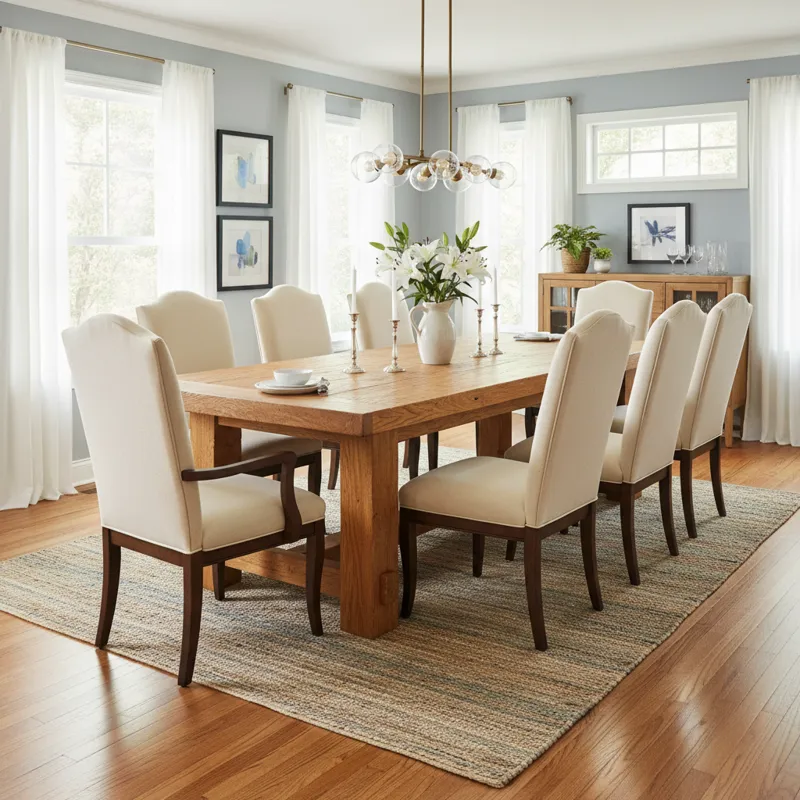
Selecting the perfect real wood dining room table involves more than just picking a wood type. You need to consider how the table will function within your home, how it’s constructed, and how its finish will hold up.
Durability and Longevity: Beyond Wood Type
While the type of wood contributes significantly to durability, construction methods are equally critical. Look for:
- Joinery: High-quality tables use strong joinery techniques like mortise-and-tenon, dovetail, or dowel joints, reinforced with glue and screws. Avoid tables held together primarily with staples or small metal brackets, especially for structural components.
- Thickness: Thicker tabletops and legs generally indicate a more robust build. This isn’t just aesthetic; it contributes to stability and resilience against daily wear.
- Grain Orientation: Quarter-sawn or rift-sawn lumber, while more expensive, offers superior stability and resistance to warping compared to plain-sawn wood, particularly for large tabletops.
Style and Aesthetics
A real wood dining room table sets the tone for your entire dining area. Its style should complement your home’s existing decor and reflect your personal taste.
- Traditional: Often featuring intricate carvings, turned legs, or ornate details, using woods like cherry or mahogany.
- Modern/Contemporary: Characterized by clean lines, minimalist forms, and often lighter finishes or woods like walnut and maple. A modern walnut dining table often exemplifies this style with its sleek profile and natural warmth.
- Rustic/Farmhouse: Embraces natural imperfections, distressed finishes, and sturdy, often oversized designs. Pine or reclaimed woods are common choices.
- Transitional: A blend of traditional and contemporary elements, offering versatility and broad appeal.
Size, Shape, and Seating Capacity
This is where practicality meets design. The table must fit your space and accommodate your needs.
- Measure Your Space: Allow at least 36-42 inches of clearance around the table from walls or other furniture for comfortable seating and movement.
- Seating Capacity: A good rule of thumb is to allow 24-30 inches of table edge per person.
- 4 people: Round tables 36-48 inches in diameter; square tables 36-48 inches.
- 6 people: Rectangular tables 60-72 inches long; round tables 48-60 inches. A compact option might be a 5 piece dining set black, which can suit smaller spaces.
- 8+ people: Rectangular tables 78 inches or longer; oval tables, or tables with leaves for extension. A pedestal dining set with leaf is an excellent choice for flexibility, expanding when you need more space and contracting for daily use.
- Shape:
- Rectangular: Most common, fits well in rectangular rooms, great for large gatherings.
- Round/Oval: Promotes conversation, no sharp corners, better for smaller, squarer rooms.
- Square: Good for smaller, square rooms; can be pushed together for larger gatherings.
Finishes: Protection and Visual Appeal
The finish protects the wood and dictates its aesthetic. Common types include:
- Lacquer or Polyurethane: These create a durable, protective layer over the wood, offering good resistance to spills and scratches. They can range from high-gloss to matte.
- Oil Finishes: Penetrate the wood rather than sitting on top, enhancing the natural grain and providing a soft, natural look. They require more frequent reapplication but are easier to repair locally.
- Varnish: A hard, durable finish, often oil-based, providing excellent protection against moisture and abrasion.
- Wax: Offers a soft sheen and some protection, often used over oil finishes or for a very natural look. It requires regular reapplication.
- Stain: Not a finish itself, but a colorant applied before the protective finish. It allows you to change the wood’s hue while letting the grain show through.
Popular Styles and Design Choices for a Real Wood Dining Table
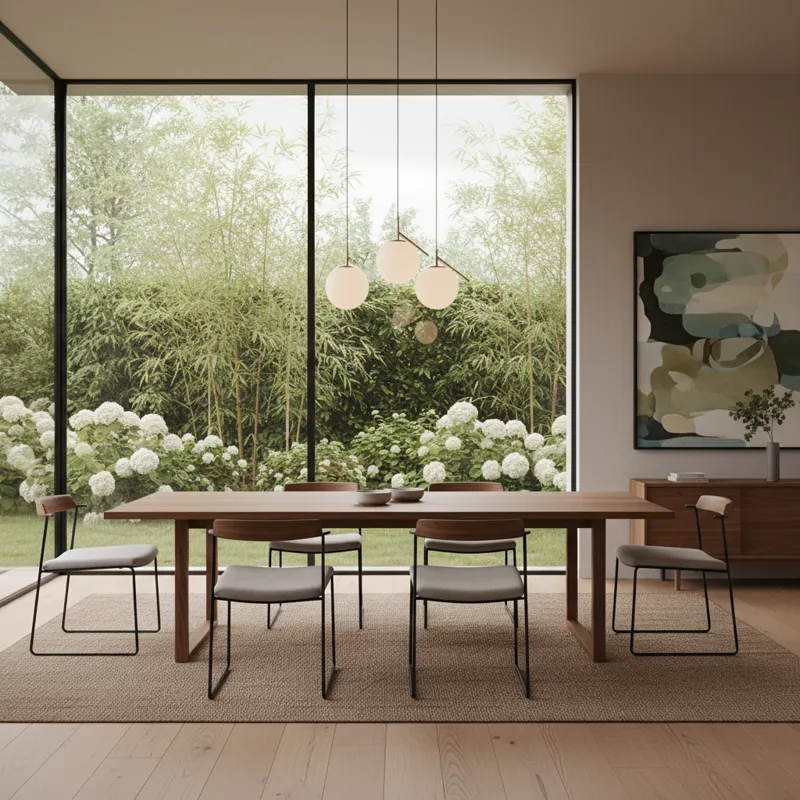
In 2026, design trends continue to emphasize authenticity and longevity. Real wood dining room tables fit perfectly into this landscape, adapting to a range of aesthetic preferences.
Traditional and Classic Designs
These tables often feature robust forms, rich, dark finishes, and intricate details. Think Queen Anne legs, carved aprons, or pedestals. Woods like cherry, mahogany, or dark oak are common, evoking a sense of history and grandeur. These designs often pair well with formal dining rooms and homes with a more conservative aesthetic.
Modern and Contemporary Aesthetics
Modern real wood tables emphasize clean lines, geometric shapes, and a focus on the wood’s natural beauty. Lighter finishes or species like maple, ash, or a modern walnut dining table are popular. These pieces often feature sleek, tapered legs, minimalist bases, or even metal accents, blending natural warmth with contemporary design principles. They fit seamlessly into urban lofts, open-concept homes, and minimalist decor.
Rustic and Farmhouse Styles
Emphasizing comfort, warmth, and a connection to nature, rustic and farmhouse tables often showcase natural wood imperfections, distressed finishes, and robust, often thick-cut designs. Reclaimed wood is particularly popular here, telling a story through its visible wear and unique character. A pine table with a naturally aged or distressed finish is a quintessential example, perfect for casual, inviting spaces.
Specialized Features: Storage and Extensions
Beyond aesthetics, functionality is key. Many real wood dining room tables now offer clever solutions:
- Extension Leaves: Essential for flexibility, these allow you to expand the table for guests and reduce its size for daily use. A pedestal dining set with leaf is a popular configuration, offering stability and easy expansion.
- Built-in Storage: For smaller spaces or those needing extra organization, a dining room table with storage can be invaluable. This might include drawers integrated into the apron or a hidden compartment beneath the tabletop, ideal for placemats, napkins, or cutlery.
Maintenance and Care for Your Real Wood Dining Room Table
A real wood dining room table is an investment that, with proper care, can last generations. Understanding how to protect and maintain it is crucial.
Daily Cleaning and Spill Management
The simplest care is often the most effective:
- Wipe Regularly: Use a soft, dry or slightly damp cloth to wipe down the table after each meal. Avoid abrasive cleaners or sponges that can scratch the finish.
- Address Spills Immediately: Wood and moisture don’t mix well. Blot spills quickly with a clean, dry cloth. For sticky spills, a damp cloth with a mild soap solution followed by a dry wipe is best.
- Avoid Harsh Chemicals: Many household cleaners contain ammonia or silicone, which can strip finishes or leave a residue. Stick to wood-specific cleaners or simple soap and water for most tasks.
Protecting Against Heat, Moisture, and Scratches
Prevention is better than cure:
- Use Coasters and Trivets: Always place hot dishes on trivets and drinks on coasters to prevent heat rings and moisture damage.
- Tablecloths and Placemats: These offer a protective barrier against minor spills, scratches, and everyday wear.
- Avoid Direct Sunlight: Prolonged exposure to direct sunlight can fade wood finishes and even cause the wood to dry out and crack. Rotate your table or use blinds during peak sun hours.
- Maintain Humidity: Wood is a hygroscopic material, meaning it absorbs and releases moisture. Extreme fluctuations in humidity can cause wood to swell, shrink, crack, or warp. Keep your home’s humidity stable, ideally between 40-50%, using humidifiers or dehumidifiers as needed. The USDA Forest Service provides extensive information on wood properties and environmental factors. For example, understanding the equilibrium moisture content of wood is vital for its longevity (Forest Products Laboratory Technical Note).
Long-Term Maintenance and Refinishing
Over time, even the best-cared-for table might need a refresh:
- Polishing/Waxing: Depending on the finish, occasional polishing or waxing can restore luster and provide an additional protective layer. Follow the manufacturer’s recommendations.
- Minor Scratches: For superficial scratches, wood repair kits, touch-up pens, or even a rubbing with a walnut (the nut’s oil can help disguise scratches) can work.
- Refinishing: When the finish becomes extensively worn, scratched, or dull, a full refinishing might be necessary. This involves sanding down to the bare wood and applying a new finish. This process can completely rejuvenate an old table, making it look brand new. It’s also an opportunity to change the stain color if you wish. This is one of the distinct advantages of solid wood over veneer.
What Most People Get Wrong About Real Wood Tables
Many homeowners acquire a real wood dining room table with enthusiasm but sometimes operate under misconceptions that can lead to avoidable issues. Understanding these common errors is key to long-term satisfaction.
One major misunderstanding is that “solid wood” automatically means “indestructible.” While incredibly durable, solid wood is still a natural material. It will dent if struck hard enough, scratch if dragged across with abrasive objects, and warp or crack if exposed to extreme temperature or humidity fluctuations. The term means it’s repairable and long-lasting, not invincible. Expecting it to endure abuse without consequence is a mistake.
Another common error relates to maintenance. Some believe a real wood table is maintenance-free once finished. In reality, while modern finishes are robust, they still benefit from protection. Neglecting coasters, trivets, or wiping spills promptly can lead to water rings, heat damage, or stubborn stains that could have easily been avoided. Similarly, over-cleaning with harsh chemicals can actually damage the finish over time, leading to a dull or sticky surface.
People often underestimate the impact of sunlight and humidity. Placing a real wood table in direct, prolonged sunlight can cause fading and drying, leading to cracks. Likewise, fluctuating indoor humidity, common with seasonal changes, can cause wood to expand and contract, leading to warping or joint separation. A consistent indoor environment is often more crucial than many realize.
Finally, there’s a misperception about cost versus value. A high-quality solid wood table has a higher upfront cost than a veneer or engineered wood piece. This sometimes leads buyers to opt for cheaper alternatives, only to find them degrading quickly or becoming irreparable. The higher initial investment in a real wood table often translates to decades of use, the ability to refinish, and even resale value, making it a far more economical choice in the long run. Thinking short-term about price rather than long-term about value and longevity is a frequent misstep.
Completing Your Dining Space: Beyond the Table
A real wood dining room table is the centerpiece, but the surrounding elements complete the picture and enhance functionality.
Choosing Complementary Seating
The chairs you choose should complement your table’s style and material, while also prioritizing comfort and durability. You don’t always need an exact match, but aim for harmony.
- Wood Chairs: Often chosen to match or complement the table’s wood type and finish. Consider if you want solid back, slat back, or upholstered seats. Reclaimed wood dining chairs, for instance, pair beautifully with a rustic or industrial-style table, adding texture and character.
- Upholstered Chairs: Provide enhanced comfort and an opportunity to introduce color, pattern, or texture. Dining room table and leather chairs offer a sophisticated, durable, and easy-to-clean option, ideal for both modern and traditional settings.
- Mixed Materials: Consider chairs with metal frames, wicker seats, or woven backs to add visual interest and a layered look, especially in contemporary or eclectic spaces.
Adding Functionality with Other Furniture
Beyond seating, other pieces can elevate your dining experience and storage capabilities:
- Sideboards and Buffets: These offer valuable storage for dishes, linens, and serving ware. They also provide a surface for serving food buffet-style or displaying decorative items.
- Hutches and China Cabinets: For displaying cherished dinnerware, glassware, or decorative objects, a hutch and table combination creates a cohesive and elegant look. Similarly, dedicated china cabinets for dining room spaces offer secure, dust-free storage and display for your finest pieces.
- Bar Carts: A mobile bar cart can be a stylish and practical addition for entertaining, offering a convenient spot for drinks and barware.
The Investment: Cost Versus Value
The initial cost of a real wood dining room table can be higher than alternatives made from engineered wood or veneers. This is a simple reflection of the material’s inherent value, the craftsmanship involved, and the labor required to work with solid timber.
Hardwoods like walnut, cherry, and white oak command higher prices due to their slower growth rates, density, and desirable grain patterns. Even within the same wood species, factors like the grade of lumber, the complexity of the design, and the finish quality will influence the final price. Handcrafted or custom-made tables from independent artisans or reputable furniture makers often represent the highest quality and cost, reflecting the expertise and time invested.
However, it’s crucial to view a real wood dining room table not as an expense, but as a long-term investment. Unlike mass-produced furniture that might begin to show significant wear within a few years and be difficult to repair, a well-made solid wood table offers unparalleled longevity. It’s designed to withstand decades of family meals, holiday gatherings, and daily use.
The ability to sand down and refinish a solid wood table multiple times is a distinct advantage. This means that if the finish gets scratched or if you simply want a new look years down the line, the table can be restored or updated, extending its useful life indefinitely. This drastically reduces its lifetime cost compared to buying and replacing cheaper tables every few years. Furthermore, a high-quality real wood dining room table often retains significant resale value, and many become cherished family heirlooms, passed down through generations. This inherent value is something engineered wood simply cannot replicate. As Forbes mentions, investing in quality, durable furniture often pays off in the long run by avoiding frequent replacements (Forbes Advisor on Home Improvements).
Frequently Asked Questions About Real Wood Dining Tables
Can I put hot items directly on a real wood dining table?
No, you should always use trivets or heat pads under hot items. Direct heat can cause permanent damage, including white rings or discoloration, by breaking down the finish or altering the wood underneath.
How often should I oil or wax my wood table?
This depends on the type of finish. For oil-finished tables, reapplication might be needed every 6-12 months, or as the wood starts to look dry. Wax finishes might need reapplying every few months. For lacquer or polyurethane finishes, regular polishing is more common, with re-oiling or waxing not typically required. Always follow the manufacturer’s specific care instructions.
Is solid wood always better than a high-quality veneer?
Generally, for longevity, reparability, and an authentic feel, solid wood is superior. High-quality veneers can be beautiful and stable, especially over high-grade substrates, but they are less forgiving of deep damage and cannot be refinished multiple times in the same way solid wood can. The choice often comes down to budget and priority for repairability and heirloom potential.
How do I repair scratches on a real wood dining table?
For minor surface scratches, wood repair markers, touch-up pens, or even a rub with a walnut can help disguise them. Deeper scratches might require wood filler and a matching stain/finish. For extensive or deep damage, professional refinishing is often the best solution, especially for a valuable real wood dining room table.
What’s the best way to clean my real wood dining table?
For daily cleaning, a soft, slightly damp cloth is usually sufficient. For more thorough cleaning, use a damp cloth with a small amount of mild dish soap, followed immediately by a dry cloth to remove all moisture. Avoid silicone-based sprays, harsh chemical cleaners, or anything abrasive. Periodically, you can use a wood-specific cleaner that is compatible with your table’s finish.
A real wood dining room table offers unmatched durability, timeless beauty, and the profound satisfaction of owning a piece that is truly built to last. By understanding the types of wood, construction quality, proper care, and complementary furnishings, you can confidently choose a piece that will serve your home for generations. It’s more than just furniture; it’s the heart of your home’s gatherings, a silent witness to countless memories, and a tangible connection to natural craftsmanship. Make an informed choice, and enjoy the enduring appeal of genuine wood.
Explore More Related Topics
- brown dining table
- oak dining table
- old dining room furniture
- modern white oak dining table
- wood and metal dining table sets
- log dining table
- dark wood dining room table
- black walnut dining table
- wood table
- large pedestal dining table
- solid wood counter height table
- antique white dining room set
- circular walnut dining table
- dining table set espresso
- reclaimed wood dining room table
- metal top dining room table
- traditional dining table
- bar chairs and table
- reclaimed wood table top
- contemporary dining room tables with leaves
- wood plank dining table
- solid wood extendable table
- walnut furniture
- wood dining room table with matching captain chairs
- whitewash dining table set
- wooden dining room chairs
- distressed white dining table
- dining table material wood glass
- dining room chairs walnut
- oak dining table and six chairs
- grey wood dining table
- dark oak dining table
- light wood dining set
- collapsible wooden table and chairs
- woodworking dining table
- dining room table with drawers
- outdoor wicker dining set
- light wood table dark chairs
- wood black dining chairs
- dining table set green
- gray and brown dining table
- black and brown dining table
- natural dining table set
- colorful dining room table
- distressed breakfast table
- patio aluminum dining sets
- wood table with black chairs
- chunky dining room table
- dining room chairs oak
- wooden old table
- wood table with white legs
- wood table with black legs
- vintage ethan allen dining table and chairs
- jokkmokk table
- reclaimed lumber furniture
- vintage oak dining table
- resto table
- raw wood dining table
- cheap wood table


